World politics
fromwww.dw.com
1 day agoNew alliances emerge in Middle East which one will 'win'?
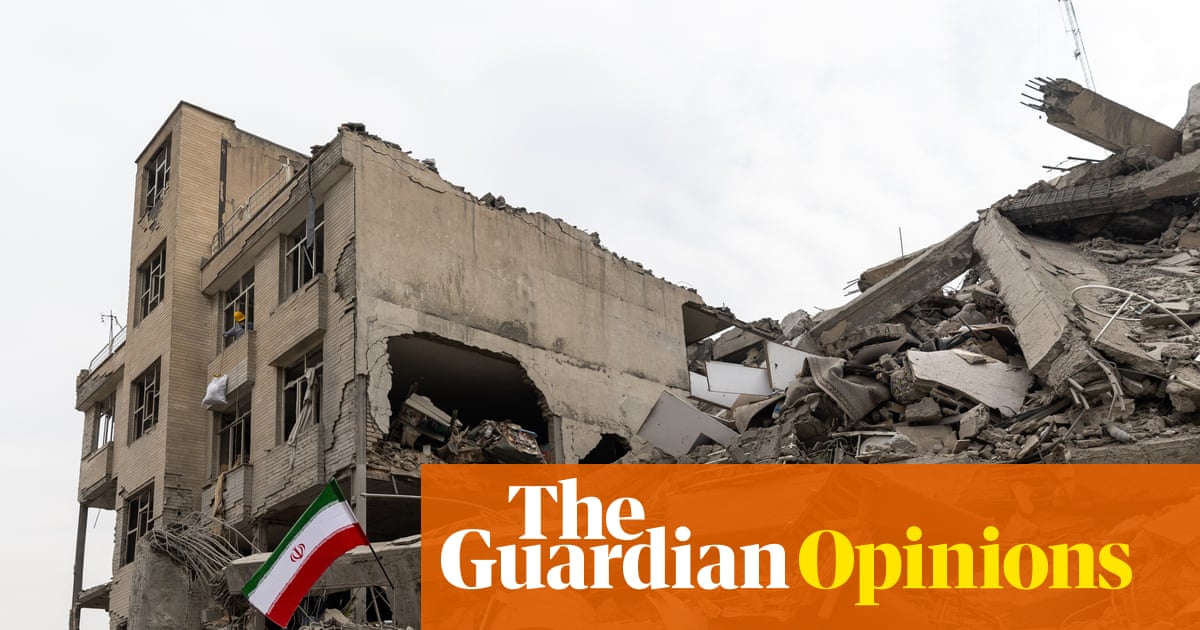
The UAE appears to align with Israel and the US amid the Iran conflict, risking isolation from much of the Arab world.
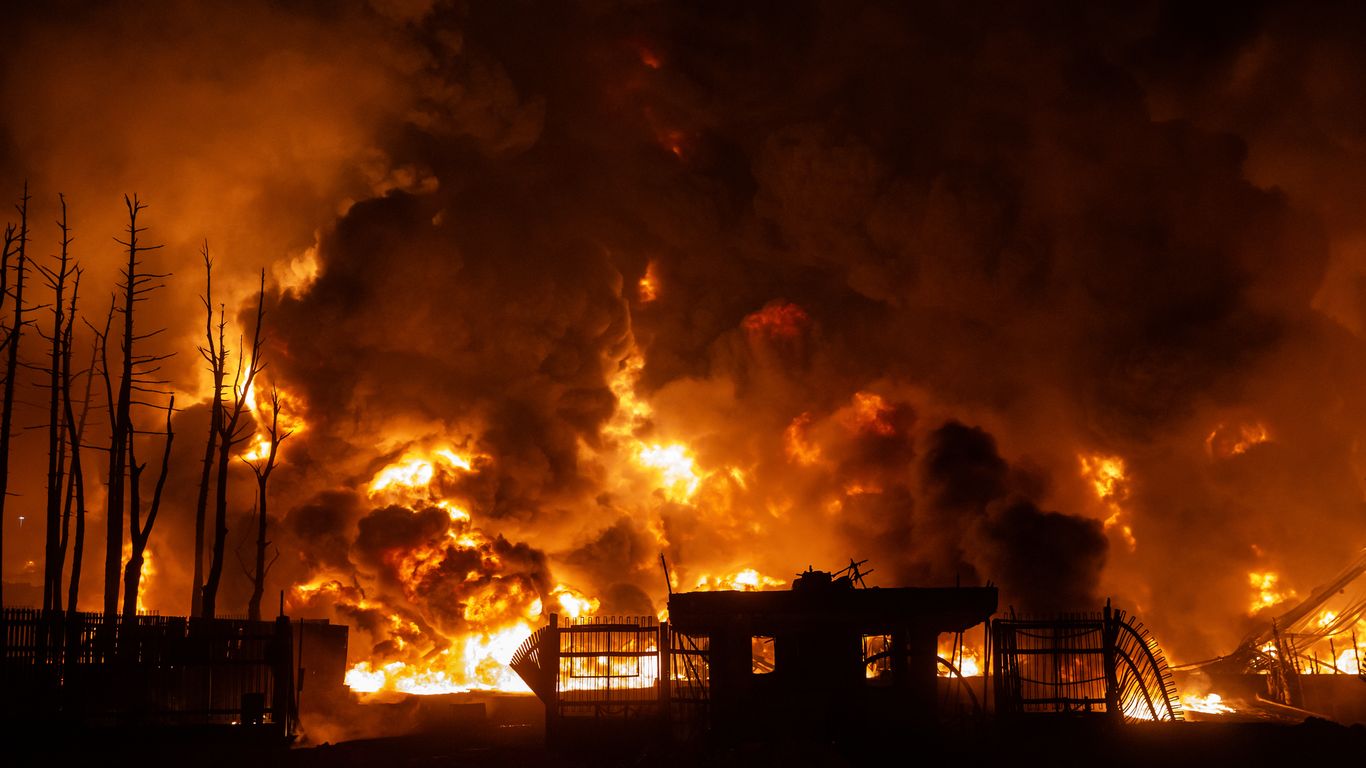
The dollar stabilised to a certain extent today after retreating in the prior session, but could remain relatively volatile as markets react to geopolitical developments in the Middle East. Treasury yields were firmer following a pullback on Monday as well.
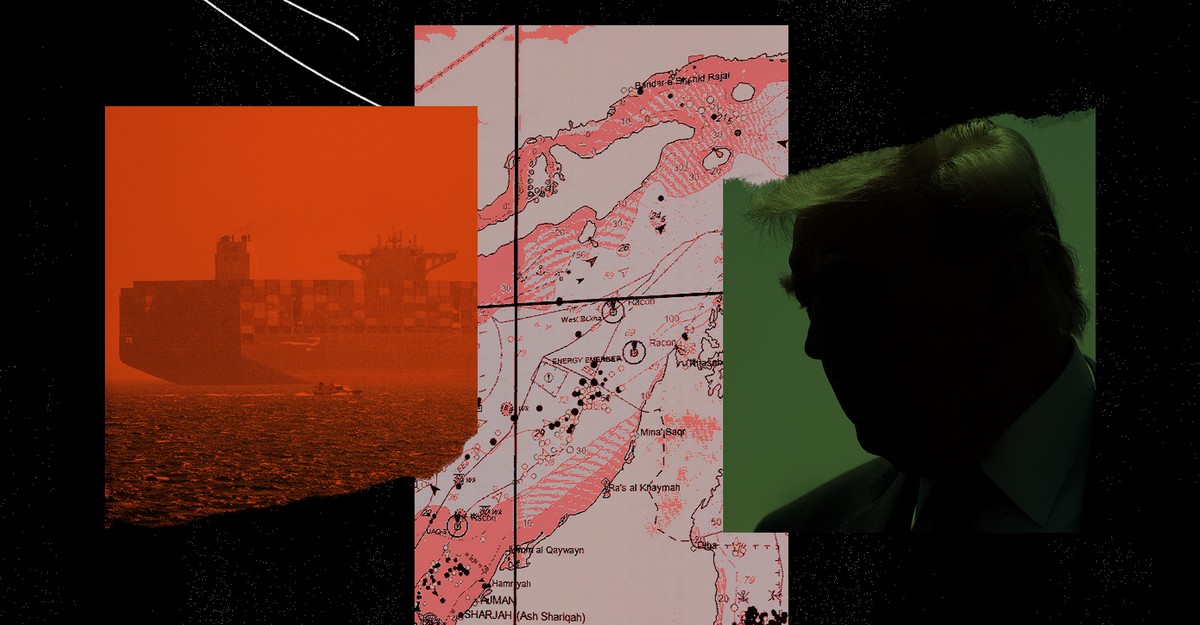
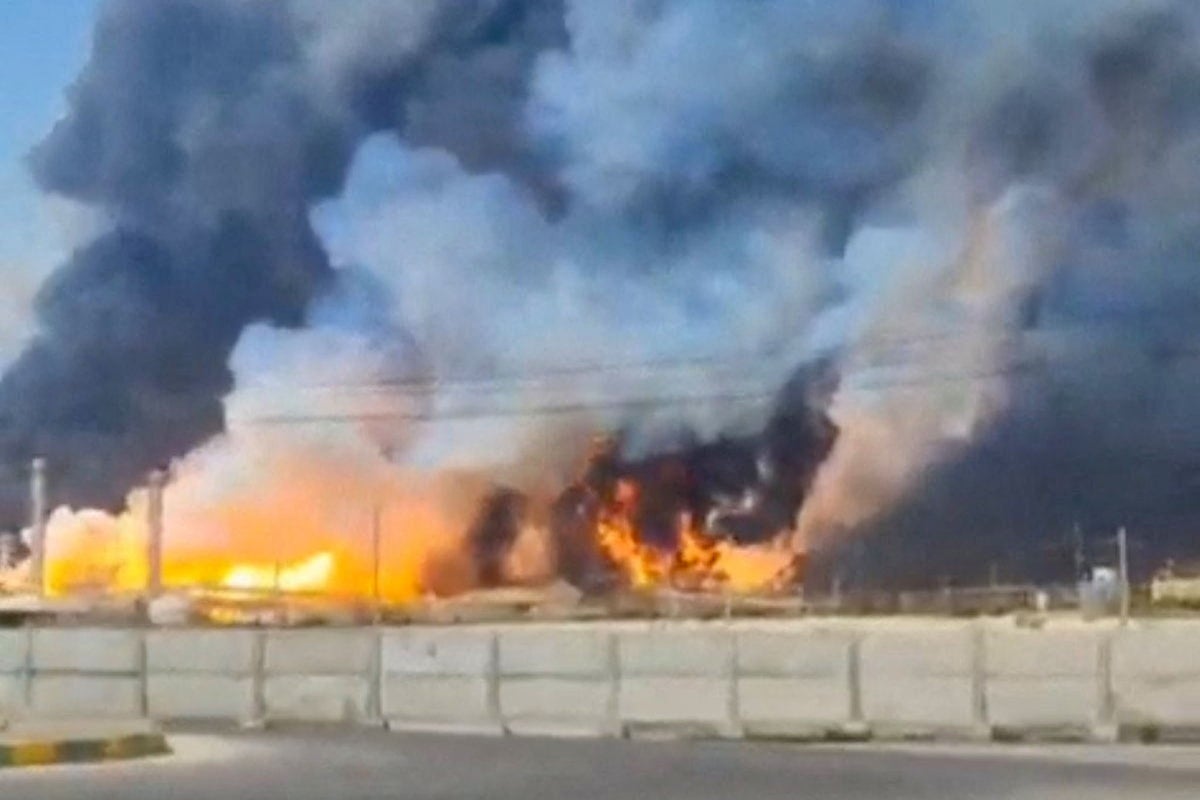
The dominant force in play remains the Middle East conflict, which has kept oil prices elevated and inflation expectations firm. Reports that Washington is assembling a coalition to escort vessels through the Strait of Hormuz could offer some relief for the oil market and could weigh on the dollar.
The market pulled back after the US allowed a temporary window for countries to buy stranded Russian oil and after the IEA confirmed a coordinated 400 million barrel emergency stock release. These steps helped ease some immediate supply fears, although they could remain insufficient compared to the scale of the disruption.
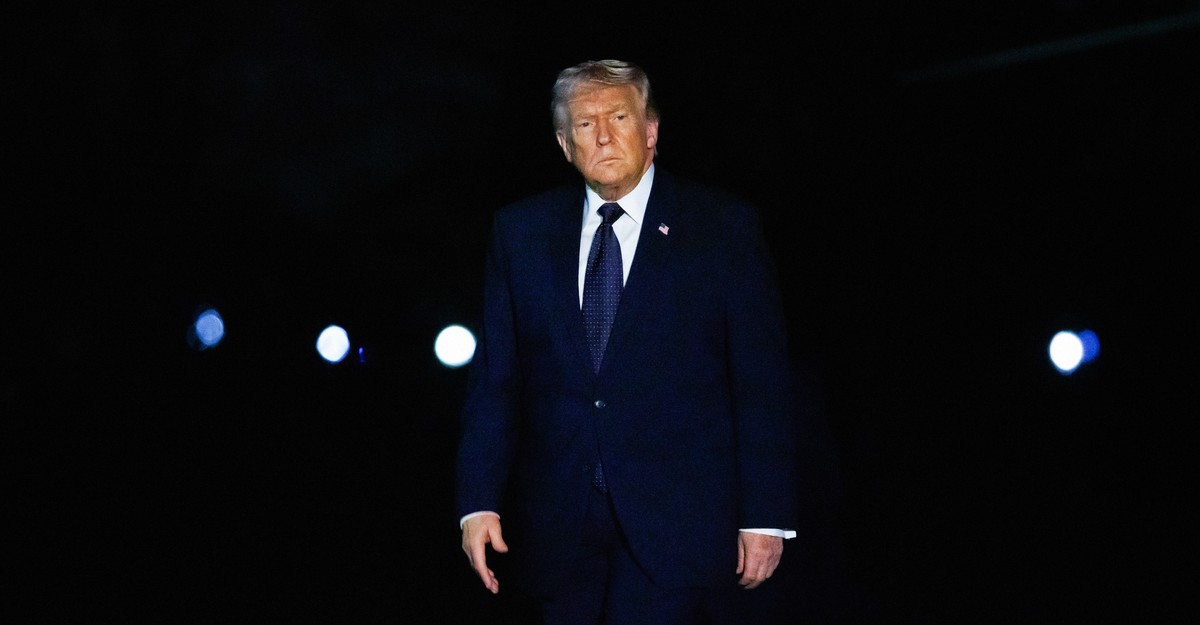
Best money ever spent. What's it worth to America to take down a religious Nazi regime who's trying to build a nuclear weapon to deliver to America? That's a really good investment. When this regime goes down, we're going to have a new Mideast, we're going to make a ton of money, nobody will threaten the Straits of Hormuz again.
When London granted independence to its former colony in 1960, it reserved this territory and Dhekelia, in the east of the island, to maintain a foothold in the Middle East. In fact, both bases have been used in the invasion of Iraq, the war in Afghanistan, the operation against Gaddafi in Libya, and the protection of Israel during the 2024 Iranian attack.
While most Gulf countries have closed their airspace, Oman's has remained open. Airlines and governments have therefore been using it as a hub to help people get home. Italy and Slovenia organised buses to help their citizens travel from the UAE to Muscat, about a five-hour drive.
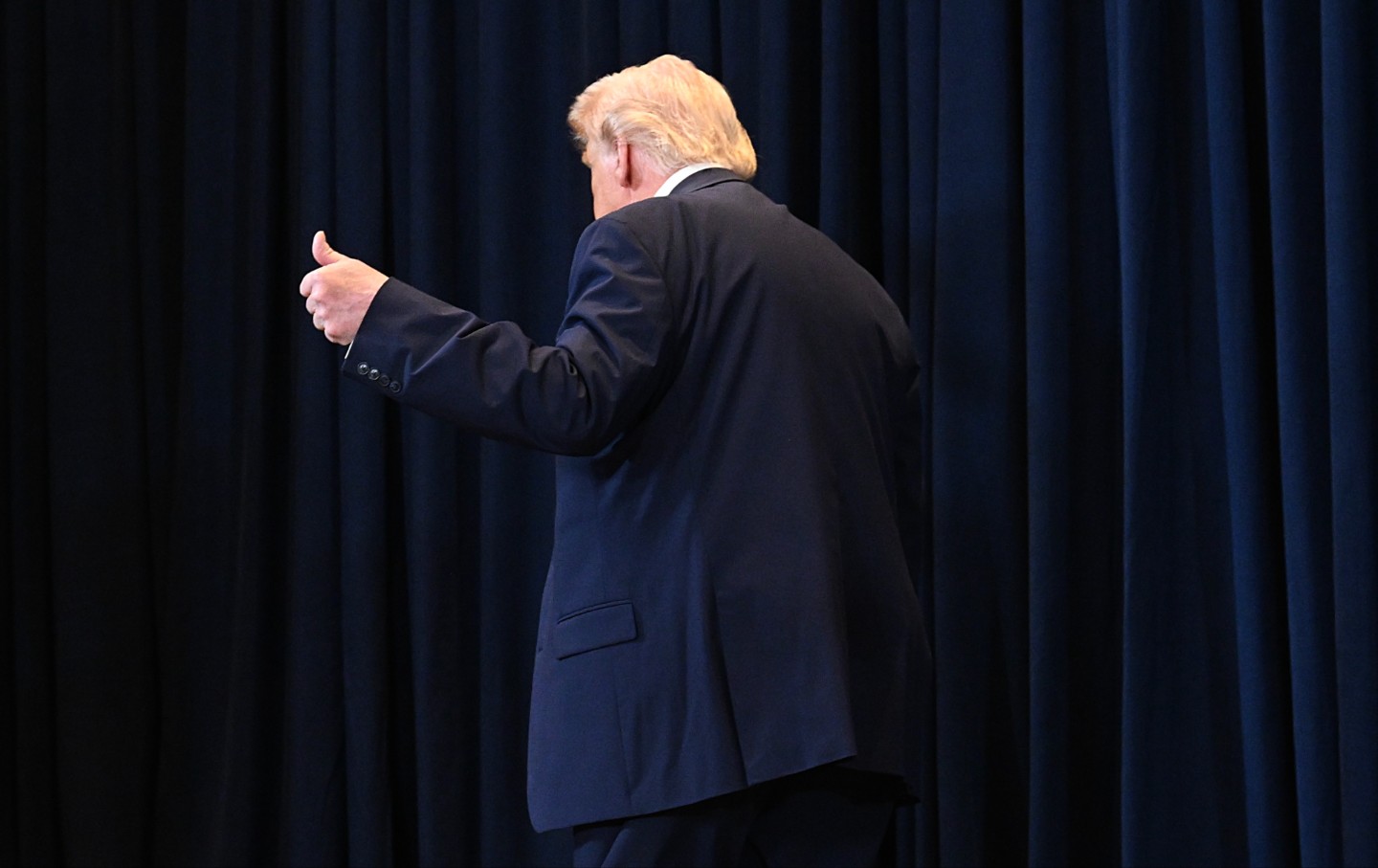
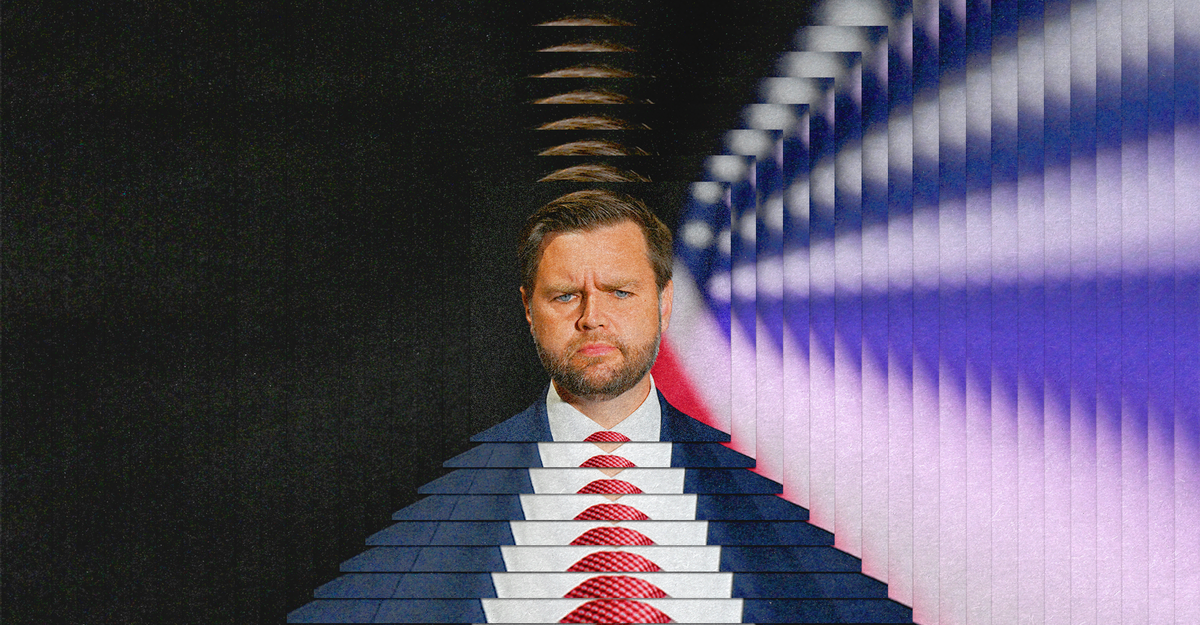
Donald Trump once promised no more wars because he's a man of peace. Then he followed up with: 'Actually, what I meant there was peace through strength' and he bombed a few places. Now, after nine military interventions overseas, the policy is peace through war.
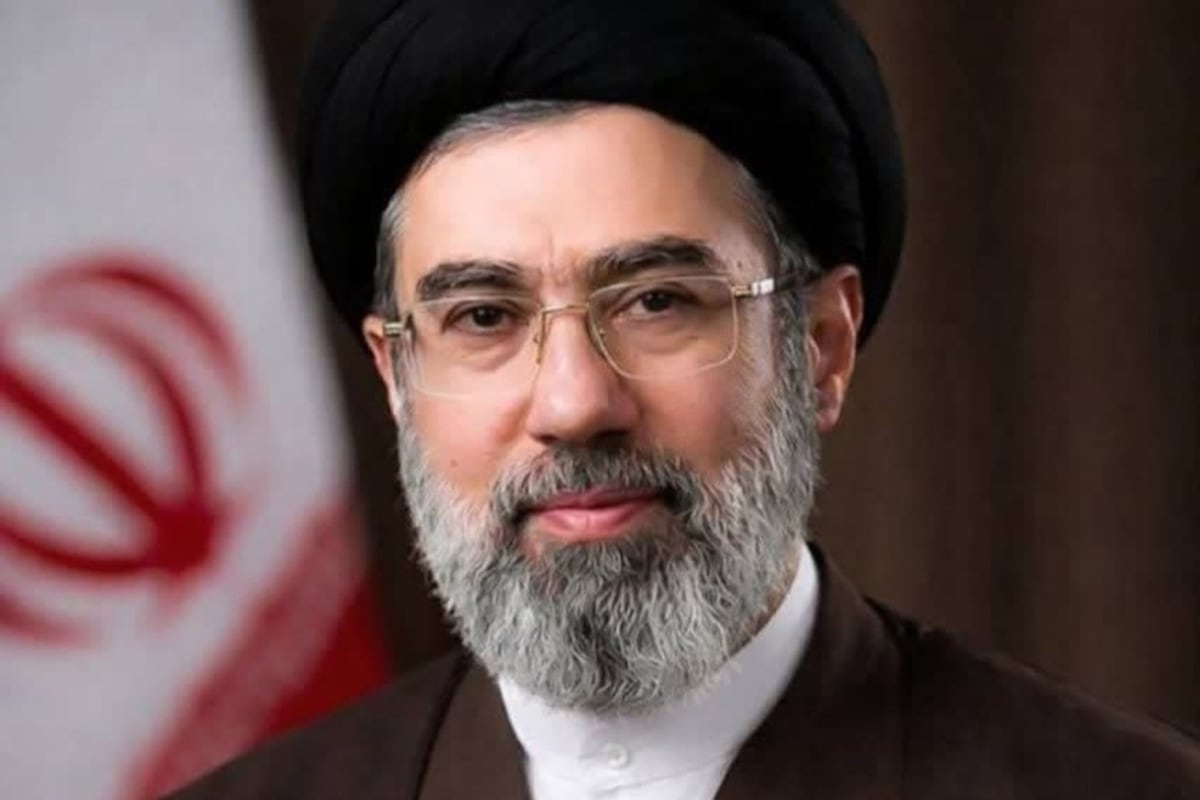
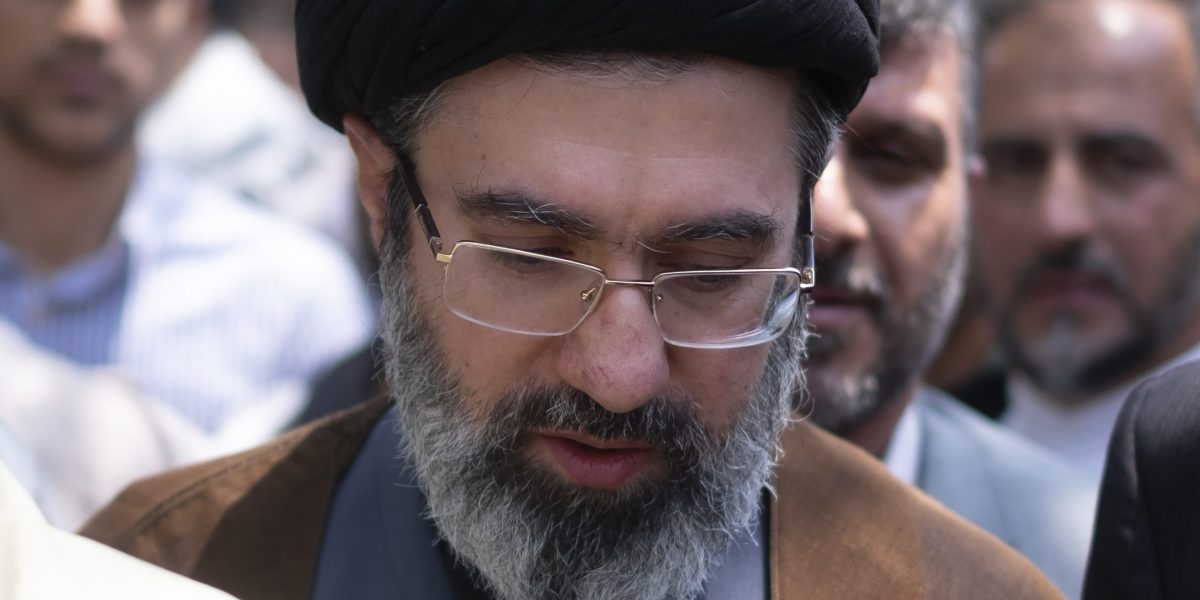
They are wasting their time. Khamenei's son is a lightweight. I have to be involved in the appointment. He added that he would prefer to have a leader similar to Venezuelan President Delcy Rodriguez, who succeeded Nicolas Maduro after he was abducted by US forces in January.
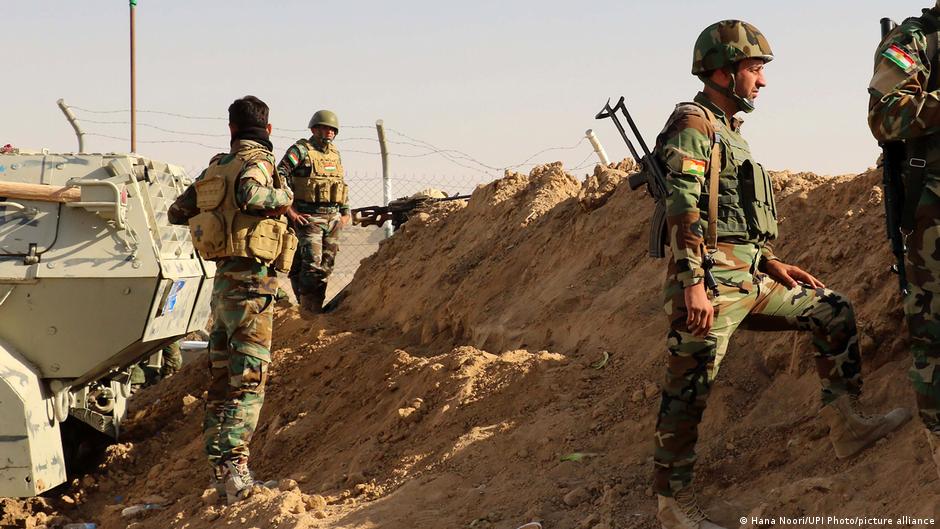
Numbering between 30 and 40 million worldwide, most live amid the peaks and valleys straddling the borders of Armenia, Iraq, Iran, Syria and Turkey. The Kurds link their history to that of the Medes, an ancient Middle Eastern people. They were left stateless a century ago when the borders of the modern Middle East emerged from the collapsing Ottoman empire.
This group is actually listed by the U.S. government as a foreign terrorist organization—also listed by Iran and Turkey. It's akin to the PKK, or the Kurdistan Workers' Party, which operates in Iraq and Syria. We have to be very cautious about dealing with groups like this.