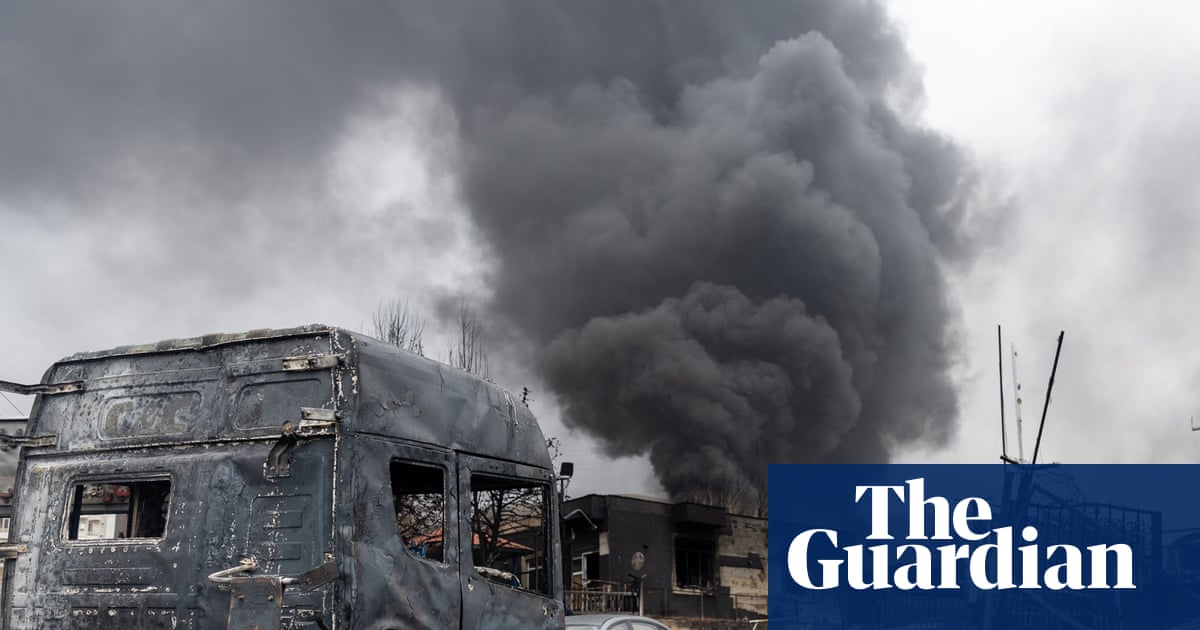
"What we saw with the initial attack was tactically almost 100% success. The problem is that when that doesn't lead to strategic success—you get to second stage escalation. Experts point in particular to the risks of an escalation trap whereby the attacker is drawn into an ever more complex, protracted and costly conflict than envisaged at the outset from a widening disparity in the US-Israeli campaign between the tactical and strategic level."
"Tehran's counter is a horizontal escalation, one long prepared by the regime, that is intended to widen the conflict geographically, with strikes on the Gulf states, and also in terms of the costs to Washington and the global economy, not least in energy supplies. The coming days and weeks are likely to reveal important lessons about the potency of US military power in an increasingly fragile and multipolar world."
The Israeli-US military campaign against Iran represents a conflict between two competing escalation strategies. Despite tactical successes including targeted airstrikes and eliminating key Iranian leaders, the campaign has failed to achieve strategic objectives: Iran's clerical regime remains intact and its uranium stockpile unsecured. Iran responds with horizontal escalation, expanding the conflict geographically through strikes on Gulf states while increasing costs to Washington and global energy supplies. Military experts identify an escalation trap where tactical victories mask strategic failure, creating a widening gap between military success and political achievement. This disparity threatens to draw the US into an increasingly complex, protracted, and costly conflict than initially envisaged, revealing limitations of military power in a multipolar world.
#military-escalation #iran-us-conflict #strategic-vs-tactical-warfare #escalation-trap #middle-east-geopolitics
Read at www.theguardian.com
Unable to calculate read time
Collection
[
|
...
]