#iran-israel-conflict
#iran-israel-conflict
[ follow ]
UK politics
fromwww.independent.co.uk
1 month agoIran oil attacks trigger 35% gas price spike and fears of interest rate rises
Britain increases defensive support for Gulf states following Iran's missile attacks on regional energy infrastructure, raising concerns about inflation and interest rates across Europe.
#energy-infrastructure-attacks


World news
fromwww.theguardian.com
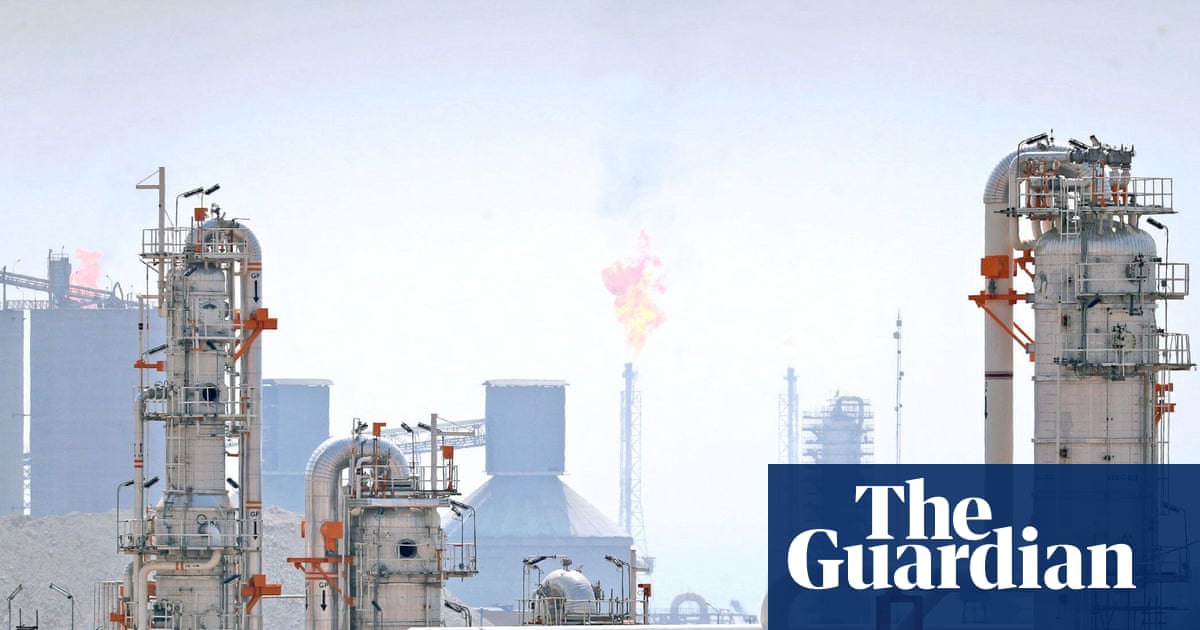
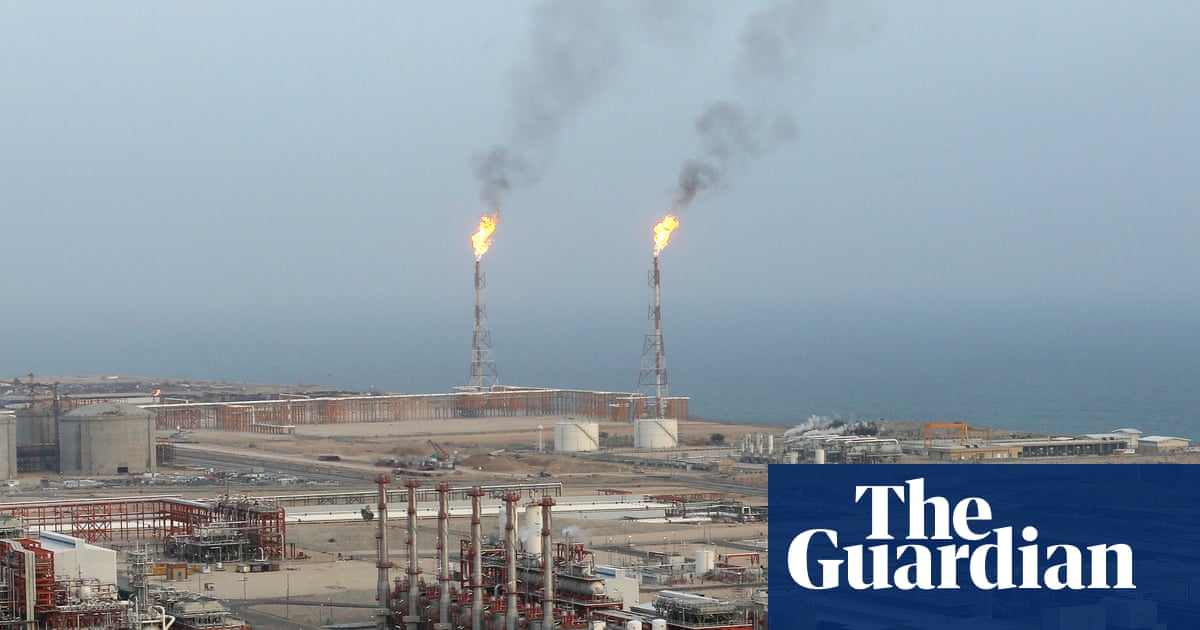
1 month agoIran says it will show zero restraint' if energy infrastructure is targeted again
Iran threatens zero restraint if energy infrastructure is targeted again, after striking Qatar's gas facilities and damaging Israeli refinery in retaliation for Israeli attack on South Pars gasfield.
World news
fromThe Washington Post
1 month agoTrump threatens to blow up major Iranian gas field as energy prices soar higher
Trump threatened to destroy Iran's South Pars gas field if Iran continues attacking Qatar, as escalating strikes on energy facilities draw Gulf states deeper into the conflict and drive up oil prices.
World news
fromwww.aljazeera.com
1 month agoTrump attempts to distance US from Israeli strikes on key Iranian gasfield
Trump denied US involvement in Israel's strike on Iran's South Pars gasfield while threatening massive retaliation if Iran attacks Qatar, contradicting reports that he approved the operation in advance.
World news
fromwww.theguardian.com
1 month agoIran threatens Gulf energy facilities after Israeli attack on its largest gasfield
Iran threatens to attack Gulf energy infrastructure in retaliation for Israeli strikes on its South Pars gasfield, escalating regional conflict and threatening global oil supplies.
fromwww.mediaite.com
1 month agoTrump Says He Warned Netanyahu Against Striking More Iranian Oil and Gas Fields: We're Not Doing That Anymore'
Yeah, I did, I did. I told him, don't do that, and he won't do that. We didn't discuss, you know, we do independent, but get along great. It's coordinated, but on occasion he'll do something, and if I don't like it—and so we're not doing that anymore.
World news
World news
fromwww.theguardian.com
1 month agoDoomsday scenario': a visual guide to the oil and gas site attacks in the Middle East
Iranian attacks on Middle Eastern oil and gas infrastructure, including South Pars and Ras Laffan, threaten global energy supplies and economic stability with repairs requiring three to five years.
Europe news
fromLondon Business News | Londonlovesbusiness.com
1 month agoAirlines Warn of Cancellations Due to Fuel Crisis - London Business News | Londonlovesbusiness.com
Airlines face potential flight cancellations due to fuel shortages caused by Iran blocking the Strait of Hormuz, with jet fuel prices surging from $90 to $200 per barrel.
World news
fromwww.aljazeera.com
1 month agoWhat did Arab and Muslim ministers discuss in Riyadh meeting on Iran?
Foreign ministers from twelve Arab and Muslim countries convened in Saudi Arabia to formulate a unified response to Iranian strikes while asserting their right to self-defense amid escalating regional conflict.
World news
fromwww.npr.org
1 month agoIsrael and Iran attack gas facilities. And, Cesar Chavez accused of sexual abuse, rape
Iran launched coordinated attacks on energy infrastructure in Qatar, UAE, and Saudi Arabia following Israel's strike on Iran's gas field, causing oil prices to surge to $110 per barrel and threatening global energy security.
France politics
fromPoynter
1 month agoA wave of posts claimed Benjamin Netanyahu was dead. Here's how it spread. - Poynter
False rumors of Netanyahu's death spread widely on social media during Iran-Israel conflict, driven by misinformation, fake videos, and out-of-context content, with no credible evidence supporting the claims.
World politics
fromLondon Business News | Londonlovesbusiness.com
1 month agoFears of nuclear catastrophe as UN prepares for fallout from Iran strikes - London Business News | Londonlovesbusiness.com
Nuclear facilities in conflict zones face catastrophic risks from military strikes, with limited international oversight and potential for decades-long consequences.
#military-escalation



World news
fromwww.dw.com
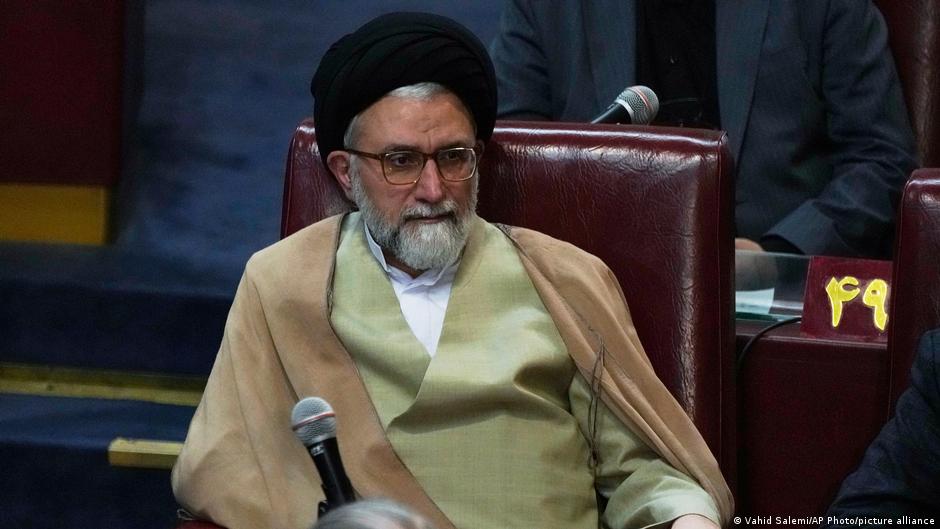
1 month agoIran war: New head Khamenei vows to avenge Larijani killing
Iran's new Supreme Leader vows revenge for security chief Ali Larijani's death in an Israeli strike, while the Iranian Intelligence Minister was also killed in airstrikes, escalating US-Israel-Iran conflict.
World news
fromFortune
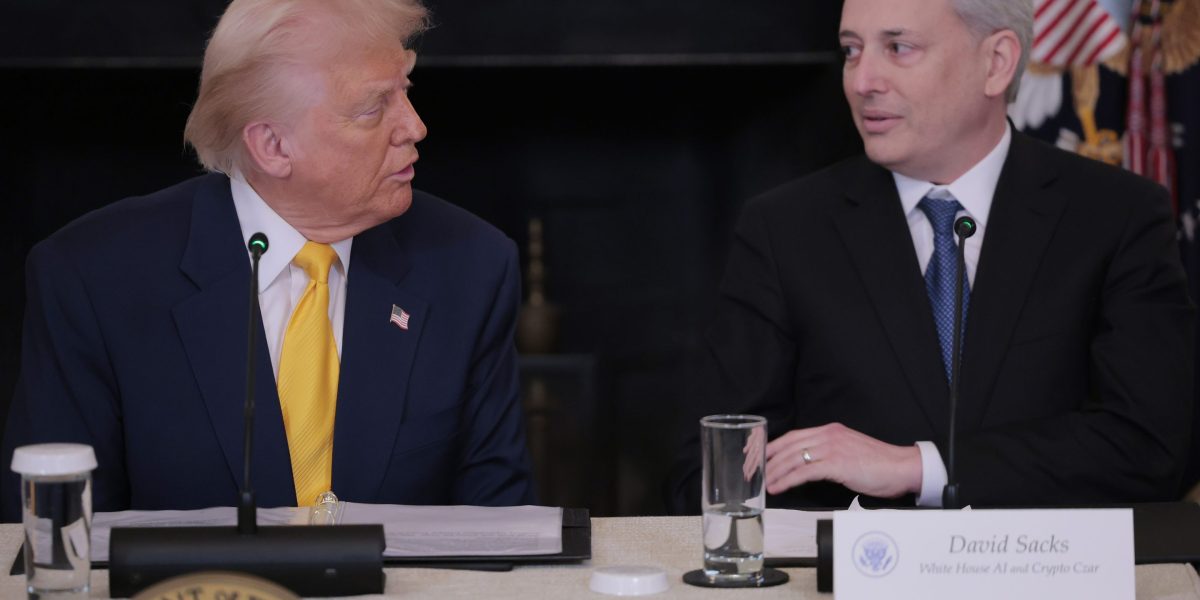
1 month agoTrump's AI czar calls for U.S. to 'get out' of war and warns Iran has a 'dead man's switch' that could render Gulf states almost uninhabitable | Fortune
David Sacks warns that continued U.S.-Israel military escalation against Iran risks catastrophic regional consequences including infrastructure destruction and humanitarian crisis.
fromFortune
1 month agoOil prices hit nearly $110 as Iran vows to escalate the war in 'new ways' | Fortune
Brent crude spiked more than 5% to almost $110 a barrel on Wednesday after Israel struck the world's largest natural gas reserve in a coordinated operation with the United States. The attack marks the first time Iran's upstream oil and gas infrastructure, as opposed to those in the gulf, has been targeted since the war began on Feb. 28.
World news
World news
fromFast Company
1 month agoIran's Bushehr nuclear power plant reportedly hit by a projectile. Here's what to know
A projectile struck near the Bushehr nuclear power plant in Iran; Russia and Iran report no radiation release or damage, though the incident highlights ongoing concerns about the facility's vulnerability to attack or natural disaster.
Washington DC
fromWashingtonian - The website that Washington lives by.
1 month agoTulsi Gabbard's "No War With Iran" Shirts Might Backfire Today, VOA Employees Ordered Back to Work, Maryland Gives the World a Trombone Emoji - Washingtonian
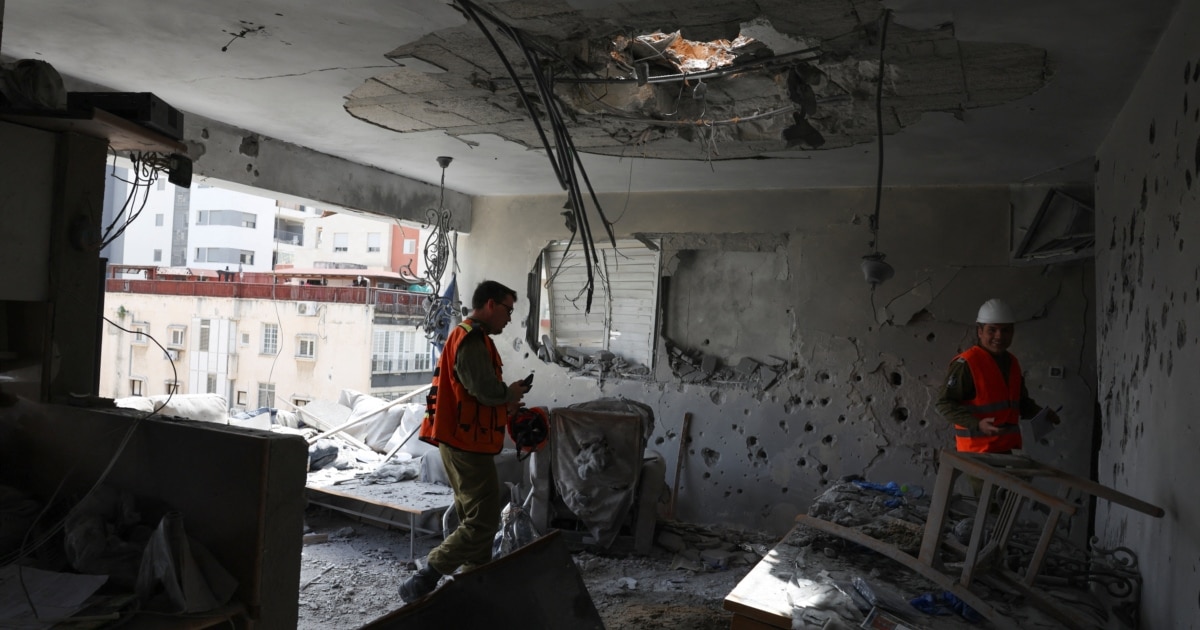
Iran attacked Tel Aviv killing two people in retaliation; Israel struck Beirut; the US bombed missile sites near the Strait of Hormuz; a National Counterterrorism Center director resigned opposing potential war with Iran.
#missile-attacks
World news
fromwww.aljazeera.com
1 month agoIran launches revenge' missile attack on Israel after assassinations
Iran launched cluster missile attacks on central Israel, killing two people in Ramat Gan and damaging a Tel Aviv train station, claiming revenge for Israel's assassination of security chief Ali Larijani.
World news
fromwww.aljazeera.com
1 month agoIran launches revenge' missile attack on Israel after assassinations
Iran launched cluster missile attacks on central Israel, killing two people in Ramat Gan and damaging a Tel Aviv train station, claiming revenge for Israel's assassination of security chief Ali Larijani.

fromwww.aljazeera.com
1 month agoIsrael says it killed Iran Intel minister in third assassination in 2 days
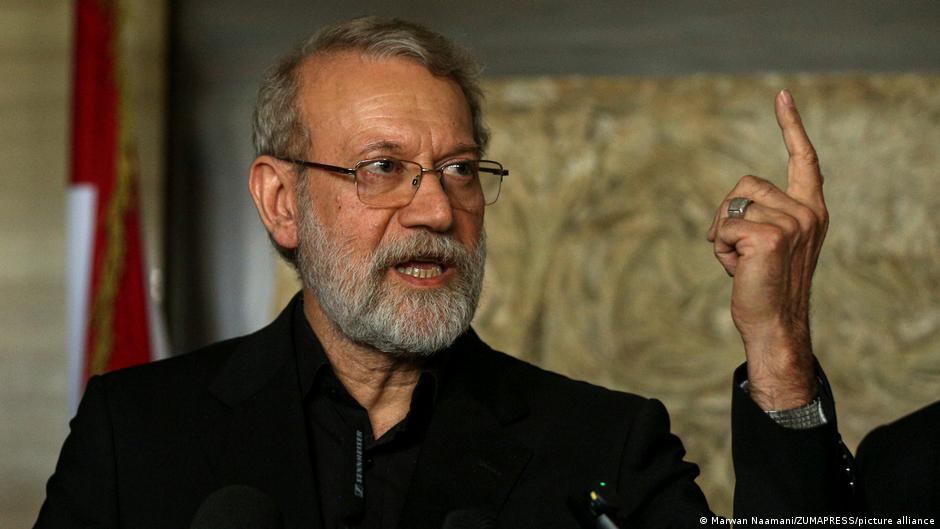
Israel's assassination of Iran's security chief Ali Larijani and Gholamreza Soleimani, head of the Basij paramilitary force, who were both killed in Israeli air strikes on Tuesday, came as a blow to Iran. Iran will hold funerals on Wednesday for both men.
World news
#regional-escalation


World news
fromwww.aljazeera.com
1 month agoIran war: What is happening on day 19 of US-Israel attacks?
Iran vows revenge after Israeli strikes kill security chief Ali Larijani and Basij commander Gholamreza Soleimani, with the conflict expanding regionally as Iran and allied groups launch missiles and drones across the Gulf.
World news
fromwww.npr.org
2 months agoIran attacks Israel, Gulf states, after naming new leader on Day 10 of war
Iran launched attacks on Israel and Gulf states after naming Mojtaba Khamenei as supreme leader, prompting Israeli retaliation and escalating regional conflict with significant casualties and economic disruption.
fromwww.theguardian.com
1 month agoAli Larijani was ruthless and clear-eyed about west's implacable hostility to Iran
If it was not the nuclear matter, they would have come up with something else – the pressure they are putting us under is reason enough for us to be suspicious. It was a revealing moment of clarity into the state of mind of a man who otherwise appeared to be inscrutable, an impression compounded by the fact that Larijani was talking to us through an interpreter.
World news
#ali-larijani-death
World news
fromwww.theguardian.com
1 month agoIran's security chief, Ali Larijani, killed in airstrike, Israel says
Israel claims to have killed Iranian national security chief Ali Larijani in overnight strikes, potentially the highest-ranking Iranian official eliminated since Supreme Leader Khamenei's death on the war's first day.
World news
fromwww.theguardian.com
1 month agoIran's security chief, Ali Larijani, killed in airstrike, Israel says
Israel claims to have killed Iranian national security chief Ali Larijani in overnight strikes, potentially the highest-ranking Iranian official eliminated since Supreme Leader Khamenei's death on the war's first day.
fromwww.dw.com
1 month agoIran vows retaliation for death of security chief Larijani
Ali Larijani, Secretary of the Supreme National Security Council, has been martyred. The 67-year-old Larijani was widely believed to have been running the country following the killing of Supreme Leader Ayatollah Ali Khamenei. Larijani was an advisor to the Ayatollah on strategy in nuclear talks with the Trump administration and took part in negotiations in Oman in the weeks before the war.
World news
fromFortune
1 month agoWho is Joe Kent? Meet the Green Beret, MAGA loyalist, and former political candidate who quit over Iran | Fortune
Iran "posed no imminent threat to our nation," he said, adding the war was launched "due to pressure from Israel and its powerful American lobby." Kent's departure from one of the country's most sensitive intelligence posts marked a dramatic break from a man long considered among Trump's most committed loyalists.
Right-wing politics
fromwww.aljazeera.com
1 month agoWhy aren't gold prices rising, despite Iran war uncertainty?
Since the United States and Israel first launched strikes on Iran on February 28, the conflict has escalated across the region, sparking concerns about the knock-on effect for the global economy. On March 2, Ebrahim Jabari, a senior adviser to the commander-in-chief of Iran's Islamic Revolutionary Guard Corps (IRGC), announced that the Strait of Hormuz through which 20 percent of the world's oil and gas is transported was closed; a move that sent oil prices soaring above $100 per barrel.
World news
World news
fromwww.aljazeera.com
1 month agoWhat the Iran war looks like from the occupied West Bank
While global attention focuses on Iran-Israel missile exchanges, West Bank Palestinians face ongoing settler violence, military raids, and daily restrictions amid falling shrapnel from regional conflict.
World news
fromIntelligencer
1 month agoAnother Key Iranian Leader Has Been Killed: Live War Updates
Israeli airstrikes killed Iranian security chief Ali Larijani and targeted Basij leaders, while Iran attacked commercial shipping and drone strikes disrupted UAE airspace amid escalating Middle East conflict.
#military-strikes
World news
fromFast Company
1 month agoIranian leadership struck with major blow, as Israel reveals it killed these 2 key officials
Israel killed two senior Iranian security officials in overnight strikes, including Ali Larijani and Gen. Gholam Reza Soleimani, significantly weakening Iran's leadership during escalating regional conflict.
World news
fromwww.aljazeera.com
1 month agoUS-Israeli strike kills 15 at Isfahan factory, Iranian media says
A missile strike on Isfahan killed at least 15 factory workers, with Iran reporting 1,444 deaths and over 18,500 wounded since February 28, while cultural heritage sites and military targets face ongoing attacks.
World news
fromwww.aljazeera.com
2 months agoIran says it targets Israeli bases, accuses Israel of targeting hospitals
Iran's military claims to have targeted Israeli military bases and Shin Bet headquarters with drones as the US-Israeli conflict with Iran enters its third week, with Israel responding with wide-scale air strikes.
World news
fromAxios
1 month agoIsrael kills Iran's national security chief, Israeli defense minister says
Israeli officials claim targeted killings of Iranian leaders Soleimani and Larijani aim to destabilize the regime and enable popular uprising, while internal Iranian power struggles between peace negotiators and hardliners intensify.
World news
fromwww.aljazeera.com
1 month agoIsrael claims to have assassinated commander of Iran's Basij militia unit
Israel claims to have killed Gholam Reza Soleimani, commander of Iran's Basij paramilitary unit, in a targeted airstrike in Tehran, marking the highest-level assassination since the killing of former Supreme Leader Ali Khamenei.
Poker
fromwww.mediaite.com
1 month agoJournalist Got Death Threats After Enraged Gamblers Demanded He Change a Report on Iranian Strikes on Israel
Israeli journalist Emanuel Fabian received death threats from gamblers who lost money on a prediction market bet after his reporting on an Iranian missile strike affected the outcome.
fromwww.aljazeera.com
1 month agoHow badly has the Iran war hit the global economy? The tell-tale signs
Since the US-Israeli strikes on Iran began on February 28, Tehran has launched a wave of ballistic missiles targeting Israel, US military bases, oil depots and other infrastructure across the Gulf region. Iranian attacks on several vessels passing through the Strait of Hormuz have also dramatically reduced traffic in the narrow channel, through which about 20 percent of global oil and gas supplies transit.
World news
World news
fromwww.aljazeera.com
1 month agoIran war: What is happening on day 17 of US-Israel attacks?
Israel escalated attacks on Tehran as regional tensions intensified, with Dubai suspending flights due to drone incidents while Iran rejected ceasefire negotiations and claimed defensive capabilities remain intact.
World news
fromFortune
1 month agoSkyrocketing energy prices and inflation woes mount as the 'absurd' reality in Iran sinks in | Fortune
A U.S.-Israeli conflict with Iran threatens global economic stability through Strait of Hormuz disruption, potentially causing stagflation as oil prices surge toward $150 per barrel and ripple across groceries, employment, markets, and interest rates.
World news
fromFortune
1 month agoU.S. to send 2,500 Marines and an amphibious assault ship to Mideast, pulling them from waters near Taiwan | Fortune
The U.S. deployed 2,500 Marines and an amphibious assault ship to the Middle East amid escalating Iran-Israel conflict, while Iran closed the Strait of Hormuz and continued missile attacks.
World politics
fromwww.theguardian.com
1 month agoEven taking Trump's confused reasons for the Iran war at face value, it's still a total disaster | Jonathan Freedland
US-Israel military actions against Iran aim to weaken the regime due to human rights abuses and reduce its regional threat capacity through destruction of nuclear and ballistic capabilities.
World news
fromPoynter
1 month agoFake images from the Iran war are spreading online. Here's how to spot them - Poynter
Social media spreads widespread misinformation about the U.S.-Israel-Iran conflict through recycled footage, AI-generated content, and misrepresented old videos that are increasingly difficult to identify.
World news
fromwww.aljazeera.com
1 month agoExplosions near Tehran al-Quds Day march in solidarity with Palestinians
Thousands of Iranians participated in al-Quds Day rallies supporting Palestine while explosions occurred during the demonstrations, killing at least one person amid ongoing US-Israeli military operations.
fromwww.bbc.com
1 month ago'Iran's women are heroes - they want to be free'
Imagine the pressure. You want to compete at your best, but then before even the game starts you have to decide how you're going to stand, how you're going to look and what you're going to do. I just think that's so unfair. The players were confused about what to do. If they salute and sing the national anthem, they are embraced and endeared by the government. If they do that, the fans, the Iranian people hate them.
World news
World news
fromwww.aljazeera.com
1 month agoHow Israel-US war on Iran puts $50bn in Indian remittances at risk
The US-Israel conflict with Iran has closed the Strait of Hormuz, disrupting global energy supplies and creating severe economic consequences for India, which depends on the Gulf for 80% of its gas and 60% of its oil.
fromwww.mediaite.com
1 month agoThe U.S. Lost': Jim Cramer Gets Hit With Wicked Community Note for Advocating Vietnam-Style Bombing of Iran
If the infrastructure is not taken out and the money is not taken away why should Iran come to the peace table. They are taunting us with $200 oil. They do not have the cards; our military must be unleashed. Time to do what we did to Hanoi—to get them to the table.
US politics
fromwww.amny.com
2 months agoTucker Carlson's ignorant comments on Iran war spark outrage from New York Jewish groups
Tucker Carlson told viewers of his eponymous podcast during its March 4 episode that the conflict could be a religious war designed to rebuild the Third Temple—a theory based largely on believers in Christian end-times scripture—on historically disputed land between the Jewish and Muslim faiths.
Right-wing politics
World news
fromBusiness Insider
2 months agoMissile alerts and a safe haven tested: Dubai 12 days into the Iran conflict
Dubai's safe haven status is challenged as drone strikes and intercepted attacks cause physical damage, prompting schools to go remote and authorities to restrict information sharing.
#oil-prices



World news
fromThe Washington Post
2 months agoOil prices spike over fears of prolonged conflict; Iran rallies around new leader
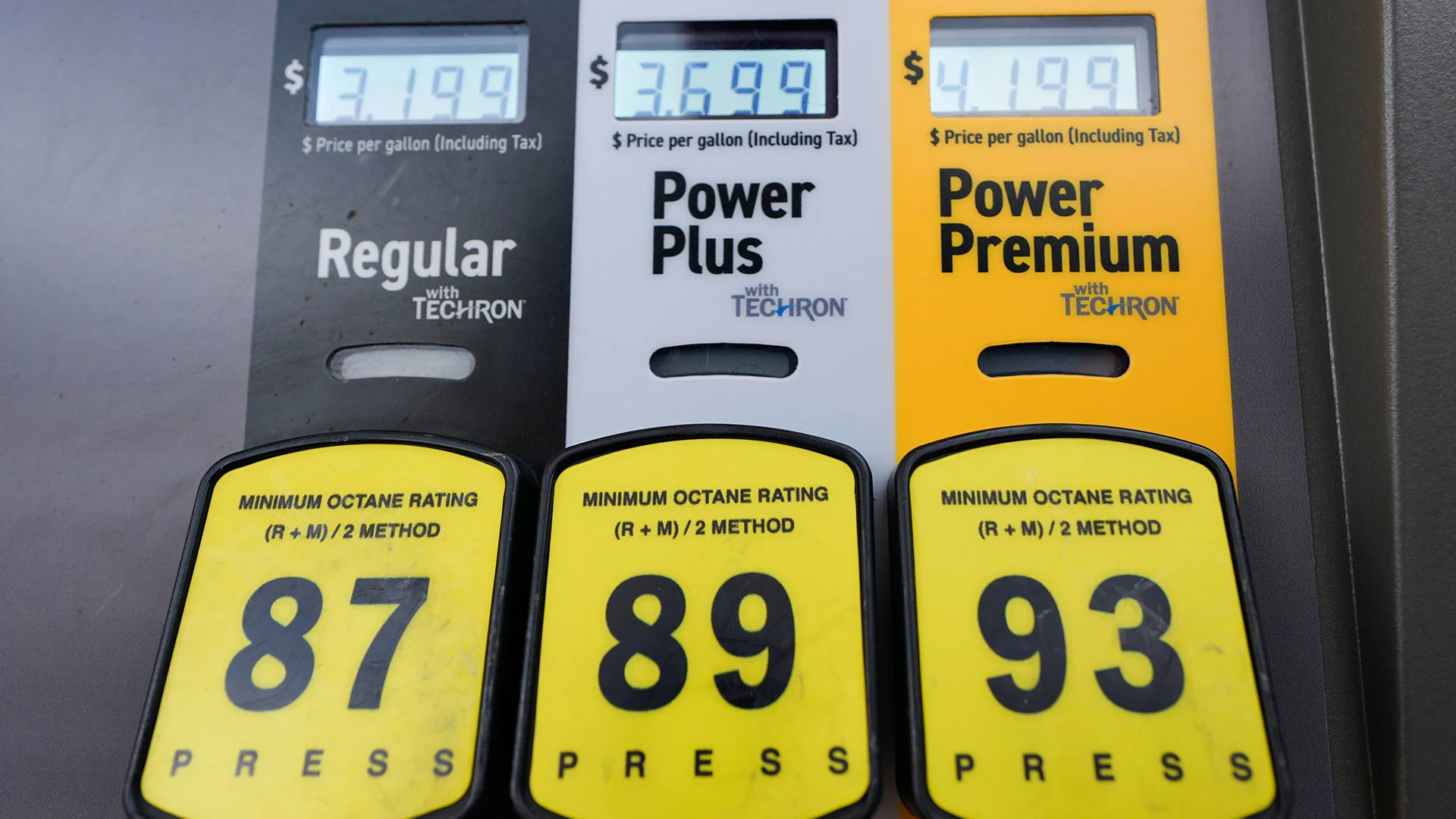
Oil prices exceeded $100 per barrel as U.S.-Israeli military conflict with Iran escalated into its tenth day, triggering global energy market disruptions and supply concerns.
World news
fromThe Washington Post
2 months agoOil prices spike over fears of prolonged conflict; Iran rallies around new leader
Oil prices exceeded $100 per barrel as U.S.-Israeli military conflict with Iran escalated into its tenth day, triggering global energy market disruptions and supply concerns.
fromwww.aljazeera.com
2 months agoAftermath of US-Israeli attacks on Tehran
Iran's representative to the United Nations, Amir Saeid Iravani, said at least 1,348 civilians have been killed. The humanitarian toll continues to mount with more than 17,000 injured in Iran since the US and Israel launched their war on February 28.
World news
World news
fromwww.npr.org
2 months agoIran's supreme leader issues his first statement as war with U.S. and Israel rages
Iran's new Supreme Leader Mojtaba Khamenei issued his first statement as the U.S.-Israeli conflict enters its 13th day, following his father's death in an Israeli strike, while Iran escalates attacks on oil tankers and energy infrastructure.
World news
from24/7 Wall St.
2 months agoSaudi Aramco CEO Warns "Iran war will have 'catastrophic consequences' for global oil market"
A potential Iran-related closure of the Strait of Hormuz, through which 20% of global oil passes daily, could trigger catastrophic oil price increases affecting energy stocks, retirement accounts, and broad index funds.
US news
fromwww.npr.org
2 months agoOil price surges as Iran steps up attacks on ships in the Persian Gulf
Iran-Israel conflict escalates into its 13th day with attacks on commercial shipping, oil infrastructure, and military strikes across the Gulf region, causing oil prices to exceed $100 per barrel.
fromThe New Yorker
2 months agoWhy Iran's Allies Have Yet to Join the War Effort
The Houthis, a Zaydi Shiite Islamist rebel group, which the U.S. has designated as a foreign terrorist organization, are among Iran's most powerful and resilient allies. They are a key part of the so-called Axis of Resistance, an informal Iran-led military coalition in the Middle East. During his speech, al-Houthi suggested that the Houthis were ready to lend military support to Iran: 'We are fully prepared for any necessary developments,' he said.
World politics
Left-wing politics
fromwww.mediaite.com
2 months agoTed Cruz Claims Threat of Terrorist Attack Is Higher Now' After Saying America Is Much, Much Safer' Because of Ayatollah's Killing
Sen. Ted Cruz contradicted himself within 10 days, claiming terrorism risk is at decades-high levels while previously stating Khamenei's death made America much safer.
World news
fromwww.theguardian.com
2 months agoIran escalates attacks on infrastructure and transport networks across the Gulf
Iran escalated attacks on civilian infrastructure and Gulf shipping while US and Israeli forces conducted airstrikes, with Iranian officials warning of prolonged economic disruption through energy supply threats.
World politics
fromwww.aljazeera.com
2 months agoIran declares US-Israeli economic, banking interests in region are targets
The IRGC threatens to attack US and Israeli-linked economic centers and banks in the region, releasing a list of major US tech companies with Israeli operations as legitimate military targets.
World news
fromwww.npr.org
2 months agoOld-school tricks and AI tech are weapons in the Iran war
Israel and the U.S. employed deception tactics, cyber operations, and AI technology in coordinated military operations against Iran, disrupting Iranian communications and sensor networks while using hacked surveillance to locate targets.
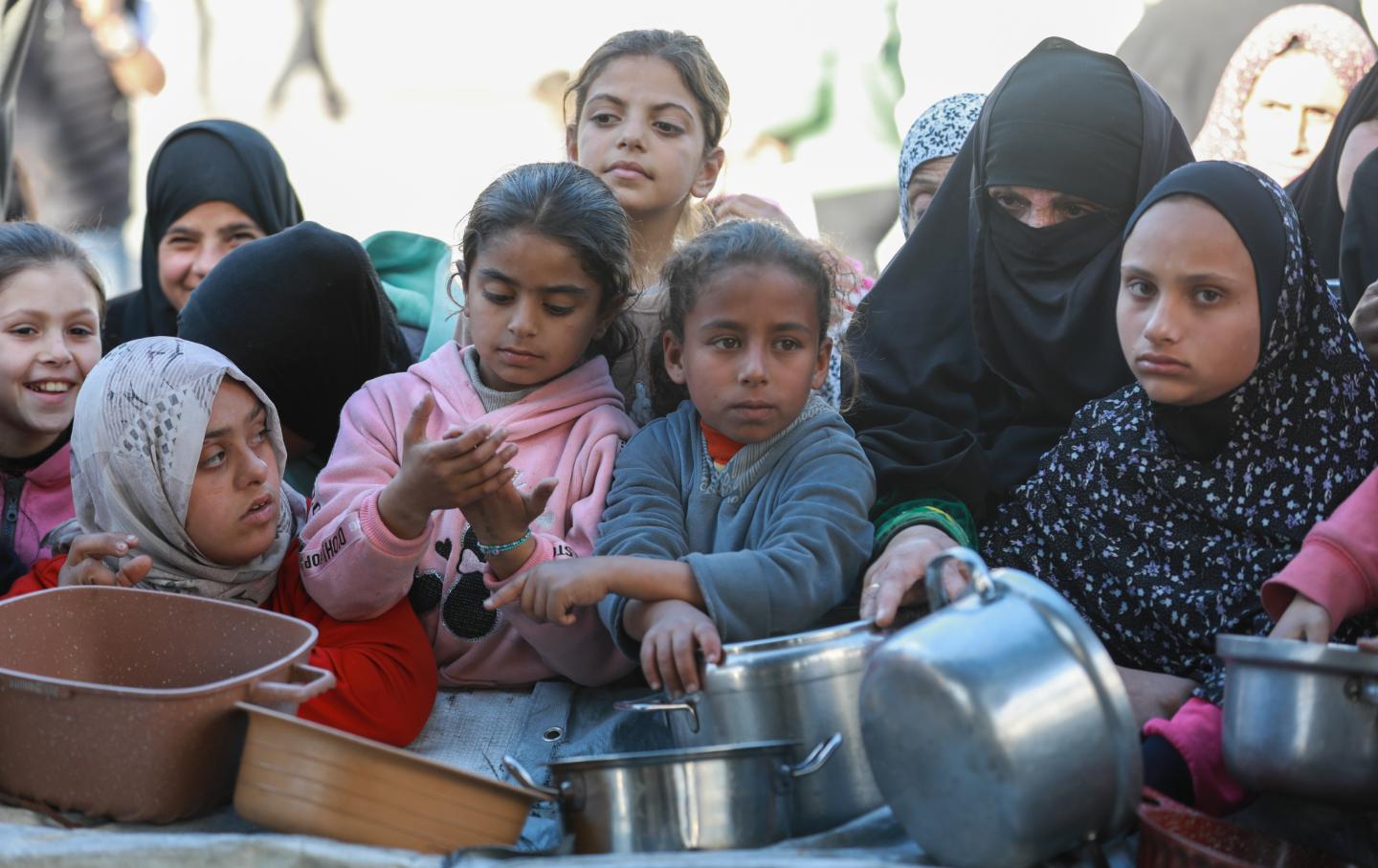
#gaza-humanitarian-crisis

World politics
fromThe Nation
2 months agoThe Iran War Is a Disaster for Gaza
Iran's reduced capacity to support Gaza through Hamas removes a key constraint on Israeli military operations, allowing intensified pressure on an already vulnerable population with minimal governance or humanitarian infrastructure.
World news
fromwww.theguardian.com
2 months agoIran war live updates: Regime issues threat against protesters; US destroyed' mine laying ships near strait of Hormuz
Iran's police chief warns against street protests while security forces patrol; Israel conducts strikes on Iranian military targets; Iran reports over 1,300 civilian deaths and 10,000 civilian sites hit; US destroys Iranian mine-laying vessels near Strait of Hormuz.
fromBusiness Insider
2 months agoBritish Airways is among the airlines slashing flights to the Middle East weeks in advance or more
Thousands of flights were canceled across the region following the US-Israel attack on Iran on February 28 and subsequent retaliatory strikes. While some flights have resumed and many travelers who got stranded in places like Abu Dhabi and Doha have made it out, the travel disruptions are ongoing.
World news
World politics
fromTruthout
2 months agoWorld's Dangerous Reliance on Oil Transforms Fossil Fuels Into Weapons of War
Oil prices exceeded $100 per barrel as U.S.-Israeli military actions against Iran threaten global energy supplies, with Iranian officials blocking Middle East oil exports until bombardment ceases.
France politics
fromwww.theguardian.com
2 months agoHMS Dragon will head to Cyprus in next couple of days, says defence secretary
HMS Dragon will sail within days but may not reach the eastern Mediterranean until after the weekend due to preparation time, facing criticism for slower response compared to French, Greek, and Spanish deployments.
fromwww.aljazeera.com
2 months agoWHO chief raises alarm after Israeli attacks on Iranian oil facilities
Damage to Iranian petroleum facilities risks contaminating food, water and air. Those hazards can have severe health impacts especially on children, older people, and people with pre existing medical conditions.
World news
World news
fromwww.theguardian.com
2 months agoUS and Israel launch strikes across Iran as crowds celebrate new supreme leader
US and Israeli warplanes launched strikes on Iran as the country appointed a new supreme leader amid escalating regional conflict involving missile attacks, drone strikes, and military operations across multiple Middle Eastern countries.
[ Load more ]