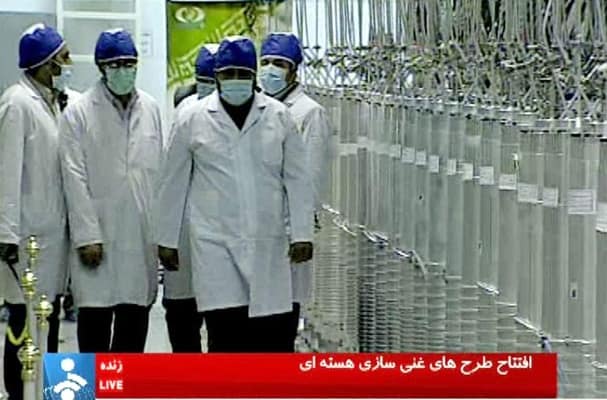
The UN and WHO are developing contingency plans for potential nuclear disasters as tensions escalate between Iran, Israel, and the United States. A projectile struck the Bushehr Nuclear Power Plant grounds, raising fears of radiological incidents despite Iranian denials of damage. WHO regional director Hanan Balkhy warns that a nuclear incident represents the worst-case scenario with irreversible consequences lasting decades. International Atomic Energy Agency head Rafael Mariano Grossi emphasizes that attacks on nuclear facilities must be avoided. Reduced IAEA inspections due to geopolitical tensions limit oversight of Iranian nuclear sites. Experts warn that even limited strikes on nuclear plants could trigger catastrophic radiation leaks, particularly threatening Gulf states dependent on desalination plants for drinking water.
"Worst-case scenario is a nuclear incident. As much as we prepare, there is nothing that can prevent the harm... the consequences are going to last for decades. - Hanan Balkhy, WHO Regional Director, emphasizing the irreversible nature of potential nuclear disasters and the limitations of preparedness measures."
"Any attack on any nuclear facility should always be avoided, highlighting the risk of escalation as fighting escalates. - Rafael Mariano Grossi, IAEA Head, stressing the critical importance of protecting nuclear infrastructure during armed conflicts."
"Experts caution that even a limited strike on a nuclear plant could lead to a radiation leak with catastrophic consequences. An incident in the Persian Gulf would pose an existential threat to Gulf states, many of which depend on desalination plants in the region for their drinking water."
#nuclear-safety #iran-israel-conflict #radiation-risk #international-security #environmental-catastrophe
Read at London Business News | Londonlovesbusiness.com
Unable to calculate read time
Collection
[
|
...
]