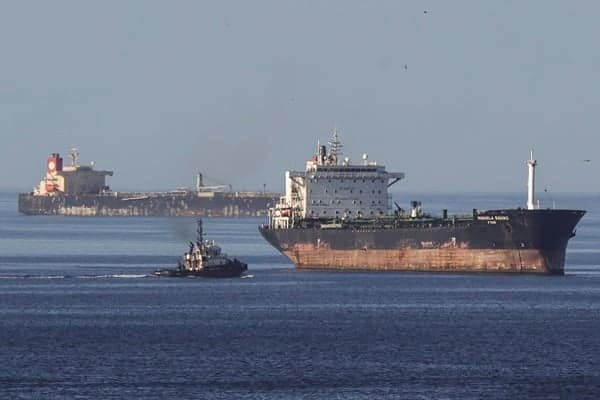
Oil prices stayed elevated due to ongoing disruptions across the Middle East. Persistent tensions, limited diplomatic progress, and constrained traffic through the Strait of Hormuz reinforced expectations that supply pressures could last longer than first anticipated, supporting crude prices. Even with some vessels crossing, overall shipping activity remained well below normal, reducing crude and refined product flows into global markets. This situation could keep pressure on crude stockpiles and increase expectations of further market tightening in the coming weeks without a resolution. Additional supply concerns followed the expiration of U.S. waivers on sanctioned Russian seaborne crude, potentially limiting alternative supply while Gulf flows remain constrained. Oil markets are expected to remain driven by geopolitical developments and shipping conditions, with any diplomatic breakthrough easing pressure, though restoring normal maritime activity is likely gradual.
"Looking ahead, oil markets are likely to remain driven by geopolitical developments and the evolution of shipping conditions in the Middle East. A meaningful diplomatic breakthrough could ease some pressure on prices. However, restoring normal supply chains and maritime activity is likely to be a gradual process, potentially keeping the market in a tighter-than-usual environment for an extended period."
#oil-prices #middle-east-geopolitics #strait-of-hormuz-shipping #supply-constraints #russian-sanctions
Read at London Business News | Londonlovesbusiness.com
Unable to calculate read time
Collection
[
|
...
]