#michael-aswell
#michael-aswell
[ follow ]
#art #art-exhibition #new-york-city #brooklyn #contemporary-art #art-exhibitions #art-fairs #public-art


fromDesign Milk
3 days agoSabah House NYC Pays Homage To Set + Setting
Sabahs are made entirely by hand from 100% leather in either Texas or Turkey—two regions with distinct yet deeply rooted relationships to the material. The result is a shoe that varies subtly from pair to pair, even within the same size.
Brooklyn

fromOregon ArtsWatch * Arts & Culture News
3 days agoTom Prochaska: Through the Open Door * Oregon ArtsWatch
Tom Prochaska distinguished himself in many mediums: He was a masterful printmaker, an intuitive painter, a builder of papier-mâché figures, a creator of fused glass panels, and graphite-on-paper drawings.
Arts

fromHyperallergic
4 days agoMoMA PS1's "Greater New York" Is Gritty, Stunning, and Gutting
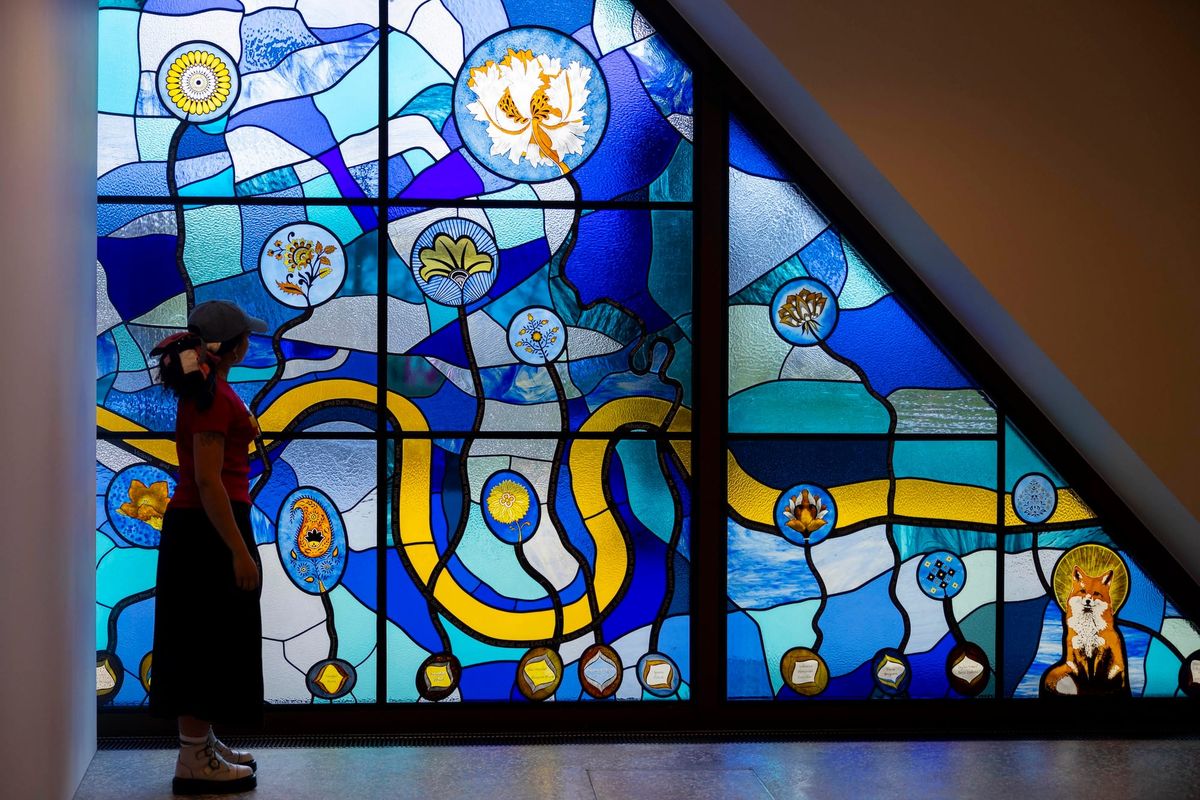
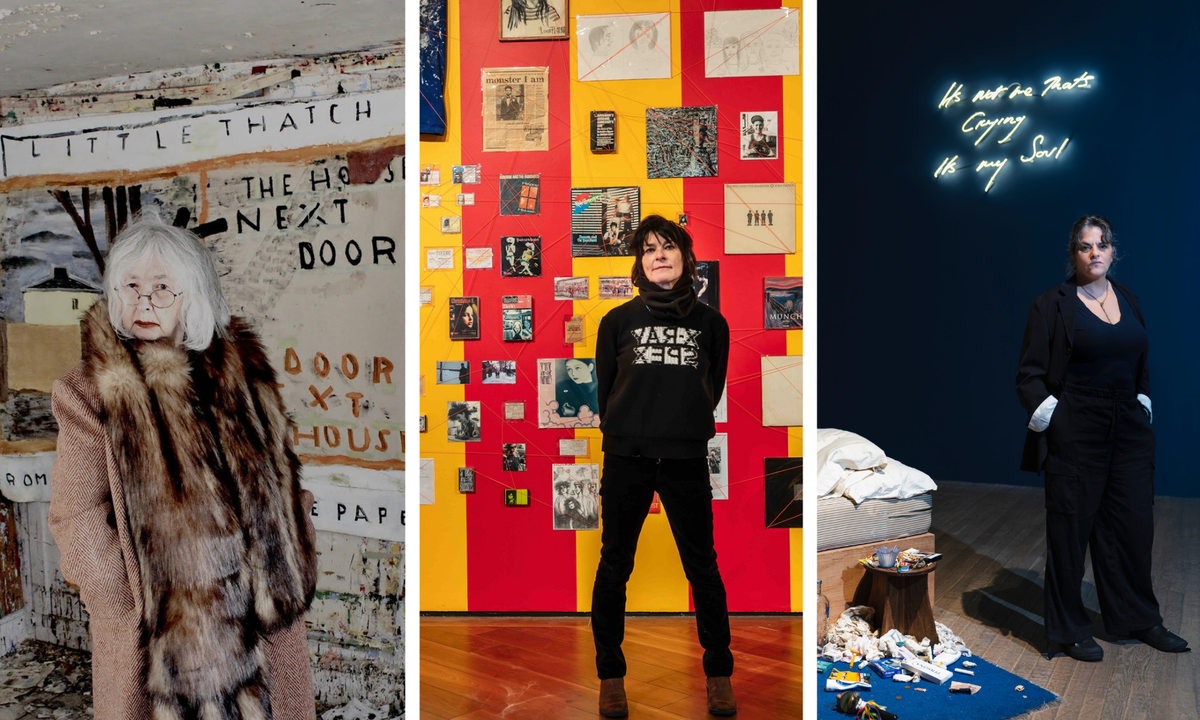
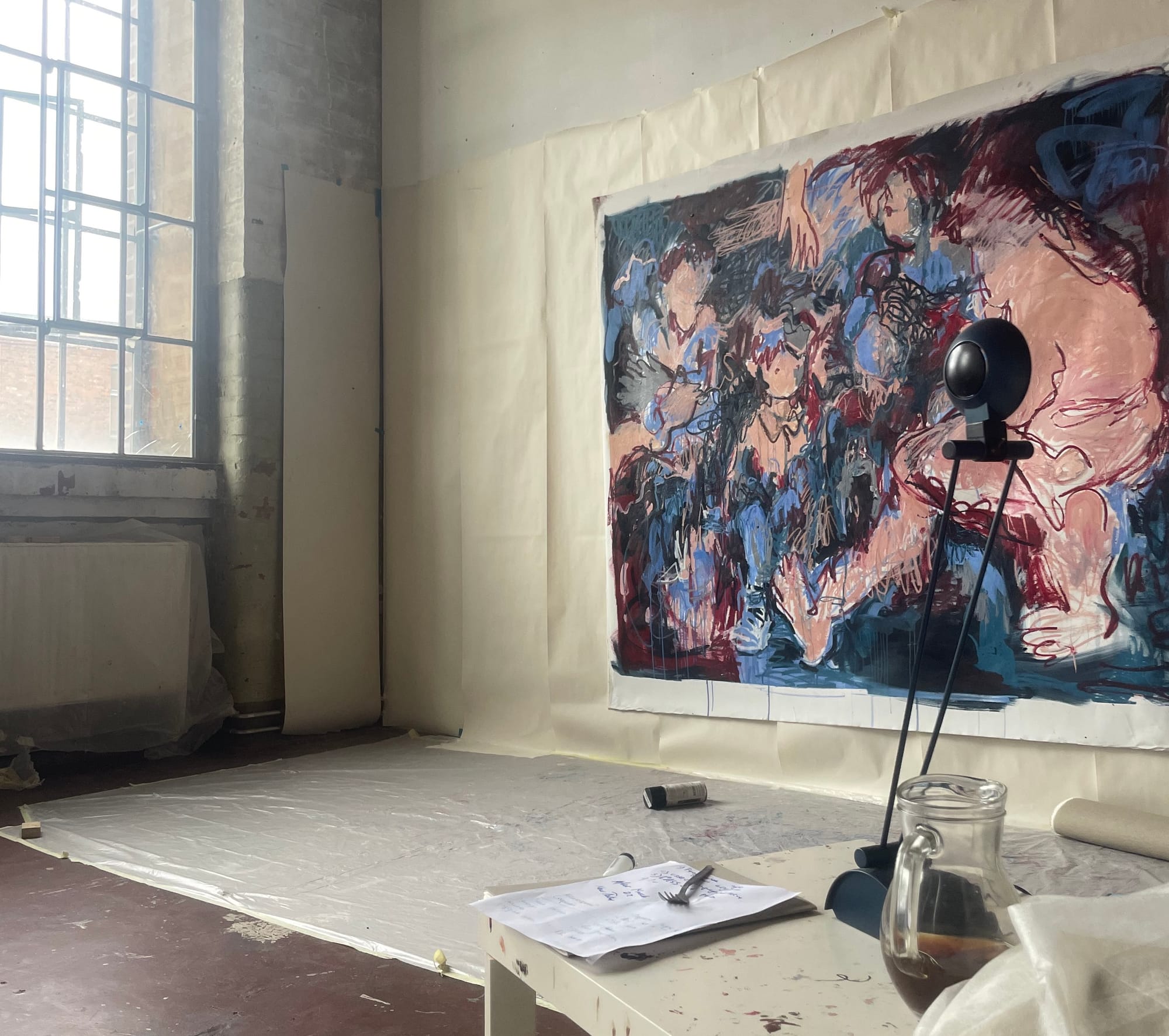
The curators of Greater New York really captured the energy of the city well - not the out-of-towner's New York with its glossy surfaces, brands, and trendy fare, but the gritty New York that's always in the process of formation, that rejects surface in favor of rawness.
Arts
fromArtnet News
6 days agoPainting Has Entered Its Performance Era | Artnet News
Much of Instagram's video content is organized around transformation-the virtual magic of the before-and-after and clips that show cause and effect. A person makes pasta from scratch in 20 seconds via edits that compress time-intensive labor.
Arts
Arts
fromdesignboom | architecture & design magazine
6 days agoactivated space: allan kaprow's happenings and their afterlife in immersive environments
Allan Kaprow's 'happening' redefines art as an event involving space, body, and instructions, emphasizing active participation over passive observation.
fromCurbed
2 months agoAlexander Wang's Next Project: A Chinatown Art Space
Last summer, Alexander Wang bought the Beaux-Arts HSBC bank on Bowery and Canal for $9.5 million in cash. At the time, the fashion designer declined to say what he was planning to do with the domed 1924 landmark, which HSBC had shuttered a few years earlier. Now, Wang and his mother Ying - one of the co-trustees on the deed - have announced that they will be opening an Asian American cultural center, Wang Contemporary, in the 17,600-square-foot space at 58 Bowery.
Fashion & style
fromArtforum
2 months agoCommercial Break
AT FIRST GLANCE, the phrase "avant-garde advertising" might seem like a contradiction in terms: The avant-garde is assumed to be inherently anti-capitalist and the realm of advertising crassly commercial. But the involvement of avant-garde artists with advertising is in fact rich, complex, and long-standing, encompassing a full century of collaborations, critiques, and reworkings of all sorts. That entanglement-in all its diversity-is the topic
Film

fromThe Art Newspaper - International art news and events
4 days agoArtist interview: Sarah Rosalena
I see myself first and foremost as a weaver working at the intersection of craft and technology. As an Angeleno, I grew up learning how to weave in the Wixárika tradition of my matriarchal bloodline by watching my mother and my grandmother.
Arts
Arts
fromThe Art Newspaper - International art news and events
6 days ago'It was my job to create the view': US artist Liza Lou on making colourful works in her windowless warehouse
Liza Lou's artistic journey emphasizes the significance of color and materiality in her work, blending oil painting with glass beads.
fromHyperallergic
1 month agoWhat Do We Really Think of the New New Museum?
The new New Museum is many things: contemporary, perhaps, but also a science, history, anthropology, and many other museums in one. It echoes the desire of its patron class to own the world and its affiliated courtier class to deliver it to them on a silver platter, or encased in perforated metal, in this case.
Arts
fromHyperallergic
1 month agoEmbracing Friction in the Art World
On Franklin Street in Brooklyn's Greenpoint neighborhood, one non-commercial gallery fosters 'a small, stubbornly human space for friction.' Friction—the ubiquitous buzzword that captures the simultaneous delight and discomfort of doing things the slow way—is at the heart of artists Pap Souleye Fall and Char Jeré's current show at Subtitled NYC. It also reflects the overall spirit of this little exhibition space and of a burgeoning movement to reject our culture of optimization in favor of a bumpier, more intimate, less alienating experience.
Arts
fromHyperallergic
2 months agoA View From the Easel
I work outside, carving and shaping the stone. Outside my house, I have a table, an extension cord, and tools. It's very cold and I have to wear all my winter clothes. When it's too cold, I do the filing and finishing work inside after I shape it outside. I listen to all kinds of music. I listen to Eminem all the time; his albums are all my favorites. For drawings, I work at Kinngait Studios or at home on my kitchen table.
Arts
fromHyperallergic
2 months agoA View From the Easel
Mornings are best for concentrated work. In the winter, I turn on the heat at 8am and get started around 10am. Summer, I start around 9am. I have two areas in the studio for projects. The large, heavy wood sculptures are carved in the front section of the studio, closest to the roll-up wide door. Smaller sculptures are placed on a hydraulic workbench. Before I start, I focus, connect with the Source, and ask for guidance.
Arts
[ Load more ]