#lifetime-pass
#lifetime-pass
[ follow ]
#youtube-premium #instagram #meta #social-media #subscription #subscription-service #creator-monetization

fromConde Nast Traveler
1 day agoThe Hotel Rewards Program You Probably Don't Know About-And That's Free to Join
The I Prefer Hotel Rewards program offers members exclusive perks for staying at their portfolio of properties, including points on eligible stays that can be redeemed for discounts or free nights.
Travel
#youtube-premium
Digital life
fromZDNET
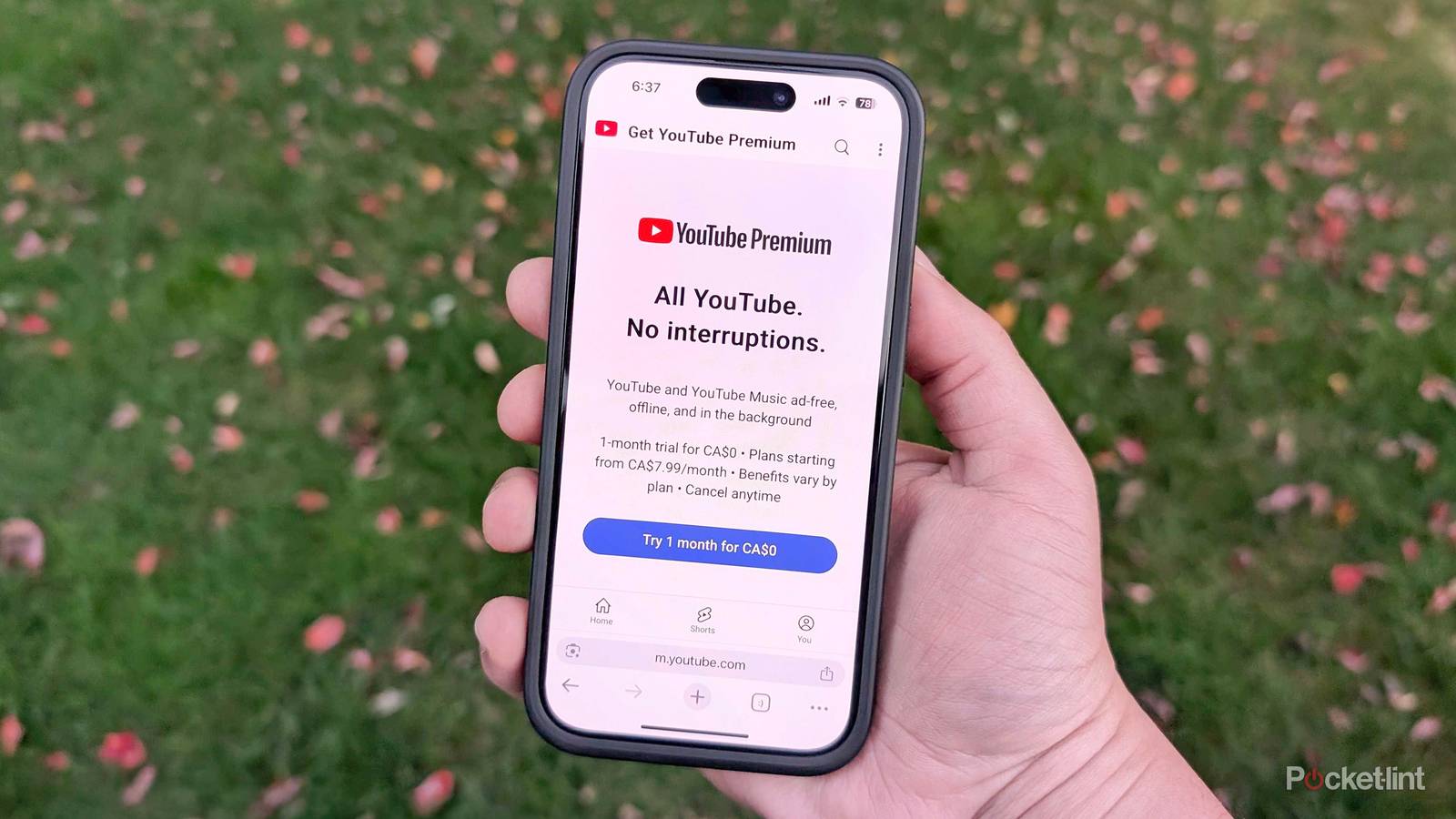
1 month agoYouTube Premium vs. YouTube Premium Lite: Are the upgrades worth the $6 difference?
YouTube Premium ($14/month) offers ad-free viewing and YouTube Music bundling, while YouTube Premium Lite provides limited ads and picture-in-picture at lower cost for budget-conscious users.
Digital life
fromZDNET
1 month agoYouTube Premium vs. YouTube Premium Lite: Are the upgrades worth the $6 difference?
YouTube Premium ($14/month) offers ad-free viewing and YouTube Music bundling, while YouTube Premium Lite provides limited ads and picture-in-picture at lower cost for budget-conscious users.



Online marketing
fromSitePoint Forums | Web Development & Design Community
1 month agoBeen quietly charging clients $100/mo for something that costs me almost nothing and I'm surprised more devs aren't doing this
A 20-year-old web developer monetizes post-launch client support by offering AI-powered call handling and inquiry management as a €100/month recurring service to 32 clients.
fromDigiday
1 month agoFrom rented audiences to engaged communities: Why participation is the new moat for publishers
Social platforms promised reach, scale and frictionless distribution. In exchange, publishers ceded control of audience relationships, data and, ultimately, trust. Today, that bargain is not working. Social media is imperfect. Feeds are flooded with bots, synthetic engagement, misinformation and bad actors operating under inconsistent or nonexistent moderation standards.
Media industry

fromTNW | Insights
2 months agoThe rise of the always-on economy: subscriptions beyond streaming
Despite how modern it seems to be, the truth is that the subscription economy has been around for some time, surprisingly dating back to around 1800, with the first magazine subscriptions, or the subscriptions for fresh British milk, around 1860. Over the years, the of subscription-based companies has turned the subscription model into an ideal business strategy since it provides unique benefits. In the same way, the adoption of this model across multiple industries has led to negative repercussions for the general public.
Business
fromThe Verge
2 months agoHP's laptop subscriptions are a great deal - for HP
There's been some hullabaloo over HP's laptop subscription service, recently brought to light by a Linus Tech Tips video. And for good reason: it feels like everything is a subscription these days. But it's not just the dystopian feeling that companies are happy to sell you access to movies, music, games, phones, printers, and now even laptops without you actually owning them. HP's subscriptions for its consumer and gaming laptop lines are just a bad deal.
Gadgets
fromFast Company
2 months agoHow discounting hurts long-term loyalty and profits
Discounting has been part of retail's toolkit for decades, and it can be effective, especially during high-stakes shopping seasons. But as promotions become more frequent across the industry, companies are taking a closer look at the downside: Short-term sales gains don't always come with long-term loyalty or durable margins, and customers remember how a brand made them feel far more than what they saved at checkout.
Marketing
Artificial intelligence
fromTechCrunch
2 months agoMeta to test premium subscriptions on Instagram, Facebook, and WhatsApp | TechCrunch
Meta will test paid subscriptions on Instagram, Facebook, and WhatsApp offering exclusive features and expanded AI capabilities, including scaled Manus integration and Vibes freemium.

[ Load more ]