#legal-rulings
#legal-rulings
[ follow ]
#transgender-rights


Social justice
fromPinkNews | Latest lesbian, gay, bi and trans news | LGBTQ+ news
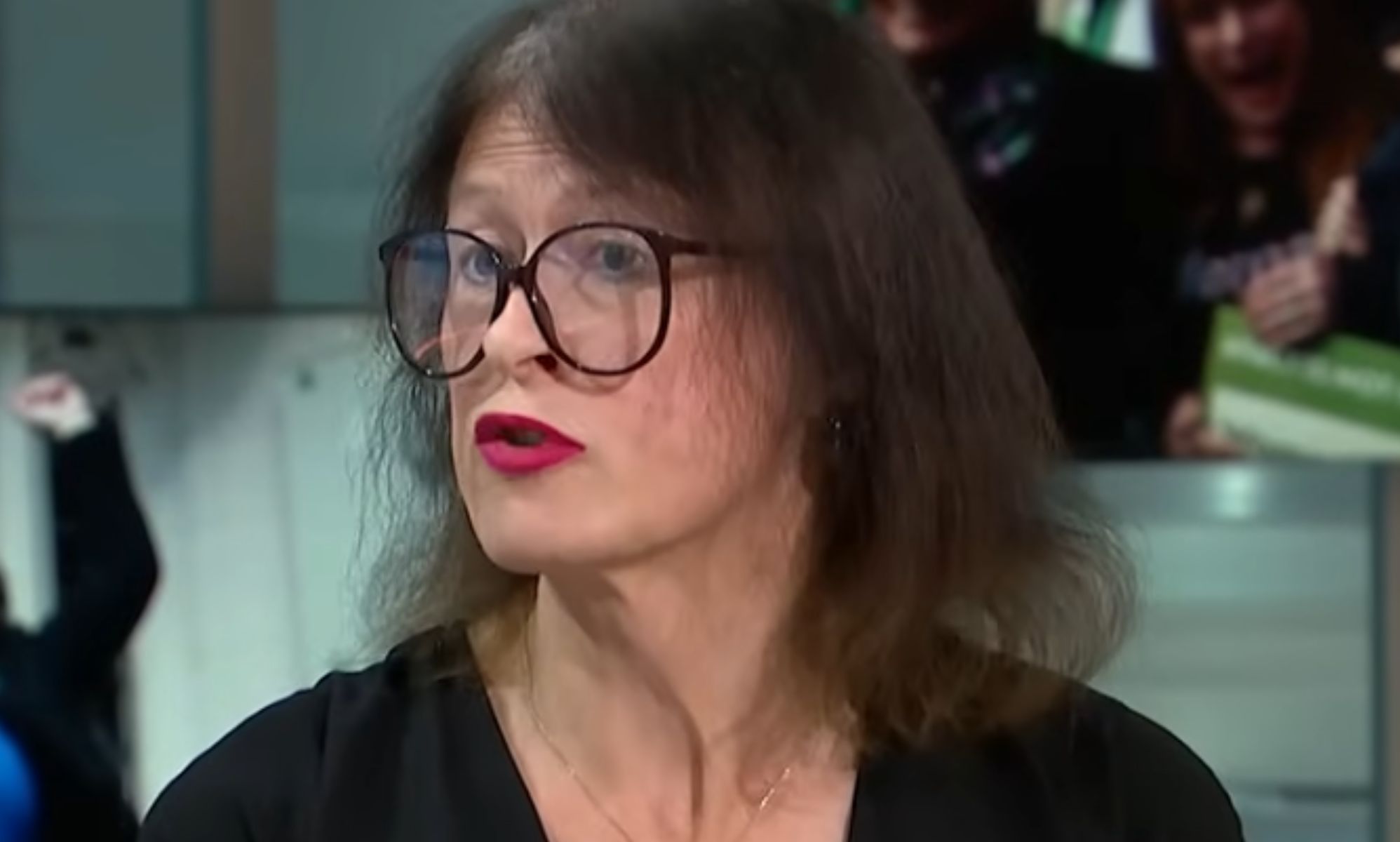
10 months agoRetired judge calls for international review into UK's trans rights rollback
Dr. Victoria McCloud demands an investigation into the systemic oppression of trans people in the UK.
Cultural genocide against trans identities is a pressing concern for UK society.

fromStreetsblog New York City
3 weeks agoTuesday's Headlines: Cops Are Doing It Wrong Edition - Streetsblog New York City
A state judge has ruled that every red-light ticket written to a cyclist under the state's vehicle and traffic law since 2019 is bogus. The city legalized the practice of biking through a red light on a pedestrian 'walk' signal, yet NYPD cops have been wrongly writing tickets for cyclists who go through the 'red' on the walk signal.
New York City
#copyright
fromIPWatchdog.com | Patents & Intellectual Property Law
1 month agoIntellectual property law
Other Barks & Bites for Friday, April 10: DISH Wins Copyright Appeal Over Arabic TV Retransmissions; Fifth Circuit Awards Google Transfer on Mandamus; and Third Circuit Says Online Publication of Copyrighted Building Codes is Transformative



Intellectual property law
fromIPWatchdog.com | Patents & Intellectual Property Law
1 month agoOther Barks & Bites for Friday, April 10: DISH Wins Copyright Appeal Over Arabic TV Retransmissions; Fifth Circuit Awards Google Transfer on Mandamus; and Third Circuit Says Online Publication of Copyrighted Building Codes is Transformative
The article covers significant legal developments in copyright and patent issues, including court rulings and corporate partnerships in the AI sector.


Intellectual property law
fromSilicon Canals
1 month agoCourt blocks Pentagon's Anthropic blacklisting, finds Trump administration's 'kill switch' claim had no evidence - Silicon Canals
A federal judge temporarily blocked the Pentagon from designating Anthropic as a supply chain risk, citing violations of legal procedures and First Amendment rights.

Film
fromwww.mercurynews.com
2 months agoToday in History: March 7, Kathryn Bigelow is first woman to win Best Director Oscar
March 7 marks significant historical events including Kathryn Bigelow's first female Best Director Oscar win, Bell's telephone patent, Hitler's Rhineland invasion, Bloody Sunday civil rights march, Senate filibuster rule changes, fair use copyright ruling, and Hannah Gutierrez-Reed's manslaughter conviction.
fromwww.mercurynews.com
2 months agoToday in History: February 17, Danica Patrick wins Daytona 500 pole
Today is Tuesday, Feb. 17, the 48th day of 2026. There are 317 days left in the year. Today in history: On Feb. 17, 2013, Danica Patrick won the Daytona 500 pole, becoming the first woman to secure the top spot for any Sprint Cup race. Also on this date: In 1801, the U.S. House of Representatives broke an electoral tie between Thomas Jefferson and Aaron Burr, electing Jefferson president; Burr became vice president.
World news




fromwww.eastbaytimes.com
5 months agoJames Comey and Letitia James indictments are dismissed
A federal judge has dismissed the criminal cases against former FBI Director James Comey and New York Attorney General Letitia James, concluding that the prosecutor who brought the charges at President Donald Trump's urging was illegally appointed by the Justice Department. The rulings from U.S. District Cameron McGowan Currie amount to a stunning rebuke of the Trump administration's efforts to target Trump's political opponents as well as its legal maneuvering to hastily install a loyalist prosecutor willing to file the cases.
US politics
US politics
fromFast Company
5 months ago'Remove the Regime': November 22 protests call for Trump impeachment in Washington, D.C. Here's what to know
Protesters demand removal of Trump and end to National Guard deployment in Washington, D.C., calling the deployment unlawful, politically motivated, and a presidential overreach.
fromFortune
6 months agoSNAP states' rights: Some people can buy groceries with federal funding and others are still waiting | Fortune
People in some U.S. states will be able to buy groceries with federally funded SNAP benefits Saturday while those in other states were still waiting for November food benefits that had been delayed by a protracted legal battle over the federal government shutdown. The Trump administration initially said last month that it would not fund Supplemental Nutrition Assistance Program benefits for November because of the U.S. government shutdown.
US politics
fromIPWatchdog.com | Patents & Intellectual Property Law
8 months agoCAFC Vacates Non-Infringement Ruling for Apple Due to District Court Error in Striking Expert Opinion
"The court's interpretation of Rule 3.1(c) as including an unwritten 'how' requirement was arbitrary and improperly reads in a requirement that has no support in the plain language of the rule."
Intellectual property law
fromABC7 Los Angeles
9 months agoJudge blocks 4 districts from enforcing Arkansas law requiring Ten Commandments in classroom
"Why would Arkansas pass an obviously unconstitutional law? Most likely because the state is part of a coordinated strategy among several states to inject Christian religious doctrine into public-school classrooms."
US politics


fromInside Higher Ed | Higher Education News, Events and Jobs
10 months agoResearchers "Cautiously Optimistic" NIH Will Restore Grants
"Since the ruling, we are really encouraged. But we haven't heard anything from the NIH about our grants being reinstated, and we don't have a window into what that process looks like."
Public health
fromwww.nytimes.com
11 months agoImmigrant Who Prosecutors Say Was Framed for Threat Can Be Freed, Judge Says
Even after Milwaukee County prosecutors filed identity theft and witness intimidation charges last week against the other man, Demetric D. Scott, a lifelong resident of Wisconsin, the Department of Homeland Security left online a news release accusing Mr. Morales Reyes of making the threats.
US news

fromAbove the Law
11 months agoWingnut Texas Judge Overrules SCOTUS Trans Decision Because YOLO - Above the Law
"The Guidance states that it does not attempt to impose new legal obligations on employers with respect to any aspect of workplace harassment law, including gender identity discrimination..."
LGBT
[ Load more ]