#honma-collaboration
#honma-collaboration
[ follow ]
#craftsmanship #sustainable-design #design #fashion #furniture-design #interior-design #milan-design-week

fromChrbutler
1 week agoCraft is Untouchable - Christopher Butler
Craft is often defined as skill in making things by hand, but this interpretation is being challenged by AI. Craft transcends physical interaction; historical figures like Mozart and Beethoven exemplify mastery without traditional methods.
Intellectual property law
fromwww.kaltblut-magazine.com
3 weeks agoCraftsmanship Redefined: HANRO Atelier Celebrates Heritage Through Artistry
Stephan Hohmann articulates, "As a traditional brand with a strong identity, we are constantly navigating between authenticity and relevance. We seek dialogue with individuals who share our values to reinterpret them in innovative ways."
Fashion & style
fromYanko Design - Modern Industrial Design News
1 month agoCasio's special edition calculator handcrafted using traditional Japanese lacquering technique - Yanko Design
The S100X Urushi Edition, also known as The Special One, is a limited edition desktop calculator designed using a century-old Japanese Urushi lacquer technique.
Gadgets
#furniture-design
Design
fromYanko Design - Modern Industrial Design News
1 month agoA Chair Shaped by the Soft Curves of a Classic British Scally Cap - Yanko Design
The Scally Chair translates the familiar form of a British scally cap into furniture through subtle design details that create comfort and character without literal representation.
fromDesign Milk
1 month agoKelly Wearstler Launches Indian Craft-Inspired Furniture Collection
Our role is, first and foremost, to transmit our fascination with a craft and to ignite that same excitement in the designer. This is the foundation of our curatorial approach: creating the right encounter between a designer's universe and that of a workshop.
Arts
fromwww.archdaily.com
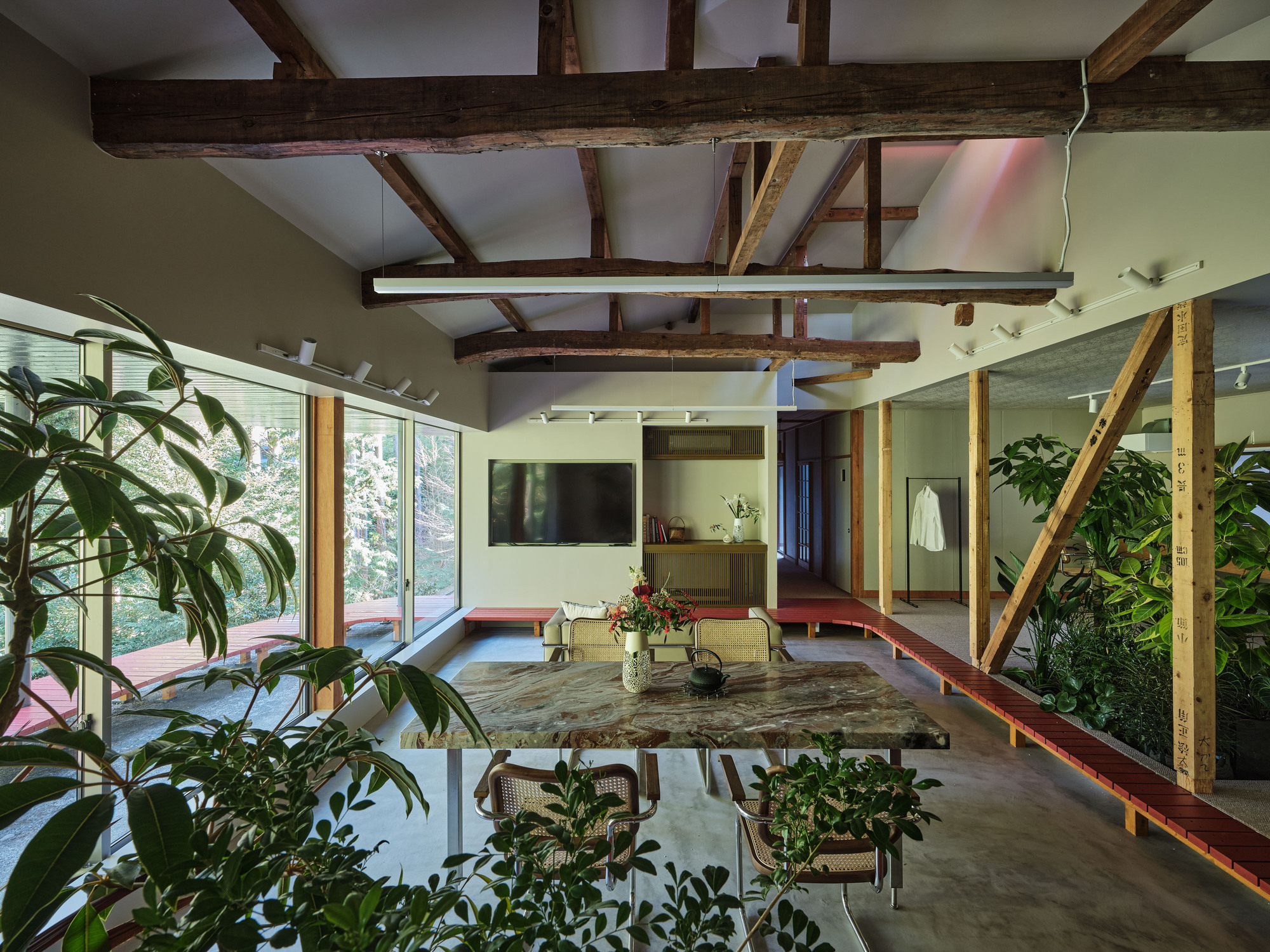
1 month agoHouse in Tamba / MIDW
The site lies in a small mountain town. Along its northern edge, a natural slope carved out during land development remains exposed, now overgrown with wild vegetation and supporting a modest ecosystem. Subtle shifts in the site's topography suggest a faint continuity with the distant fields and village landscape.
Renovation
fromYanko Design - Modern Industrial Design News
4 weeks agoBeams Just Turned the $120 Timex Camper Into a Ring Watch - Yanko Design
The Beams Boy x Timex Original Camper Ring Watch draws its lineage from two points in history: the 1920s tradition of converting women's timepieces into jewelry, and the 1990s ring watch trend that briefly made a cult appearance before fading out again.
Wearables
Design
fromdesignboom | architecture & design magazine
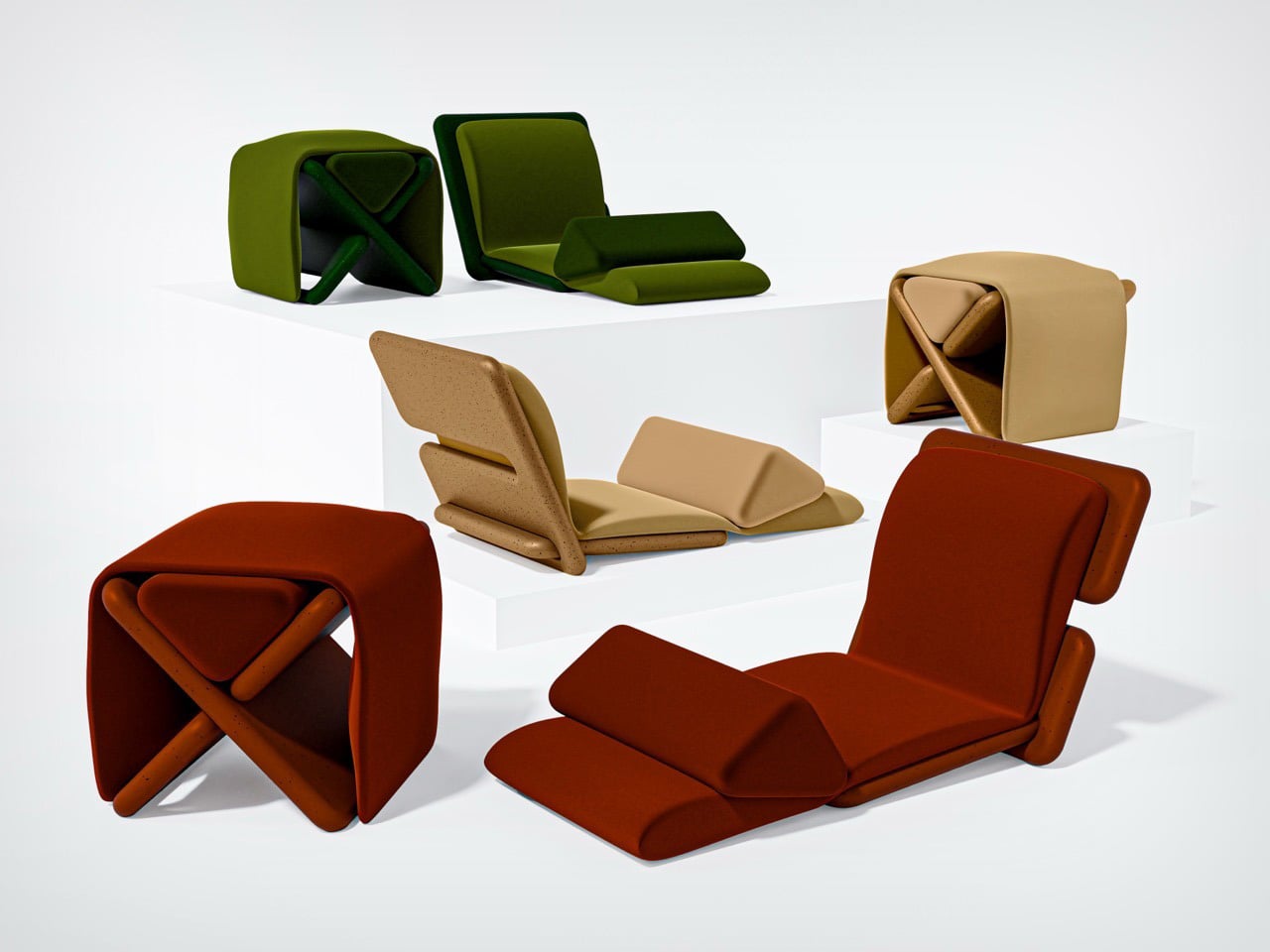
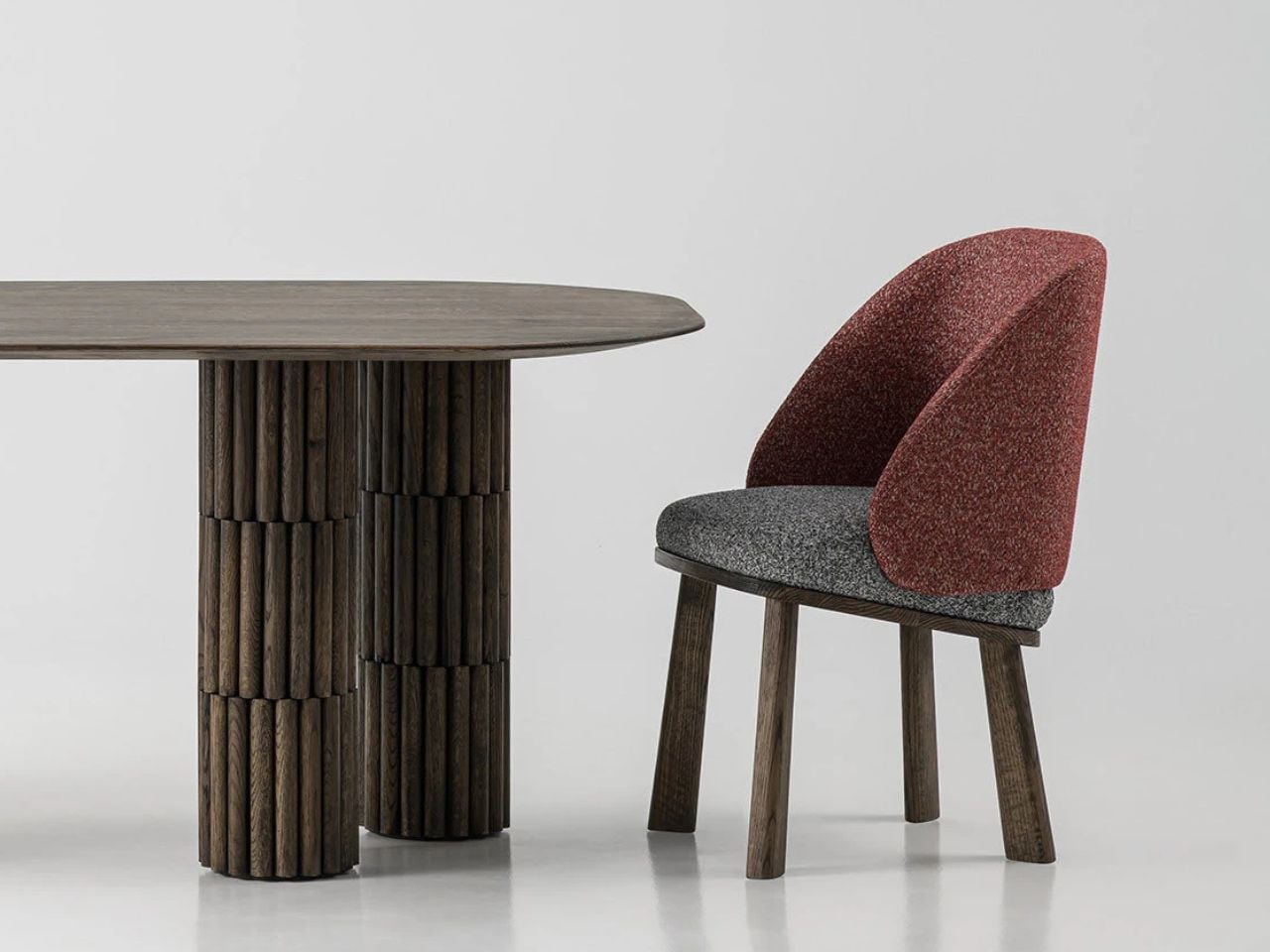
1 week agoupholstery and solid wood craftsmanship converge in the nila lounge collection
Nila lounge series combines woodworking expertise and advanced upholstery for a contemporary collection that emphasizes structural clarity and ergonomic comfort.
Typography
fromYanko Design - Modern Industrial Design News
1 month ago8 Best Japanese Stationery Finds So Clever You'll Question Why the Rest of the World Even Bothers - Yanko Design
Japanese stationery applies precision engineering to everyday writing tools, solving friction points others accept as normal through thoughtful design details.
Renovation
fromYanko Design - Modern Industrial Design News
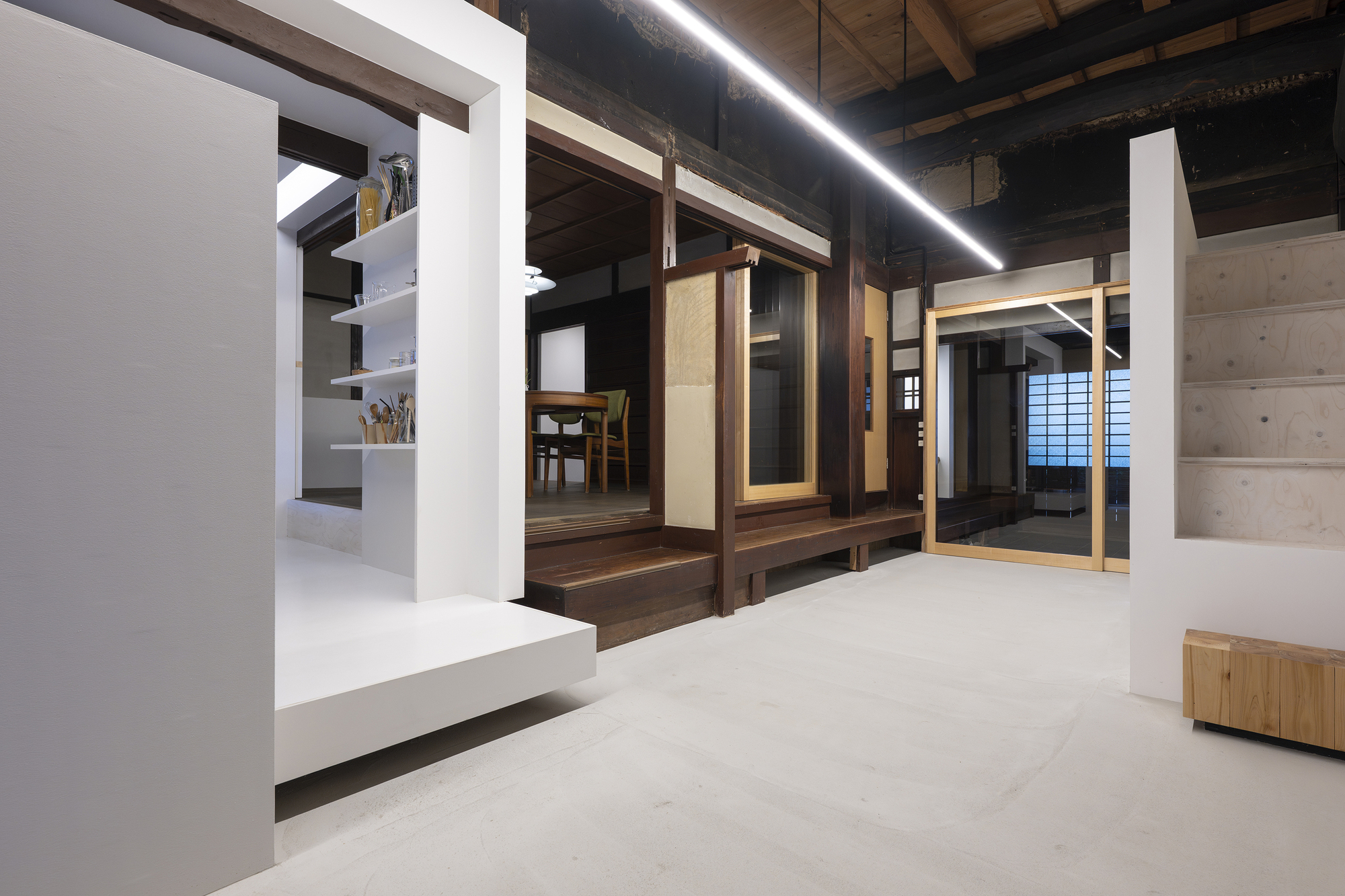
1 month agoThis Crumbling Kyoto Home Was Rebuilt as a Wabi-Sabi Sanctuary - and Every Detail Is Intentional - Yanko Design
A Kyoto renovation restores a traditional Sukiya residence by removing decades of alterations, creating livable spaces that honor historical principles while serving contemporary needs.

Fashion & style
fromFast Company
1 month agoHiroshi Fujiwara on his latest Nike collab: 'I don't like to explain what I'm doing'
Hiroshi Fujiwara collaborates with Nike on three new shoes using subtle design details and black colorways, preferring understated aesthetics over overt branding in streetwear design.
Wearables
fromYanko Design - Modern Industrial Design News
1 month agoBalmuda and Jony Ive's Firm Built a $373 Clock With No Hands - Yanko Design
Balmuda's The Clock solves bedside phone distraction by using illuminated time display and ambient sounds, eliminating the need to reach for your phone upon waking.
Cooking
fromYanko Design - Modern Industrial Design News
1 month ago7 Best Japanese Kitchen Gadgets & Tools So Clever They Make Every Meal Feel Like a Ceremony - Yanko Design
Japanese kitchenware prioritizes single-purpose precision and minimalist design over multifunctionality, with tools refined through centuries of regional manufacturing expertise that create superior cooking performance.
fromThe Verge
1 month agoCasio's new $600 calculator is a work of art
Casio's response to that question is its new S100X featuring a traditional Japanese hand-painted finish using sap from the lacquer tree, giving the calculator a glossy black finish with warm red highlights around the edges. It somehow looks even more luxurious than if Casio had simply gold-plated the S100X.
Wearables
fromLondon Business News | Londonlovesbusiness.com
1 month agoThe best solid wood furniture brands in the UK (2026): Expert reviews and buying guide - London Business News | Londonlovesbusiness.com
Off the Grain works out of Halifax in West Yorkshire, handcrafting every piece to order. Forget flat-pack or particleboard - here, it's all about real materials and genuine expertise. Skilled craftspeople cut, join, and finish each item by hand. You can pick your dimensions, wood, and finish, so the final piece fits your space instead of the other way around.
Real estate
fromPsychology Today
2 months agoKintsugi: The Japanese Art of Being Remade
Kintsugi 金継ぎ is known as the Japanese art of putting broken things back together, like broken pottery, using materials mixed with powdered gold and other elements. Instead of hiding damage, this technique celebrates the restoration of an object once viewed as broken, flawed, or imperfect. This same process can be seen as a metaphor for addiction recovery. Even for people with addiction who willingly choose recovery, there's an element of being remade that can't be ignored. Addicts often go through a period of denial.
Mental health
Gadgets
fromYanko Design - Modern Industrial Design News
2 months agoPilot Just Turned a 400-Year-Old Japanese Craft Into Living Art - Yanko Design
Arita porcelain vases coated with Pilot's thermochromic ink reveal a celadon glaze when heated, creating unique, time-based color transformations that return as they cool.
fromColossal
2 months agoIn Collaboration with Indigenous Artisans Around the World, PET Lamp Emphasizes Sustainability
Tons upon tons of these single-use plastics end up in landfills or even floating in the ocean. Spanish design firm PET Lamp set out give another purpose to these otherwise short-lived materials. Partnering with artisans in communities from Chile to Ethiopia to Australia, the company celebrates both Indigeneity and sustainability, drawing upon time-honored global craft traditions while supporting local economies and recycling discarded materials.
Arts
fromYanko Design - Modern Industrial Design News
1 month agoTop 5 Japanese Kitchen Knives Under $200 That Professional Chefs Use at Home - Not the Ones They Recommend for Commission - Yanko Design
Most knife recommendations come with a quiet asterisk. A brand deal, a commission link, a product sent to a chef's PO box before the review goes live. What gets left out of that conversation is what the same chef keeps in the drawer at home - the blade they reach for on a Sunday morning when nobody is filming.
Cooking
Gadgets
fromYanko Design - Modern Industrial Design News
2 months ago8 Best Japanese Kitchen Gadgets & Tools That Make Cooking Feel Zen - Yanko Design
Japanese kitchen design prioritizes minimalist, intentional tools that transform cooking into a deliberate, satisfying ritual through refined form, material, and function.
Arts
fromLondon Business News | Londonlovesbusiness.com
2 months agoWhere horsepower meets high art: A luxe automotive exhibition in the UK - London Business News | Londonlovesbusiness.com
Fancy car artsy exhibitions present luxury cars as artworks, emphasizing form, narrative, and immersive design over status and price.
fromDesign Milk
2 months agoMovie Magic: The Lumina Sideboard from YOMEI and LEICA
Enter the Lumina Sideboard from German furniture brand YOMEI and Leica Camera AG, crafted specifically for the Leica Cine 1. This Bauhaus-inspired solution offers brilliant color and sound, without the permanent fixture of a black screen staring back, a void usually occupying the focal point of the room when not in use. With the Lumina Sideboard, each piece of the puzzle fits together neatly, minimizing pain points of the TV experience, all while gifting this container for culture a sleek aesthetic.
Gadgets
Design
fromYanko Design - Modern Industrial Design News
1 month ago8 Best Japanese Spring Home Upgrades That Make Tiny Rooms Feel Like a Wabi-Sabi Sanctuary - Yanko Design
Japanese design philosophy emphasizes deliberate minimalism where less means intentional rather than empty, achieved through functional objects rooted in craft traditions and spatial intelligence.
fromBustle
2 months ago55 Bougie Things That Are Actually So Useful & Genius
When it comes to your wardrobe, it can be easy to define "bougie" as a piece of clothing that looks or feels expensive - and while the items on this list check those boxes, they're also so clever, you'll wonder how you ever did without them. Scroll on to shop for chic loungewear with extra functional features; trendy and practical fits for both day and night; and accessories that solve all sorts of fashion-related dilemmas.
Fashion & style
Gadgets
fromdesignboom | architecture & design magazine
1 month agoastronomy-inspired watch by ressence and terumasa ikeda has dials that move like planets
Ressence and Japanese artist Terumasa Ikeda created the TYPE 9 IKE watch with rotating dials displaying time like planetary orbits, combining traditional urushi lacquer and raden shell inlay techniques with innovative ROCS timekeeping system.
Gadgets
fromYanko Design - Modern Industrial Design News
2 months agoThis Reciprocating Detail Sander Works on Detailed Projects like Gundam Kits, Wood, and Jewelry - Yanko Design
NeoSander is a palm-sized, cordless linear-motor detail sander delivering up to 13,000 SPM and adjustable stroke for precise, low-vibration finishing in tight spaces.
fromYanko Design - Modern Industrial Design News
1 month agoThese Sculptural Japanese Lamps Come in 100 Colors for $150 - Yanko Design
Designed by Michael Kritzer, an industrial designer with Red Dot, iF, and Cannes Lions awards to his name, Dollights are inspired by creative Kokeshi dolls, those beautifully varied Japanese wooden figures that range from traditional to wildly expressive. The connection isn't literal. You won't mistake these for dolls on a shelf. But the DNA is there in the proportions, that satisfying relationship between a rounded head and a tapered body, the way each silhouette feels like it has its own quiet personality.
Design
fromYanko Design - Modern Industrial Design News
2 months ago7 Best Japanese-Designed Valentine's Gifts That Look $1000+, But Cost Half That - Yanko Design
Japanese design has spent centuries perfecting the balance between restraint and richness. These seven gifts embody that philosophy, where every material choice and geometric decision carries intention. From transparent polycarbonate that frames music like sculpture to hand-planted bristles that honor century-old brush-making techniques, each piece reflects the considered craftsmanship that typically commands luxury prices. The precision is palpable, the materials exceptional, yet the cost remains accessible.
Design
Design
fromYanko Design - Modern Industrial Design News
2 months ago5 Sushi-Inspired Designs For Japanese Product Fans That Look So Realistic You'll Want to Eat Them - Yanko Design
Sushi exemplifies minimalist design—clarity, precision, and restraint guide creators to prioritize essential elements and function for lasting, purposeful aesthetics.
Design
fromYanko Design - Modern Industrial Design News
1 month agoJapan Just Solved Spring Home Refresh With 8 Minimalist Accessories That Make Your Space Feel New - Yanko Design
Small, restrained Japanese craft objects subtly reset and enrich interior spaces through texture, scent, sound, light, and purposeful minimalism.
fromApartment Therapy
2 months ago"Instantly Calming": 8 Colors Designers Love in Trendy Japandi Interiors
If there was only one interior design style setting the tone in 2026, it would be Japandi. Apartment Therapy's State of Home Design survey identified Japandi style as one of the year's top design aesthetics, according to insights from 140 designers - and it's easy to see why. As more people strive to create spaces that feel calming, intentional, and grounded in nature, Japandi's blend of Japanese restraint and Scandinavian warmth feels especially timely.
Design
[ Load more ]