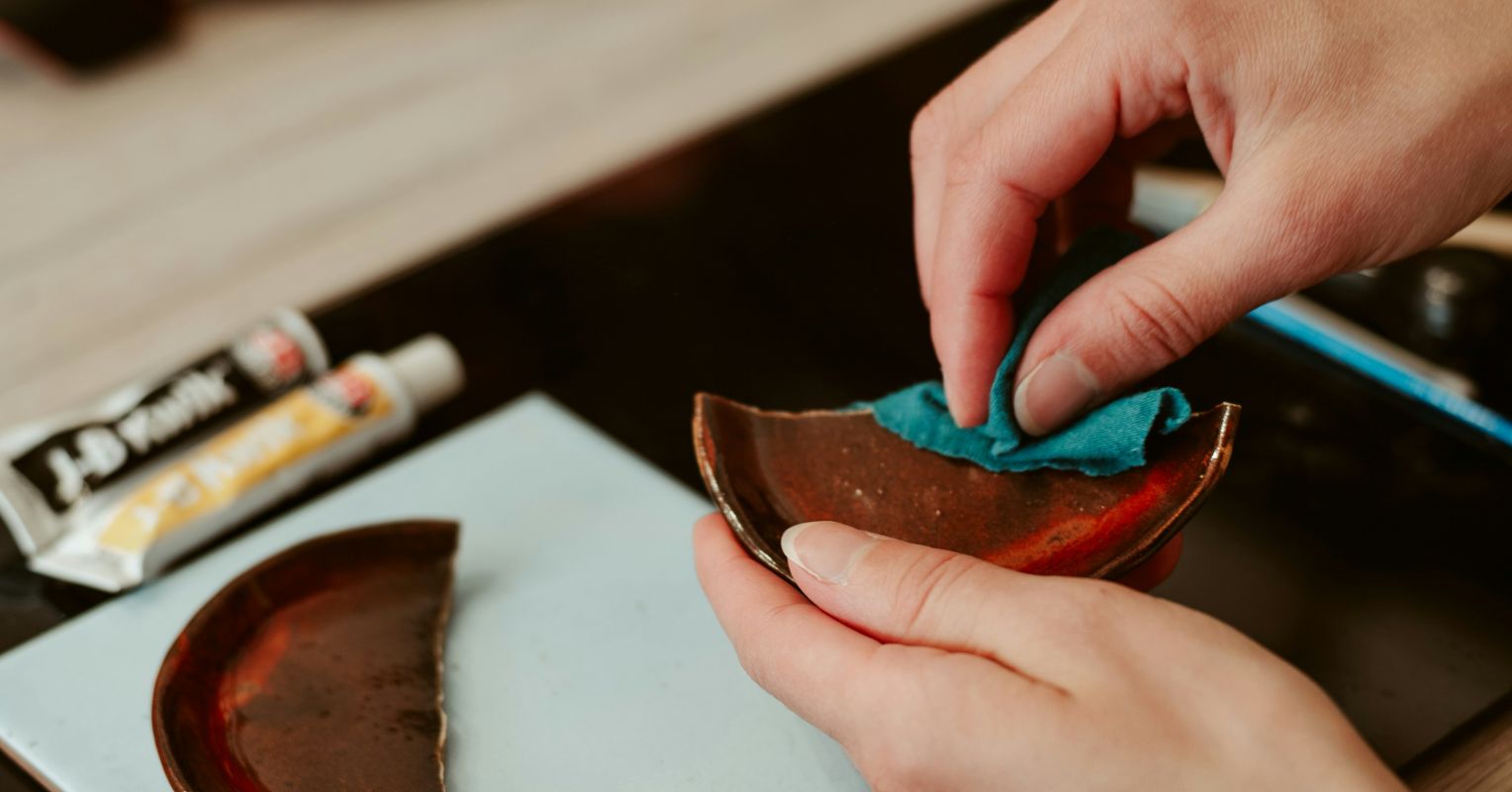
Kintsugi uses powdered gold and other materials to visibly repair broken pottery, celebrating restoration rather than concealment. The repair process serves as a metaphor for addiction recovery, where individuals must break through denial and acknowledge addiction. Acknowledgement often brings shame, disappointment, and self-contempt, but healing involves moving beyond shame and rejecting the notion of being defective. Recovery cultivates a gift of compassion, identification, and steadfast love that arises from lived scars. The visible repair can increase value and uniqueness, paralleling how recovery can transform harm into renewed purpose and empathy.
"Kintsugi 金継ぎ is known as the Japanese art of putting broken things back together, like broken pottery, using materials mixed with powdered gold and other elements. Instead of hiding damage, this technique celebrates the restoration of an object once viewed as broken, flawed, or imperfect. This same process can be seen as a metaphor for addiction recovery. Even for people with addiction who willingly choose recovery, there's an element of being remade that can't be ignored. Addicts often go through a period of denial."
"Once this happens, they may feel extreme shame, disappointment, and self-contempt for their addictive nature. But healthy healing is learning to move beyond shame and see that one is not "broken" and "defective." They can find that their beauty now lies in their gift of recovery, which they can now pass on to others. The gift a recovering addict can give to another is one of compassion, identification, and steadfast love. If anything, their ability to understand and empathize is one that was born out of their own scars of addiction."
"Kintsugi pottery was developed in the 15th century and has become globally more popular in recent years. The labor-intensive process is now making Kintsugi pottery more expensive than the original, unbroken piece, as it transforms common items into unique, high-end art pieces. As a therapist specializing in addiction, I see these changes happening in my own clients. They may feel defeated and demoralized by their behaviors, as most have inflicted significant relational, financial, and emotional consequences on themselves and their loved ones."
Read at Psychology Today
Unable to calculate read time
Collection
[
|
...
]