US Elections
fromThe New Yorker
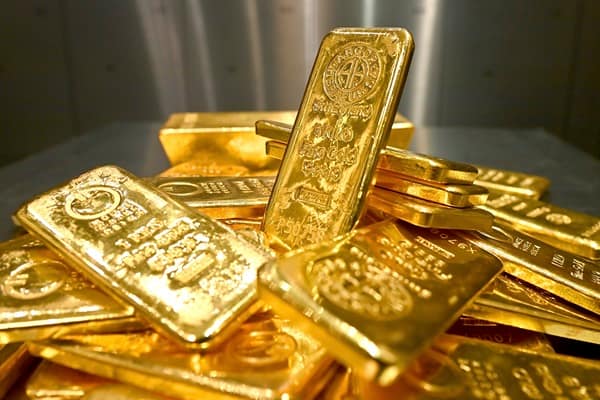
1 day agoInside Gold Rush 2.0
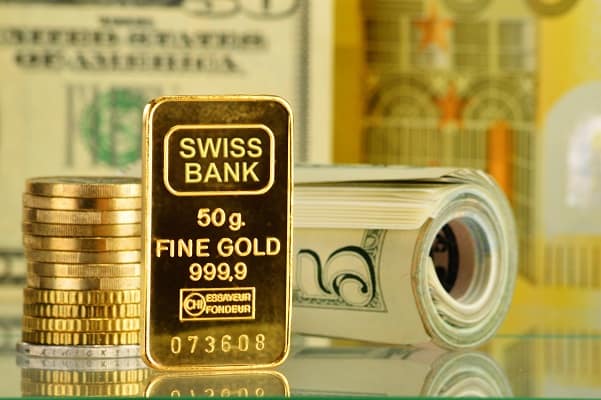
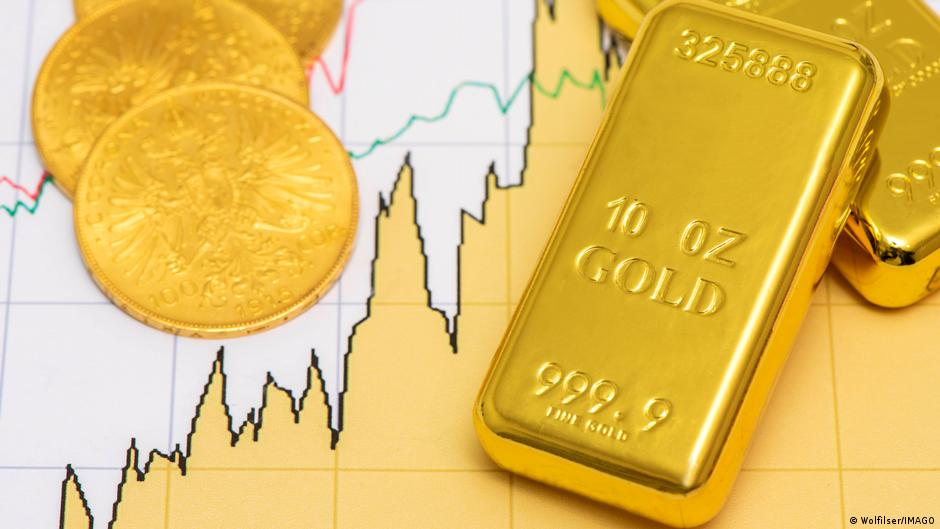
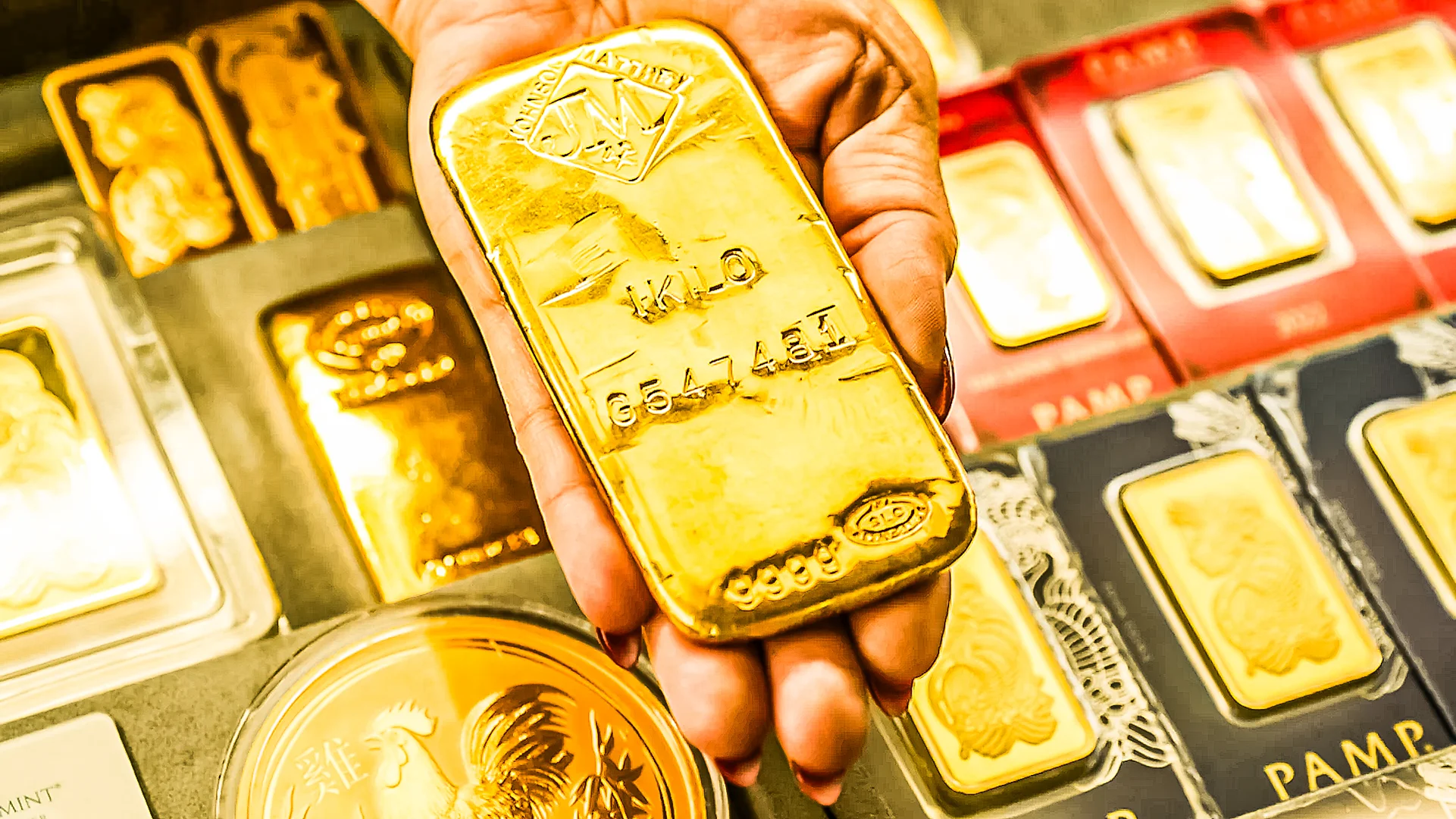
A modern gold rush is driven by rising gold prices and social-media attention, echoing older myths of untold wealth and opportunistic persuasion.
Gold advanced further on Thursday after surging in the previous session, supported by falling long-term Treasury yields and a softer US dollar. Growing optimism surrounding a potential agreement between the United States and Iran has eased fears of a prolonged energy shock, helping reduce inflation concerns.
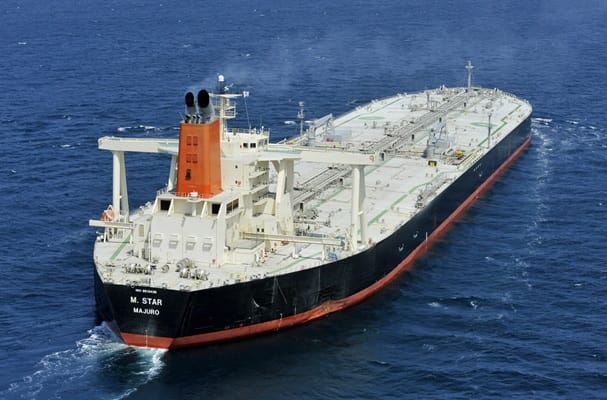
Firm Treasury yields could continue to weigh on the metal amid ongoing inflation concerns. Lingering tensions in the Strait of Hormuz could continue to push oil prices up, reinforcing inflation concerns and weighing on bullion.
Gold spot prices reached $4,829 per troy ounce at the end of the week, marking a fourth consecutive weekly gain. COMEX futures closed at $4,879, up 1.48%, driven by Iran's Strait of Hormuz truce and U.S. dollar weakness.
Prices have come off sharply from recent highs as energy markets push inflation expectations higher and delay the path to interest rate cuts. Gold, being a non-yielding asset, is reacting to this shift in the short term.
Elevated oil levels are reinforcing concerns that inflation could remain sticky, reducing the likelihood of near-term monetary easing by the Federal Reserve, weighing on gold in the process. ETF outflows over recent weeks reinforce this shift in sentiment, and could weigh on the market if they continue.
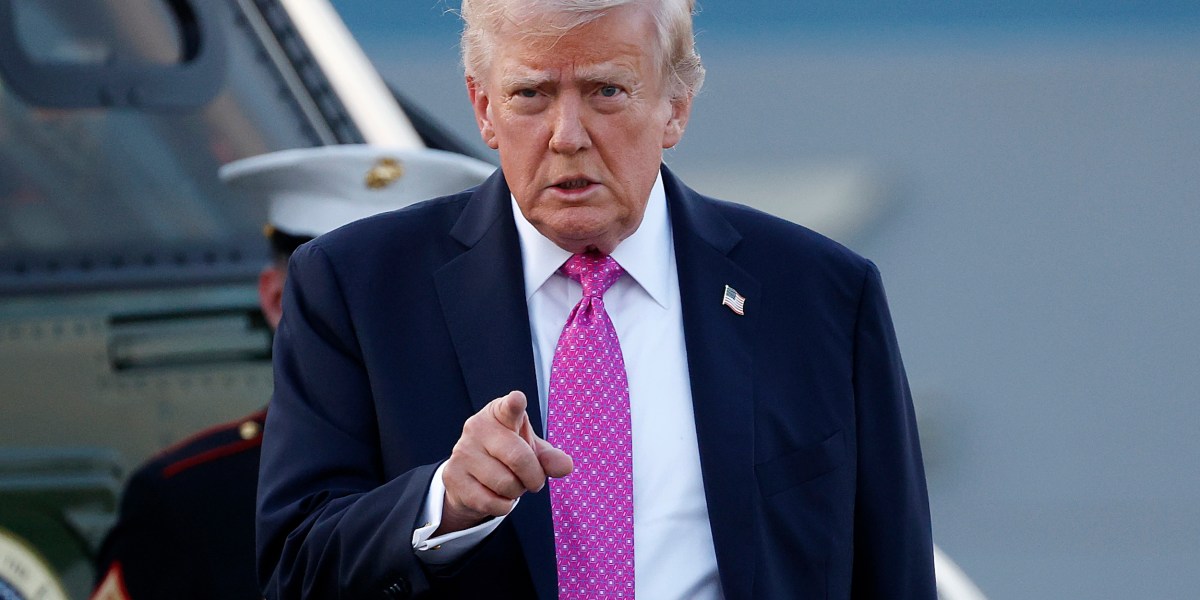
Gold soars past $5,500 an ounce as US President Donald Trump renews threats against Iran. Gold prices have set a new record amid United States President Donald Trump's threats of military action against Iran and the weakness of the US dollar. Bullion surged past $5,500 an ounce on Thursday, extending an extraordinary rally that has seen the precious metal gain more than 20 percent in value since the start of the year.
Markets are set to explode this first trading day of the year. S&P 500 futures are up about 38 points. The SPDR S&P 500 ETF ( SPY) is up about $3.90 a share. The Dow Jones is up 186 points, as the Nasdaq races about 244 points higher. Fueling a good deal of momentum are AI-related stocks. Nvidia ( NASDAQ: NVDA) is up about $2.65 a share, with analysts at TD Cowen reiterating a buy rating on the tech giant.
It's Diwali season - a five-day period when Hindus around the world commemorate the triumph of light over darkness on the Indian subcontinent centuries ago. But the colorful Diwali celebrations held annually in Indian-American communities throughout the United States are more muted this year compared to the past. The reason? Prices on everything from saris to spices have skyrocketed since August 27.
Financial experts have found themselves split on their predictions. Goldman Sachs has taken a bullish approach, raising its estimated gold forecast from $4,300 to $4,900 per ounce for December 2026. "We see the risks to our upgraded gold price forecast as still skewed to the upside on net, because private sector diversification into the relatively small gold market may boost ETF holdings above our rates-implied estimate," Goldman stated during the Monday announcement, according to Reuters.
Gold is hitting record prices this week, reaching above $3,500 per ounce for the first time on Tuesday and then hitting another milestone on Wednesday: $3,593.20 per ounce. Goldman Sachs predicted this week in a research note that gold prices could increase above $4,000 per ounce by mid-2026. "Gold remains our highest-conviction long recommendation," Goldman Sachs stated in the note. In April, JPMorgan also predicted that gold prices would rise above $4,000 per ounce by the second quarter of next year.
Gold prices have been trading sideways for almost three months, with slight declines as risk appetite improved, suggesting potential changes in investor sentiment.
Gold prices fell as signs of de-escalation in the Ukraine conflict diminished safe-haven demand. Trump's upcoming meeting with Putin may further ease tensions.
The Wall Street Journal Editorial Board has warned that the recent 15% tariff agreement with Japan could carry long-term strategic costs in the form of rising prices and mounting pressure on consumer and business sentiment.