#foreign-state-involvement
#foreign-state-involvement
[ follow ]
#iran #nato #cybersecurity #trump-administration #strait-of-hormuz #national-security #china #us-foreign-policy



fromSlate Magazine
3 days agoHegseth Just Sent an Alarming Message to the Rest of the World
Secretary of Defense Pete Hegseth informed Estonia's defense minister that the delivery of six High Mobility Artillery Rocket Systems would be delayed until after the war with Iran, raising significant concerns about U.S. reliability as a defense partner.
Europe news
Russo-Ukrainian War
fromLondon Business News | Londonlovesbusiness.com
4 days agoAlarm bells sound in Europe as spies warn Russia could escalate after Ukraine - London Business News | Londonlovesbusiness.com
Russia may engage in limited confrontations with NATO within a year after the Ukraine war, focusing on smaller territorial incursions.




fromCornell Chronicle
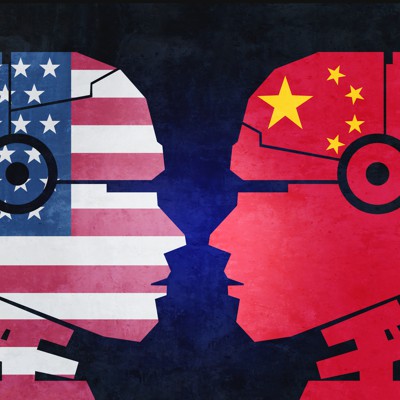
6 days agoFormer UN ambassador, USAID director calls for rebuilding foreign aid | Cornell Chronicle
Modest investments abroad could advance America's interests at home - by preventing pandemics from reaching our shores, by expanding markets for U.S. goods, by promoting democracy and freedom - all for less than 1% of the federal budget each year.
Higher education
World politics
fromFortune
10 hours agoThe 'obscene economics' of modern warfare show how the race to military supremacy is transforming, while U.S. rearmament relies on China | Fortune
The Iran conflict has shifted military procurement towards cheap, mass-produced weapons, challenging traditional Western military strategies.
#us-foreign-policy


World politics
fromwww.theguardian.com
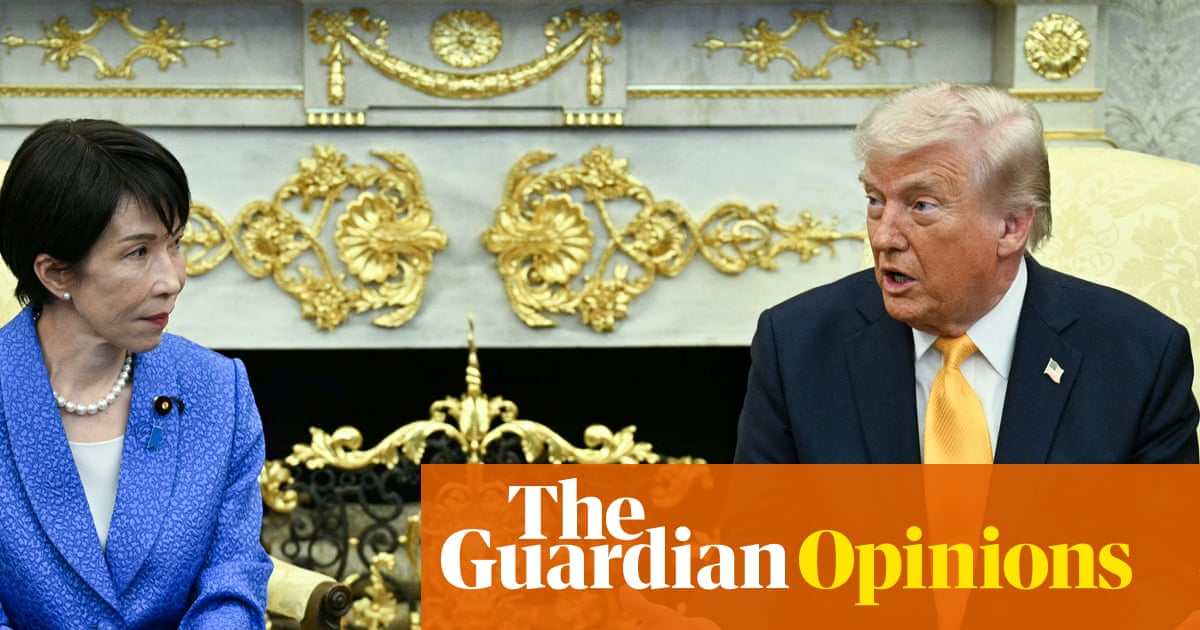
2 days agoThe Guardian view on Germany, Japan and the end of the postwar order: as US alliances crumble, a new world emerges | Editorial
US alliances are under strain as global powers reassess their military strategies in response to unpredictability and authoritarian threats.
World politics
fromLondon Business News | Londonlovesbusiness.com
2 weeks agoWashington's two-track strategy raises questions over coherence and alliances - London Business News | Londonlovesbusiness.com
U.S. foreign policy shows contradictions with military threats to Iran and political interference in Hungary, benefiting Moscow's strategic interests.



fromwww.theguardian.com
4 days agoIan Collard: the Foreign Office insider who may be key to Mandelson scandal
Collard had been having a live dialogue about Mandelson with the separate UK Security Vetting (UKSV) team, based in the Cabinet Office. Collard had then asked to speak to Robbins for what turned out to be a critical meeting: it concluded with Mandelson being granted vetting clearance.
UK politics
fromwww.mediaite.com
3 days agoButtigieg Slams Trump for Torpedoing America's Standing in the World: People Do Not Trust the United States'
Diminished. Sadly. I mean, you know, when I was a student, it was just understood that the U.S. was the leading nation in the world, not just the biggest, not the richest, not most powerful, but the country that people looked to because of our values as well as because of our strength.
World politics
fromwww.aljazeera.com
2 weeks agoWho is running US foreign policy? Varsha Gandikota and Jeremy Scahill
The conversation reveals that the ongoing conflict raises critical questions about the motivations behind US foreign policy, particularly regarding Israel's role in shaping military strategies.
World politics
fromThe Cipher Brief
2 weeks agoWhy Australia Needs a National Spy Museum
Many of the foundations that have underpinned Australia's security, prosperity and democracy are being tested: social cohesion is eroding, trust in institutions is declining, intolerance is growing, even truth itself is being undermined by conspiracy, mis- and disinformation.
World politics
EU data protection
fromInfoWorld
1 month agoSovereignty isn't a toggle feature
European cloud alternatives like Hetzner and Scaleway can deliver comparable performance and capabilities to AWS while significantly reducing costs, though they require greater operational responsibility and architectural commitment to sovereignty.
Business
fromHarvard Business Review
1 month agoRethinking Strategy in a Hyperpolitical World
Corporate decisions face intense public scrutiny for political implications, resulting in boycotts, revenue loss, reputational damage, and executive terminations, yet political engagement remains unavoidable for businesses.
EU data protection
fromComputerworld
1 month agoUS orders diplomats to push back on data sovereignty
The US government directs diplomats to oppose data sovereignty laws globally, viewing them as threats to free data flows and AI development, while European support for such restrictions grows due to privacy and surveillance concerns.


fromThe Atlantic
1 month agoJust Don't Say the W-Word
Four days into this situation in the skies over Tehran, Speaker of the House Mike Johnson said, 'We're not at war right now.' This was, rather, a 'very specific, clear mission-an operation.' Operation does seem to be the preferred word in government talking points, even as it encompasses assassinating an ayatollah, torpedoing an Iranian naval ship, blowing up fuel depots and a desalination plant, and losing the lives of (so far) eight American service members along the way.
US politics
fromConde Nast Traveler
2 months agoThe American Passport Is Losing Its Power
At the same time, however, the United States is hemorrhaging billions in tourism revenue by the year, a downward trend many experts credit to President Donald Trump's nationalistic approach to immigration. In December, the administration expanded its travel ban to 39 countries-most of them in Africa-that Homeland Security Secretary Kristi L. Noem claimed had "been flooding our nation with killers, leeches, and entitlement junkies" on X.
US politics
fromThe Atlantic
1 month agoThe Undiplomatic Diplomats
American diplomats are supposed to represent the nation, advocate for the interests and policies of the U.S. government, and stay on generally good terms with the country to which they're assigned. Even when they are sent to places that have an adversarial relationship with the United States, they are expected to maintain decorum while conveying messages these regimes may not want to hear.
US politics
fromTruthout
2 months agoBelieving Borders Make Us Safer Is Like Believing the Sun Revolves Around Earth
Western governments, the U.S. under Donald Trump leading the pack, are caught in the grip of an anti-immigration fervor, enforcing cruel and degrading laws that violate human rights and undermine public safety. This entire approach toward immigrants is not only immoral but also rests on false economic claims, argues Daniel Mendiola, assistant professor of history and migration studies at Vassar College, in the interview that follows.
US politics
fromEntrepreneur
1 month agoWhy Nations Are Now Battling Over Your Digital DNA
Across the world, governments are redefining data. It is no longer a commercial byproduct, but a strategic resource. One that carries economic weight, political influence, and long-term national consequences. At the center of this shift is what most people never consciously see but continuously produce: their digital DNA.
World politics
[ Load more ]