#federal-refunds
#federal-refunds
[ follow ]
#irs #tax-refunds #tax-filing #tariffs #supreme-court #tax-deductions #irs-staffing #trump-administration

#us-economy
SF politics
fromFortune
11 hours agoThe director of the Congressional Budget Office-known for its gloomy national debt data-is very optimistic that a crisis will be avoided entirely | Fortune
Dr. Phillip Swagel, director of the CBO, remains optimistic about the U.S. economy despite significant national debt and interest payments.
#tariff-refunds

Intellectual property law
fromFortune
1 month agoFinance leaders divided on using potential tariff refunds-just 18% would fully roll back price hikes | Fortune
Corporate executives remain divided on tariff refund strategies and are reluctant to reduce prices despite potential cost relief from Supreme Court rulings.
Intellectual property law
fromFortune
1 month agoFinance leaders divided on using potential tariff refunds-just 18% would fully roll back price hikes | Fortune
Corporate executives remain divided on tariff refund strategies and are reluctant to reduce prices despite potential cost relief from Supreme Court rulings.
fromFortune
4 days agoThese Americans are refusing to pay their taxes in protest of the Trump administration | Fortune
"I was thinking, well, it's a little inconsistent for me to refuse induction, refuse to go into the military, yet pay taxes that would fund other people to go into the military," the 81-year-old told Fortune.
Right-wing politics
#student-loans
Higher education
fromwww.businessinsider.com
1 week agoTrump's Treasury is taking over millions of student-loan accounts. Obama tried this, and it didn't succeed.
The federal student-loan portfolio is being transferred to the Treasury Department, raising challenges for borrowers, especially those in default.


#us-government
Washington DC
fromFortune
6 days ago'We have to be able to walk and chew gum' on government spending, says budget chairman, addressing both debt crisis and national security demands | Fortune
The U.S. government faces funding challenges for mandatory spending and military endeavors, with disagreements over DHS funding complicating the budget process.
fromInside Higher Ed | Higher Education News, Events and Jobs
6 days agoDisabled Borrowers Sue Trump Admin. Over Denied Debt Relief
The Department of Education's failure to properly process discharge applications from vulnerable and sick borrowers is reprehensible. We are simply asking the Department to review their applications on the merits, as is their right.
NYC parents
#tax-filing
US politics
fromFortune
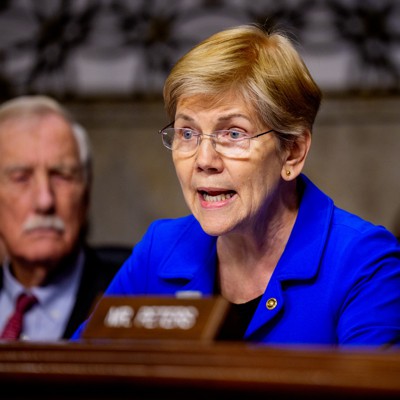
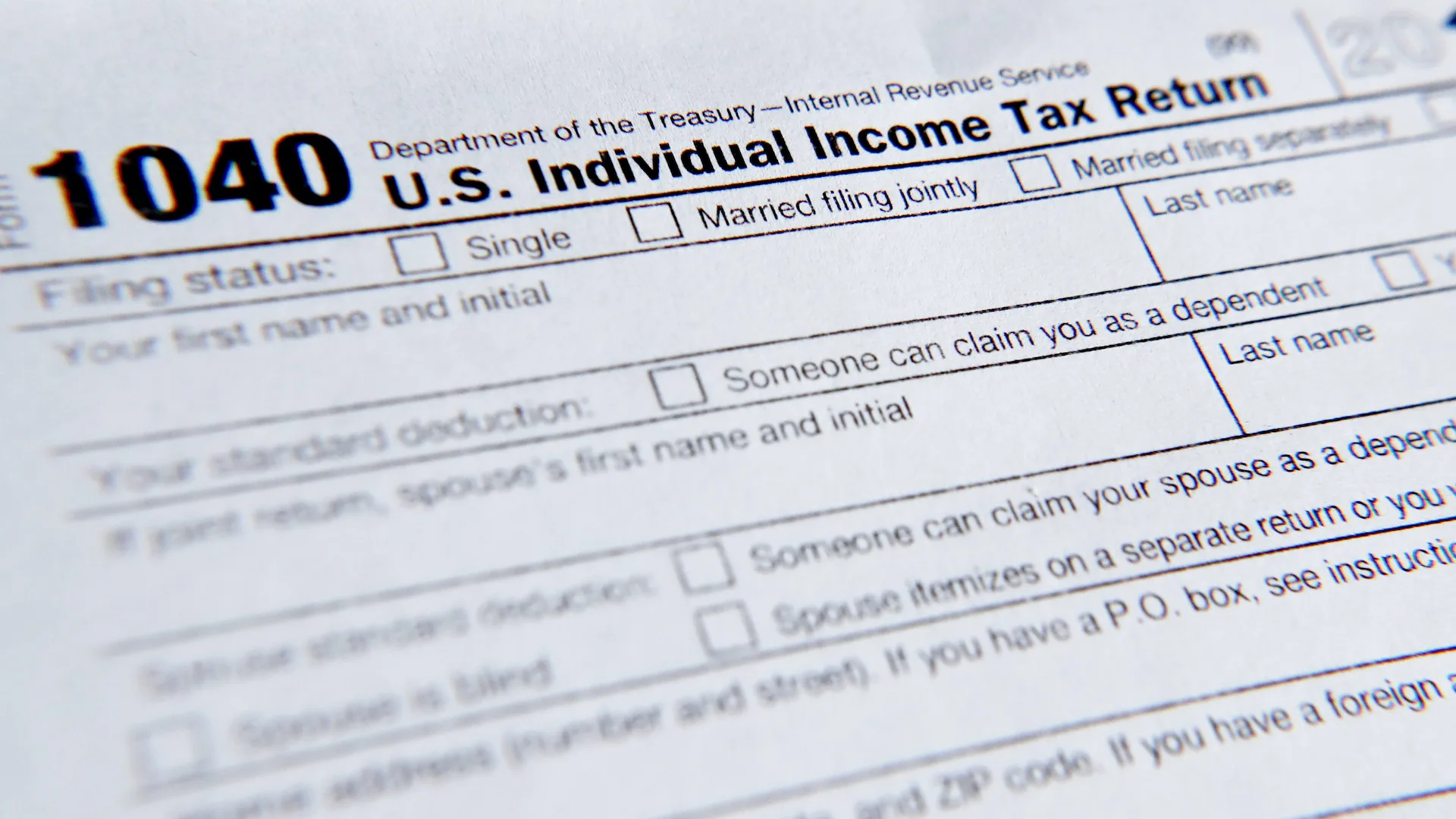
5 days agoExclusive: Elizabeth Warren on her proposal to bring back IRS Direct File: 'For just one day of bombing Iran, we could pay for 20 years' | Fortune
Sen. Elizabeth Warren opposes privatizing tax filing, advocating for free filing services and criticizing tax prep companies for misleading taxpayers.

US politics
fromFortune
5 days agoExclusive: Elizabeth Warren on her proposal to bring back IRS Direct File: 'For just one day of bombing Iran, we could pay for 20 years' | Fortune
Sen. Elizabeth Warren opposes privatizing tax filing, advocating for free filing services and criticizing tax prep companies for misleading taxpayers.




fromwww.housingwire.com
2 weeks agoHomeowner Assistance Fund backstopped vulnerable borrowers
The insights from this report help us think about potential gaps in the loss mitigation waterfall and the types of homeowners who may benefit from targeted support when they experience a crisis.
SF real estate
fromInside Higher Ed | Higher Education News, Events and Jobs
1 month agoED Transfers Defaulted Loan Collection Duties to Treasury
With roughly nine million student borrowers in default, the Treasury Department will "assume operational responsibility for collecting" on those loans, the Education Department announced Thursday. The move is ED's latest effort to render itself obsolete as part of the Trump administration's plan to eliminate the department. This is the 10th interagency agreement it has signed to share with or spin off functions to other federal agencies.
Education
UK politics
fromBusiness Matters
1 month agoHMRC interest 'double standards' branded unfair as taxpayers face higher charges than rebates
HMRC charges taxpayers 7.75% interest on late payments but pays only 2.75% on refunds, creating a structurally unfair system with no equivalent penalties for HMRC delays.
fromBitcoin Magazine
1 month agoPolicy Group Calls For Bitcoin Inclusion In Tax Exemptions
Under current law, bitcoin is treated as property, which means every purchase with the asset triggers a capital gains calculation, regardless of transaction size. BPI argues that this framework discourages routine payments, such as buying coffee or sending small remittances, because users must track cost basis and report minor gains and losses.
Cryptocurrency
fromwww.npr.org
1 month agoFederal student loans will move to Treasury, further shrinking Education Department
As the Federal student aid portfolio soars to nearly $1.7 trillion and with nearly a quarter of student loan borrowers in default, Americans know that the Department of Education has failed to effectively manage and deliver these critical programs. By leveraging Treasury's world-renowned expertise in finance and economic policy, we are confident that American students, borrowers, and taxpayers will finally have functioning programs after decades of mismanagement.
US news
Law
fromFast Company
1 month agoThe IRS may owe you money from the pandemic years - but you have to claim it
A federal court ruling may entitle taxpayers to refunds for penalties or interest incorrectly charged by the IRS between January 20, 2020 and July 11, 2023 during the Covid pandemic emergency period.

fromwww.twincities.com
2 months agoIRS head announces a shake-up on the eve of the 2026 tax season
Days before the 2026 tax filing season begins, the head of the IRS announced a shake-up Tuesday, saying the personnel and operational changes are intended to improve taxpayer service and modernize the agency. The timing of the announcement coincides with a critical moment for the agency, as the IRS prepares to process millions of tax returns while simultaneously implementing major tax law changes under the tax and spending package President Donald Trump signed into law last summer.
US politics


[ Load more ]