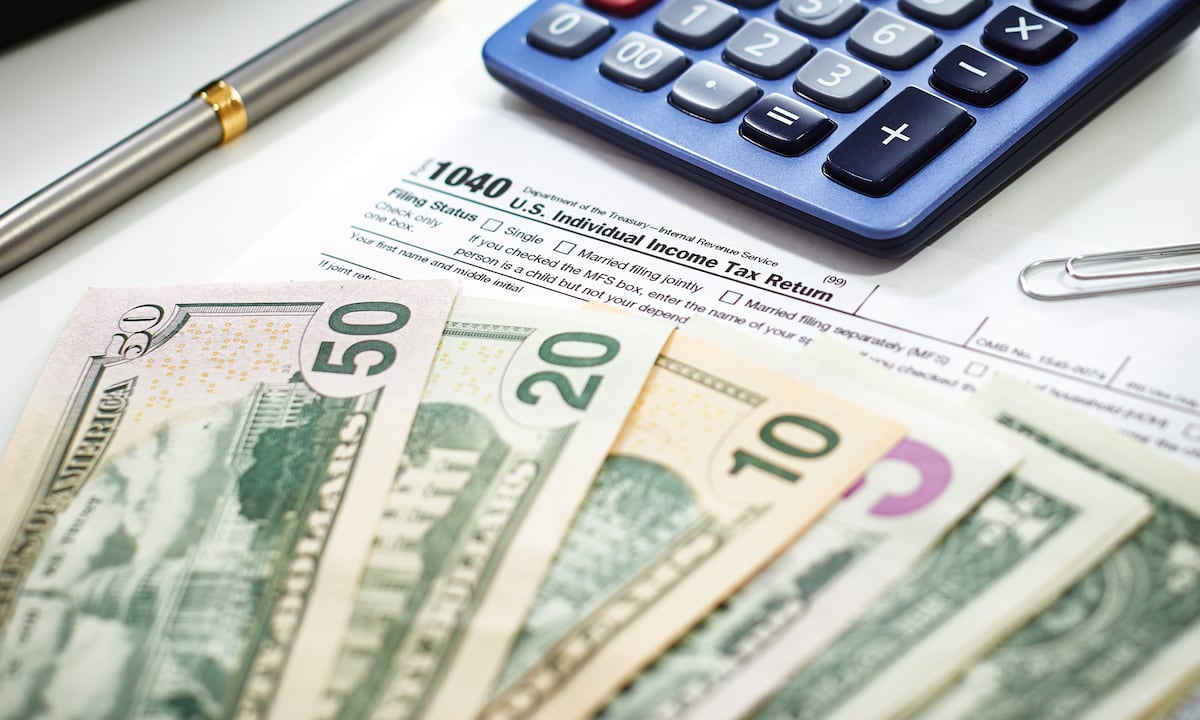
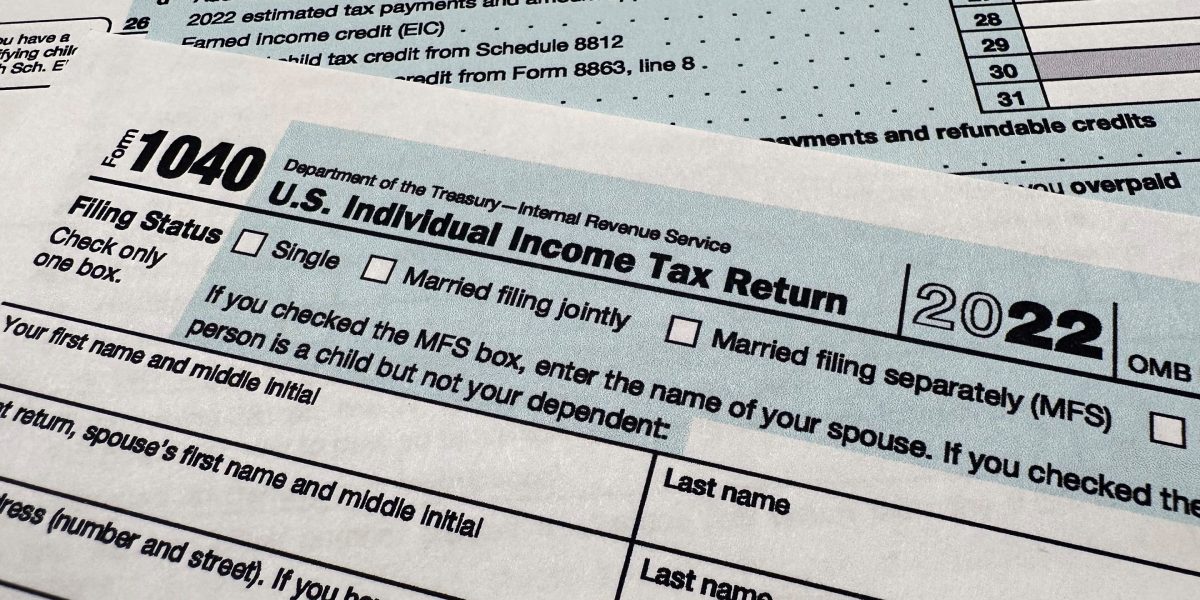
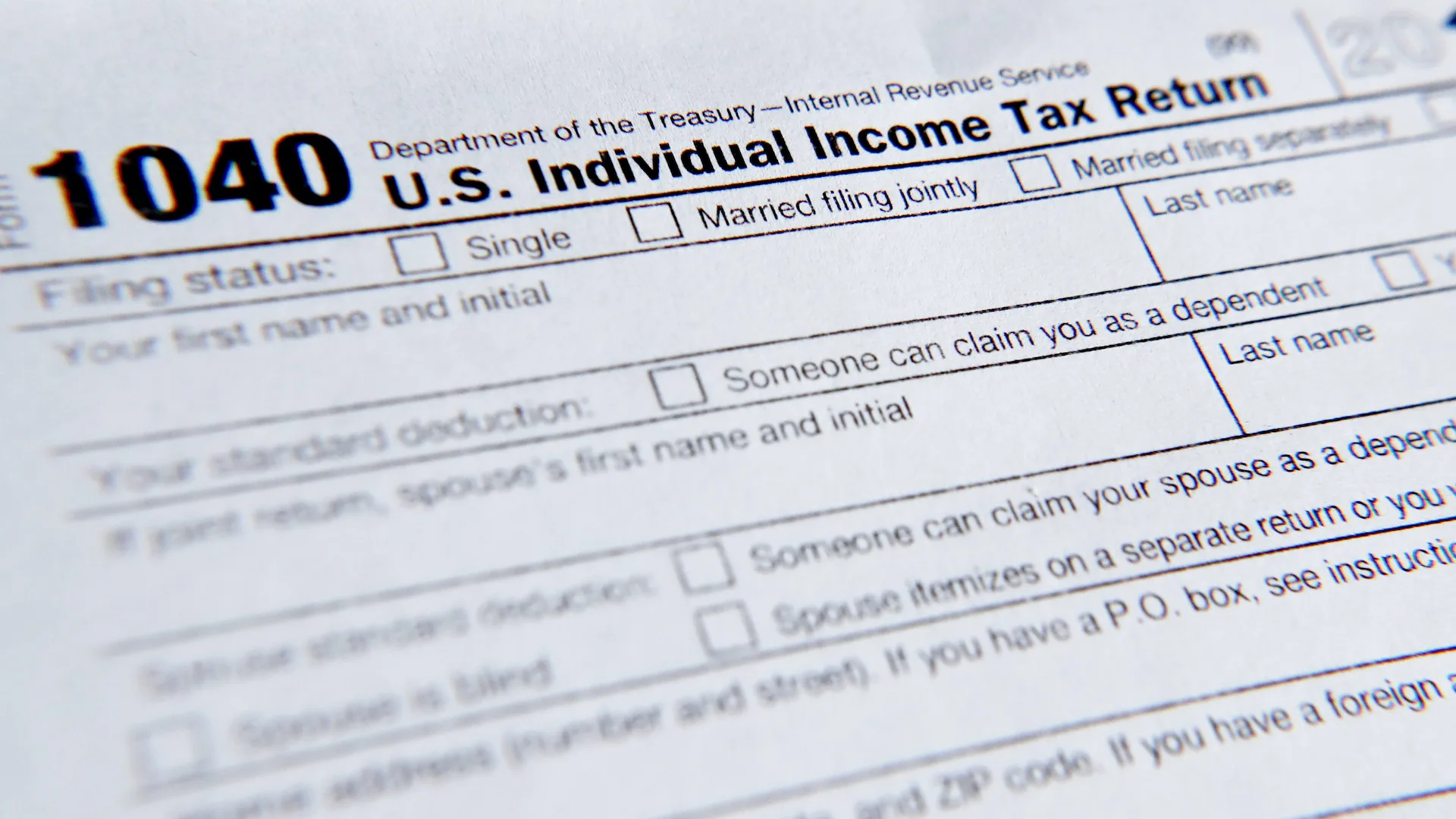
A fiscal centerpiece of President Donald Trump's agenda so far has been his pledge to lower taxes, and Americans are close to seeing healthy refunds from their 2026 filings. But actually seeing those returns show up on time might not be so straightforward, according to a recent federal watchdog report, largely due to another of Trump's signature policy stances. The Trump administration's purge of the federal bureaucracy last year did not spare the Internal Revenue Service, the agency responsible for collecting taxes and processing returns.
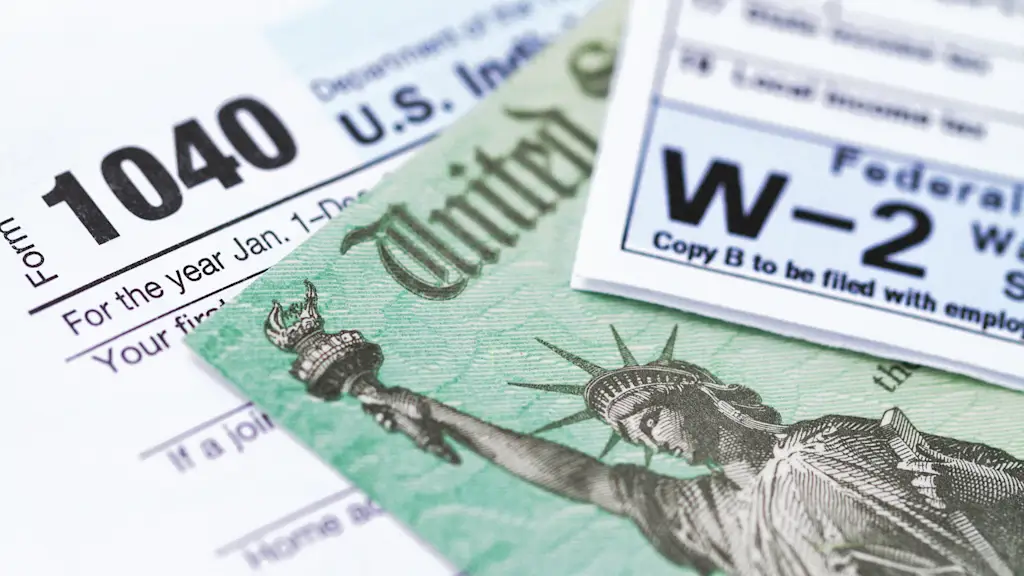
More than 6 million Americans receive paper tax refund checks annually. Often, those refunds go to purchase groceries or pay the bills. But this year, those taxpayers may be surprised to learn that the paper check they're waiting for no longer exists. That's because of executive order 14247, which President Donald Trump signed in 2025. It directed the Treasury Department to stop issuing paper checks for tax refunds.
A new year brings a new tax filing season. With many cash-strapped Americans worried about their finances, many can't wait to file their returns. The sooner you file, the sooner your chances of getting your refund, after all. But just when can you begin submitting your tax return to the Internal Revenue Service (IRS)? That depends. Here's what you need to know about the 2026 tax filing season.
Over the past three years, families have made more than 18,000 claims for overpaid inheritance tax (IHT), with property sales contributing significantly to these claims.
"Four in five who have already spent their refunds spent it on essentials; top spends include bills like rent (58%), groceries (48%), paying down credit card debt (29%) and home repairs (13%)."