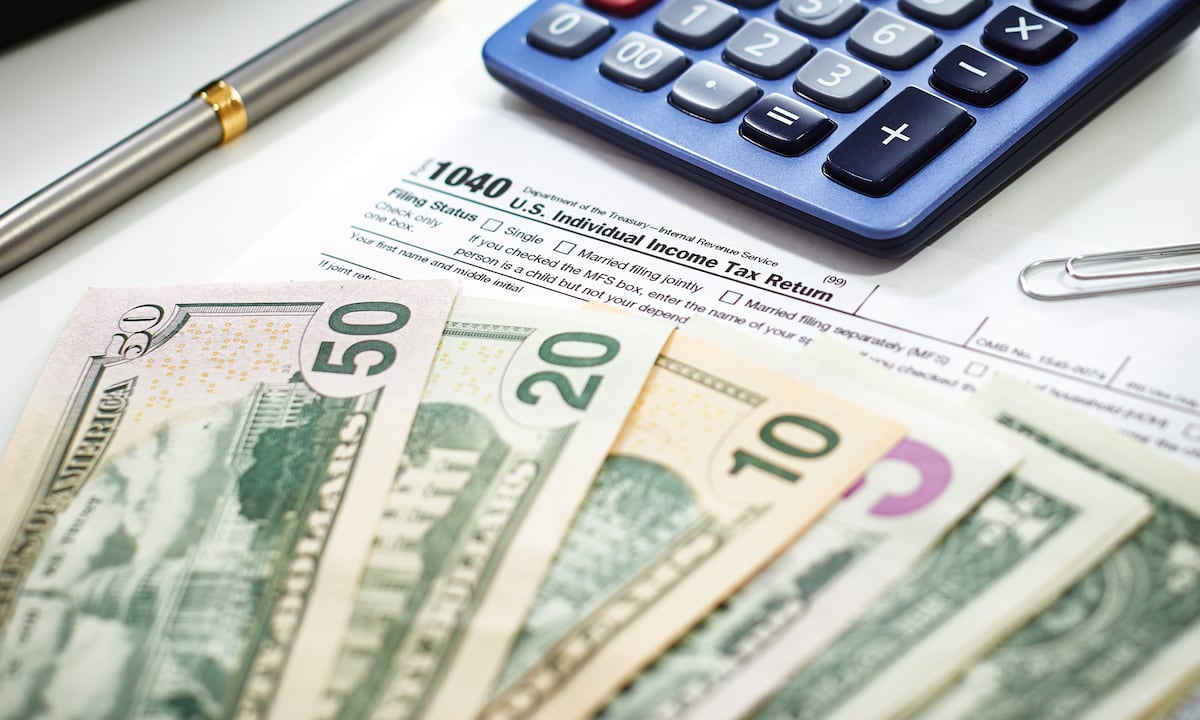
"The IRS expects to receive about 164 million individual returns this year, the vast majority filed electronically. Although e-filing is still the fastest way to get a refund, the season is starting with some warning signs: the agency is facing a reduction of nearly 25% in its workforce over the past year and a change in leadership just days before the filing period opened, raising doubts about the its ability to process returns as quickly as in previous years."
"The deadline for filing federal tax returns is April 15, 2026. Those who are unable to meet that deadline can request an extension, which gives them more time to file their paperwork, but not to pay any taxes owed. In such cases, the IRS reminds taxpayers that at least a significant portion of the estimated amount must be paid by the deadline to avoid penalties and interest."
The IRS began accepting federal returns on January 26 and expects about 164 million individual returns this year, most filed electronically. E-filing with direct deposit and error-free forms should yield refunds within 21 days according to the IRS. The agency has reduced its workforce by nearly 25% over the past year and experienced a leadership change just before filing opened, which may slow processing. Paper returns can take six weeks or more, especially when manual reviews are required. The federal filing deadline is April 15, 2026, and extensions grant more time to file but not to pay owed taxes. At least a significant portion of estimated taxes must be paid by the deadline to avoid penalties and interest. The Where's My Refund? tool updates once daily to show refund status.
Read at english.elpais.com
Unable to calculate read time
Collection
[
|
...
]