Dometic relied on a presumption that separately listed claim limitations indicate separate and distinct physical structures, citing Becton, Dickinson & Co. but the Federal Circuit rejected this argument.
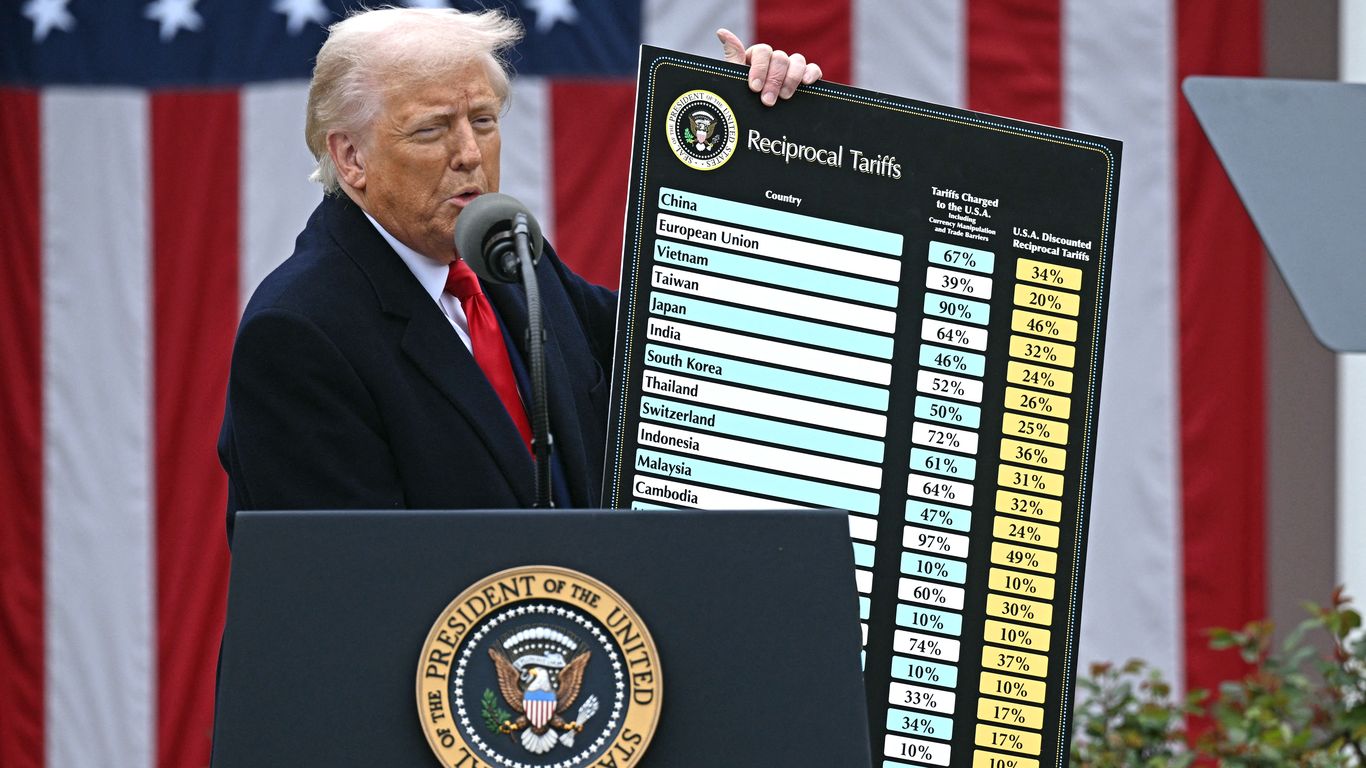
After Trump ended the de minimis exemption last year, purchasing an item straight from an international vendor, regardless of the item's value, meant incurring International Emergency Economic Powers Act tariffs. Now, thanks to a ruling by the Supreme Court that overturned Trump's IEEPA tariffs, and a ruling by the Court of International Trade ruled that all tariffs paid under IEEPA must be returned, buyers may be able to collect a refund.
Overwhelming data, including a report from the Federal Reserve Bank of New York, indicated that U.S. importers paid for the majority of the tariffs-up to 90%-with many passing down the increased costs to American consumers. Goldman Sachs estimated the tariffs added a 0.7% increase to inflation over 10 months, with prices to increase another 0.1% in 2026 because of levies.
On Feb. 20, The Supreme Court invalidated tariffs implemented under the International Emergency Economic Powers Act, or IEEPA, worth an estimated $130 billion to $175 billion.
CBP told the court that its current setup is 'not well suited to a task of this scale.' The filing points specifically to the agency's Automated Commercial Environment, or ACE, the central platform used to process trade data, importer records, and duty transactions. In Brandon Lord's declaration, CBP said using the existing workflow would require more than 4.4 million labor hours to process more than 53.2 million entries tied to IEEPA duties.
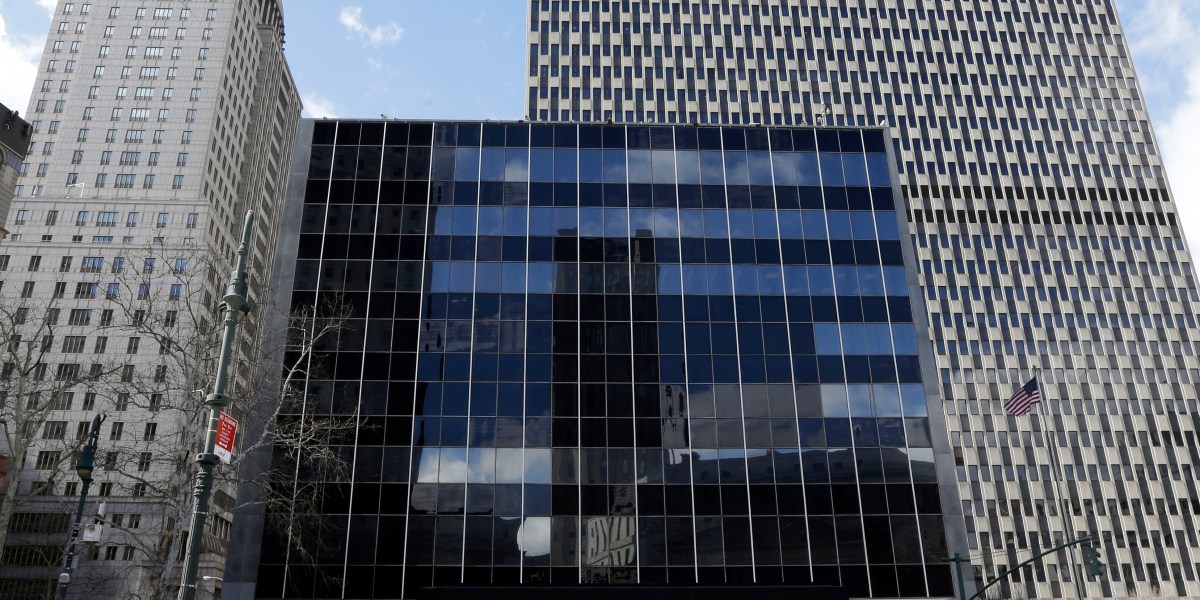
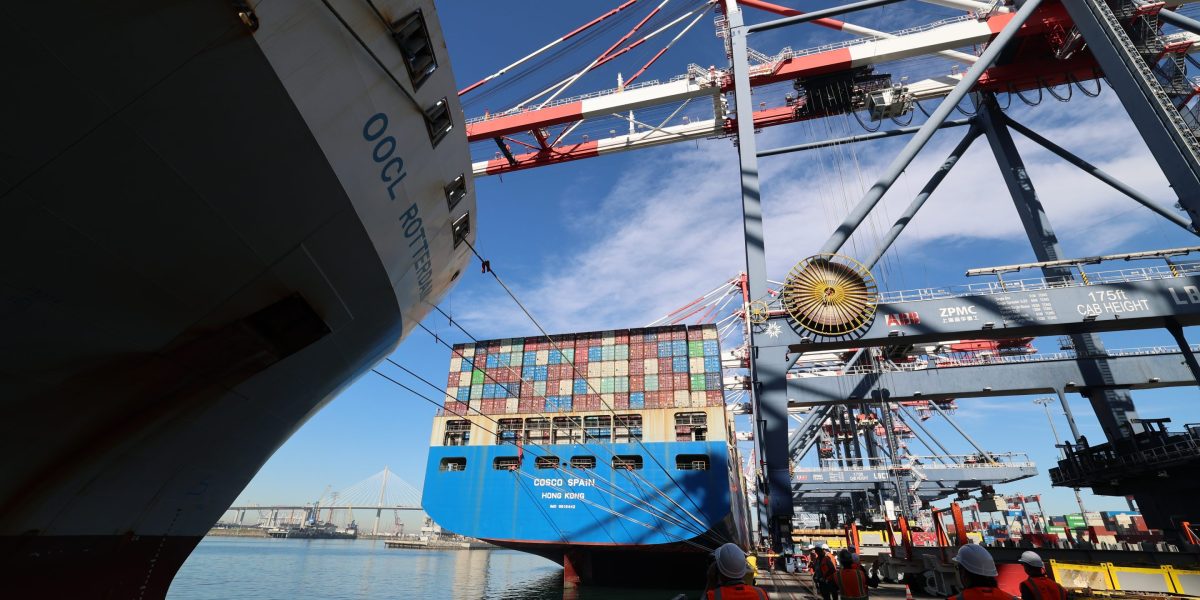
Richard Eaton, a judge of the US Court of International Trade in Manhattan, ordered the government to finalize the cost of bringing millions of shipments into the US without assessing a tariff, according to a court filing. He ordered the refunds to be made with interest. When merchandise is brought into the United States, an importer pays an estimated amount at entry which is then finalized around 314 days later, a process known as liquidation.
The International Monetary Fund has warned mounting geopolitical tensions and an escalation of Donald Trump's tariff war could hit global economic growth and trigger a backlash in financial markets. In an update as Trump threatens to impose tariffs on Nato allies opposed to his ambitions in Greenland, the Washington-based fund said a renewed eruption in trade tensions was among the biggest risks to global growth in 2026.