#decoration-techniques
#decoration-techniques
[ follow ]
#interior-design #home-decor #diy #home-improvement #home-design #architecture #home-renovation #design #lighting
fromIndependent
8 hours agoDermot Bannon on the homes of Joanne McNally, 'There were chairs that didn't fit. She sawed the legs off,' and Vogue Williams: 'People coming in and out all the time'
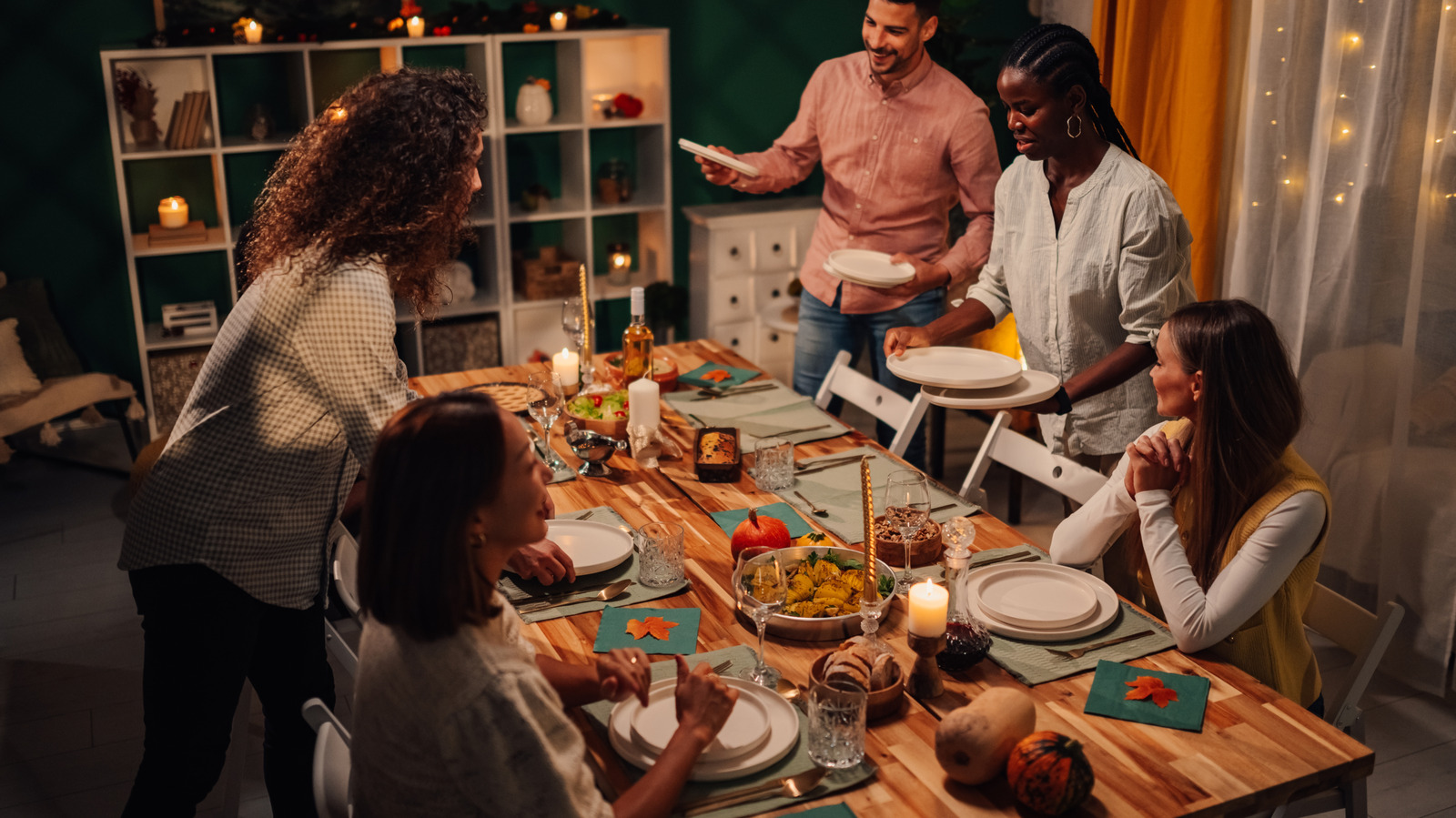
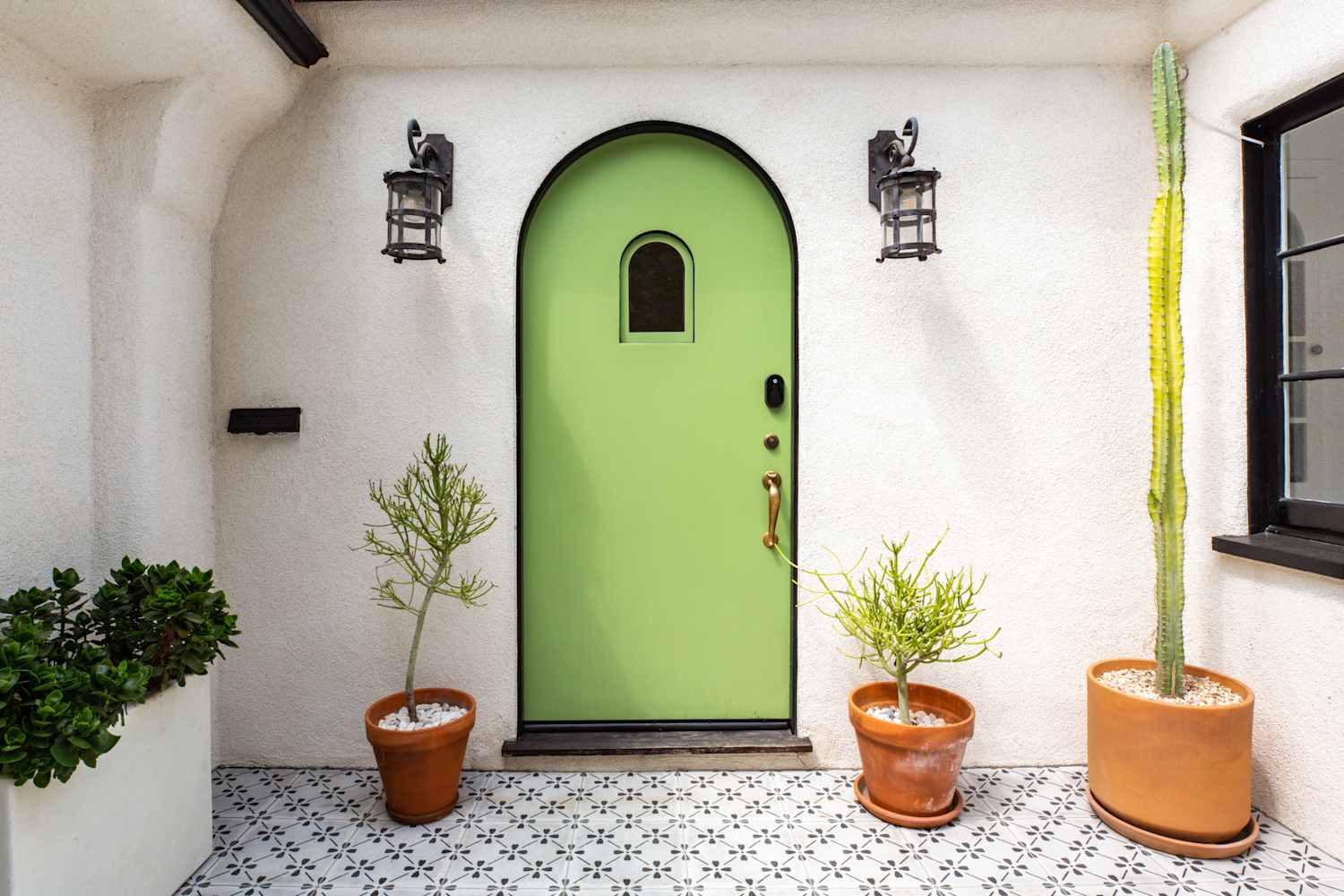
There is an idea in environmental psychology that suggests you can understand a person more quickly by walking through their home than by sitting across from them in conversation.
London



#kitchen-design
Design
fromYanko Design - Modern Industrial Design News
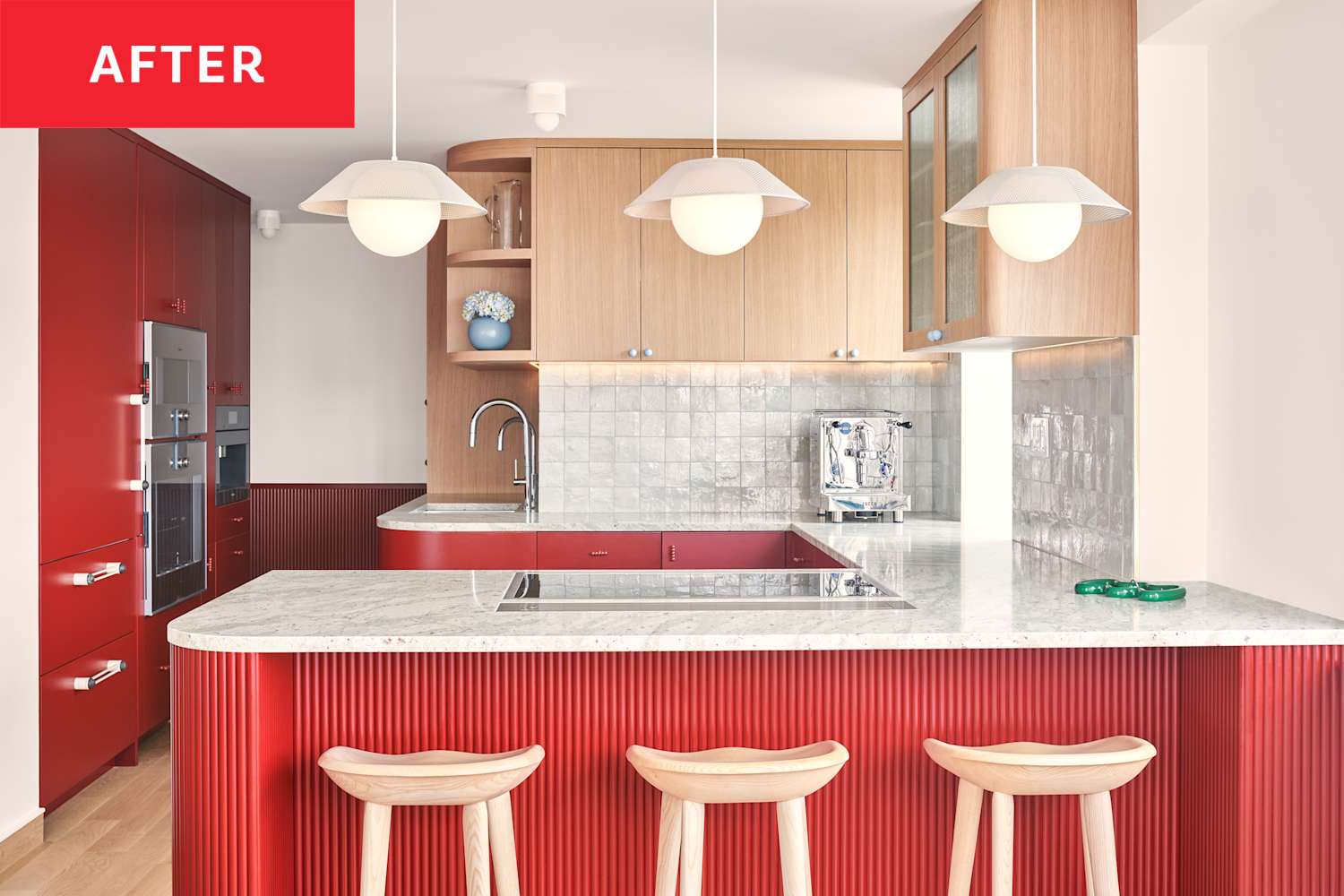
1 day agoThe All-Black Kitchen Is 2026's Hottest Design Trend - Here Are 8 Products That Nail It - Yanko Design
The all-black kitchen design has evolved into a sophisticated movement, emphasizing curated elegance and functionality in kitchen tools and aesthetics.


fromApartment Therapy
2 days agoIKEA Is Selling a Cute Nesting Table Set That's Perfect for Small Outdoor Spaces
The IKEA GRYTSHOLM nesting tables is a nesting set, where one half of the table slides under the other. When combined, the two tables turn into one larger table that you can adjust in length.
Remodel
Renovation
fromYanko Design - Modern Industrial Design News
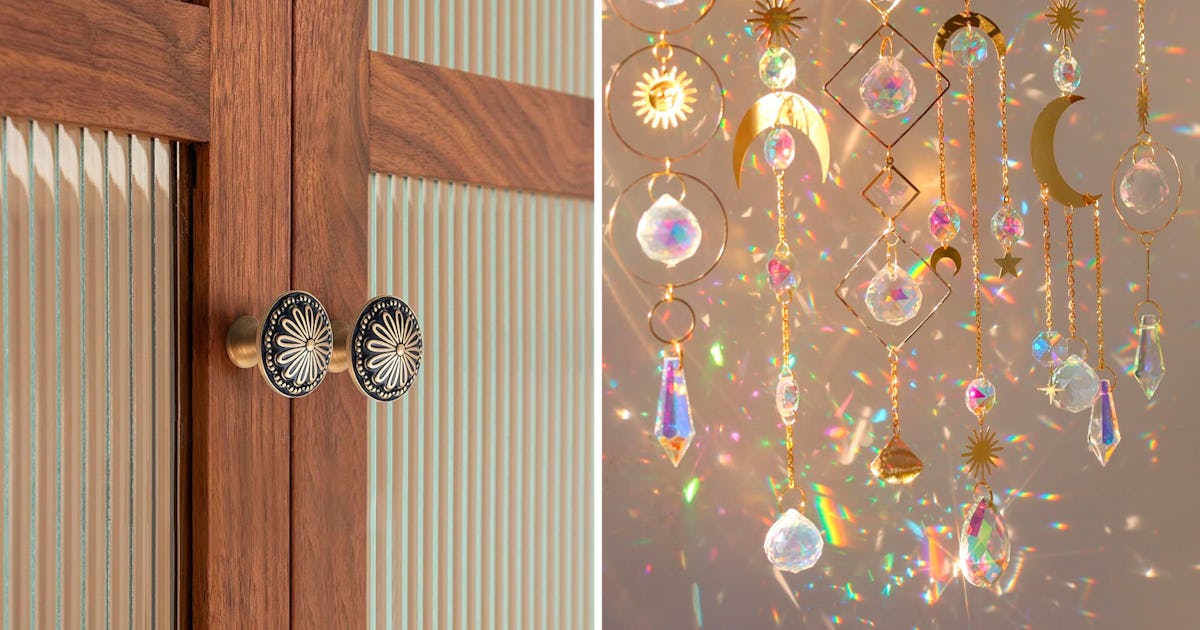
4 days ago7 Brilliant Products Renters Are Buying to Upgrade Their Homes Without Drilling a Single Hole - Yanko Design
Renters can enhance their living spaces with versatile, non-permanent upgrades that are functional and environmentally conscious.
#scandinavian-design
Design
fromYanko Design - Modern Industrial Design News
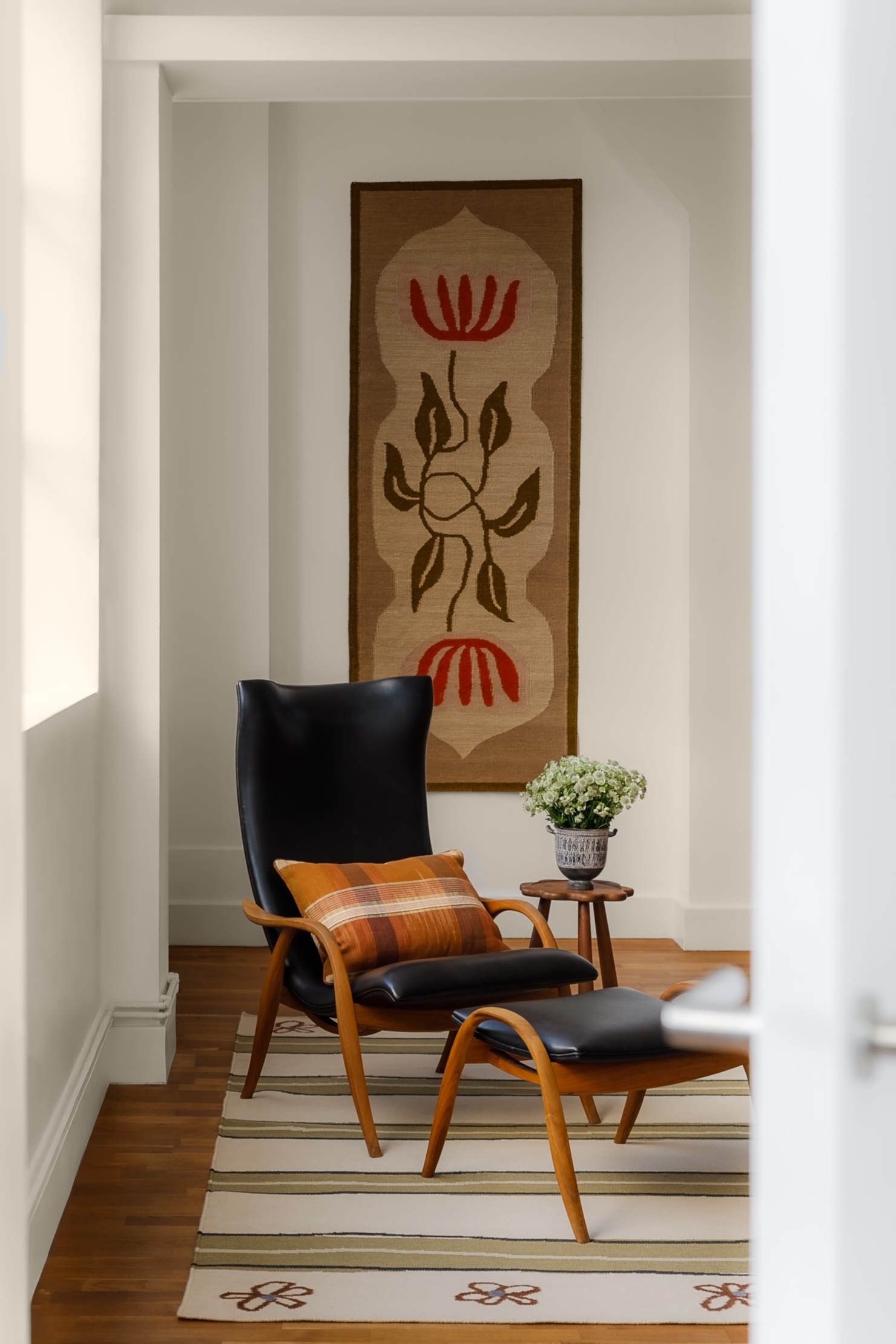
3 weeks ago5 Scandinavian Product Trends That Will Make Your Home Instantly Feel Like Hygge - Yanko Design
Scandinavian design emphasizes clean lines, natural materials, and functionality, creating a harmonious balance between aesthetics and practicality.

Design
fromYanko Design - Modern Industrial Design News
3 weeks ago5 Scandinavian Product Trends That Will Make Your Home Instantly Feel Like Hygge - Yanko Design
Scandinavian design emphasizes clean lines, natural materials, and functionality, creating a harmonious balance between aesthetics and practicality.
fromApartment Therapy
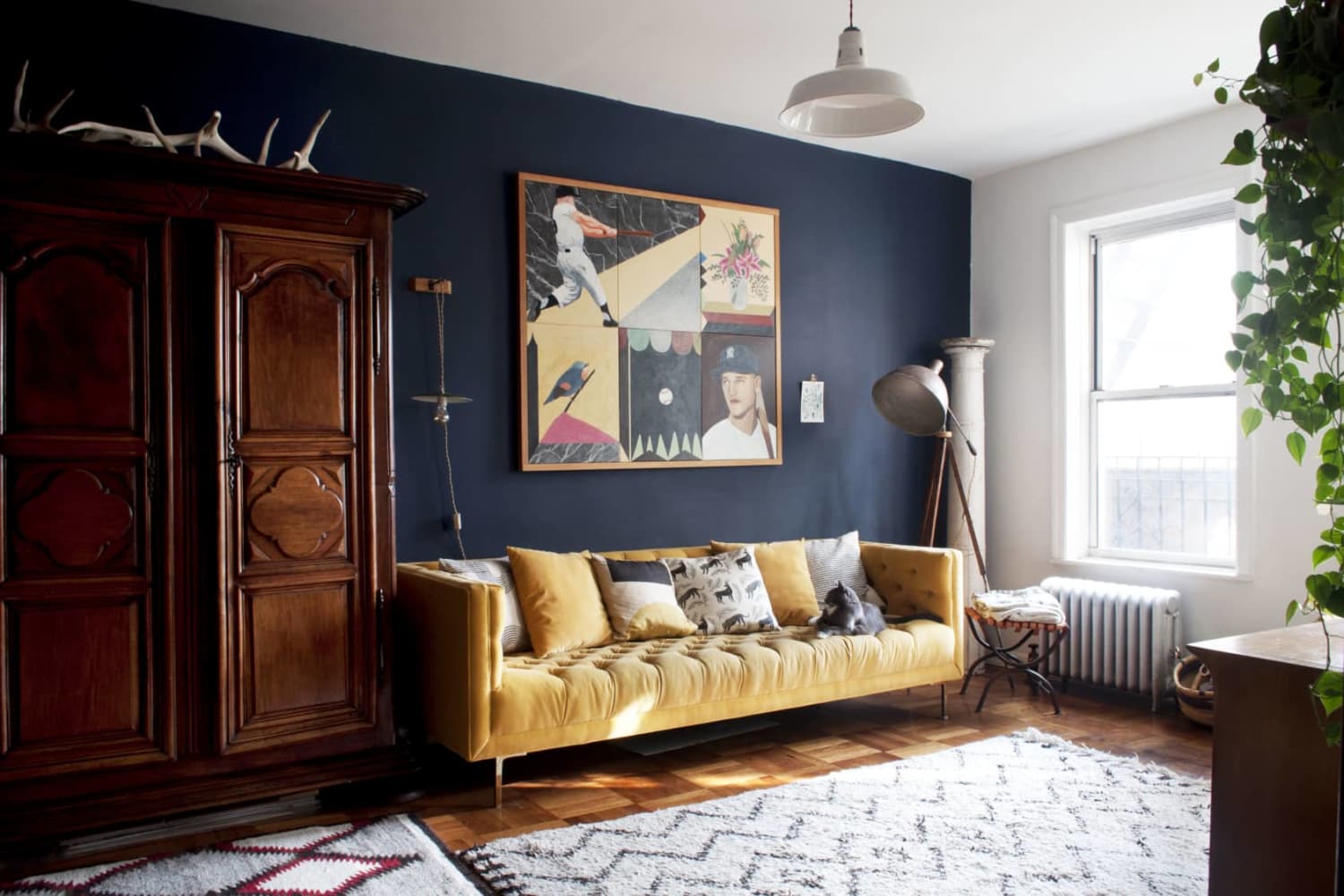
2 months agoThis $0 European Decor Trick Is Absolutely Genius
Traveling to different home trade shows is a big part of my job, and sometimes it's hard for me to fully turn my editor brain off after a day of scouting new products and design trends. The fallout? I'm always looking at my surroundings and snapping photos of clever decorating ideas I see "in the wild." And what I mean by that, of course, is that every restaurant, museum, hotel, store, and so on has something to share.
Berlin
Renovation
fromRedfin | Real Estate Tips for Home Buying, Selling & More
1 month ago5 Reasons Why Lighting Design Matters More Than You Think in Home Interiors
Thoughtful lighting design enhances home comfort, style, and well-being by supporting circadian rhythms and transforming how spaces feel and function.
fromYanko Design - Modern Industrial Design News
3 months ago5 Interior Design Trends That Just Made Minimalism Obsolete in 2026 - Yanko Design
Architects today see the home as more than just a place to live. It is now understood as a space that affects how people think, feel, and live each day. By 2026, the field has clearly moved away from cold, uniform minimalism. Instead, design choices such as color, shape, and proportion are made with clear intent, helping to create spaces that support everyday life.
Design
fromTasting Table
2 months agoThese Neutral Kitchens Prove That Less Is Sometimes More - Tasting Table
But as everyone is chasing micro-trends, choosing a neutral kitchen and following your personal style comes across as more wise and timeless than ever. As seen in the 10 neutral kitchens below, hues like whites and off-whites, blacks, grays, beiges, and earth tones can be combined in infinite ways and applied to different textures and materials, to create kitchens that are dynamic, clean, and classy all at once.
Design
fromRemodelista
2 months agoFuture Tense: 11 Design Trends for 2026 - Remodelista
Pigments Instead of Paints Experimental Art Spaces Return to Analog Above: You've probably seen the recent surge of "analog bags": tote bags filled with knitting, small sewing projects, crossword puzzles (the kind on paper), and other things to fill in-between moments. Call it analog, call it DIY, but making things-and antidotes to doomscrolling-is a move we can get behind in 2026. Photograph via artist Kate Kilmurray from Natural, Hand-Woven DIY Potholders Will Have You Revisiting a Childhood Craft.
Renovation
fromYanko Design - Modern Industrial Design News
2 months ago5 Furniture Trends That Just Made IKEA Look Obsolete in 2026 - Yanko Design
Furniture is now understood as a core architectural component rather than a purely functional addition to a space. In 2026, instead of sharp, rigid forms, current design directions favor softer, organic silhouettes that promote comfort and visual calm. These shapes help create interiors that feel more balanced and human-centred, supporting everyday use while enhancing the emotional quality of the environment.
Remodel
[ Load more ]