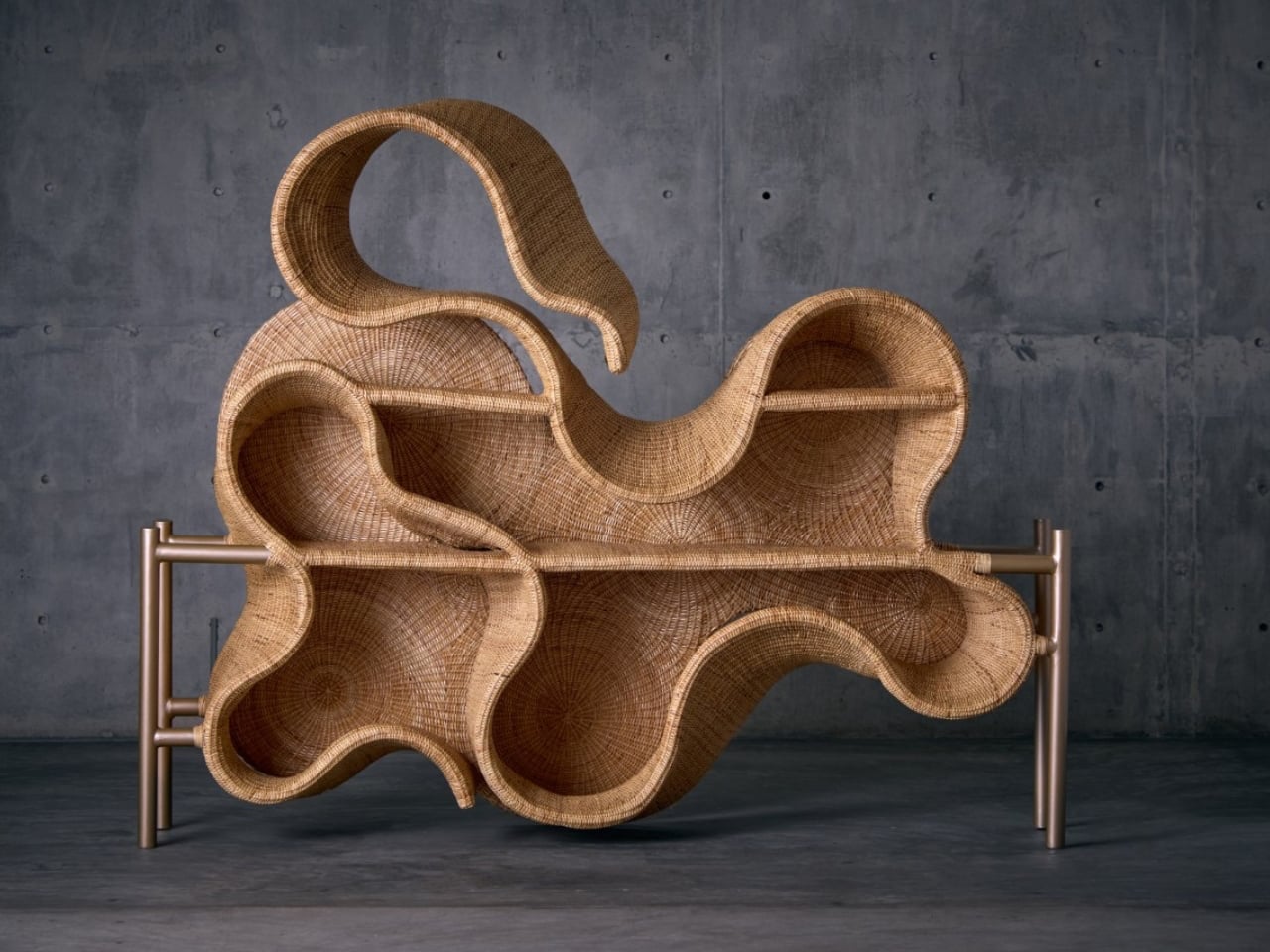
"Architects today see the home as more than just a place to live. It is now understood as a space that affects how people think, feel, and live each day. By 2026, the field has clearly moved away from cold, uniform minimalism. Instead, design choices such as color, shape, and proportion are made with clear intent, helping to create spaces that support everyday life."
"In 2026, color is no longer decorative; it is treated as a structural design tool. Designers are increasingly using deep, confident shades such as rich pinks and earthy ochres to give spaces character and visual weight. These strong palettes help anchor interiors, making homes feel intentional, expressive, and memorable rather than neutral or generic. Such colors also offer clear psychological value. They create a sense of stability, warmth, and emotional comfort, adding long-term value to a space."
Homes are conceived as human-centered biophilic cocoons that use honest materials, natural light, balanced proportions, and thoughtful forms to support emotional well-being and daily life. Color functions as a structural tool: deep shades like rich pinks and earthy ochres provide character, visual weight, and psychological benefits such as stability, warmth, and comfort. Bold hues applied to architectural elements—columns, niches, feature walls—define zones and guide movement. Furniture prioritizes durability and clarity: the Landr dining and conference table exemplifies engineered strength, modular assembly, steel framing, and leg geometry that evenly distributes weight to eliminate wobble while maintaining a clean, confident aesthetic.
Read at Yanko Design - Modern Industrial Design News
Unable to calculate read time
Collection
[
|
...
]