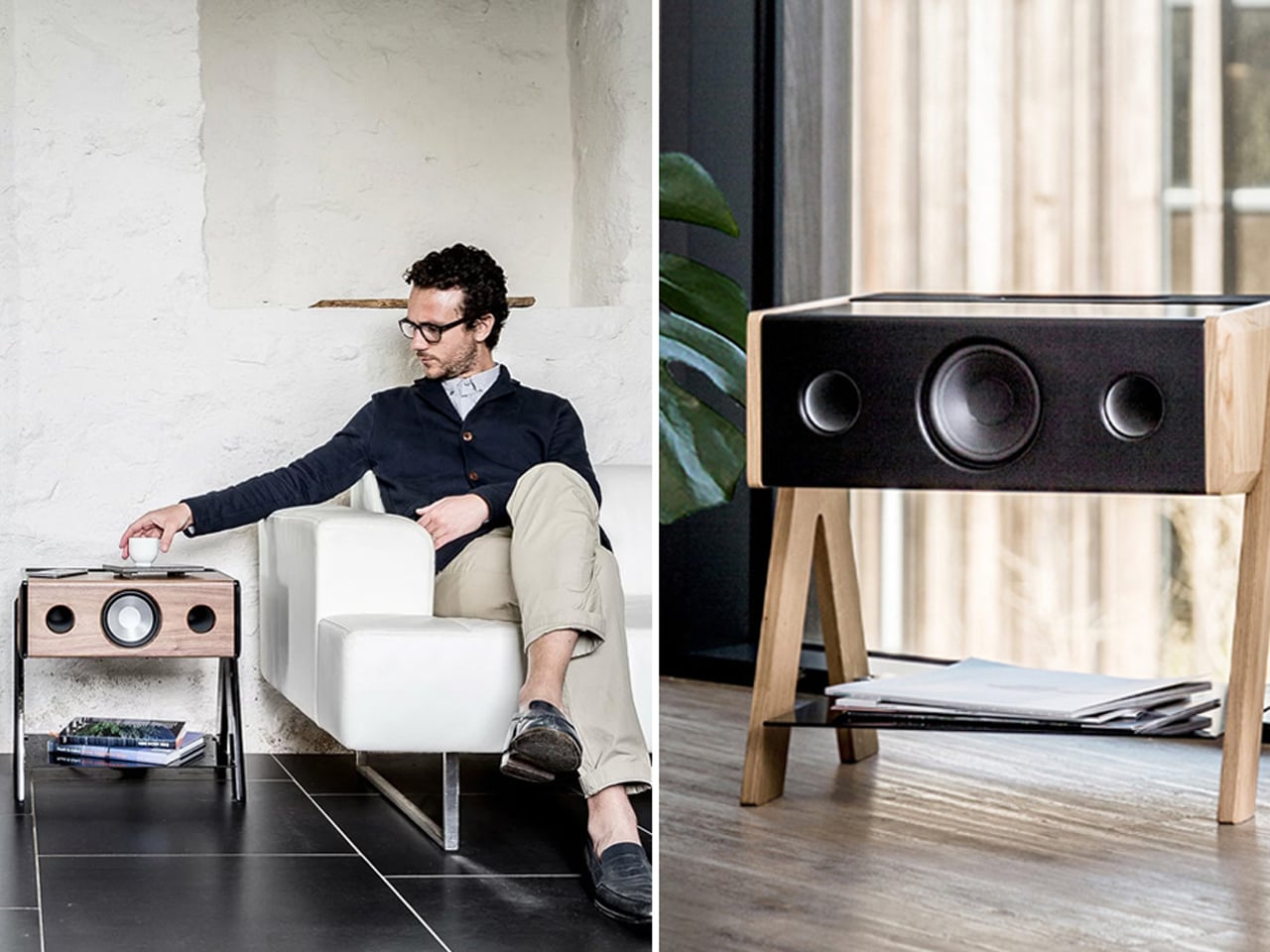
"Furniture is now understood as a core architectural component rather than a purely functional addition to a space. In 2026, instead of sharp, rigid forms, current design directions favor softer, organic silhouettes that promote comfort and visual calm. These shapes help create interiors that feel more balanced and human-centred, supporting everyday use while enhancing the emotional quality of the environment."
"This evolution is reinforced by the use of advanced materials and modular construction systems that improve durability and adaptability. Flexible configurations allow furniture to respond to changing needs, extending product life and long-term value. When thoughtfully integrated, these pieces guide movement and define zones within an interior. Take a look at the furniture trends that remains relevant as lifestyles and design preferences evolve in 2026."
"Design is steadily shifting away from rigid, rectilinear furniture toward softer, curving silhouettes inspired by natural movement. Rounded edges and flowing profiles reduce visual tension, helping spaces feel more relaxed and continuous. These forms also support smoother spatial flow, allowing furniture to guide movement gently rather than interrupt it with sharp transitions. Curved surfaces interact with ambient light in more subtle ways, creating soft highlights and layered shadows that add depth to interiors."
Soft, curving silhouettes are replacing sharp, rigid furniture forms to promote visual calm and ergonomic comfort. Rounded geometries reduce edge damage and improve spatial flow by guiding movement gently. Curved surfaces interact with light to create layered shadows and visual depth. Advanced materials and modular construction increase durability, adaptability, and long-term product value. Flexible configurations enable furniture to respond to changing needs and to define functional zones within interiors. Soft-form pieces suit minimal spaces where shape and proportion become the primary design language. Combined attention to comfort, durability, and emotional quality produces human-centred interiors that remain relevant as lifestyles evolve.
Read at Yanko Design - Modern Industrial Design News
Unable to calculate read time
Collection
[
|
...
]