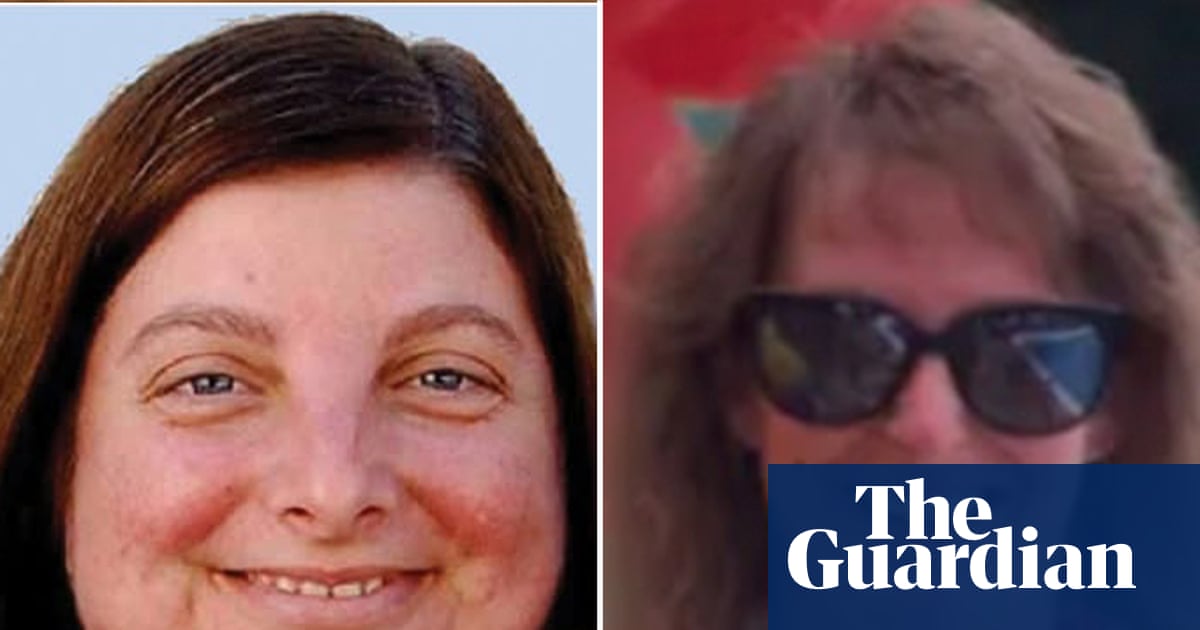
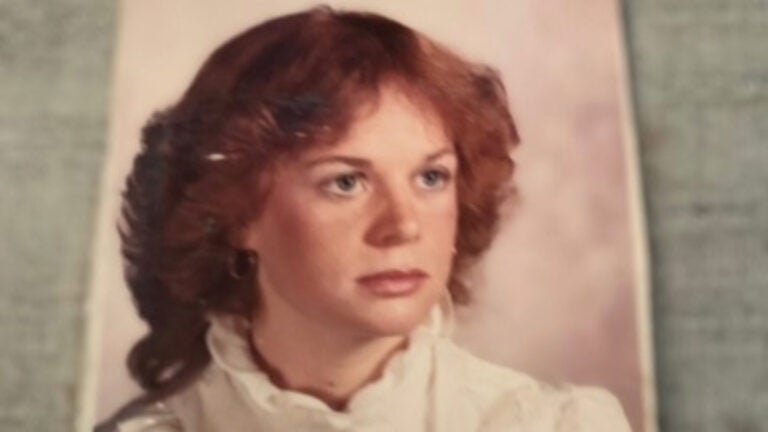
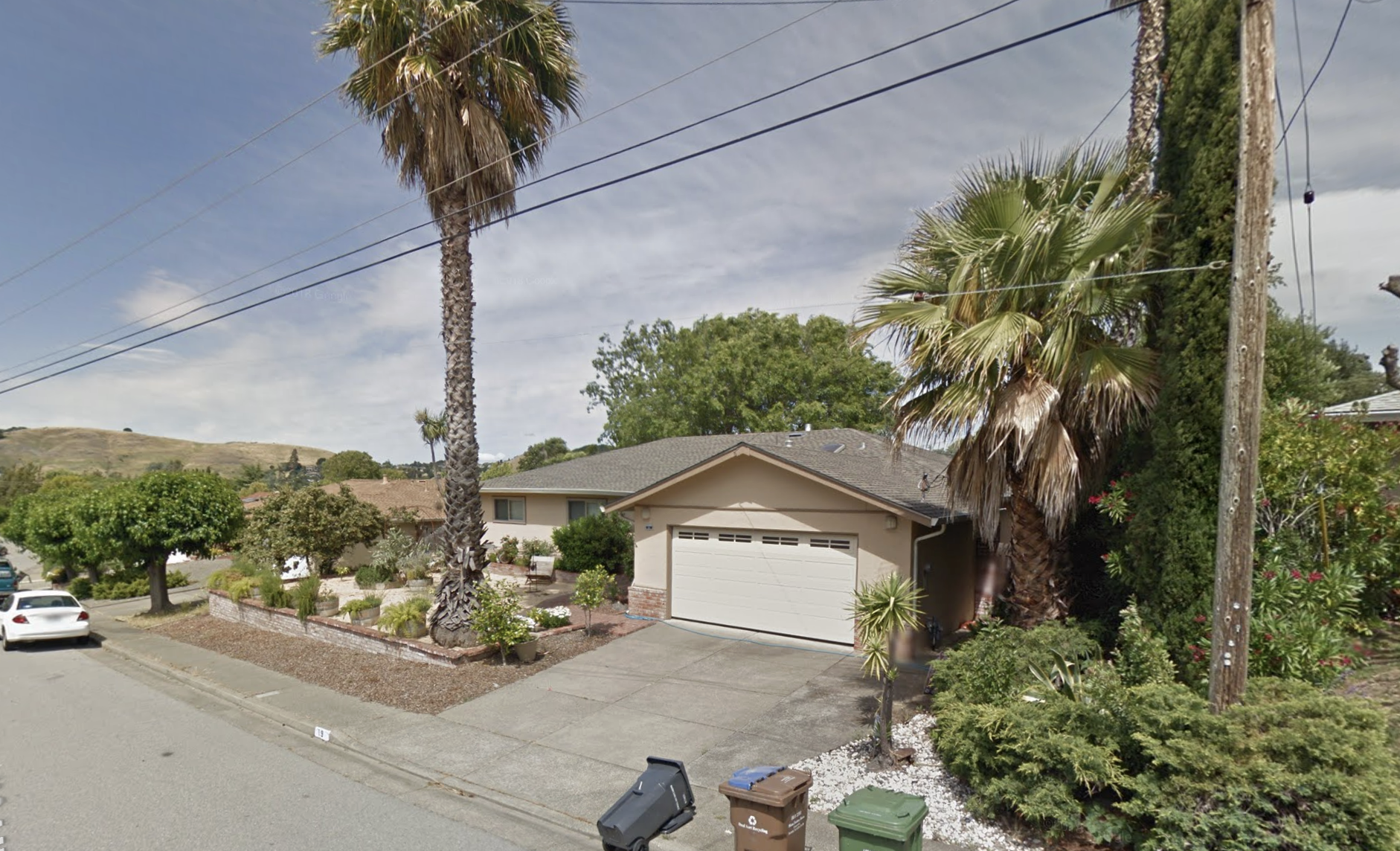
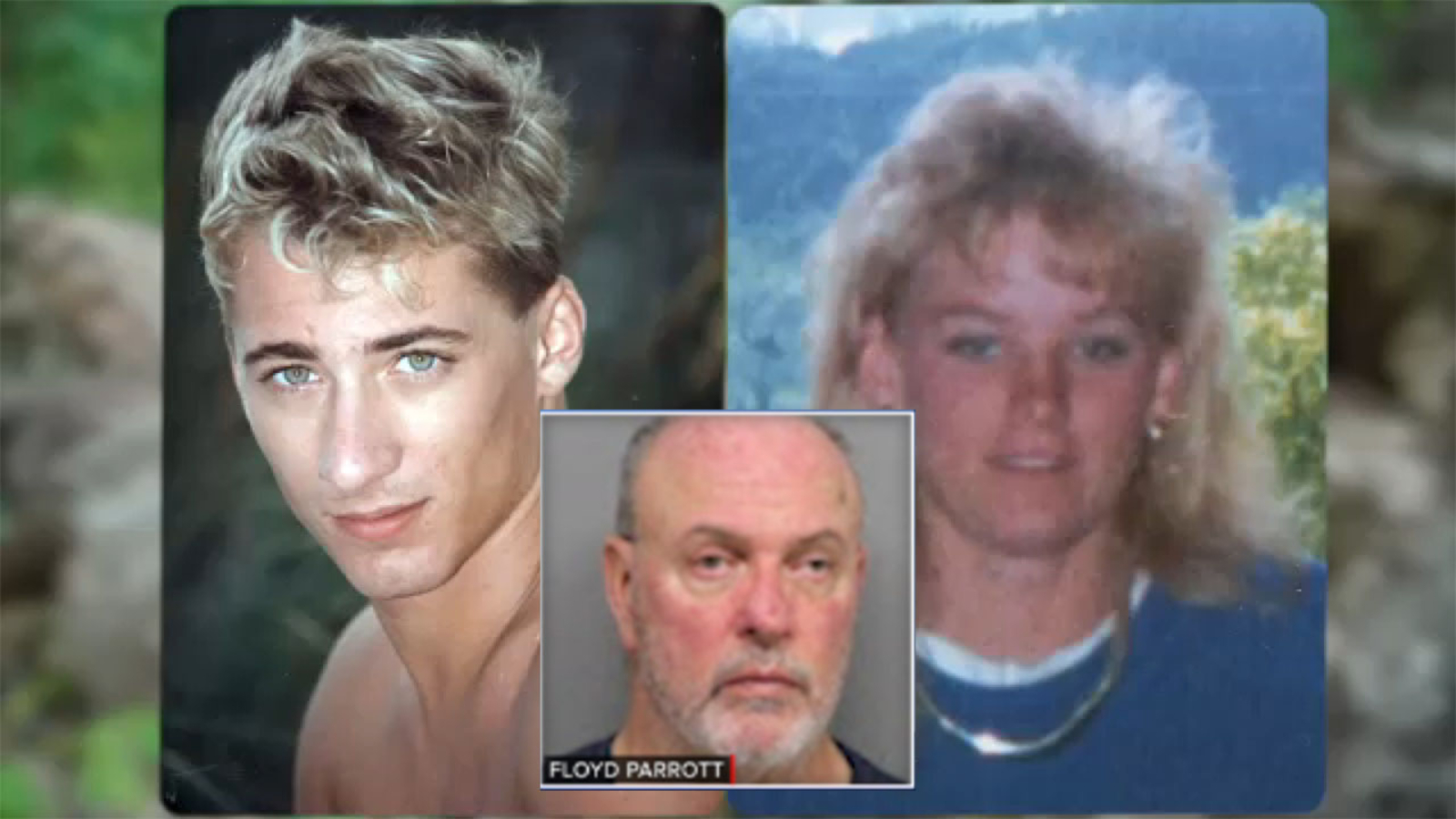
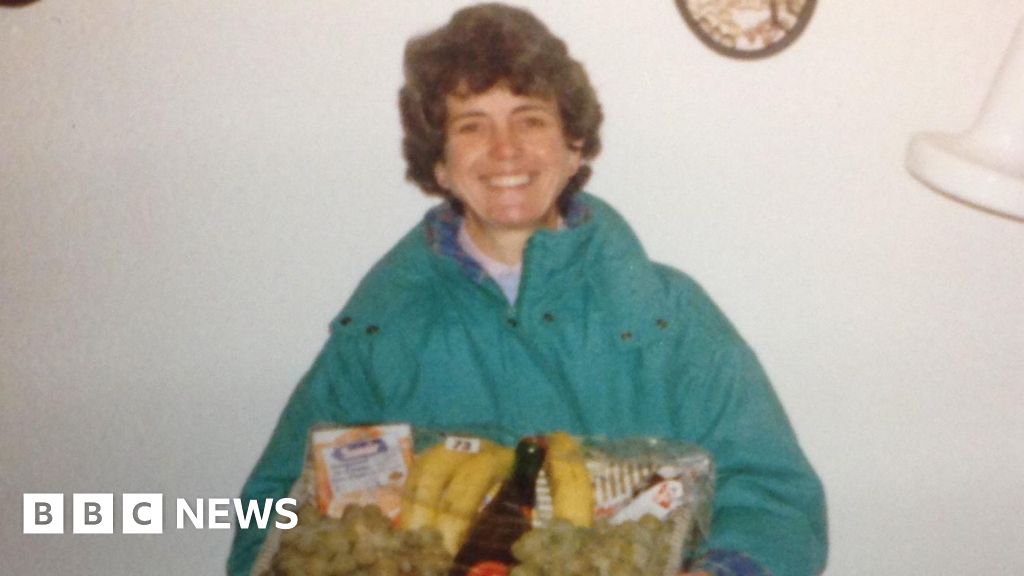
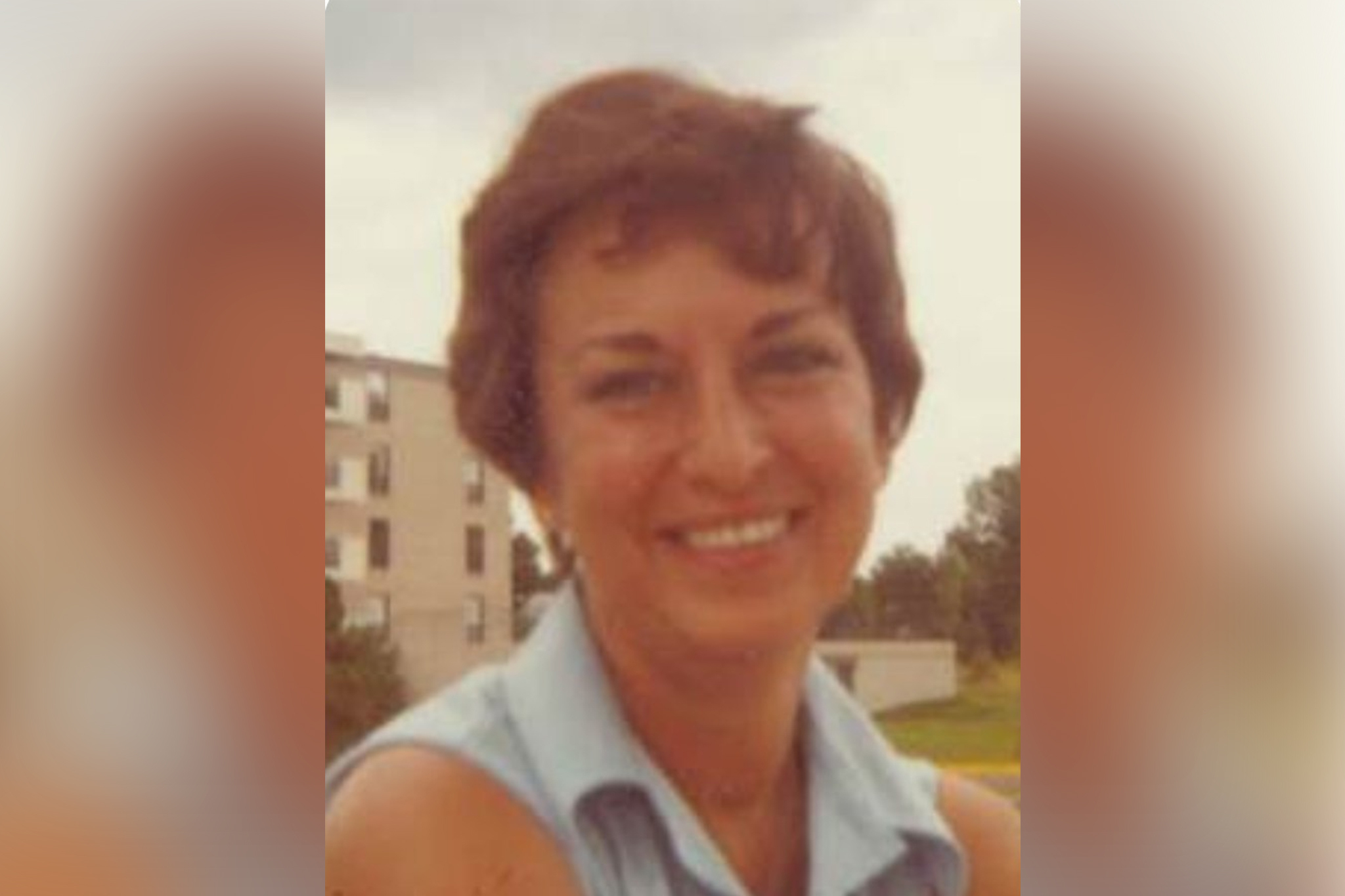
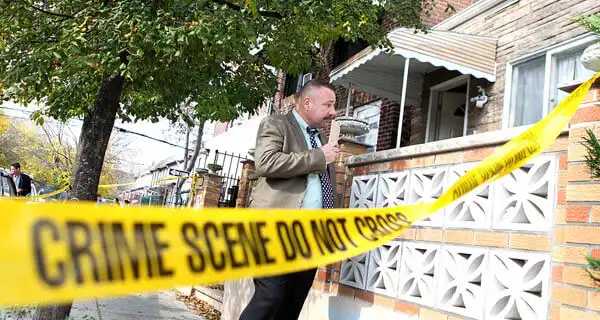
She was a mother of two, a grandmother, a woman whose first husband had been a leading trade unionist, and whose home had once been a hub of political activity. By 1967, she was living alone, twice widowed but still a well-known figure in her Easton neighbourhood. There were no witnesses to her murder, and the police investigation unearthed little to go on apart from a palm print on a rear window.
Detectives instead focused on a dispute Jackson was having with his landlord. "As you can imagine, in 1993 they did not have a lot of the things that we have available to us today to find leads - no electronic footprint like we have these days," Smyth said. "They relied heavily on witnesses, fingerprints, that sort of thing. DNA was in its infancy."
Austin police revealed Friday that Robert Eugene Brashers had been identified as a suspect in the murders through a wide range of DNA testing. Brashers, who had a lengthy criminal history, died by suicide in 1999 at age 40 during a standoff with police in Missouri. The Austin police's announcement follows August's release of a widely watched HBO docuseries that was based on the quadruple homicide and garnered renewed attention to the case.