Music
Music
[ follow ]
#celebrity-death #jimmy-buffett #margaritaville #songwriting #album-release #new-album #hackney-diamonds #upchuck
#bright-eyes

Music
fromBrooklynVegan
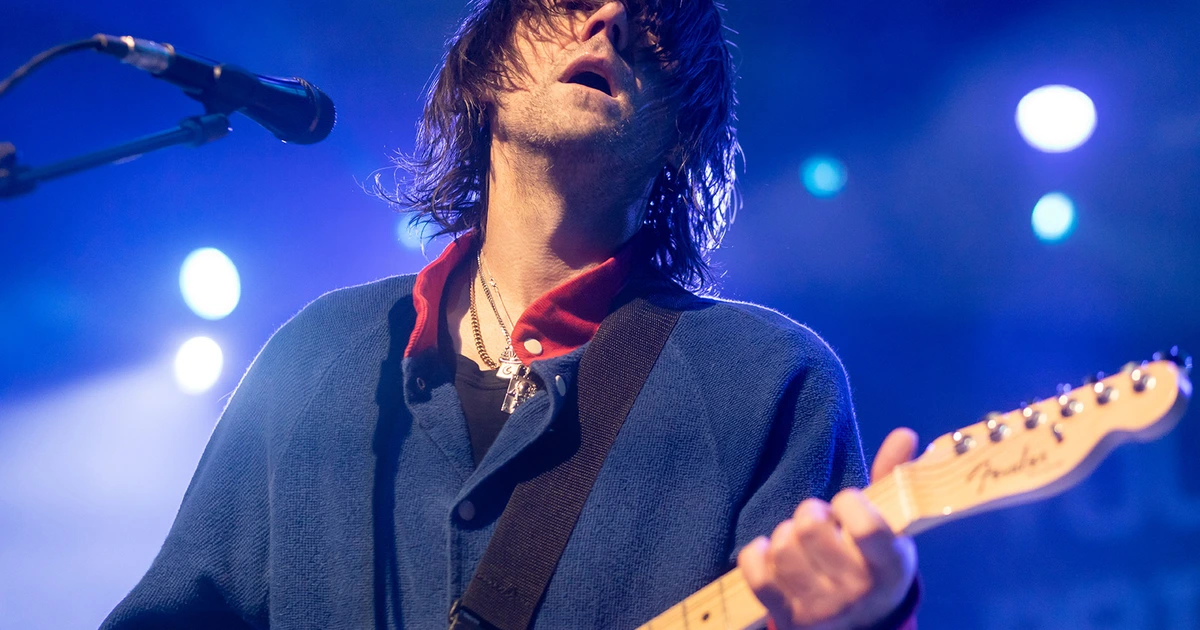
18 hours agoBright Eyes brought out Ben Kweller for "Let's Not Shit Ourselves" at 1st of 3 Wide Awake/Digital Ash shows
Bright Eyes marked 21 years of I'm Wide Awake, It's Morning and Digital Ash with rare performances at Red Rocks, including long-unplayed songs and politically themed visuals.

fromConsequence
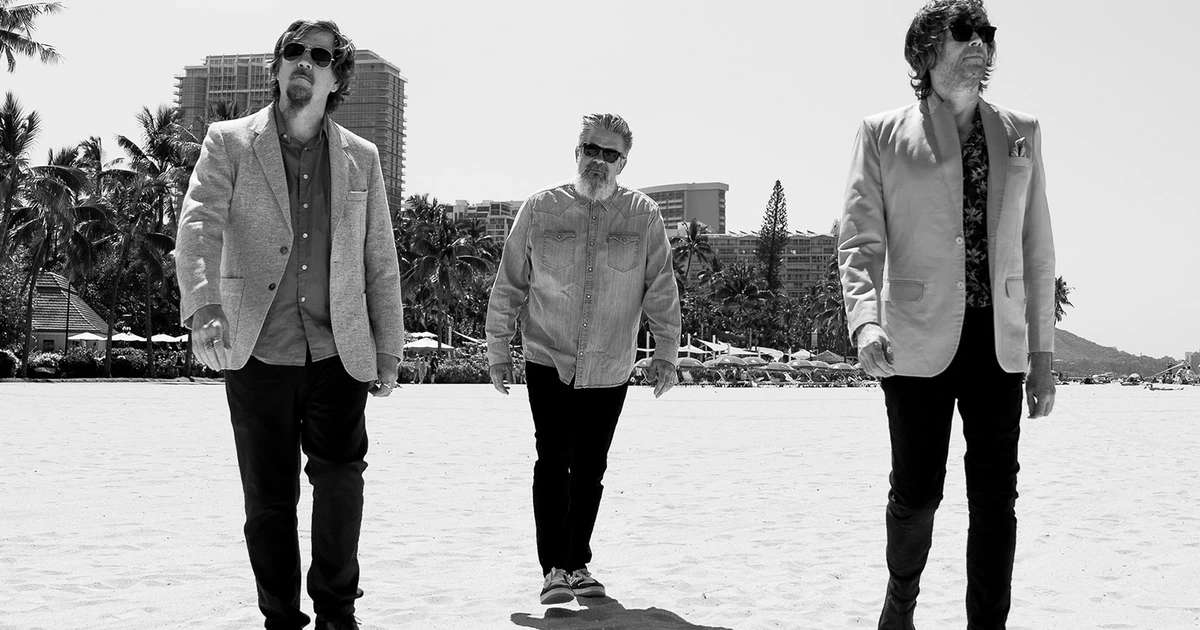
3 hours agoBreaking Benjamin Tease New Album, Unleash Single "Something Wicked"
“Something Wicked” features brooding Tool-inspired verses that explode into a bright and hopeful chorus. The track highlights frontman Benjamin Burnley's strong vocals, with harsh screams and anthemic rock belting aplenty.
Music
fromConsequence
3 hours agoDeep Purple Unveil "Arrogant Boy" as First Single from Upcoming Album
“Arrogant Boy” is the story of Billy who couldn't read or write. He is unhappy with things, so he speaks up, and finds a way of irritating, one way or another, the elite. And I can't think of anything more fun than irritating the elite. It would be a joyous exercise for me every morning after coffee.
Music
#saosin
Music
fromBrooklynVegan
1 day agoSaosin announce 20th anniversary tour for self-titled debut w/ Silent Planet, Like Months to Flames & more
Saosin announced a US tour celebrating the 20th anniversary of their debut, featuring Cove Reber and support from Silent Planet, Like Moths to Flames, and Save Us.
fromBrooklynVegan
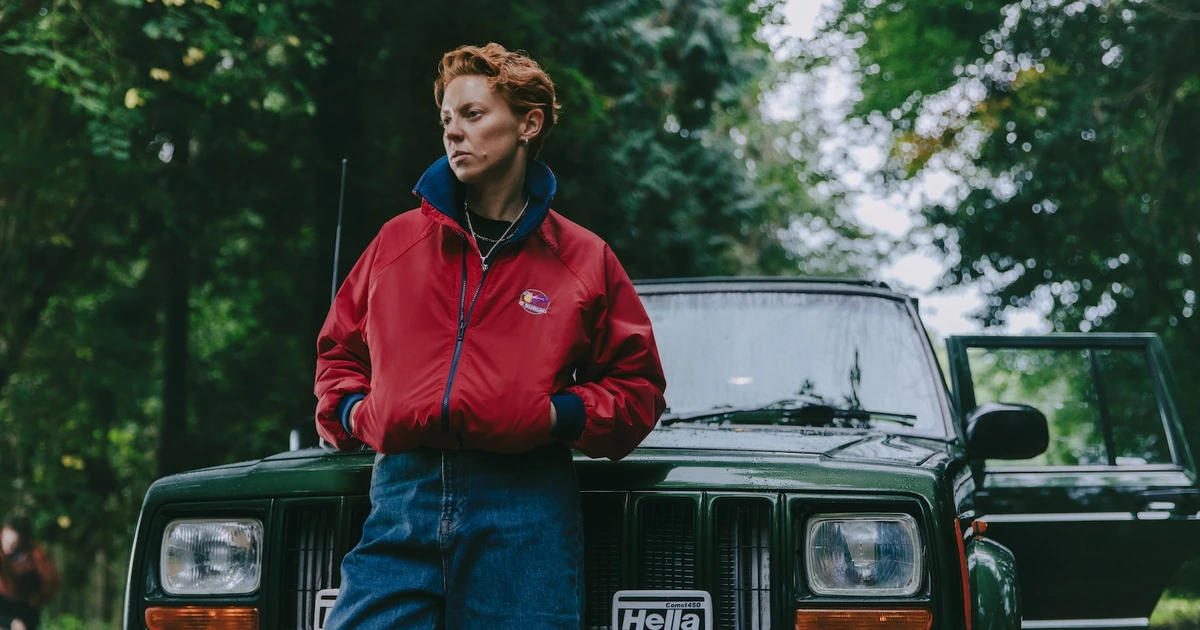
1 day agoHelado Negro & Reyna Tropica announce collab album, share "Tocando"
“There was never a moment where we felt super stuck,” Lange says. “It was just like 'ok what's next?' and even within the songs, trying to create these micro worlds - we just felt excited about each moment.”
Music
fromwww.theguardian.com
1 day agoBeverley Martyn obituary
Having arrived in London at the age of 15 from Broad Heath school in Coventry to study drama at the Corona theatre school, Beverley Kutner, as she was then known, had found herself more attracted to singing in Soho folk clubs than to acting, and had turned down an offer from the Royal Shakespeare Company so that she could be a singer.
Music
fromVulture
1 day agoGracie Abrams Is Your Daughter From Hell
Aaron Dessner, who produced her first two albums, returns for DFH. She teased the new single at the Met Gala last week, telling , "It's the introduction to this new chapter and I feel grateful and relieved that this is the introduction. I love the song so much and I love the people I made it with and it feels embodied and that feels good. So I'm excited for it to belong to everyone else."
Music
Music
fromMetro Silicon Valley | Silicon Valley's Leading Weekly
19 hours agoBrns in Menlo Park | Metro Silicon Valley | Silicon Valley's Leading Weekly
Børns blends androgynous, soulful performance with polished presentation, achieving commercial success while exploring identity and musical genres.
fromConsequence
1 day agoMotley Crue Perform Iconic Hits with Carrie Underwood on American Idol Finale
The performance started with Tommy Lee on piano as the band played the ballad “Home Sweet Home” with singer Vince Neil duetting with Underwood. Lee then jumped on the drums as the Crüe launched into the hard-rocking “Kickstart My Heart,” with Underwood's powerful pipes giving the chorus some extra punch.
Music
Music
fromwww.theguardian.com
3 days agoDied Pretty's Doughboy Hollow: can Australia's most overlooked album finally find the audience it deserves?
Doughboy Hollow’s finished mix initially unsettled its guitarist, then instantly electrified label staff, later becoming a cultural touchstone despite limited commercial impact.
fromwww.theguardian.com
2 days agoUsing his Terminator voice, Arnie said: Your song. Give it to me. Now': Bad to the Bone's creation and aftermath
I said: Man, we'd better hurry up and write an original song with a catchy intro or, five years from now, people will go, Oh yeah, George Thorogood wasn't he good at playing Chuck Berry or something?' Bad to the Bone is a male fantasy. Let's face it: every guy wants to be bad. We were raised on Hollywood movies and all those tough guys, like Bernardo from West Side Story, or Howlin' Wolf we opened for him in 1974 and he had a ferocious reputation.
Music
fromBrooklynVegan
2 days agoFurnace Fest 2026 has Circa Survive, Underoath playing 'Define the Great Line,' Haywire, Ben Quad, much more
After struggling with "major setbacks" and "financial loss" with their 2025 edition, Birmingham, Alabama punk, emo/metal, hardcore, metalcore, post-hardcore, etc festival Furnace Fest was sold to an outside production company, with founding and managing partner Johnny Grimes departing.
Music
fromConsequence
1 day agoKeith Richards Confirms The Rolling Stones Won't Tour in 2026: "We Can Talk Next Year"
“We can talk next year,” the guitarist told the Associated Press. “At the moment, we're just sort of saying, we've finished the record... [and we're] considering what to do after. Pretty soon, but not this year.”
Music
fromPitchfork
2 days agoRed Hot Chili Peppers Sell Music Catalog to Warner for $300 Million
Red Hot Chili Peppers have sold their recorded music catalog to Warner Music Group for more than $300 million, reports . The deal includes all of the band's recorded output, including their 13 studio albums, which reportedly generate around $26 million annually. Although the band owned their recorded catalog independently for the past year, during which they were allegedly seeking $350 million for the package, Warner is a logical buyer to foot the bill, as the label originally released Blood Sugar Sex Magik and Californication.
Music


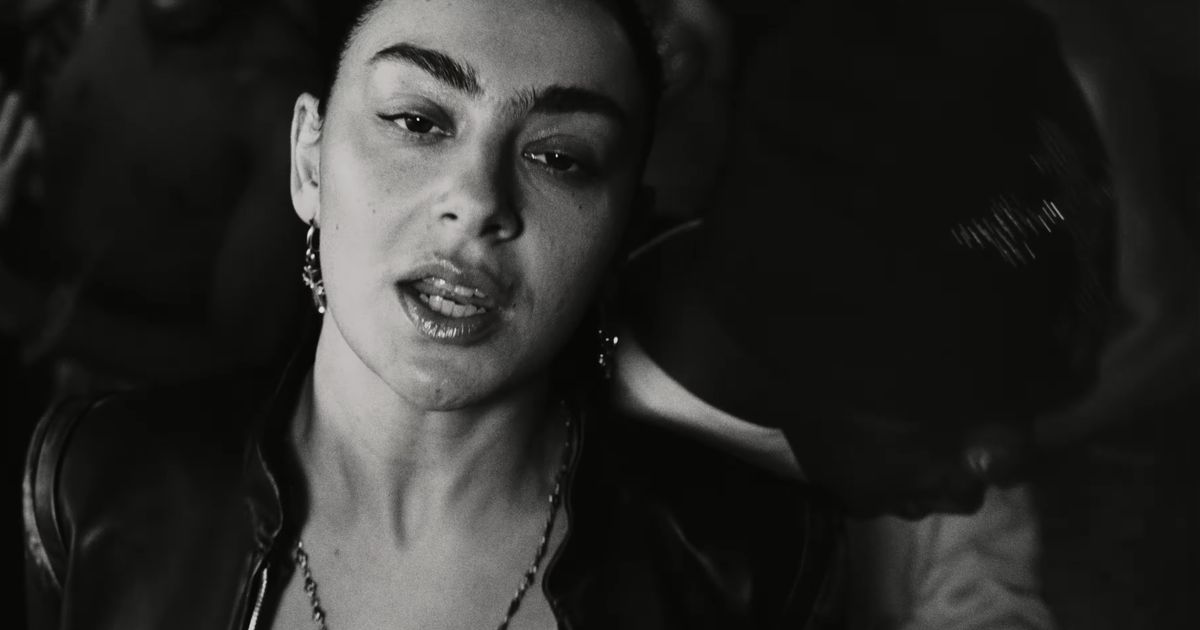

fromBrooklynVegan
5 days agoOur Favorite Songs of the Week (Playlist)
Between our daily coverage, our Notable Releases and Indie Basement columns, and our monthly punk and rap roundups, we post tons of new music all the time here on BrooklynVegan. In an effort to keep track of all the new music we're excited about, we've been posting a new playlist each week with many of the songs we love that were (mostly) released that week.
Music
fromKotaku
4 days agoMixtape Devs Break Down The Game's Soundtrack
“I love Devo, I'm a big Devo fan. There seems to be this weird, Devo-shaped hole in my heart, and when I listen to Devo it just goes in and I feel complete. So I love that song and we started out and then we were like. ‘Well, what if we, what if we built a game around a mixtape with individual tracks?’ [It's] my favorite song of all time.”
Music
fromwww.theguardian.com
5 days agoPaul Simon review at 84, back on stage after hearing loss, his resolute artistry is inspiring
Requiring silence and understanding, it's a hushed and introspective reinvention rather than a euphoric victory lap. Drums are mostly stroked with brushes. The 84-year-old singer-songwriting legend's voice has lost power and range, but frailty and vulnerability have brought intimacy and authority. Smiling as he addresses a cheering Merseyside audience for likely the last time, he calls it a humbling experience.
Music
fromConsequence
4 days agoSleep Token Surprise Release Even in Arcadia Instrumental Album
Sleep Token have surprise released an all-instrumental version of their 2025 album Even in Arcadia, available to stream now. A physical release on colored vinyl will arrive August 7th, and is available for pre-order here.
Music

fromConsequence
6 days agoAvett Brothers and Mike Patton Perform "Disappearing" on Jimmy Kimmel Live
AVTT/PTTN, the collaborative project between the folk-rock band The Avett Brothers and legendary rock singer Mike Patton (Faith No More, Mr. Bungle), performed their song “Disappearing” on Jimmy Kimmel Live on Wednesday night. The performance comes in the midst of the group's US tour ( get tickets here), which runs through a June 20th show in Waukegan, Illinois.
Music
fromGameSpot
6 days agoNew Lego Batman Needle-Drops Kiss From A Rose, Giving Batman Forever The Respect It Deserves
A new trailer for the game has gone live and has done what few pieces of Batman media have been brave enough to do--acknowledge the existence of the 1995 film Batman Forever and one of its official tie-in songs, Seal's Kiss from a Rose. Set against the backdrop of the song--that won Seal the 1996 Song of the Year at the Grammys--the trailer shows off more of Bruce Wayne's journey and how he transforms into Gotham's legendary vigilante, Batman.
Music
fromPitchfork
5 days agoListen to Paul McCartney's First-Ever Duet with Ringo Starr
“Home to Us” is the latest preview of McCartney's forthcoming fifth solo album, The Boys of Dungeon Lane, and also features Chrissie Hynde and Sharleen Spiteri on backing vocals. “Home to Us” is the only track on The Boys of Dungeon Lane that features a guest drummer, and was originally built around a drum track McCartney and producer Andrew Watt asked Starr to record for the album.
Music
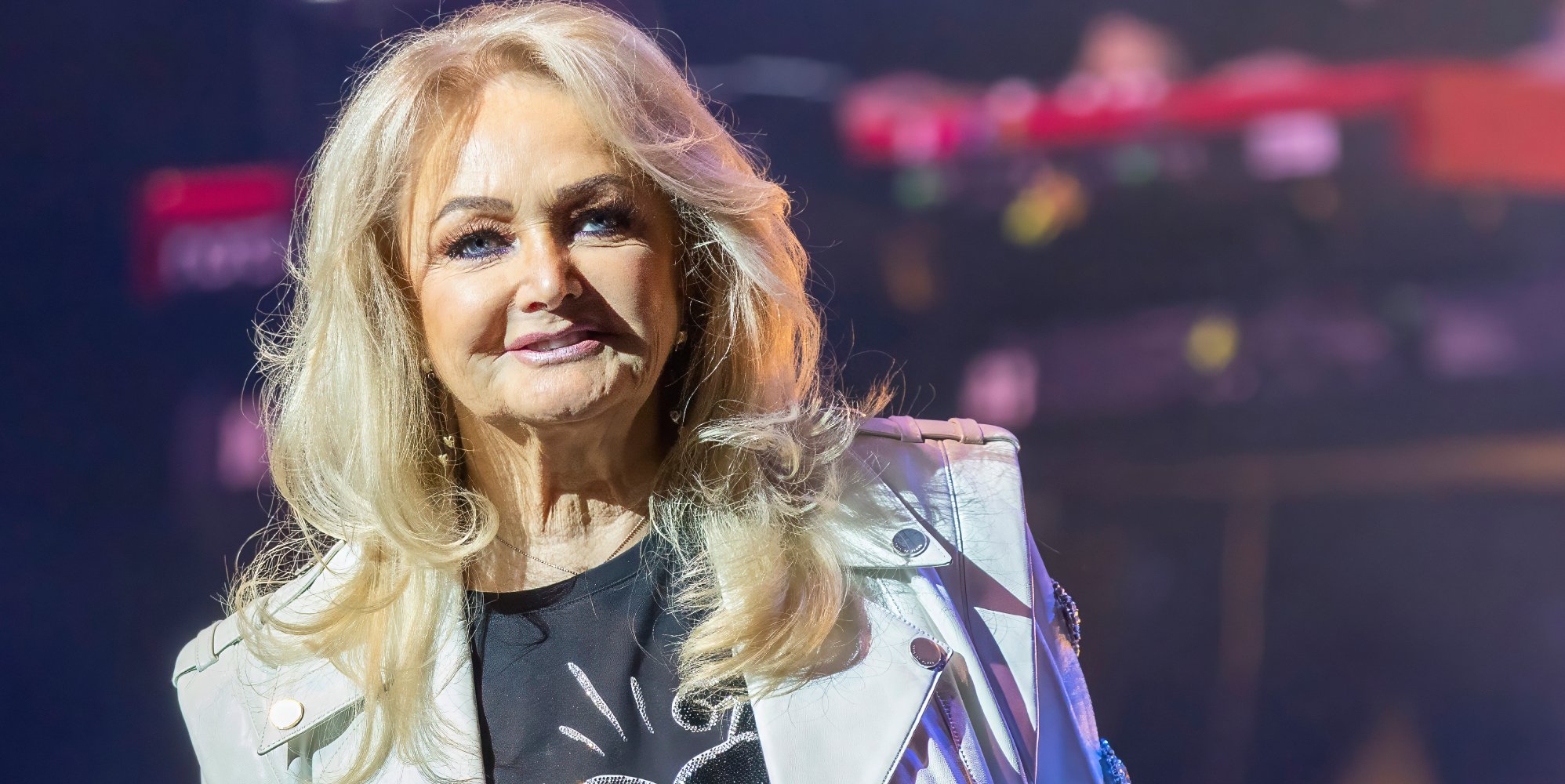

fromPortland Mercury
5 days agoMercury Music Picks: Cabaret Voltaire's Portland Debut, Yuvees Back in Town, and Texas Is-in Fact-the Reason. - Portland Mercury
Editing a print issue takes an incredible amount of time and effort by a huge crew of incredible people-and we're celebrating those efforts with a music issue launch party with live music on Thursday, May 14 at Turn! Turn! Turn!
Music




fromWIRED
6 days agoThis Reggae Band Is in a Nightmare Battle Against AI Slop Remixes
It was exciting. But then once I found it was because of some version that was basically stolen and generated in one click, I mean, it's saddening. Right now, four different versions are going viral. He's getting royalties for none of them.
Music
fromwww.theguardian.com
6 days agoFlutes, freestyles and infectious fun: Lizzo's greatest songs ranked!
Lizzo's contribution to the Barbie soundtrack fitted the film's opening scene perfectly: fluffy, wilfully lightweight disco-pop, with lyrics that split the difference between being knowingly daft and offering a self-empowerment message.
Music
fromBrooklynVegan
6 days agoL7 announce farewell tour (BV Presale for NYC)
When L7 decided to release a documentary in 2015, we thought maybe we would take one last victory lap around the sun by playing some shows. Instead, that lap turned into eleven more years of touring, sweat, new music, and reconnecting with the fans who made this all possible in the first place.
Music


fromwww.npr.org
6 days agoMeet the Tiny Desk Contest finalists: The King Will Come
We are looking for something that we've never seen or heard before. We're looking sometimes for things that we don't even know we want. And that's what we got in this song called 'Welcome' by a Utah group called The King Will Come.
Music
fromwww.theguardian.com
6 days agoArcadi Volodos: Schubert piano sonata D850, Schumann Kinderszenen op15 playfulness, longing and elegance
In the sonata's opening Allegro vivace, he's far less headstrong than, for example, Alfred Brendel or Radu Lupu, but notably more flexible—daringly so at times. Measured phrases are shaded with supple rubato, the line enlivened with tiny dynamic emphases. The expressive slow movement, laced with musical question marks, exudes a calm benevolence.
Music
fromConsequence
6 days agoClutch Announce Fall 2026 US Tour
The outing kicks off October 16th in Charlotte, North Carolina, traveling through New Orleans, Cincinnati, and other cities before ending in Norfolk, Virginia, on November 7th. Tickets for the tour go on sale to the general public on Friday, May 8th, at 10 a.m., with pre-sale tickets available now via Ticketmaster using the code CLUTCH26.
Music
fromEngadget
6 days agoSpotify's AI-powered personal DJ expands to more languages and countries - Engadget
DJ digs into your listening history to spin up a selection of songs you've been listening to lately, old favorites and new releases you might like. You can ask DJ to spin up a faux radio station based on a particular artist, genre, mood or activity.
Music
[ Load more ]