#watering-tips
#watering-tips
[ follow ]
#gardening #sustainability #plant-care #agriculture #climate-change #sustainable-gardening #gardening-tips




fromwww.theguardian.com
4 days agoThe art of grafting: joining two plants together to grow as one is horticultural magic
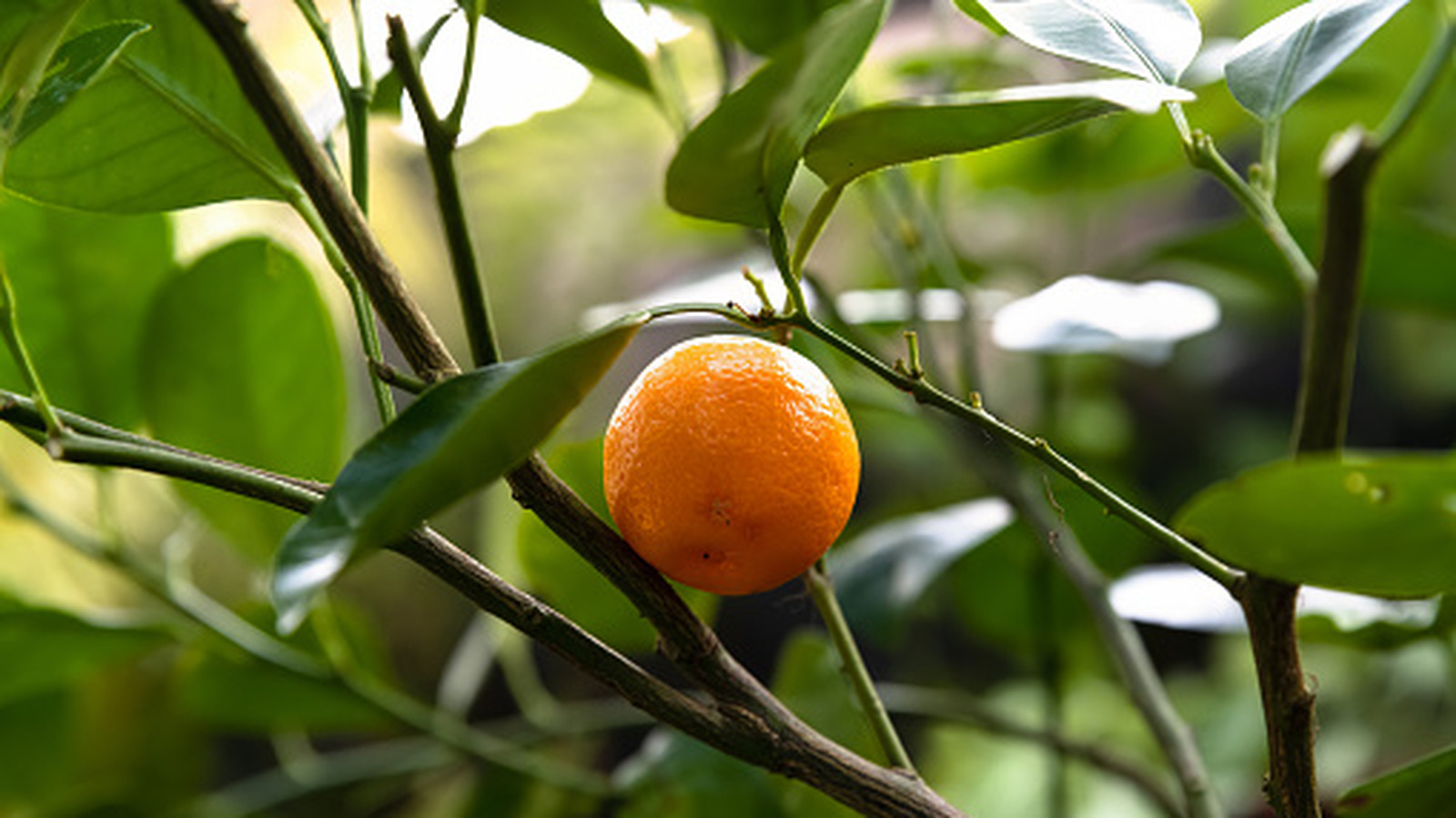
Grafting is the method through which two different plants from the same species or genus are joined together to grow as one. The resulting plant benefits from the qualities of the two different original plants.
Agriculture
fromwww.theguardian.com
1 month agoSmall changes in how we garden can make a big difference to birds | Letter
Around a third of UK gardeners use pesticides, and our studies found that house sparrow numbers, for example, were nearly 40% lower in gardens where the pesticide metaldehyde was used. By reducing pesticide use, you can actively encourage birds back into your outdoor spaces, as they rely on invertebrates such as slugs and snails as natural prey.
Pets
Renovation
fromYanko Design - Modern Industrial Design News
1 month ago5 Greenhouse-Based Designs That Use 90% Less Water Than Yours - Yanko Design
Integrated greenhouse systems transform homes into self-sustaining structures that merge architecture with food production, reducing resource dependence and enhancing energy efficiency.
Environment
fromwww.npr.org
1 month agoMaking wastewater drinkable is a growing trend as water resources become more strained
Treated wastewater recycling for drinking water is becoming a viable solution in water-scarce regions, with Florida, Arizona, California, and Colorado now allowing direct potable reuse through regulated pilot programs.
fromSocial Media Explorer
1 month agoHow to Lower Your Water Bill During a Texas Summer - Social Media Explorer
In many Texas households, outdoor watering accounts for more than half of the total summer water use. The biggest mistake people make is watering in the middle of the afternoon. When the sun is at its peak, a significant percentage of that water evaporates before it ever hits the roots of your St. Augustine or Bermuda grass.
Austin
fromTasting Table
1 month agoUsing Rice Water To Fertilize Houseplants? Avoid This Mistake That Could Cost You Your Plant - Tasting Table
Rice water doesn't have any additional nutrients that plants need to grow - for example, the nitrogen, potassium, and phosphorus found in conventional fertilizers - and the starchy residue doesn't necessarily "fertilize" your plant. However, it is still water that would otherwise just be dumped down the sink, so if you're not saving your rice water for cooking, you might as well use it to hydrate your plants.
Everyday cooking
Environment
fromwww.independent.co.uk
2 months agoThe emergency RHS plans protecting its gardens from threat of water droughts
Independent solicits donations to fund open-access journalism; RHS implements emergency water-capture investments and urges gardeners to prepare for climate-driven droughts and flooding.
Environment
fromArchDaily
1 month agoHow to Design with the Rain: Architectural Strategies for Rainwater Collection across Climates
Architecture must shift from water disposal to active rainwater collection, storage, and reuse through climate-specific design strategies that address distinct precipitation patterns and regional environmental demands.
Agriculture
fromArchitectural Digest
3 years agoWe Asked Experts About the Gardening Mistakes to Avoid This Spring-These Are Their 12 Top Tips
Gardening mistakes are common and costly, but beginners can avoid major pitfalls by starting small, choosing correct locations with adequate sunlight, and understanding plant-specific requirements.
Agriculture
fromTasting Table
1 month agoCan You Grow A Garden From Grocery Store Produce Seeds? - Tasting Table
Growing vegetables from store-bought seeds is possible but results vary based on produce type, growing method, and post-harvest treatment, with hybrid plants producing different crops than their parent plants.
Agriculture
fromModern Farmer
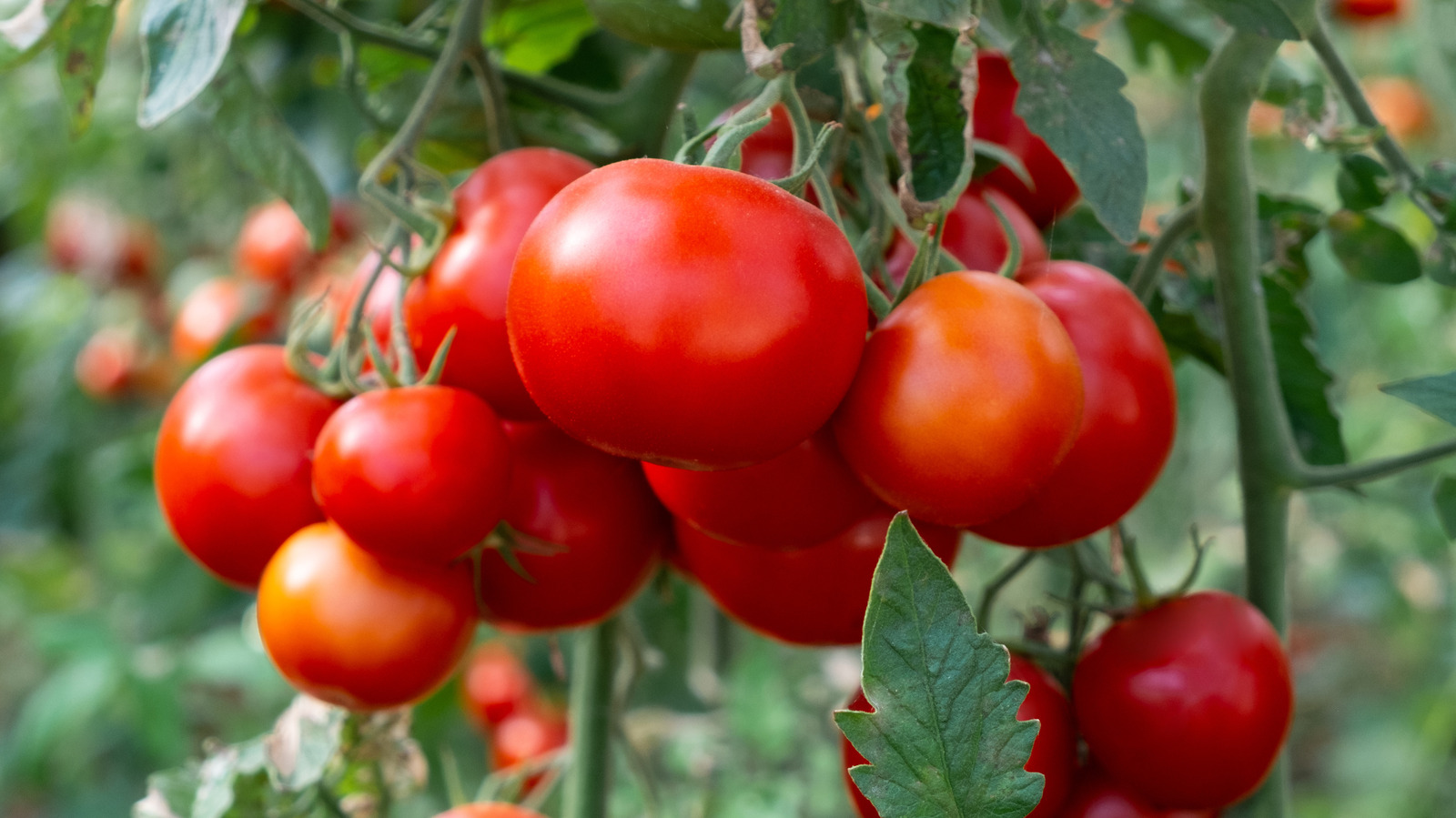
1 month agoHow to Start Tomato Seeds: 5 Expert Growing Tips
Tomato success depends on choosing between indeterminate varieties for long seasons and determinate varieties for short growing periods, then starting seeds indoors four to six weeks before the last frost in most North American regions.
Agriculture
fromRedfin | Real Estate Tips for Home Buying, Selling & More
1 month ago13 Lawn Care Tips to Fix Everyday Landscaping Problems
Practical lawn care strategies including early weed removal, pre-emergent treatments, and proper fertilization can solve most common lawn problems and maintain healthy, thick grass.
Agriculture
fromArchitectural Digest
1 year ago13 Raised Garden Bed Ideas to Elevate Your Backyard This Spring
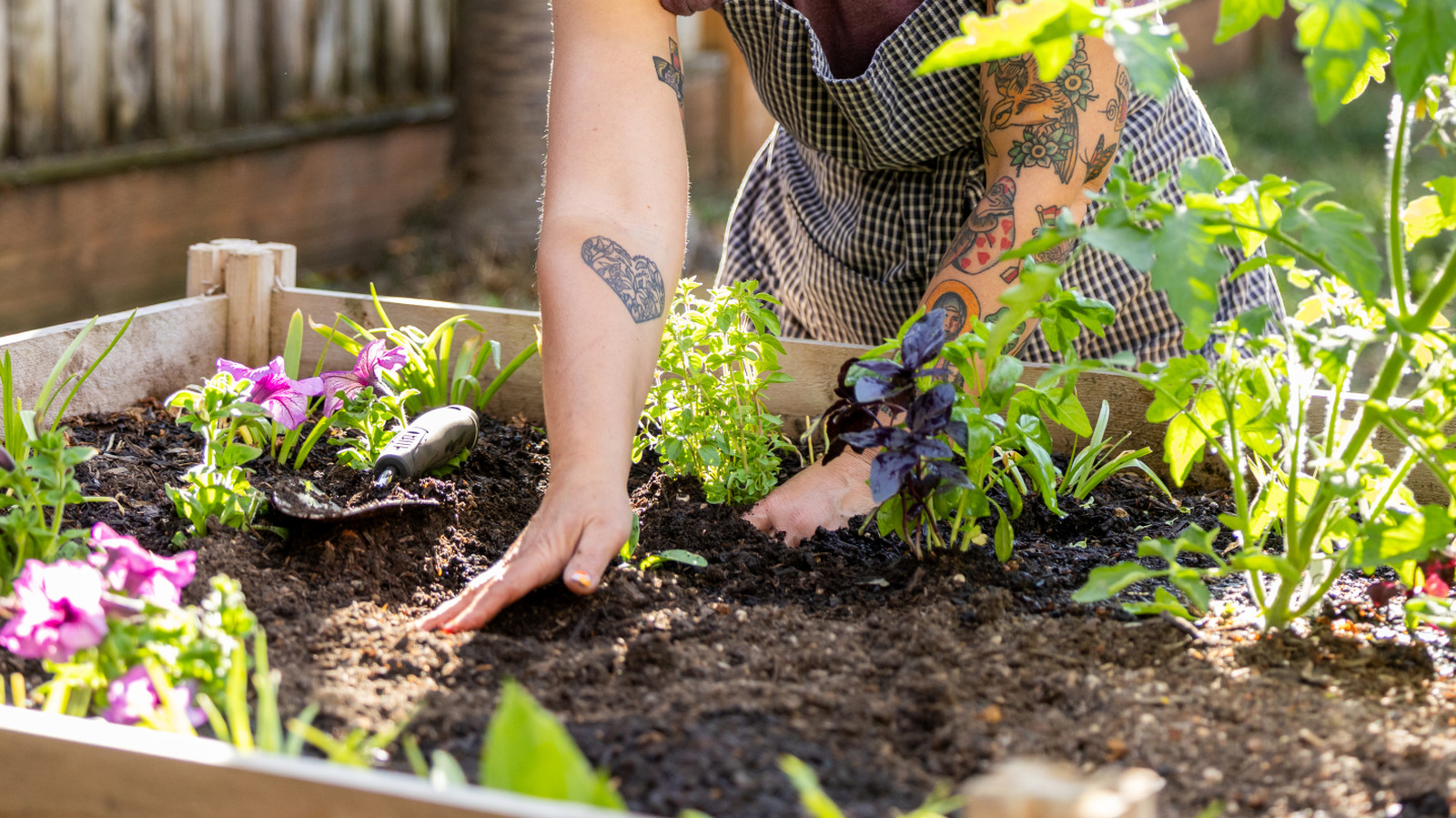
Raised beds allow gardeners to engineer ideal soil conditions, improve ergonomics, protect crops from pests, and enable faster soil warming and easier watering compared to ground-level gardening.
fromwww.theguardian.com
1 month agoWhen it comes to preparing seeds for your garden, you'll reap what you sow
To an unimaginable eye, a seed looks inert. Yet they are packed with genetic information and biological processes poised to unfold. All it takes is the right configuration of signals and stimuli from the environment to let them know it's time to dare to grow.
Agriculture
fromTasting Table
2 months ago15 Fruits And Vegetables You Can Start Growing In Late Winter - Tasting Table
Late winter is when keen gardeners can get a little restless. The weather is still cold, and spring still feels far away. Thankfully, you don't need to wait until the weather warms to start your growing season. There are plenty of fruits and vegetables that can be started in the late winter, ready for a bountiful harvest in the coming months. Each of these plants needs unique care in order to thrive, but thankfully, I can guide you through exactly the right steps.
[ Load more ]