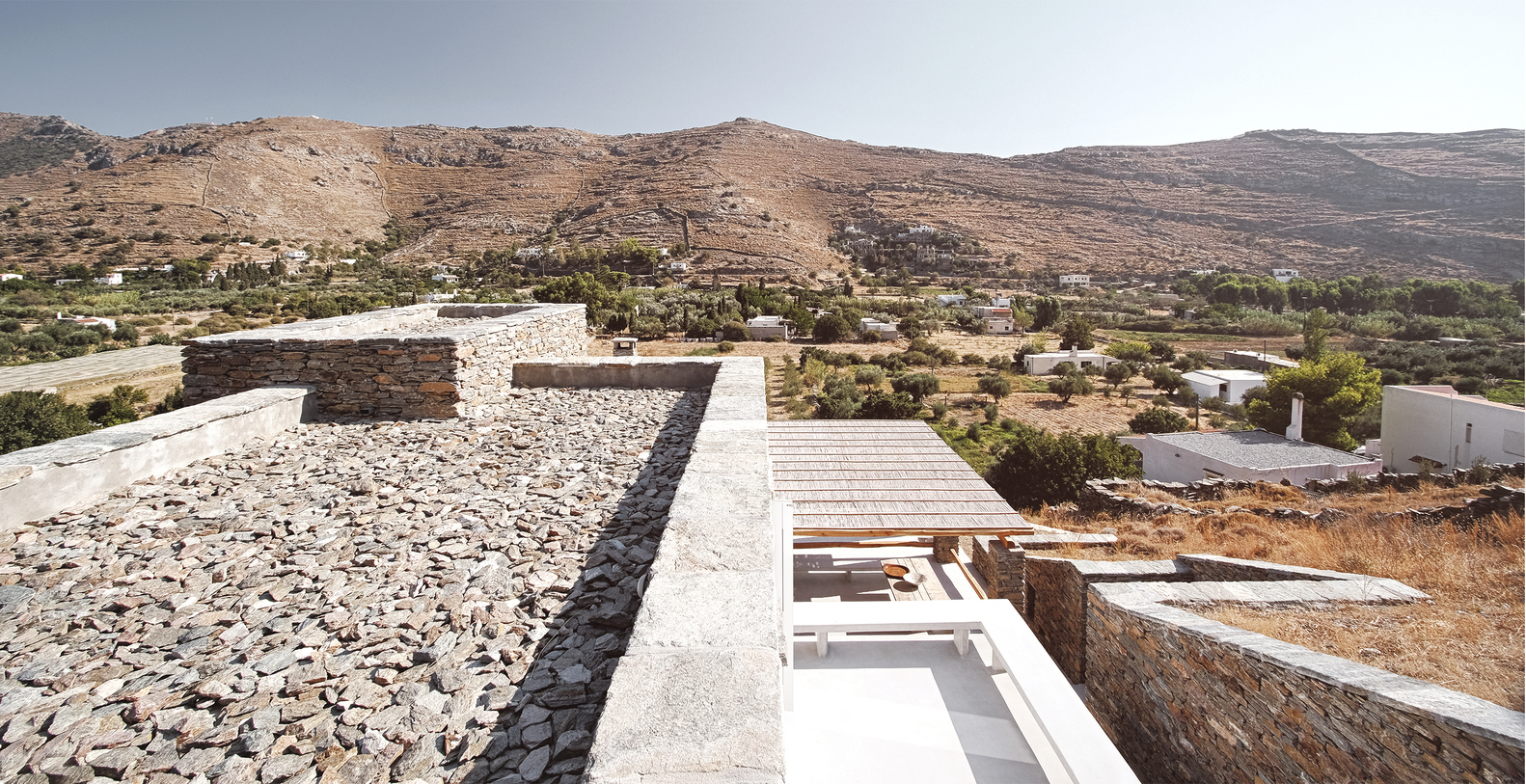
"Architects are increasingly pressed to reconsider how buildings engage with rainfall as an environmental force and a design resource. How can architecture move beyond shedding the excess water to actively collect, store, and reuse it? What would it mean to treat rainwater as a material that shapes resilient and meaningful spaces?"
"Although rainfall occurs worldwide, designing for rainwater management emphasizes climate-specific strategies, as precipitation patterns vary widely across humid tropics, temperate regions, arid landscapes, and Mediterranean climates, each imposing distinct spatial, structural, and material demands. A monsoon climate requires rapid conveyance and flood resilience, while an arid region depends on careful capture and protected storage."
Climate change intensifies extreme weather patterns, creating both flooding and water scarcity challenges that demand architectural innovation. Buildings must evolve beyond conventional water shedding to embrace rainwater as a design resource and material. Effective rainwater management requires climate-responsive strategies tailored to specific precipitation patterns. Humid tropical regions need rapid water conveyance and flood resilience systems, while arid landscapes demand careful capture and protected storage solutions. Mediterranean and temperate climates present their own distinct spatial, structural, and material requirements. This climate-specific approach transforms rainwater management from a technical problem into an opportunity for creating resilient, meaningful spaces that respond to local environmental conditions.
#climate-responsive-architecture #rainwater-management #water-resilience #sustainable-design #climate-adaptation
Read at ArchDaily
Unable to calculate read time
Collection
[
|
...
]