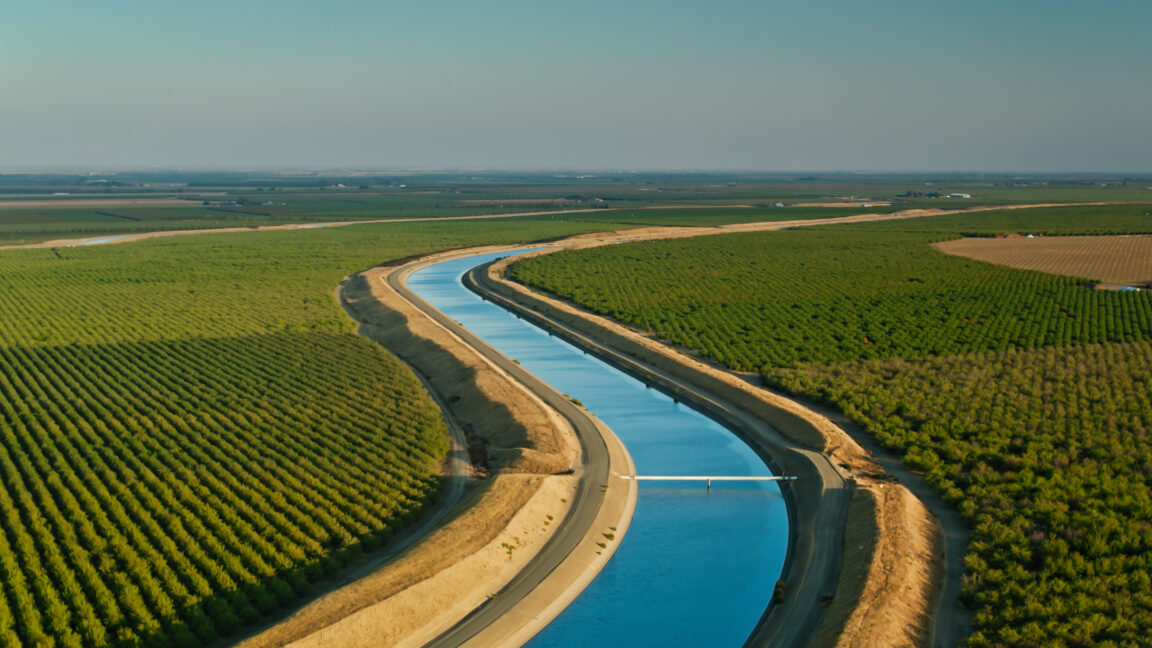
"Groundwater recovery can halt the problem of subsidence and even cause the surface to rebound somewhat, as evidenced in 39 percent of the cases studied."
"Excessive groundwater recovery can lead to flooding of tunnels and low areas, structural issues from saturated sediments, and increased liquefaction risk during earthquakes."
"The amount of time it took to see groundwater trends change direction varied widely, with some cases showing results within a few years while others took decades."
"Identifying areas where groundwater rising above a certain level will cause problems is crucial, as every situation is unique and requires tailored solutions."
Groundwater recovery can halt subsidence and even cause surface rebound, as seen in 39 percent of studied cases like Shanghai and Houston. However, excessive recovery can lead to flooding, structural issues, and increased liquefaction risk in seismically active areas. Additionally, rising water tables can mobilize pollutants and cause soil salinization. Lessons from these cases emphasize the need for multipronged solutions, the variability in response times, and the importance of identifying potential problem areas in advance for effective management.
Read at Ars Technica
Unable to calculate read time
Collection
[
|
...
]