Environment
fromwww.theguardian.com
4 days agoHouseplant hacks: should I let tap water stand before using it for watering?
Leaving tap water out overnight helps reduce chlorine, making it better for sensitive houseplants.
Stagnant indoor air is one of the less discussed reasons houseplants struggle. Fungal spots, mould on the compost surface and pest infestations like mealybugs can all be traced back to a room with no airflow.
Used grounds are slightly acidic and dense. Sprinkled thickly, they can form a crust that repels water and suffocates roots. Instead, mix small amounts into compost (no more than 10%), or add to an outdoor compost heap where worms can break them down properly. Never dump fresh, wet grounds straight on to houseplants. The test I mixed a few tablespoons of dried coffee grounds into the soil
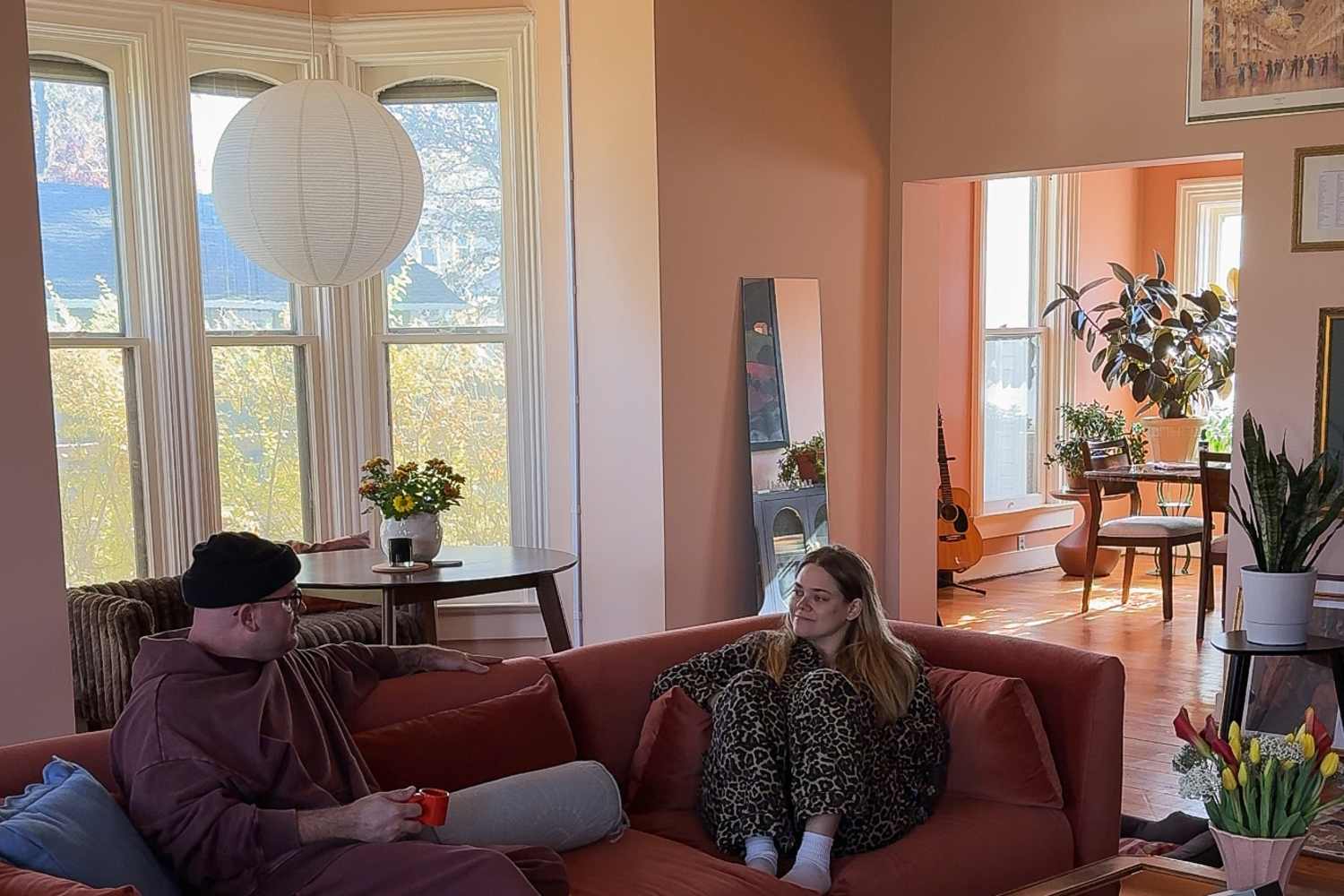
Content creator Celeste Polanco 's New York apartment is a celebration of loft living: high ceilings, a wide-open layout, and abundant natural light that her houseplants love. This airy, intentionally decorated space is also a lesson in finding joy in the everyday. Whether it's a restorative cleaning ritual or an extra-soft throw blanket on the sofa, Celeste knows that all the details add up to a larger feeling of peace, calm, and balance.
I review indoor hydroponic gardens for WIRED and have been a proud plant parent for almost 30 years, so I can say that even if you have a running mental catalog of all your recipient's houseplants and know which ones they don't yet have, you may not know what they have space for, or what kind of substrate or pot they'd like to be using.
As temperatures drop and windows stay closed, indoor air quality becomes a hidden health threat many people overlook. According to Dr. Mercola, a board-certified family medicine osteopathic physician (DO) and multi-best-selling author, the air inside your home can be two to five times more polluted than outdoor air, especially during fall and winter months. Poor indoor air quality affects immune function, energy levels, and overall well-being during a season when your body needs the most support. Fortunately, small changes can make a meaningful difference.
Ladybirds are usually considered a welcome sight in gardens, but they can be just as beneficial indoors, especially when it comes to protecting houseplants from aphids. Aphids are the unwelcome guests that can quickly turn a thriving indoor garden into a battleground. Common culprits include my beloved bird of paradise, yucca, spider plants, alocasia, calathea, lilies, and ferns, all of which are susceptible to these sap-sucking pests.
Dehumidifiers are brilliant for keeping damp and mould at bay, but while they're great at managing humidity levels, they could be quietly working against your houseplants. Most indoor greenery prefers a little moisture in the air, and when humidity levels drop too low, plants can start to show the strain. Crispy leaf tips, yellowing foliage and slow growth are all signs that your leafy companions may be feeling the effects of dry air.
What you are seeing are the fruiting bodies of fungi that were already present in the compost they're very common and usually nothing to panic about. These fungi thrive in moist, organic-rich soil, and mushrooms appear when conditions are just right, often after a period of regular watering and warm weather. While not harmful to your plant, they are toxic if eaten, so keep them out of reach of children and pets.
Great for small spaces/renting! This stackable planter has worked out great. We are currently renting and only have a patio without any grass...we can't wait to have fresh herbs available.