After my phone was stolen abroad, I realized that staying safe while traveling isn't just about carrying the right items-it's about carrying them in a way that doesn't draw attention. Bulky backpacks, neon accents, and flashy anti-theft gear scream "tourist". Now, I rely on discreet safety tools that blend seamlessly into my outfits: a scarf with a hidden pocket, a low-profile money belt tucked under clothes, and a sleek crossbody bag that looks stylish rather than like a security tool.
Traveling is one of the most rewarding experiences in life, but it comes with its share of risks especially when it comes to your health. Whether you're backpacking through Southeast Asia, road-tripping across Europe, or taking a luxury cruise, unexpected medical issues can turn an amazing trip into a nightmare. That's where travel health insurance steps in offering peace of mind and financial protection when you're far from home.
When it comes to first aid on the road, many travelers have been there: a small nick or cut in a new place, followed by a quick reach for hydrogen peroxide in hopes of preventing infection. The fizzing bubbles can feel reassuring, as if germs are being wiped out on contact. But medical guidance has shifted in recent years-and according to research from personal injury claims support site Claims.co.uk, that long-held belief may actually be doing more harm than good.
As a frequent traveler who's been to all 50 states, I've curated the perfect packing list. Noise-canceling headphones and a cashmere scarf make flights more enjoyable. As a solo traveler, I always bring a safety whistle, an additional door lock, and a phone tripod. I've been to all 50 states and have explored everywhere from tiny towns in New England to the mountains of Alaska.
When it comes to safe travel destinations, the Netherlands consistently ranks at the top, especially for women, people of color, and LGBTQ+ travelers. Its progressive values, strong social systems, and long-standing reputation for peace create an environment where visitors feel welcome and secure. That sense of safety and inclusion is more than anecdotal. It's reflected in how travelers recently rated the country.
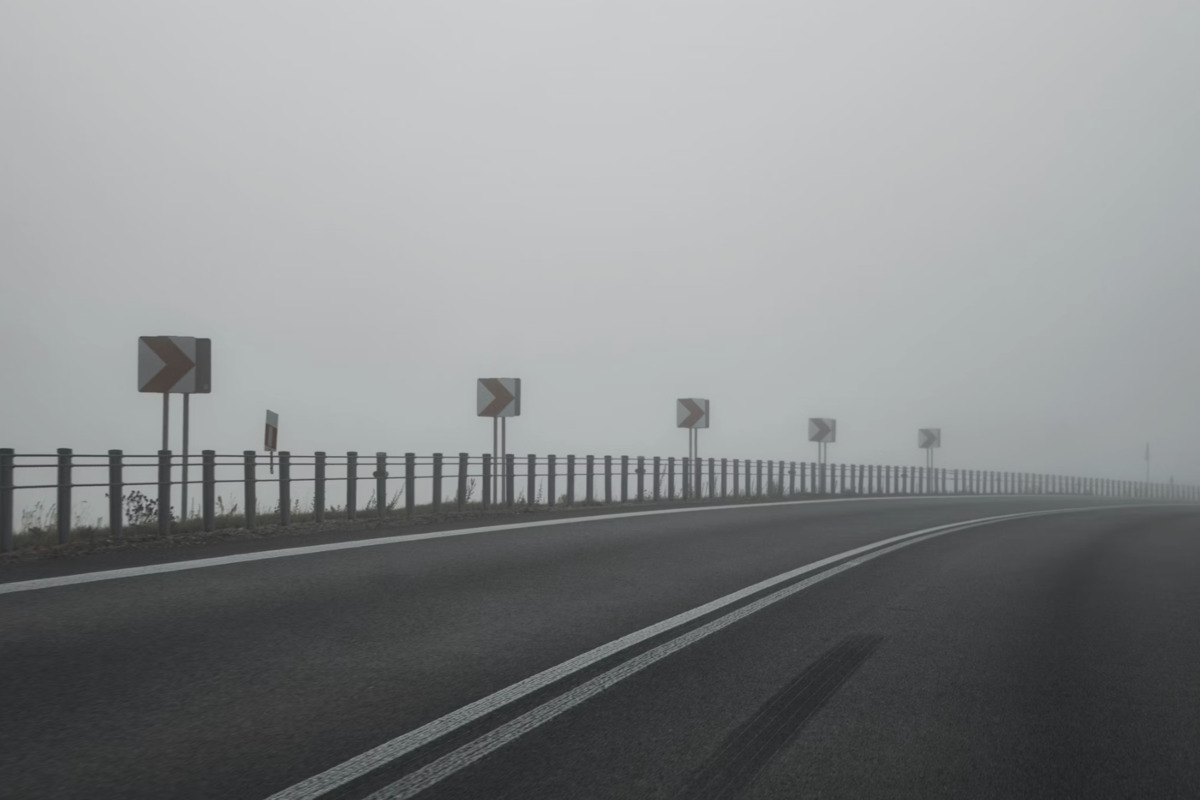
The City of Toronto has been put under a snow squall watch by Environment Canada for Tuesday evening, while other areas of the Greater Toronto Area (GTA) continue to battle winter weather. The squalls are not expected to bring significant snowfall to the city, but visibility may be heavily reduced at times by bursts of heavy or blowing snow, according to an alert issued by Environment Canada late Tuesday afternoon.
A popular myth is that you should try to suck out the venom, but that can actually make things worse, according to Jared Ross, a board-certified emergency medicine physician and professor at the University of Missouri. Ross explains that sucking doesn't create enough suction to remove venom and instead increases blood flow to the area, which can cause the venom to spread.
The advisory is valid from 7 p.m. until Thursday Dec. 4, at 9 a.m. According to the NWS Hanford CA, Very cold wind chills as low as 9 degrees below expected for elevations above 9000 feet. The cold wind chills as low as 10 below zero could result in hypothermia if precautions are not taken. Very cold temperatures can lead to hypothermia with prolonged exposure, according to the NWS.
Emily in Paris paints the French capital through rose-colored glasses. Just as you probably aren't prancing around New York City in Manolo Blahnik stilettos and a tutu à la Carrie Bradshaw in Sex and the City, Parisians are much more toned-down than Emily-and you'll rarely see designer labels flashing loudly on bags or fine jewelry from the likes of Dior.
"With global uncertainty and safety concerns top of mind this year, travelers are more thoughtful than ever with where they choose to explore," Carol Mueller, the head of marketing at Berkshire Hathaway Travel Protection, said in a statement shared with T+L "Our annual report not only highlights the destinations that travelers perceive as safest, but also serves as a valuable resource for planning trips with confidence."
Before we could react, he and his accomplice grabbed our wrists, tied the strings impossibly tight, and suddenly we were surrounded. They demanded money in a way that left no room to say no. My boyfriend tried to hand over a few dollars to get us out of the situation, but they ended up taking $100 before we could escape.
I've only been robbed while traveling once-but that was enough to make me take my personal safety and the security of my belongings seriously. Despite that incident, I'm constantly planning my next getaway, and my TikTok feed is packed with travel hacks, clever gadgets, and safety tips from influencers and flight attendants alike. From scrunchies that secretly double as drink covers to zipper clips that stop pickpockets from opening your backpack, these viral finds prove that travel safety doesn't have to be cumbersome or expensive.
While most hotels do clean their kettles, it's not always a guarantee. In many cases, these appliances might only get a quick rinse between guests ... if that. We already know that high-touch items like phones, remotes, and decorative pillows are often overlooked during cleanings, but kettles might be a different kind of dirty. Why? Because guests often use them for everything except making tea or coffee.