#tsa
#tsa
[ follow ]
#government-shutdown #airport-security #dhs #ice #trump #congress #travel #immigration-enforcement #airport-delays
#aviation-security

SF politics
fromFast Company
5 days agoTSA is quietly testing a new airport security system that could change how you get through checkpoints forever
TSA Gold+ creates a public-private partnership that lets select airports opt into tailored screening services, shifting TSA toward oversight and privatized operations.
SF politics
fromFast Company
5 days agoTSA is quietly testing a new airport security system that could change how you get through checkpoints forever
TSA Gold+ creates a public-private partnership that lets select airports opt into tailored screening services, shifting TSA toward oversight and privatized operations.
#airport-security
Boston
fromFortune
5 days agoTSA's new 'straight to gate' pilot lets Delta and JetBlue flyers clear security 25 miles before they reach the airport | Fortune
Remote TSA screening with shuttle transport will let select Logan passengers bypass terminal security lines via pat-down and bag checks at an off-site location.



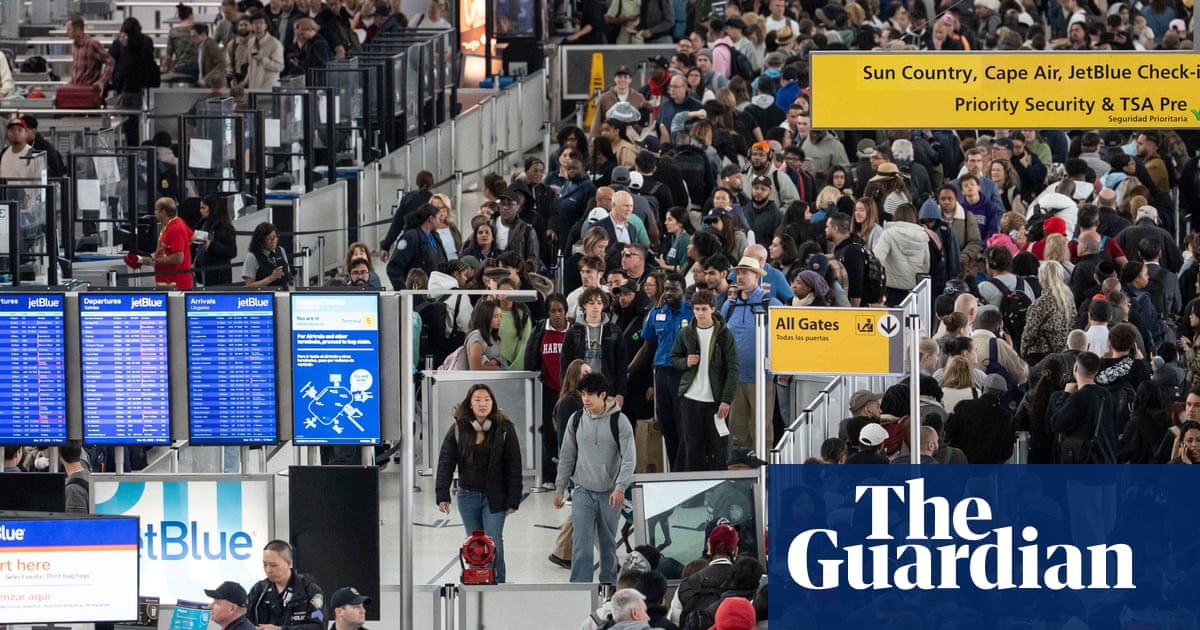
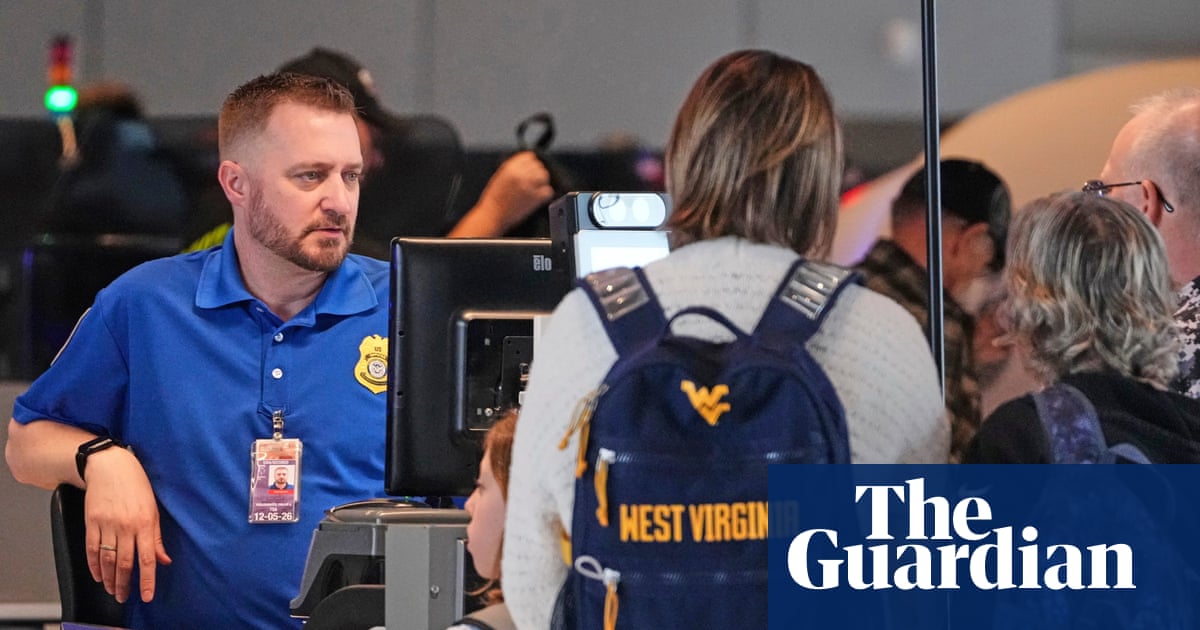
fromTravel + Leisure
1 month agoTSA Agents Can't Believe Travelers Still Make These 12 Airport Security Mistakes-Plus, What to Do Instead
"The top three things that travelers can do to assist with a seamless screening experience are to be prepared, be attentive, and follow the direction of the officer providing assistance."
Fashion & style

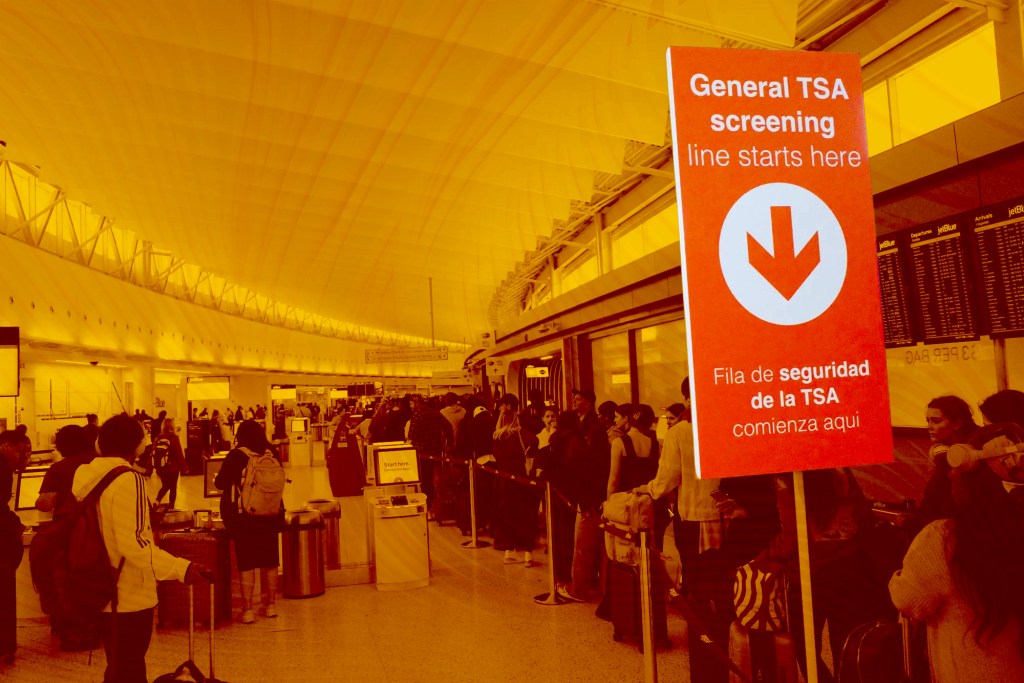
fromwww.theguardian.com
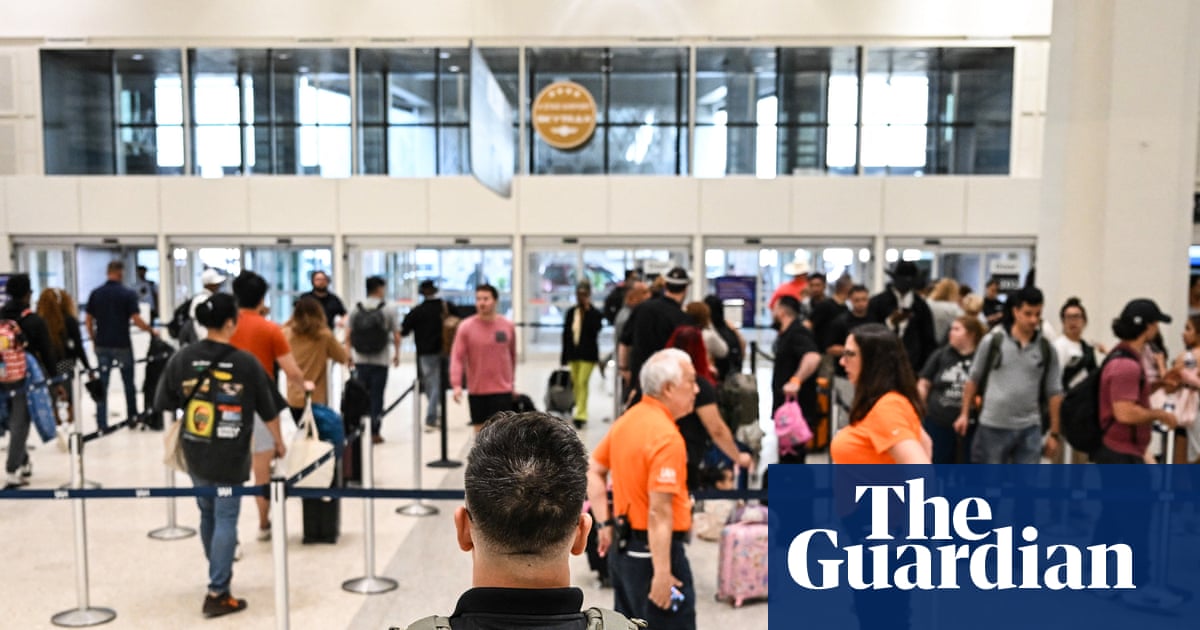
1 month agoUS marine detained after TSA finds live explosive round in checked bag
The marine told investigators he found the round in the field about a year ago and kept it, thinking it wasn't live. Due to extensive rust and corrosion, the round's original identifying paint markings were no longer visible, making it difficult to determine whether it was an inert training munition or a live explosive device.
Los Angeles
#trump
US politics
fromFortune
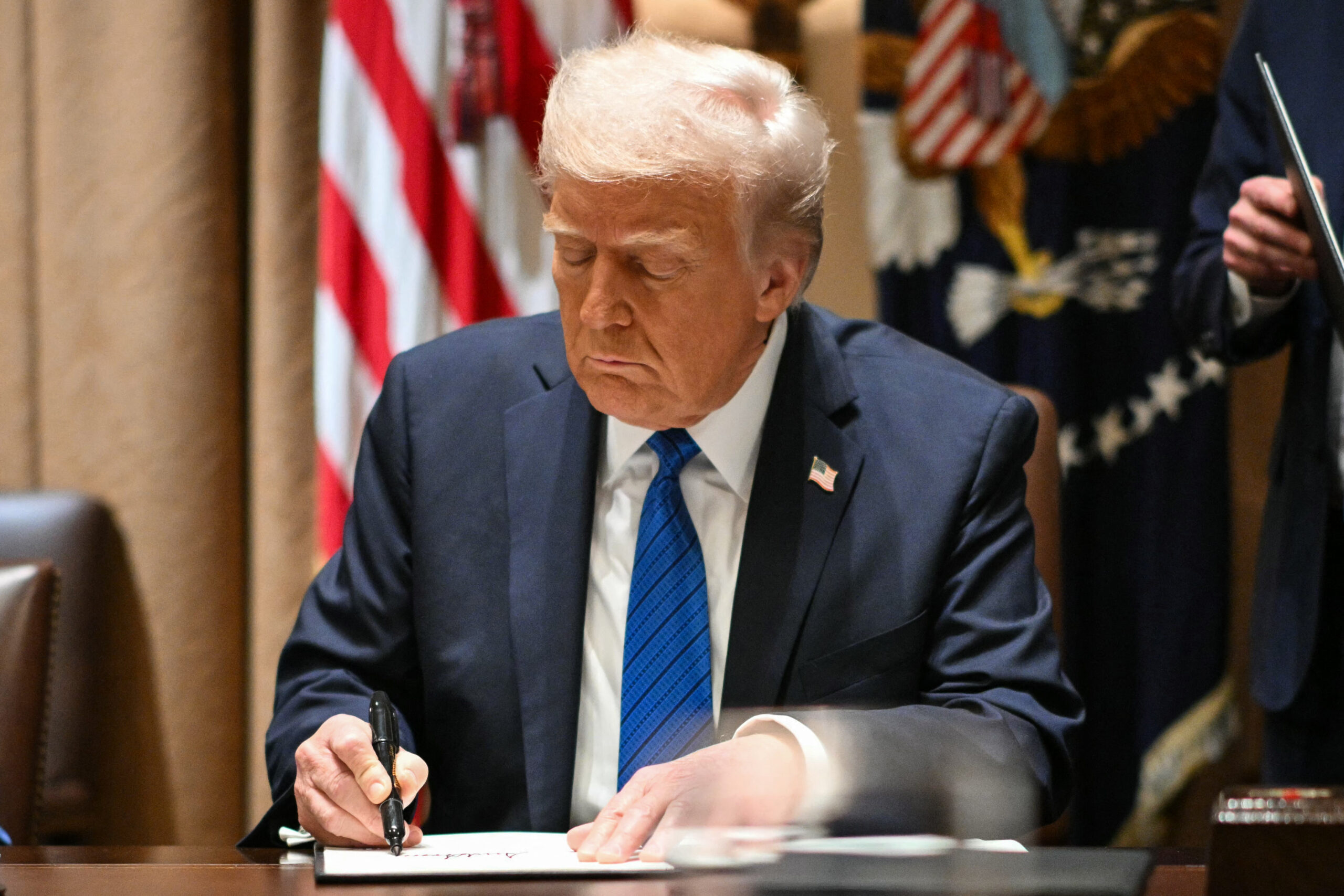
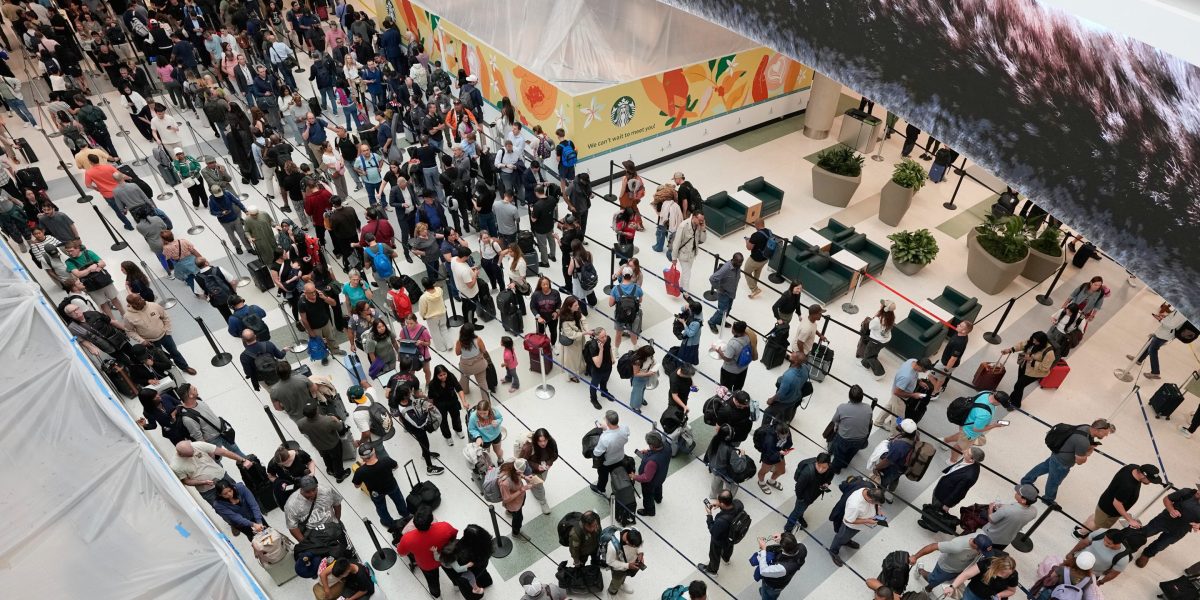
1 month agoTrump signs order to pay TSA workers after House GOP rejects deal to end shutdown. 'America's air travel system has reached its breaking point' | Fortune
Trump signed an executive action to pay TSA employees amid a prolonged DHS shutdown affecting air travel and federal workers.

US politics
fromFortune
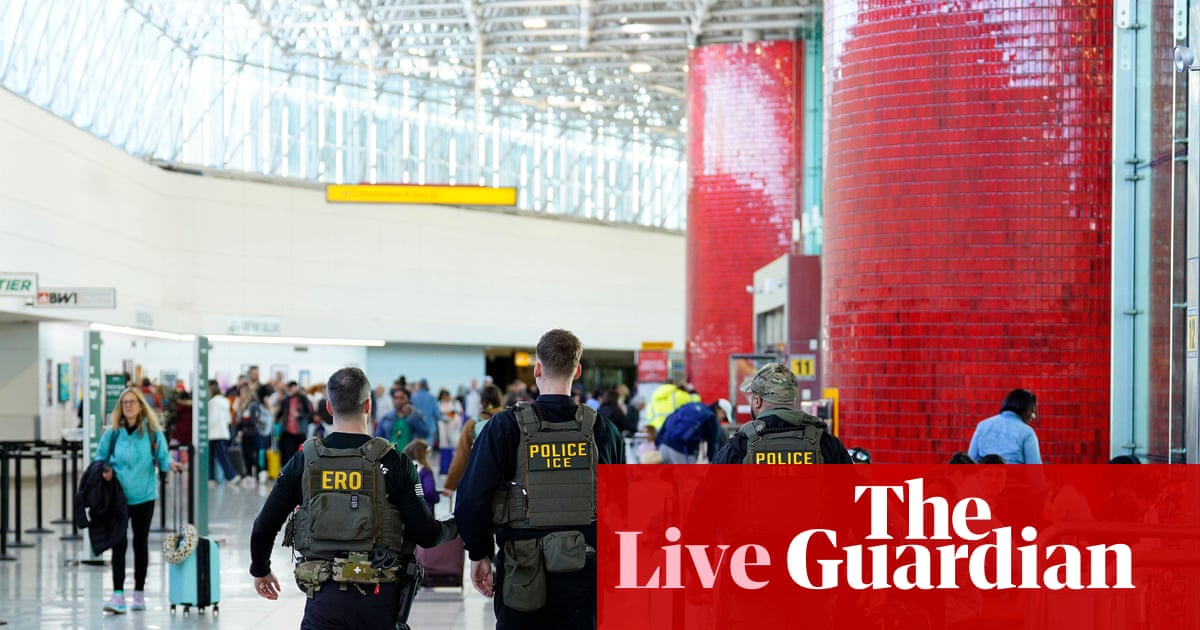
1 month agoICE agents called in to help ease airport security lines may not be leaving anytime soon, even after Trump ordered pay for TSA officers | Fortune
Emergency pay for TSA agents ordered by Trump, but major airports still urge early arrival due to ongoing staffing issues.
US politics
fromFortune
1 month agoTrump signs order to pay TSA workers after House GOP rejects deal to end shutdown. 'America's air travel system has reached its breaking point' | Fortune
Trump signed an executive action to pay TSA employees amid a prolonged DHS shutdown affecting air travel and federal workers.
fromABC7 Los Angeles
1 month agoWhat to know about Trump's order to pay TSA officers and its impact on airport security lines
Betty Mitchell arrived at Philadelphia International Airport at 12:30 a.m. Saturday for a 5 a.m. flight to visit family, but she said the airline desk did not open until 3 a.m. Once it did, there was a sudden influx of passengers to squeeze into the TSA screening lines. 'All at once it became a madhouse,' Mitchell said.
Washington DC
fromTravel + Leisure
1 month agoTSA Is Cracking Down on Power Banks-Here's How to Make Sure Yours Won't Get Taken Away
TSA has not 'banned' power banks. However, they are only allowed in carry-on bags. Most standard power banks fall under the FAA's 100Wh limit, but higher-capacity models are increasingly common.
Gadgets
fromwww.businessinsider.com
1 month agoWhite House turns down Elon Musk's offer to cover TSA pay during the partial government shutdown
"We greatly appreciate Elon's generous offer. This would pose great legal challenges due to his involvement with federal government contracts. The fastest way to ensure TSA employees and all DHS employees get paid is for Democrats to fund the Department of Homeland Security."
US politics
[ Load more ]