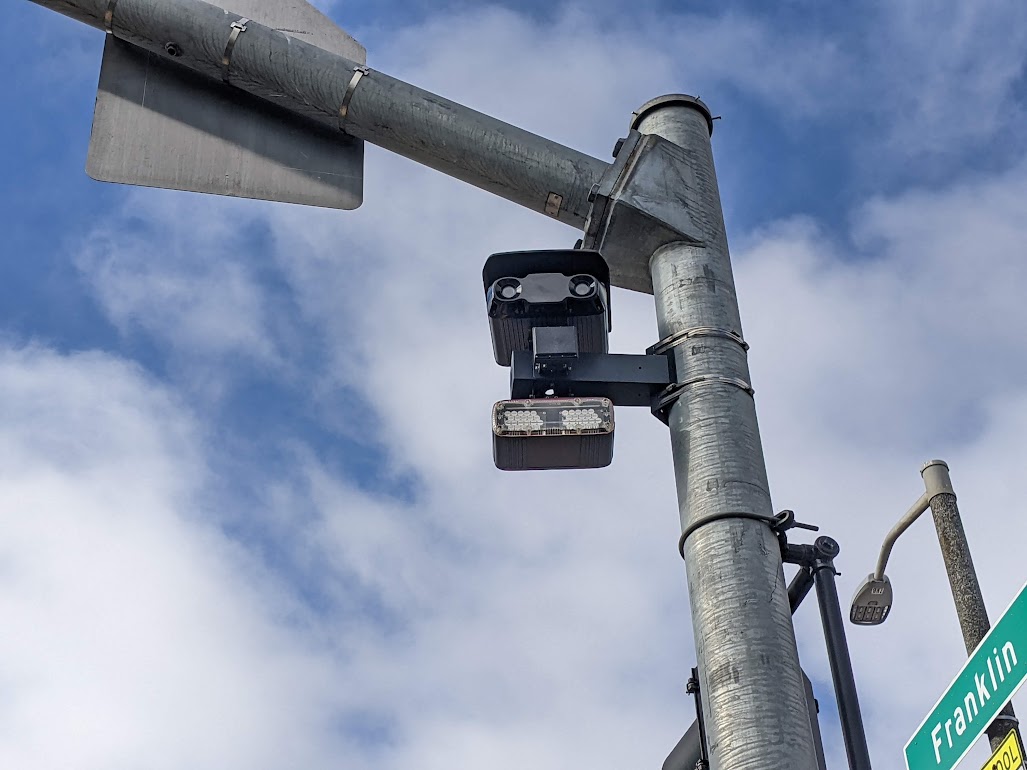
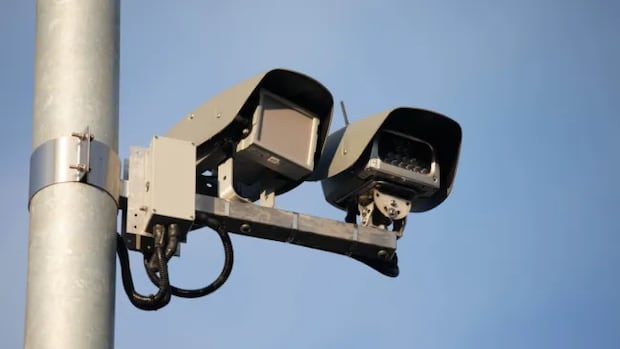
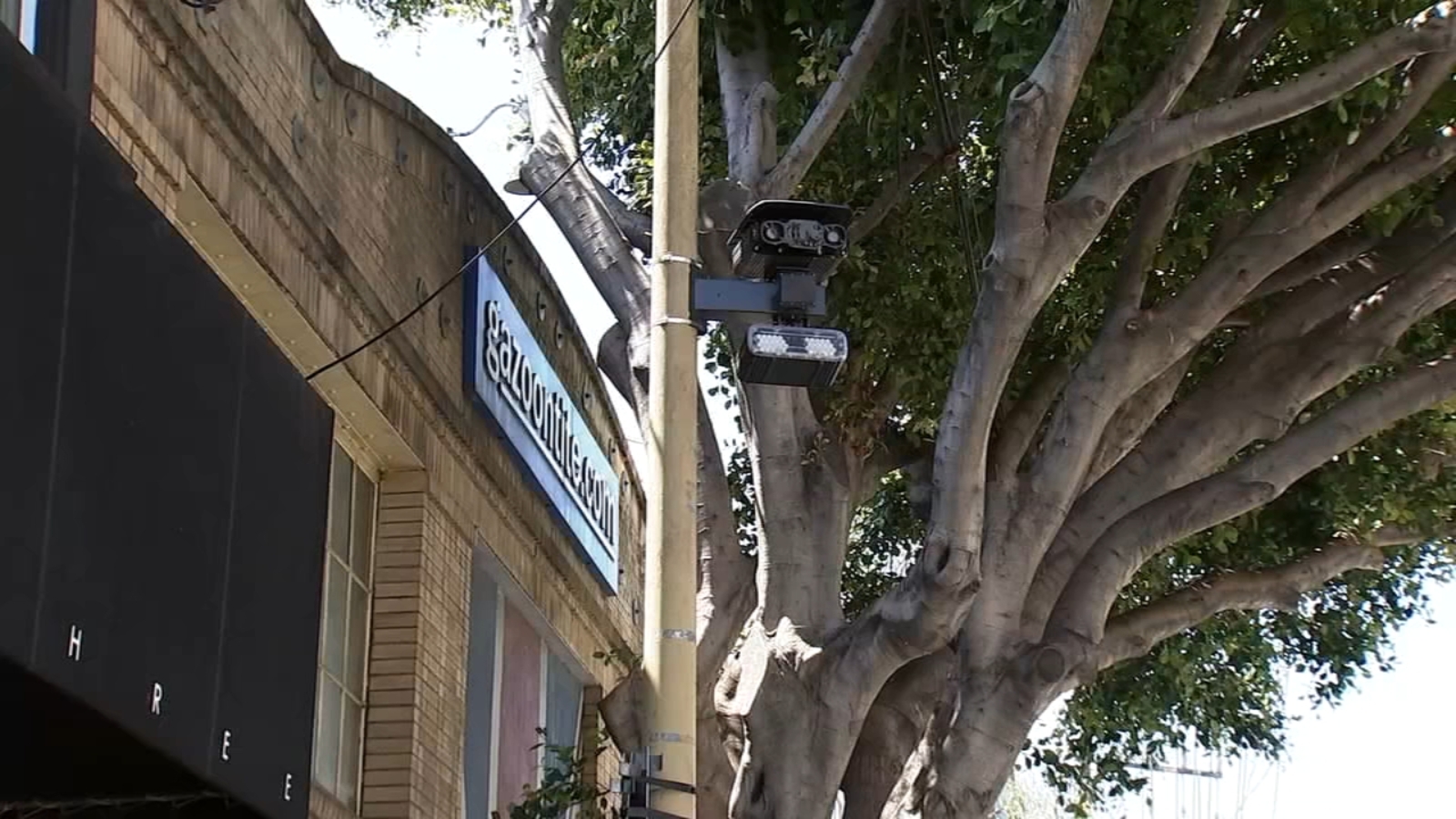
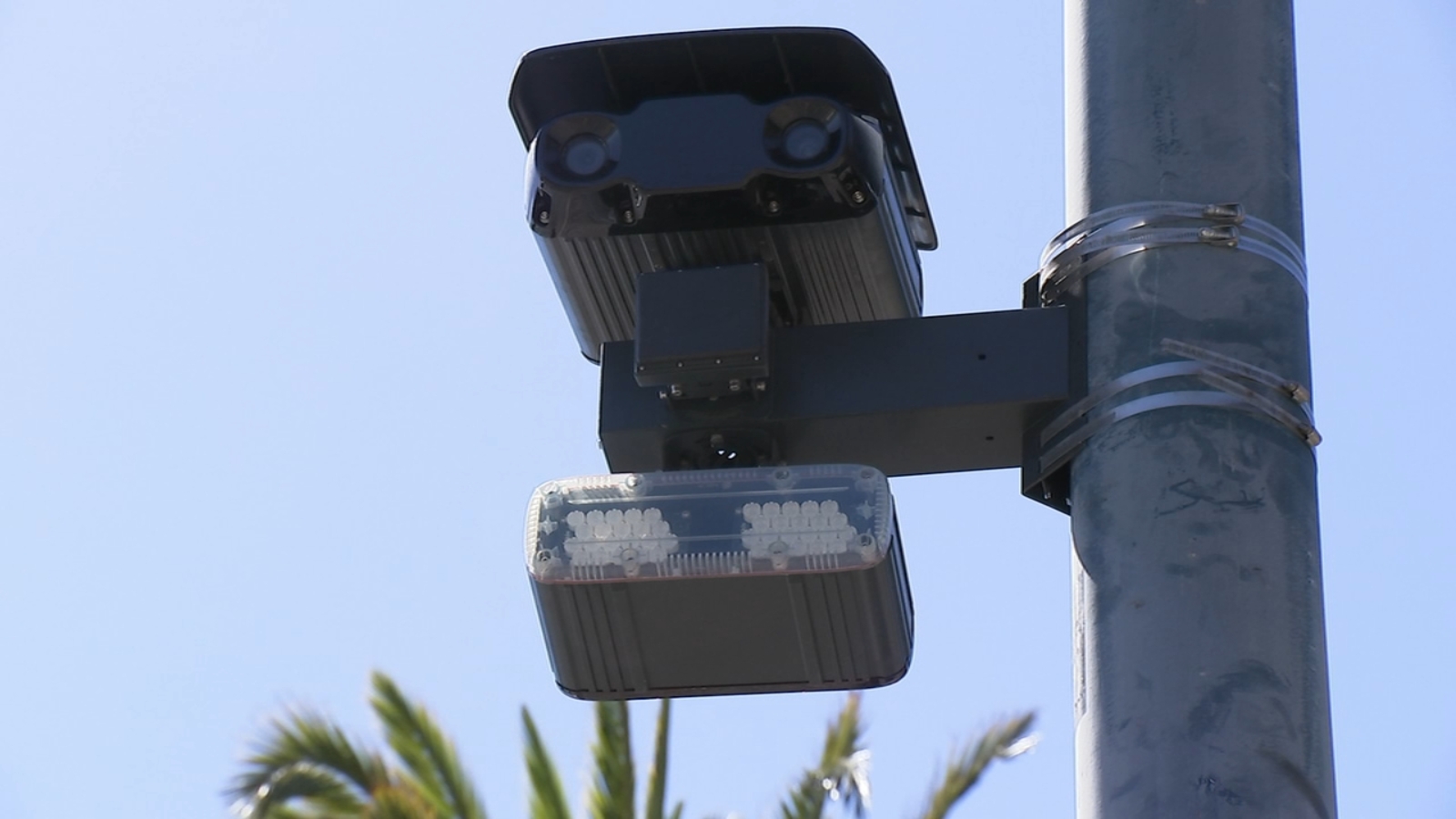
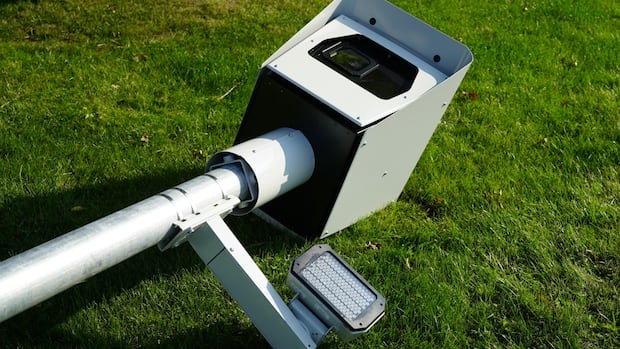
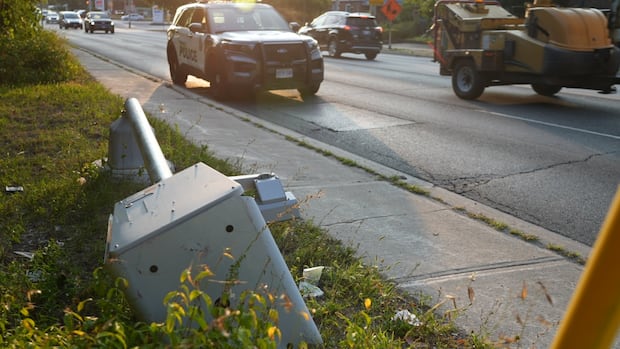
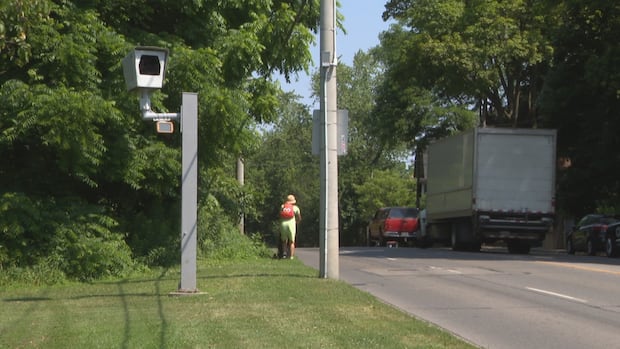
cameras reduce collisions and injuries by an average of 5 percent and 2.5 percent per month on average, respectively collectively over the seven months following the introduction of a camera, collisions declined by 30 percent and injuries by 16 percent. That could explain why reported crashes dropped from 88,613 over the first 11 months of 2023 to 77,855 over the same period this year. And injuries are down from 49,747 to 45,421.
The amended bill is such a no-brainer that it should even pass a brainless legislature; all it requires is for repeatedly and excessively reckless drivers to have their cars rendered unable to be driven recklessly. It doesn't take away the car; it doesn't suspend a license; it doesn't raise insurance fees. It just makes the car itself less able to a death machine.
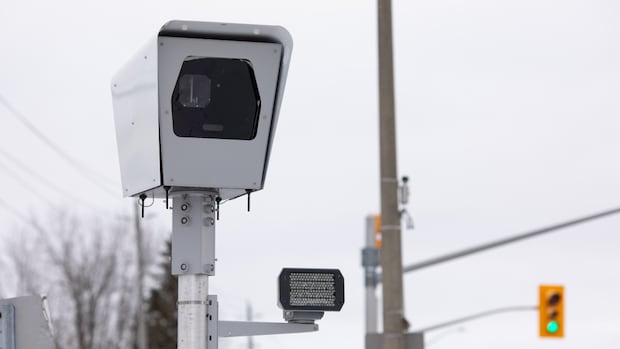
Government House Leader Steve Clark is proposing to fast track a red tape reduction bill that includes banning speed cameras, a labour bill and an emergency management bill. The government plans to stop any further debate at the second reading stage for the three bills, then entirely bypass the committee stage that usually follows a time to hear from the public on the bill and make any amendments and limit debate time for the final, third reading stage.
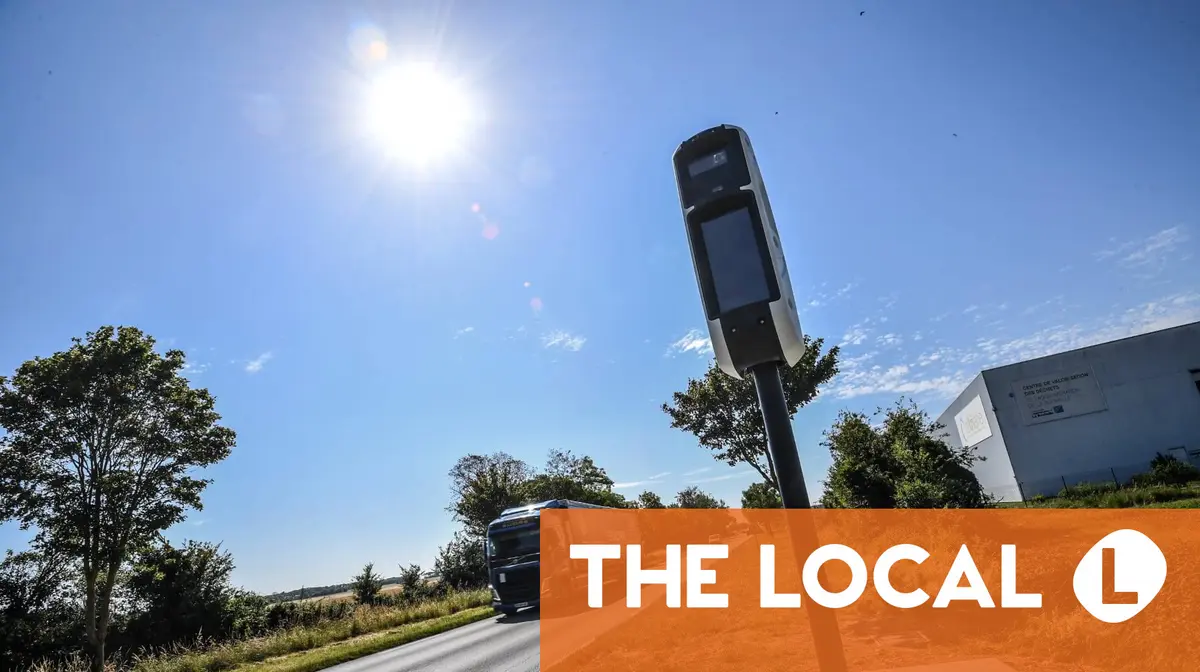
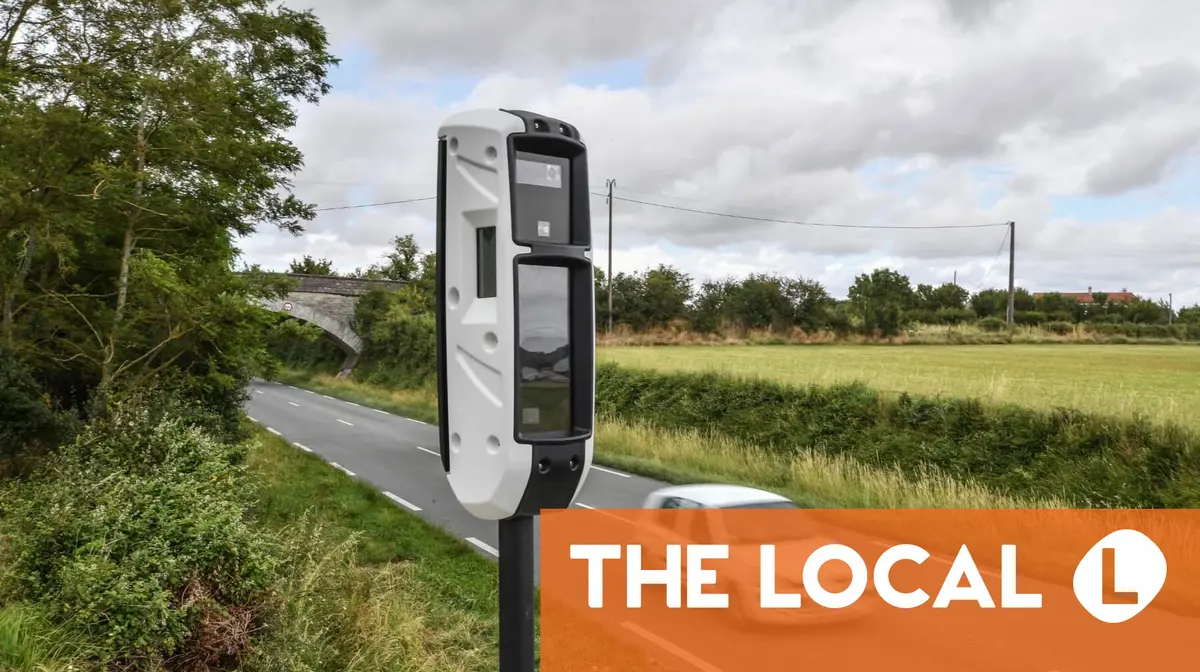
In France, there are several types of speed cameras, but arguably the most discreet type is the mobile 'radar' car ( les radars mobiles or voitures-radars). These are speed cameras installed in police and private vehicles, and they drive on French roads. Normally, these vehicles can be recognised if they are operated by gendarmes or police (and are therefore marked), but many are run by private companies that operate unmarked cars.