#rob-reiner
#rob-reiner
[ follow ]
#nick-reiner #donald-trump #first-degree-murder #homicide #murder-investigation #murder #stand-by-me


#stand-by-me

Film
fromOregon ArtsWatch * Arts & Culture News
1 month ago'Stand by Me' 40 Years Later: Wil Wheaton talks about making the beloved Oregon-shot classic in advance of Portland appearance * Oregon ArtsWatch
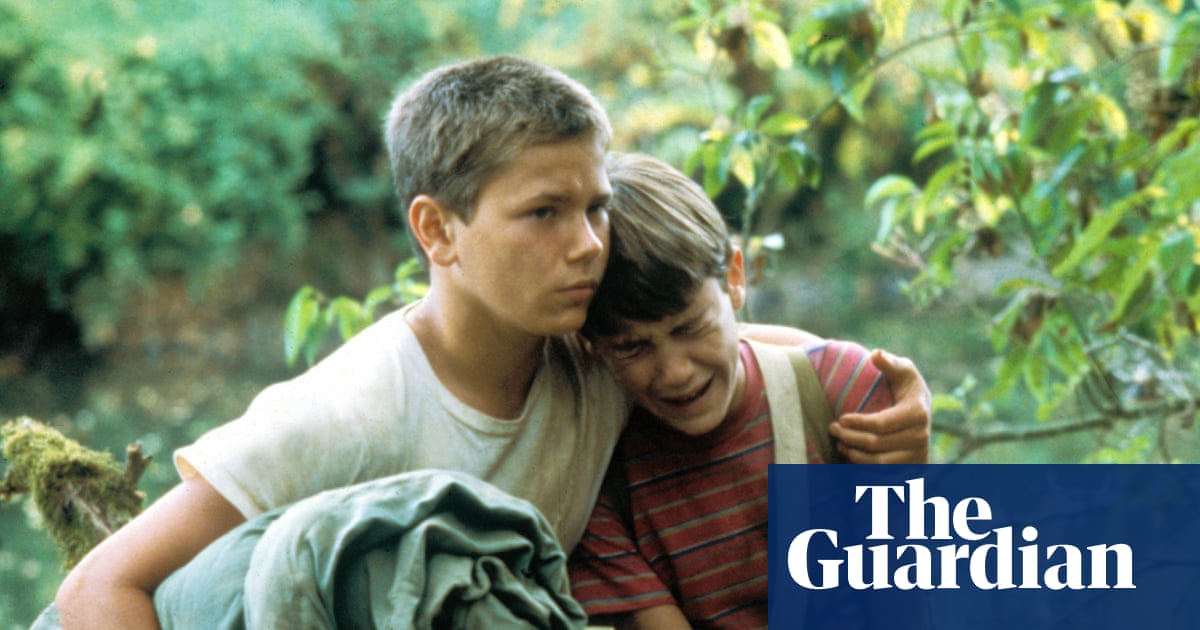
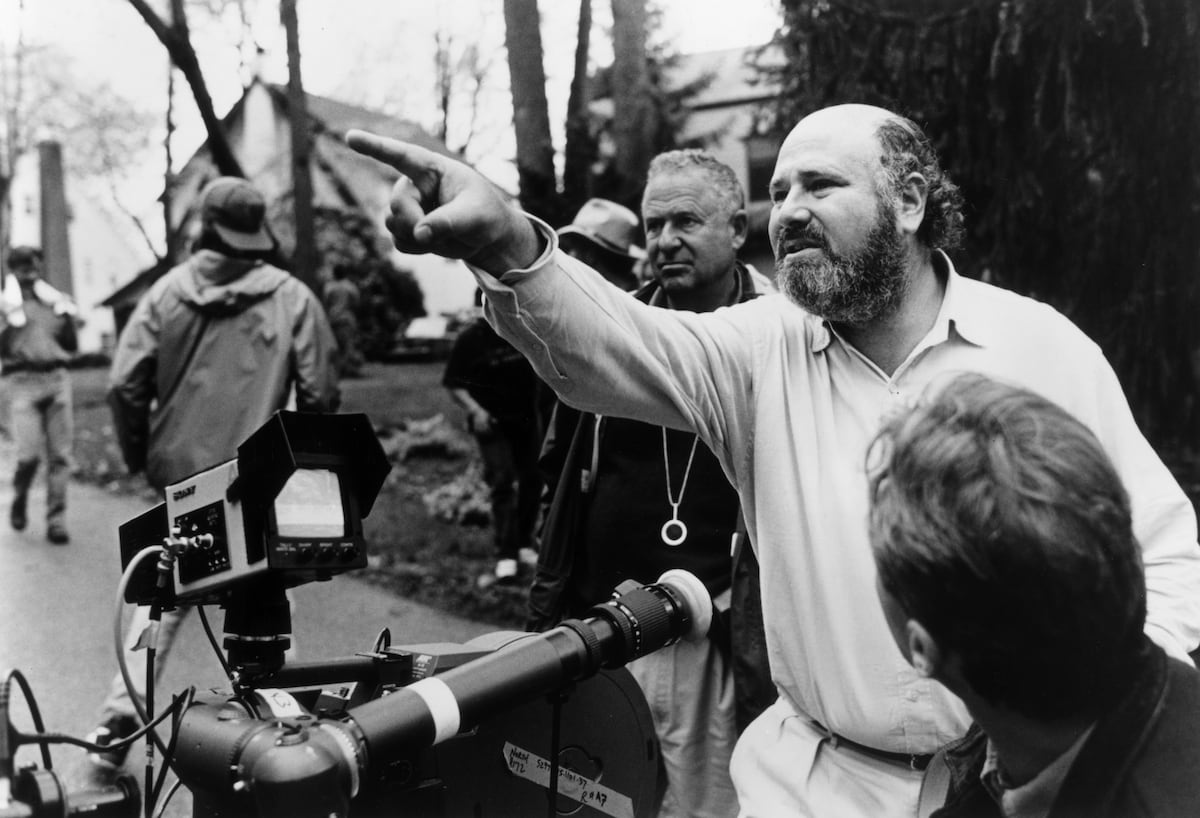
Brownsville, Oregon became notable in 1985 as the filming location for the movie Stand by Me, featuring future stars like Wil Wheaton and River Phoenix.





fromwww.mercurynews.com
3 months agoMel Brooks: Carl Reiner would not have survived' son Rob Reiner's murder
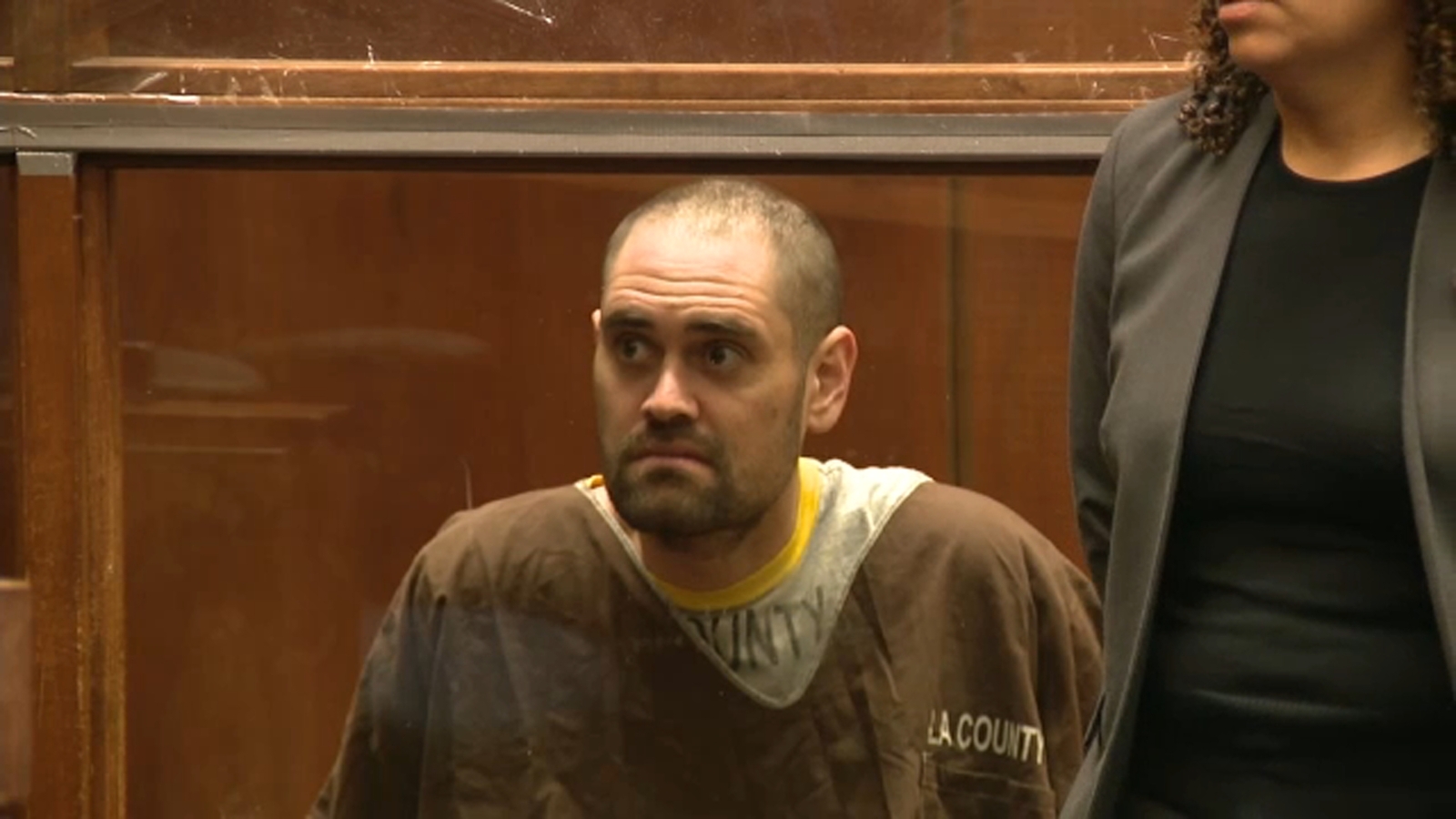
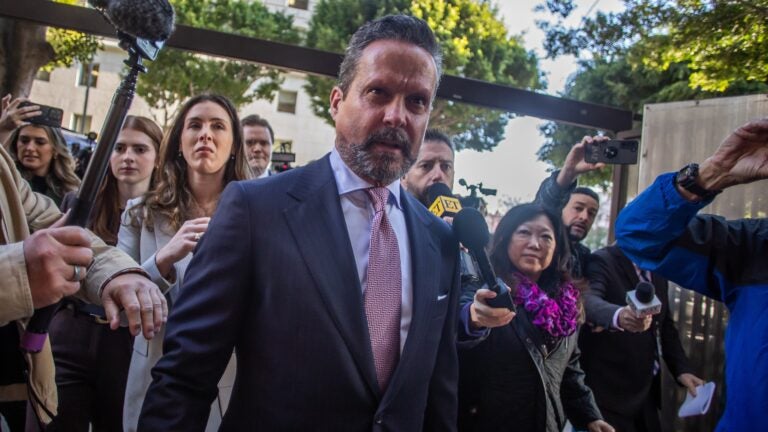
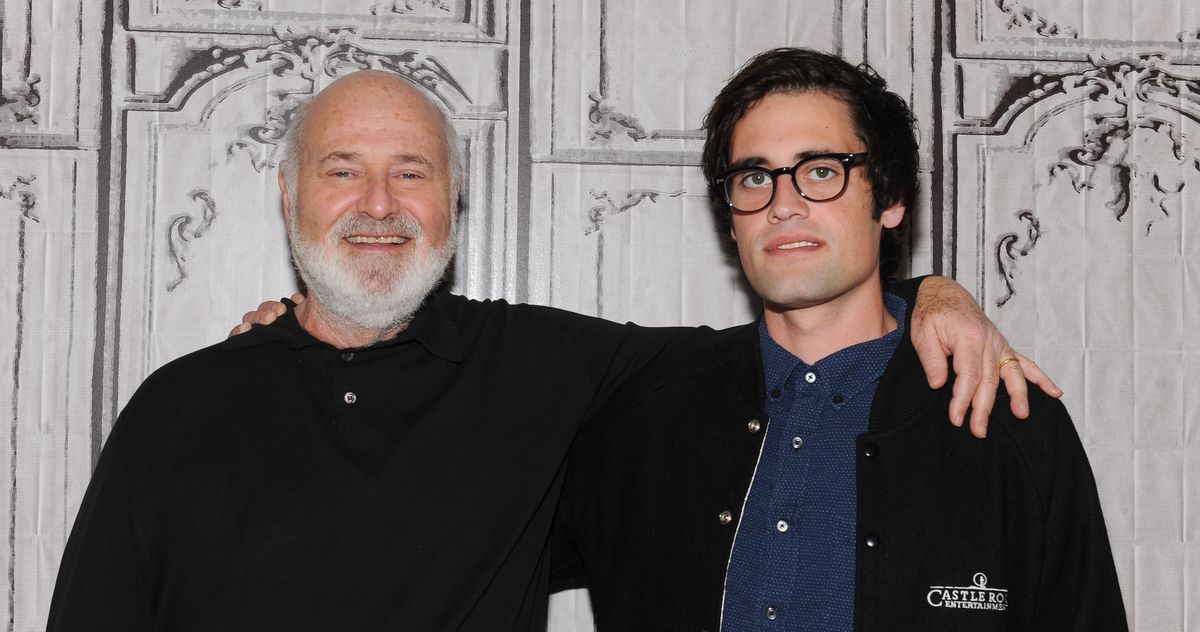
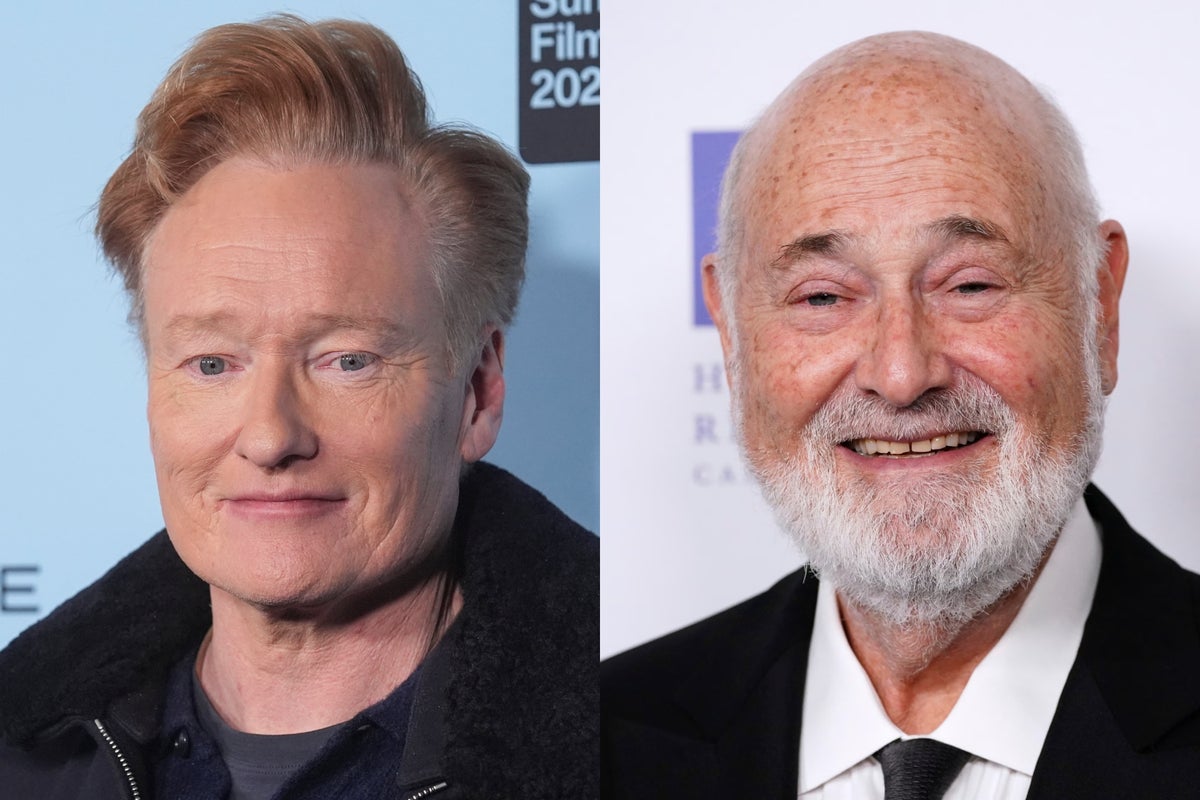
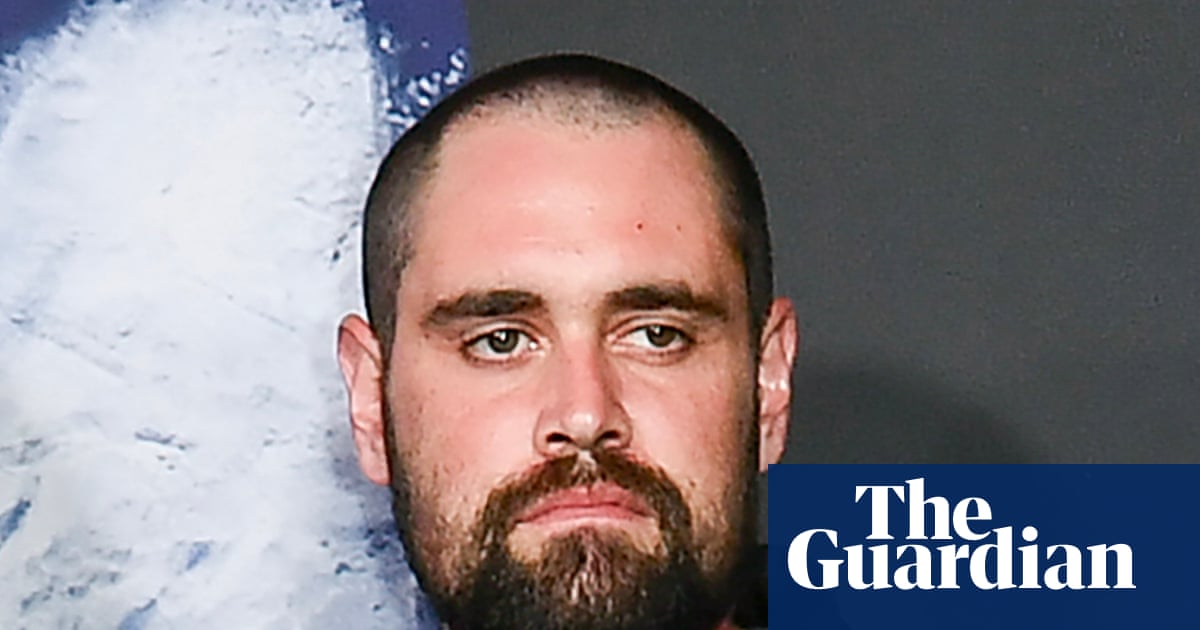
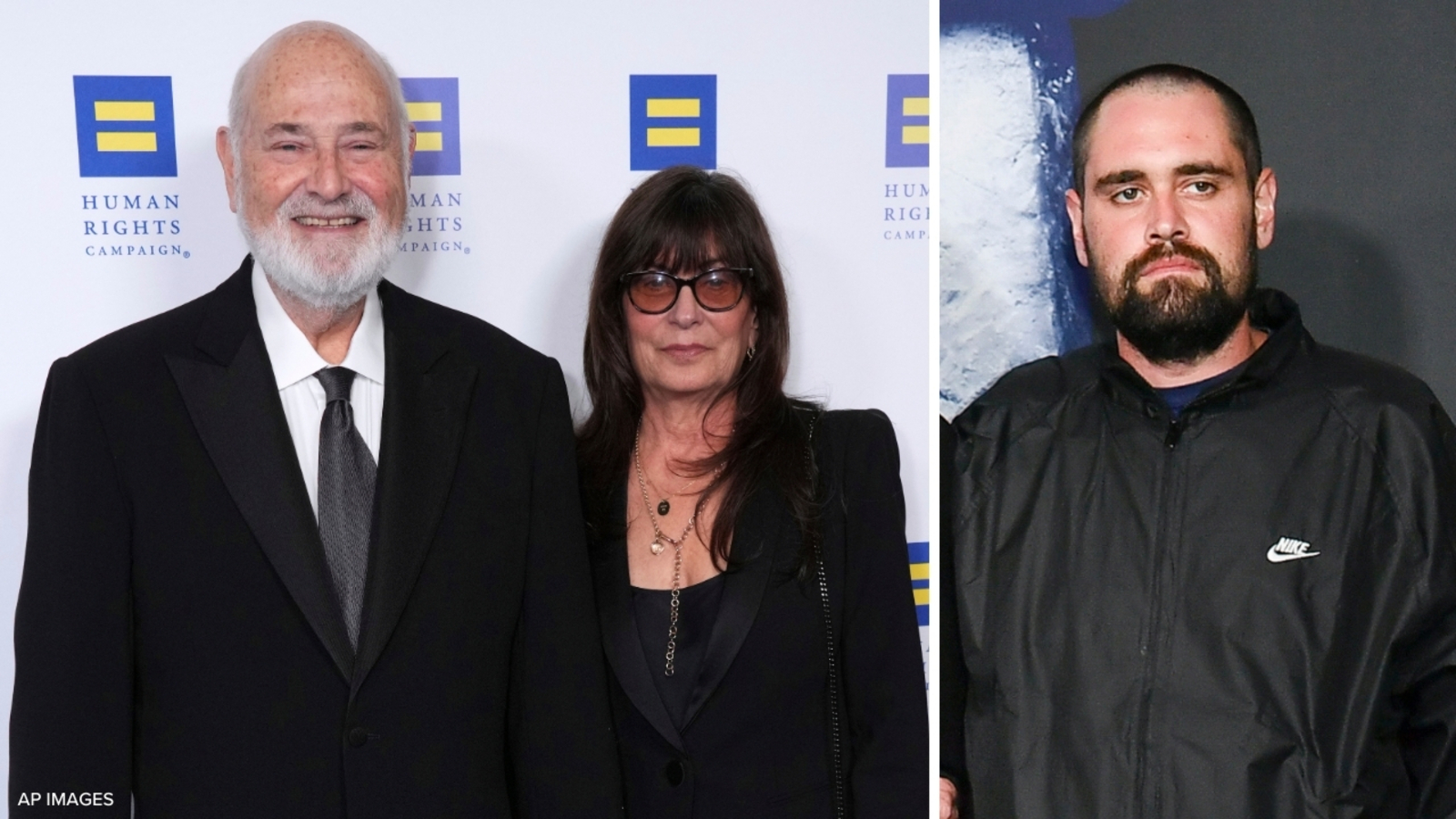
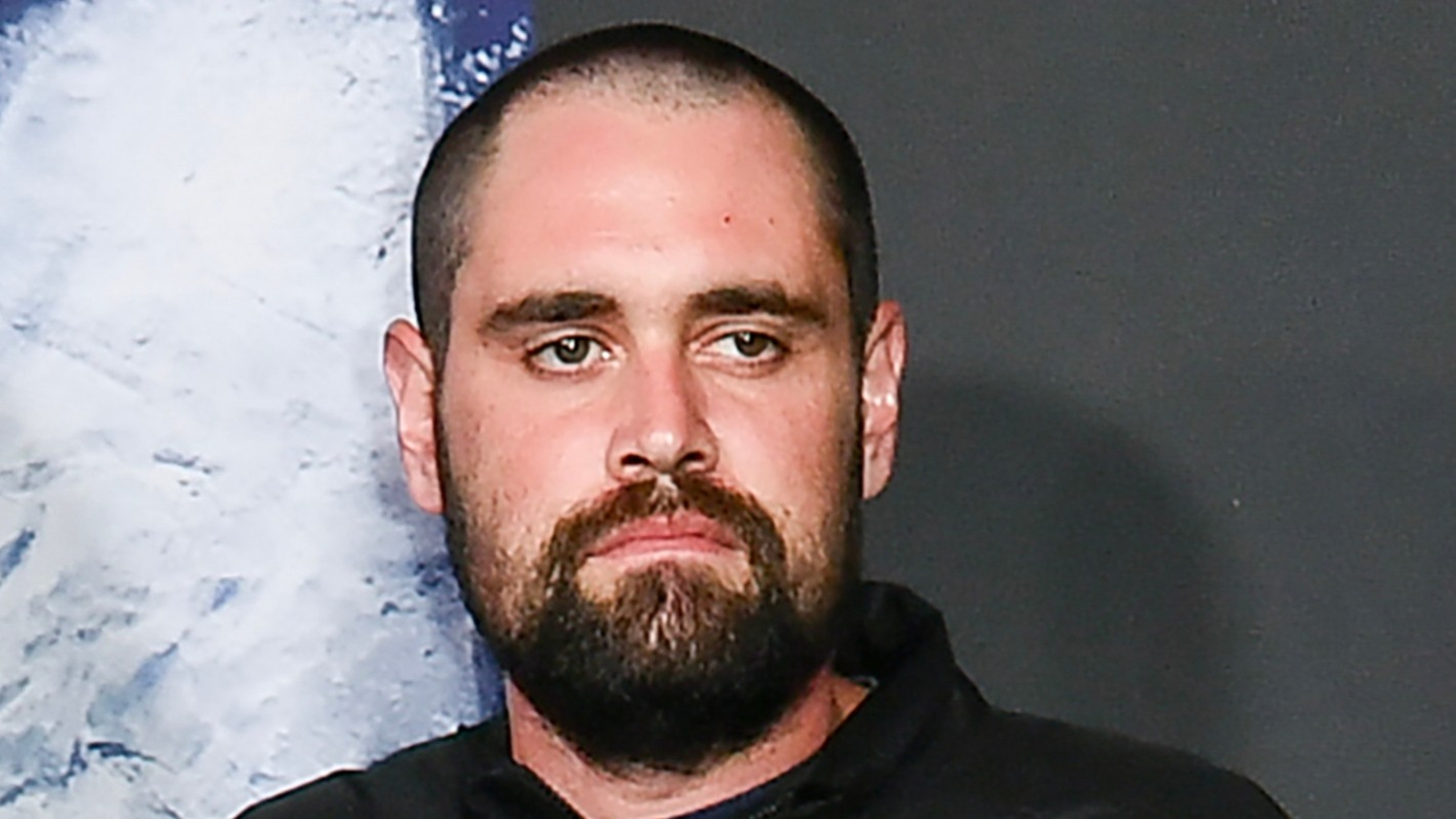
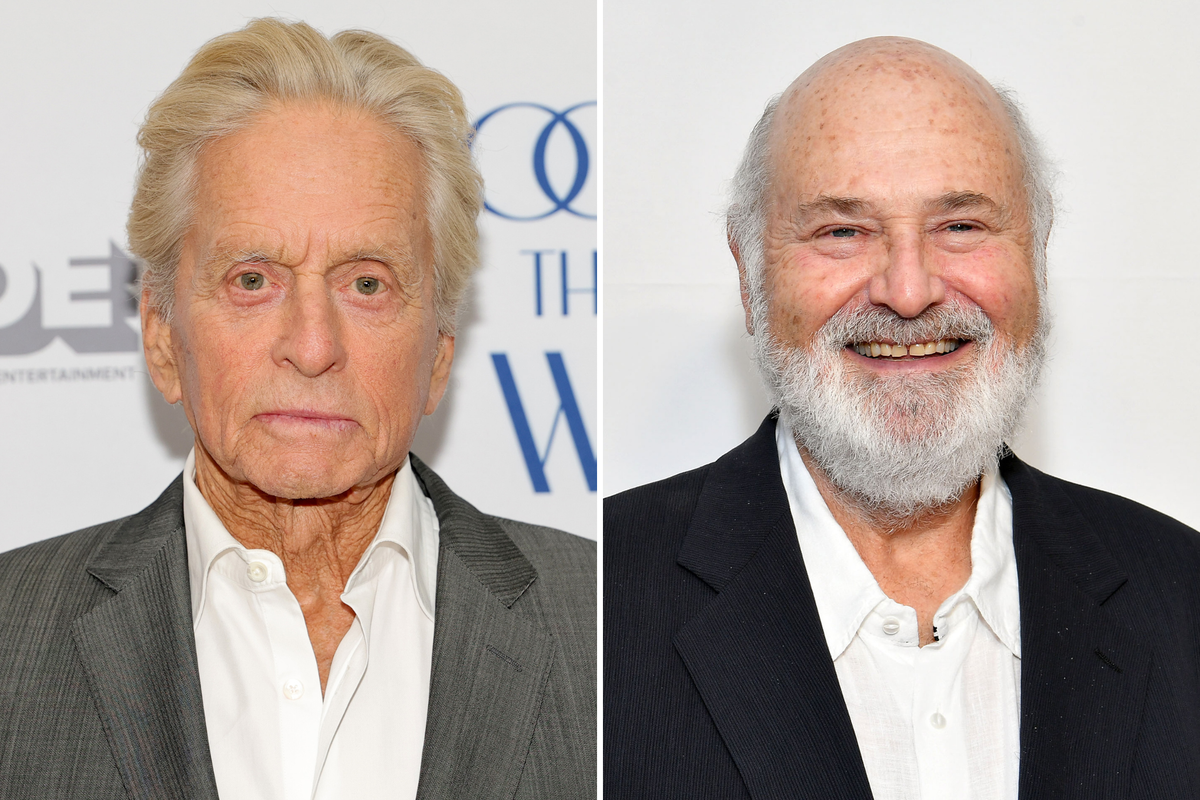
During a Q&A with Judd Apatow at the premiere of documentary Mel Brooks: The 99 Year Old Man!, Brooks said he was relieved Carl Reiner who died in July 2020 at the age of 98 wasn't alive to experience the murder, which grandson Nick Reiner, 36, is accused of committing on Dec. 14 at their Los Angeles home. Anyway, with Carl, with what's happened, I'm glad that he passed away when he did, comedy legend said.
Film







fromThe Takeout
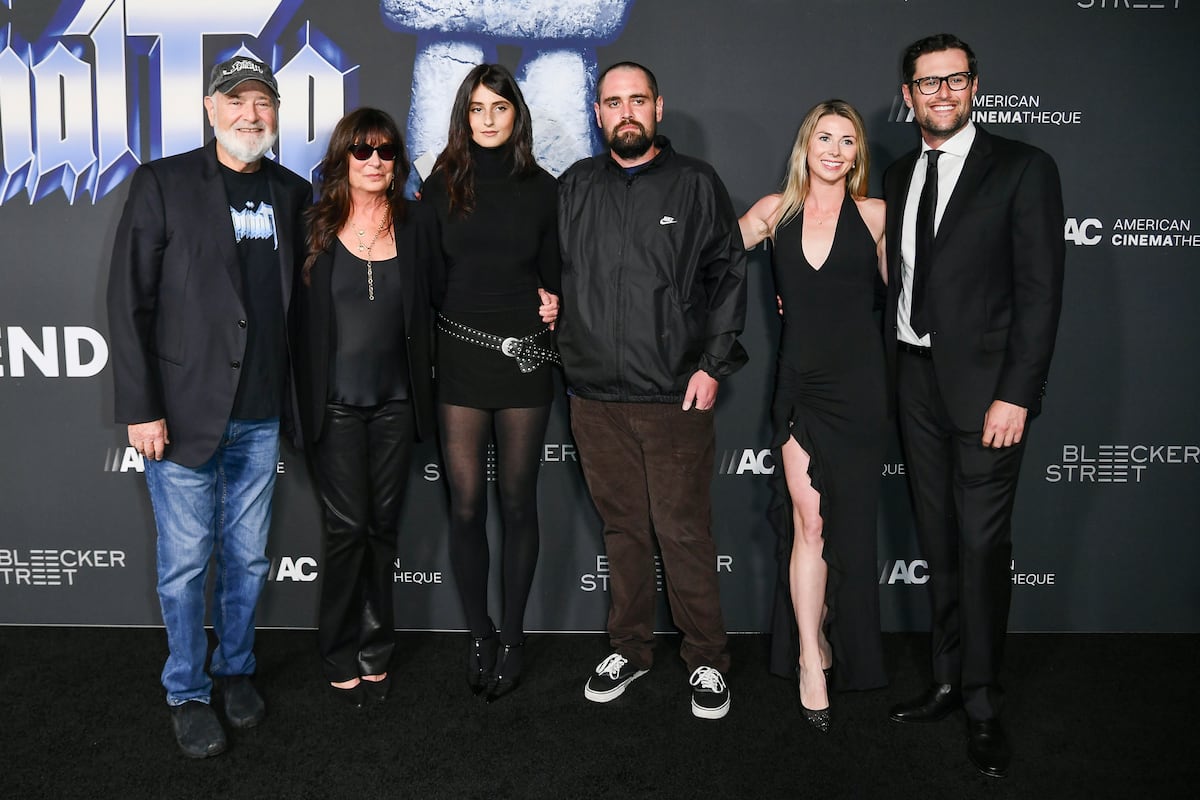
4 months agoThe Iconic New York Deli Rob Reiner Loved - The Takeout
The actor and director was a man of great energy and vitality, with his most recent film, "Spinal Tap II: The End Continues," coming out just months ago. But Reiner's legacy lives on through his performances in "All in the Family" and "The Wolf of Wall Street" and through his unimpeachable run of films as a director spanning from the mid-1980s to the early 1990s: "This Is Spinal Tap," "The Princess Bride," "Misery,"
NYC food
.jpg?trim=0,0,0,0&width=1200&height=800&crop=1200:800)


fromSlate Magazine
4 months agoThe Scariest Part of Weapons Is What It Refused to Explain
Thank you, Dana and Justin, for those lovely tributes to Rob Reiner, a man who always seemed like a mensch in addition to being someone whose big- and small-screen contributions were inconceivably enormous. I love the way you put it, Justin, that Reiner had "an anti-auteurist touch" throughout that incredible eight-year run of films he directed. It's true that each of those classics works miraculously well without bearing the insistent marks of an individual's creative ownership.
Film
fromSlate Magazine
4 months agoWith Rob Reiner Dies a Whole Tradition of Hollywood Filmmaking
In the midst of responding to Bilge's previous missive, which goes down at least three separate roads I'd love to pursue, I first heard the unthinkable news of Rob and Michele Reiner's deaths. I promptly entered a fugue state and stayed up late into the night, watching clips from Reiner's films and reading about his 50-plus-year career as an actor, director, producer, and industry pioneer.
Film
fromwww.mediaite.com
4 months agoJames Carville Challenges Bannon To Charlie Kirk Debate: I'll Do In Front of Turning Point, I Don't Give a S**t!'
I'm sorry. I don't want anybody to get shotyoung kids, I hate that, but Charlie Kirk was not a pimple on Rob Reiner's a** when it comes to influence, when it comes to impact, when it comes to anything else. I don't want to say anything bad, but for God's sake, don't dare compare Charlie Kirk to Rob Reiner. That's not fair.
US politics
fromConsequence
4 months agoSoundgarden Recall Spinal Tap's Impact on Grunge in Tribute to Rob Reiner
Soundgarden are saddened by the unexpected and tragic deaths of Rob Reiner and his wife, Michele Singer Reiner. As a filmmaker, Reiner created many unforgettable pictures. Perhaps his most impactful work, certainly to rock music culture and to popular culture in general, was the mockumentary This is Spinal Tap (1984). Reiner directed, co-wrote, and acted in this classic, in a story that held a funhouse mirror up to the recording industry and its touring rock bands.
Music

fromABA Journal
4 months agoLawyer who defended Karen Read and Kevin Spacey retained by Rob Reiner's son
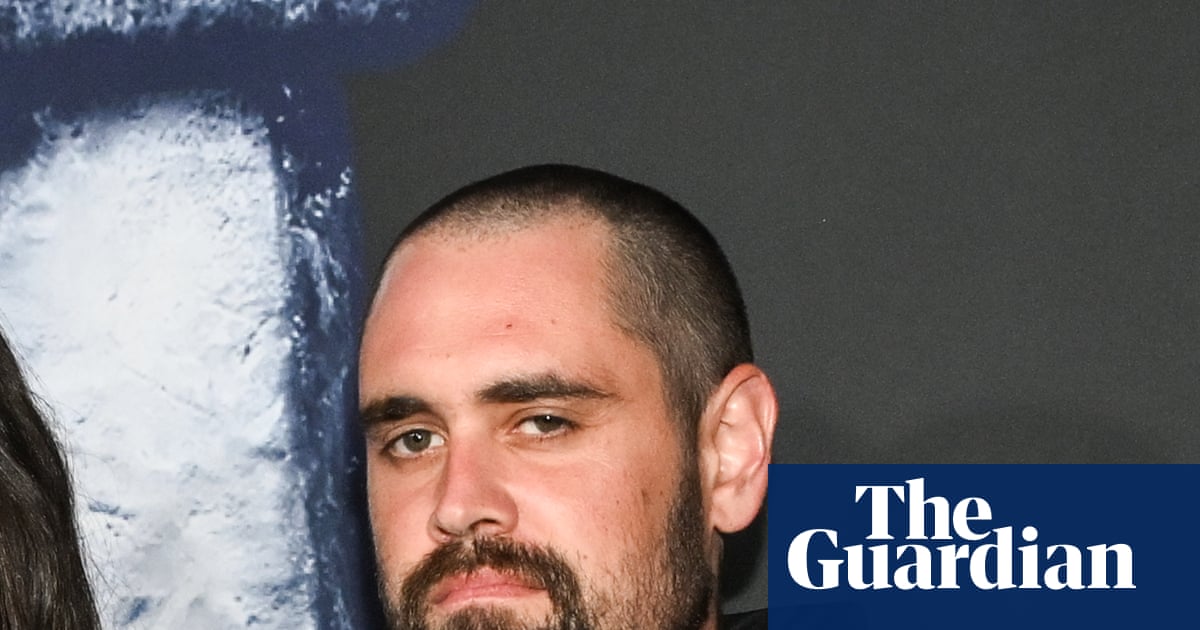
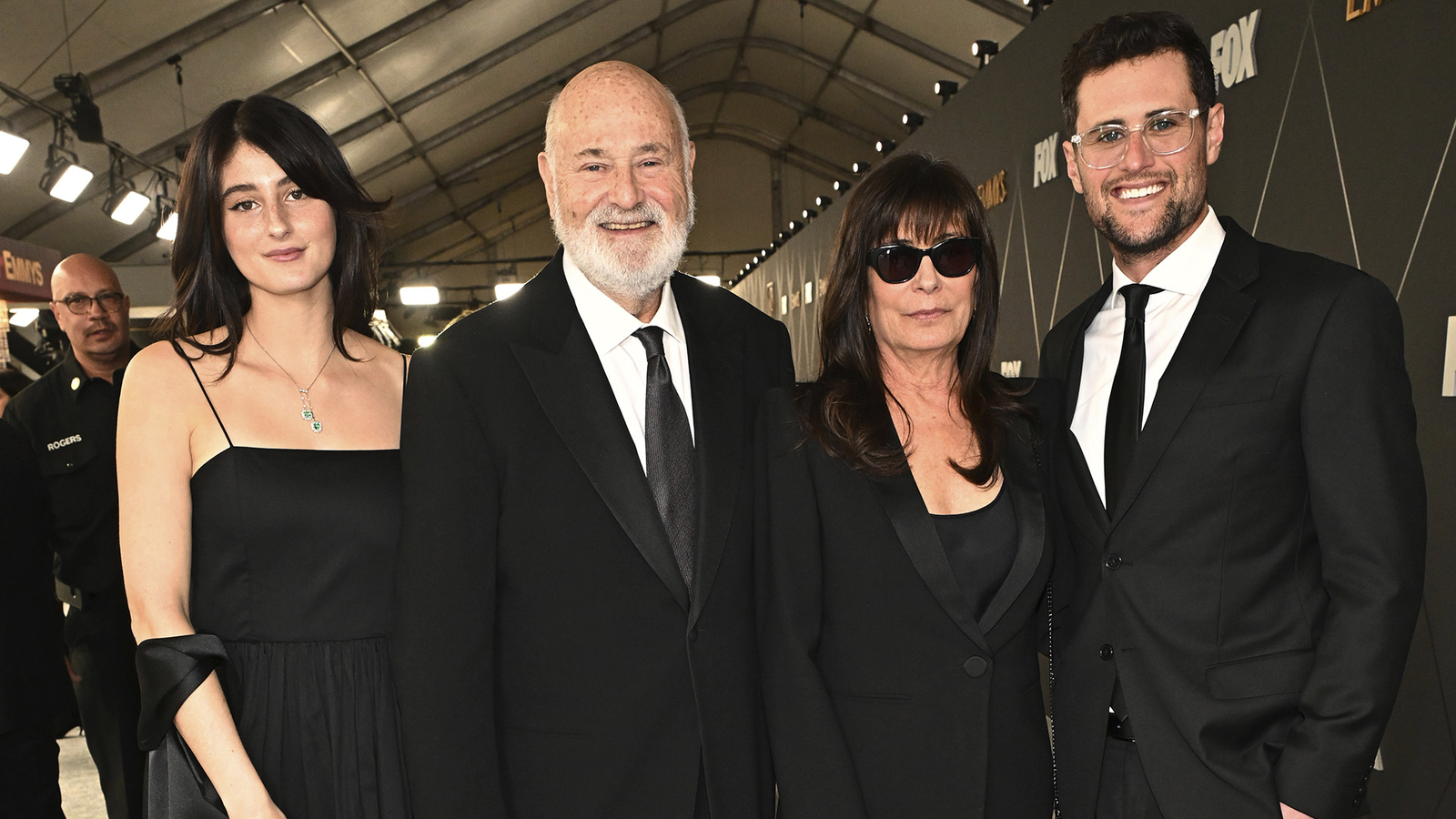
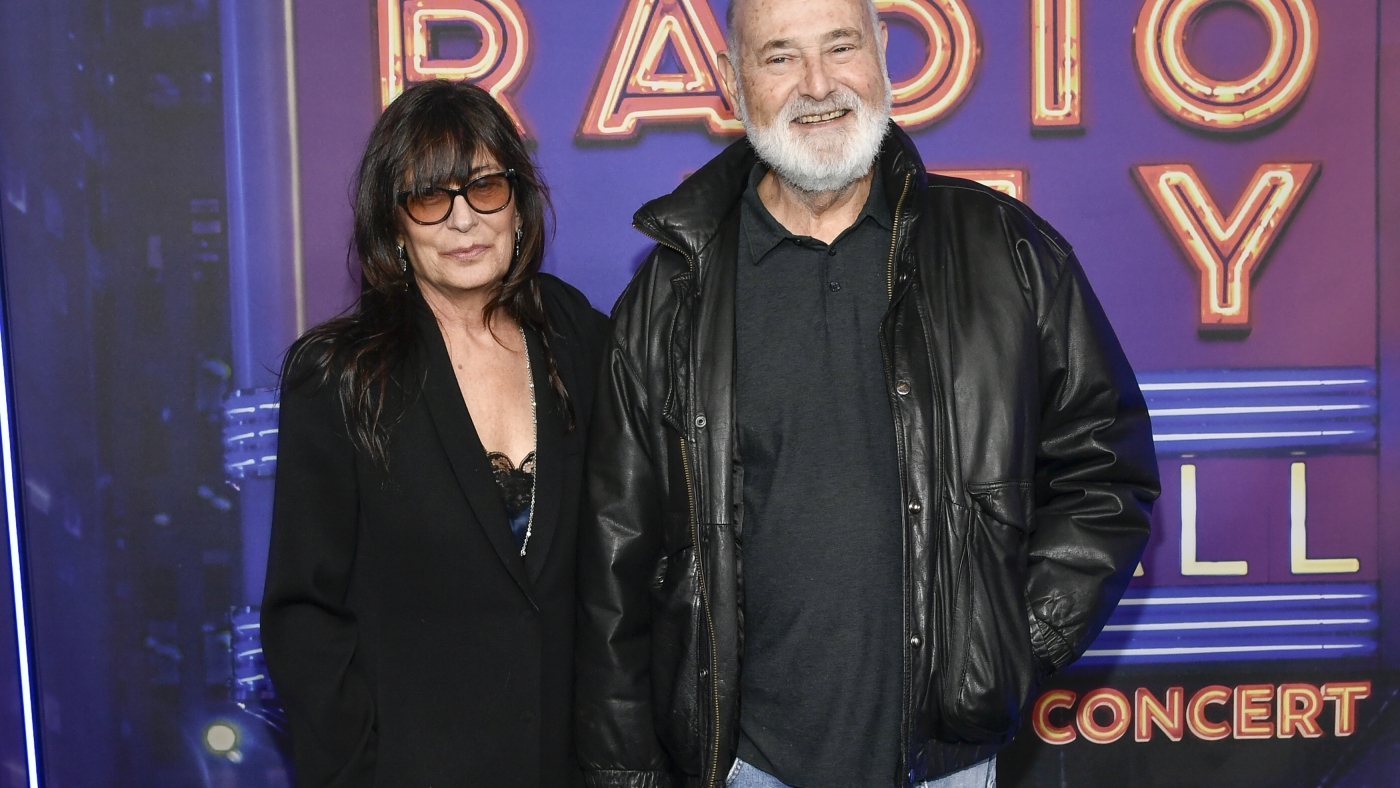
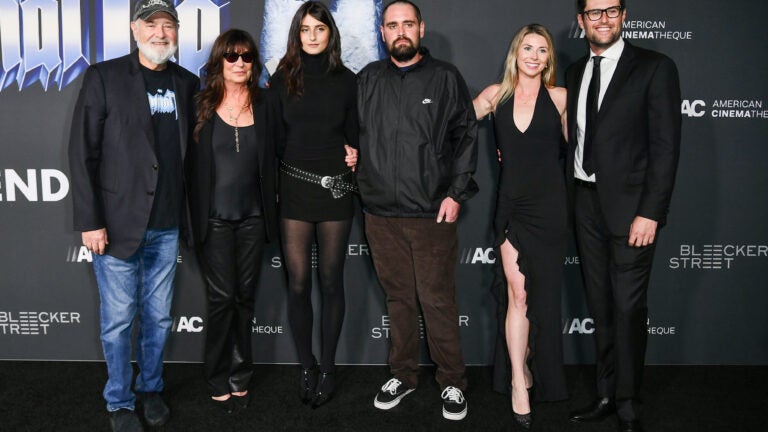
Rob Reiner, who played Michael Stivic in 1970s sitcom All in the Family, went on to direct films including Stand By Me, A Few Good Men and When Harry Met Sally. His wife, Michele Singer Reiner, was a photographer, and they were found dead in their Brentwood, California, home Sunday afternoon. Nick Reiner was taken into custody Sunday evening. His Tuesday appearance was postponed because medical reasons prevented him from being transported from jail to the courthouse, according to the Associated Press.
Los Angeles
Los Angeles
fromLos Angeles Times
4 months agoBrentwood is mourning the Reiners, but also having O.J. Simpson flashbacks
A high-profile double homicide in Brentwood shocked the close-knit, celebrity-populated neighborhood and drew intense international media attention amid painful local memories of past tragedies.
US politics
fromwww.mediaite.com
4 months agoCharlie Kirk Was Not a Pimple on Rob Reiner's A**!' James Carville Slings Mud While Comparing Murder Victims
James Carville praised Rob Reiner's major cultural influence, condemned comparisons to Charlie Kirk, and noted bipartisan backlash to President Trump's remarks about the Reiners' deaths.
Film
fromJezebel
4 months agoLarry David, Billy Crystal, Martin Short, Albert Brooks, More Pen Letter Remembering Rob Reiner
Rob and Michele Singer Reiner's deaths prompted widespread tributes honoring Rob Reiner as a master storyteller, versatile filmmaker, compassionate leader, and devoted civic advocate.
fromBusiness Insider
4 months agoI worked with Rob Reiner on 'Stand by Me' and 'Misery.' He taught me an important lesson.
This as-told-to essay is based on a conversation with Dennis Maguire, who worked as Rob Reiner's first assistant director on "Misery" and the reshoots for "Stand By Me." On Sunday, Reiner and his wife, Michele Singer Reiner, were found dead in their Los Angeles home. The following has been edited for length and clarity. People liked Rob, and Rob liked people. He enjoyed life, and I know he gave back. Rob wasn't really flashy. Yes, he was born into royalty in Hollywood, but he wasn't pretentious at all, at least not in my experience with him. He was the real deal.
Film
fromPinkNews | Latest lesbian, gay, bi and trans news | LGBTQ+ news
4 months agoNo, late director Rob Reiner's son Nick is not transgender
The rumour began circulating in mid-December, mostly on Facebook. The main post, circulated by Jonathan Gregory, who has more than 80,000 followers, claims that Nick "had recently begun transitioning into a woman". The post goes on to wildly claim that his fictional transition was what led him to his attack his parents. There is no evidence to support the claim that Reiner is transitioning, and a closer look at the Facebook post shows there is no factual basis.
US news
fromConsequence
4 months agoJack Black Honors Rob Reiner: "There Is No Tenacious D Without Spinal Tap"
I don't really want to talk about anything other than Rob Reiner because he was such an incredible inspiration to me. And if you mention Tenacious D, there is no Tenacious D without Spinal Tap. And anyone out here, any of the young millennials that haven't seen [This Is] Spinal Tap, do yourself a favor. There's no School of Rock without Spinal Tap.
Film
fromThe Nation
4 months agoHow Rob Reiner Tipped the Balance Against Donald Trump
Wikler pulled out all the stops to achieve this result, and he had help from an unexpected ally: filmmaker Rob Reiner. The Hollywood director became a central figure in what Wikler recalls as "the biggest state party fundraiser, as far as I know, in American history." That event, a dramatic reading of the script from Reiner's highly regarded film The Princess Bride, was streamed online, attracted 142,000 viewers, and stirred the energy of grassroots activists at a critical stage in an ultimately successful campaign.
US politics

fromLos Angeles Times
4 months agoLarry David, Martin Short and other famous friends had this to say about Rob Reiner
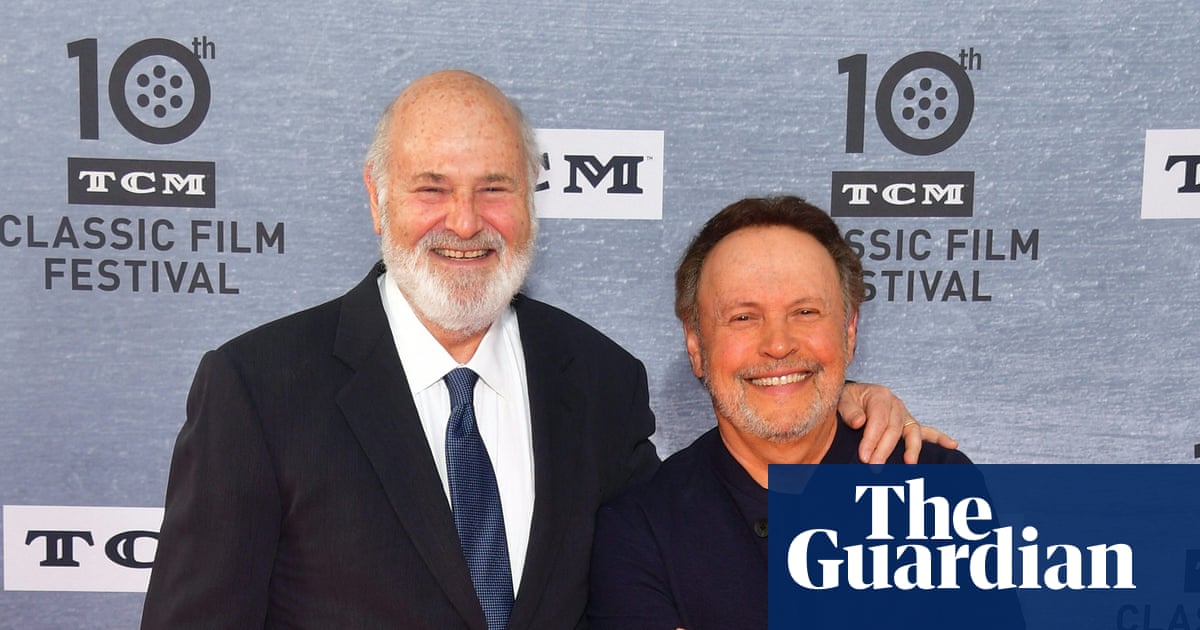
"His comedic touch was beyond compare, his love of getting the music of the dialogue just right, and his sharpening of the edge of a drama was simply elegant," the statement reads. "For the actors, he loved them. For the writers he made them better."
Film
fromDodgers Nation
4 months agoDodgers Send Rob Reiner Message in Remembrance of Filmmaker
Famed entertainer Rob Reiner and his wife Michele sadly passed away on Sunday in the Los Angeles neighborhood of Brentwood. We are shocked and saddened by the tragic deaths of Rob Reiner and his wife Michele.An Emmy Award-winning actor and Academy Award-nominated director, Reiner was an avid baseball fan. The Bronx native and Los Angeles resident was a longtime Dodgers fan.Reiner made numerous... pic.twitter.com/hS9atUa7kM- MLB (@MLB) December 15, 2025
LA Dodgers

fromVulture
4 months agoEvery Rob Reiner Movie, Ranked
During his peak, he churned out intelligent studio smash hits like it was the easiest thing in the world; at his lowest, you wondered how in the world anyone thought it was smart to give this guy money to make a movie. Reiner could be called a journeyman director, except what kind of journeyman director could make a movie as confident as When Harry Met Sally, or as anarchic as This Is Spinal Tap, or one that juggles as many tones as The Princess Bride?
Film
US politics
fromThe Nation
4 months agoTrump's Vile Rob Reiner Comments Show How Much He Has Debased His Office
Rob and Michele Reiner were murdered; Rob Reiner’s cultural contributions prompted national mourning while President Trump’s insensitive public response intensified criticism and polarization.
fromVulture
4 months agoRob Reiner Was Good
Even if you don't know who Rob Reiner was, you're living in a world he helped shape. He leveraged the TV fame he earned in the 1970s playing Mike "Meathead" Stivic, the son-in-law and main adversary of motormouthed bigot Archie Bunker on All in the Family, and became a filmmaker responsible for some of the most beloved American movies of the '80s and '90s: Stand by Me ('86), The Princess Bride('87), When Harry Met Sally('89), Misery ('90), A Few Good Men ('92).
Film
fromRoger Ebert
4 months agoThe 8 Essential Films of Rob Reiner's Career | Tributes | Roger Ebert
There was always something of the populist in Rob Reiner's directorial work; he trafficked in the realm of the crowd-pleasing comedy, the suspenseful four-quadrant thriller, the mainstream-friendly courtroom drama. But he managed to innovate and pioneer even in these confines. Hell, in his 1984 directorial debut, "This is Spinal Tap," he practically invented the entire genre of the mockumentary (which "Tap" co-writer and co-star Christopher Guest would make a career of continuing), and in so doing changed the face of cinematic comedy forever.
Film

fromwww.npr.org
4 months agoFrom 'The Princess Bride' to 'Misery,' Rob Reiner leaves a legacy of movie magic
Carl Reiner moved his family to California in the 1950s, with Rob just a boy. And in addition to naming the main character in "The Dick Van Dyke Show" Rob - Rob Petrie - he used family stories in the plots of the show. The real Rob was about Ritchie's age then. I identified him 'cause I was about that age, too.
Film
[ Load more ]