#project-warhol
#project-warhol
[ follow ]
#photography #art #jeff-koons #andy-warhol #art-history #contemporary-art #new-york-art-scene #exhibition


fromELLE Decor
6 days agoPink Just Purchased a $21.5 Million Greenwich Village Townhouse-Take a Look Inside
The five-bedroom Greek Revival residence spans roughly 8,000 square feet across six levels connected by an elevator. It also has multiple terraces with over 800 square feet of outdoor space.
LA real estate

fromHyperallergic
4 days agoMoMA PS1's "Greater New York" Is Gritty, Stunning, and Gutting
The curators of Greater New York really captured the energy of the city well - not the out-of-towner's New York with its glossy surfaces, brands, and trendy fare, but the gritty New York that's always in the process of formation, that rejects surface in favor of rawness.
Arts

#marcel-duchamp
Arts
fromdesignboom | architecture & design magazine
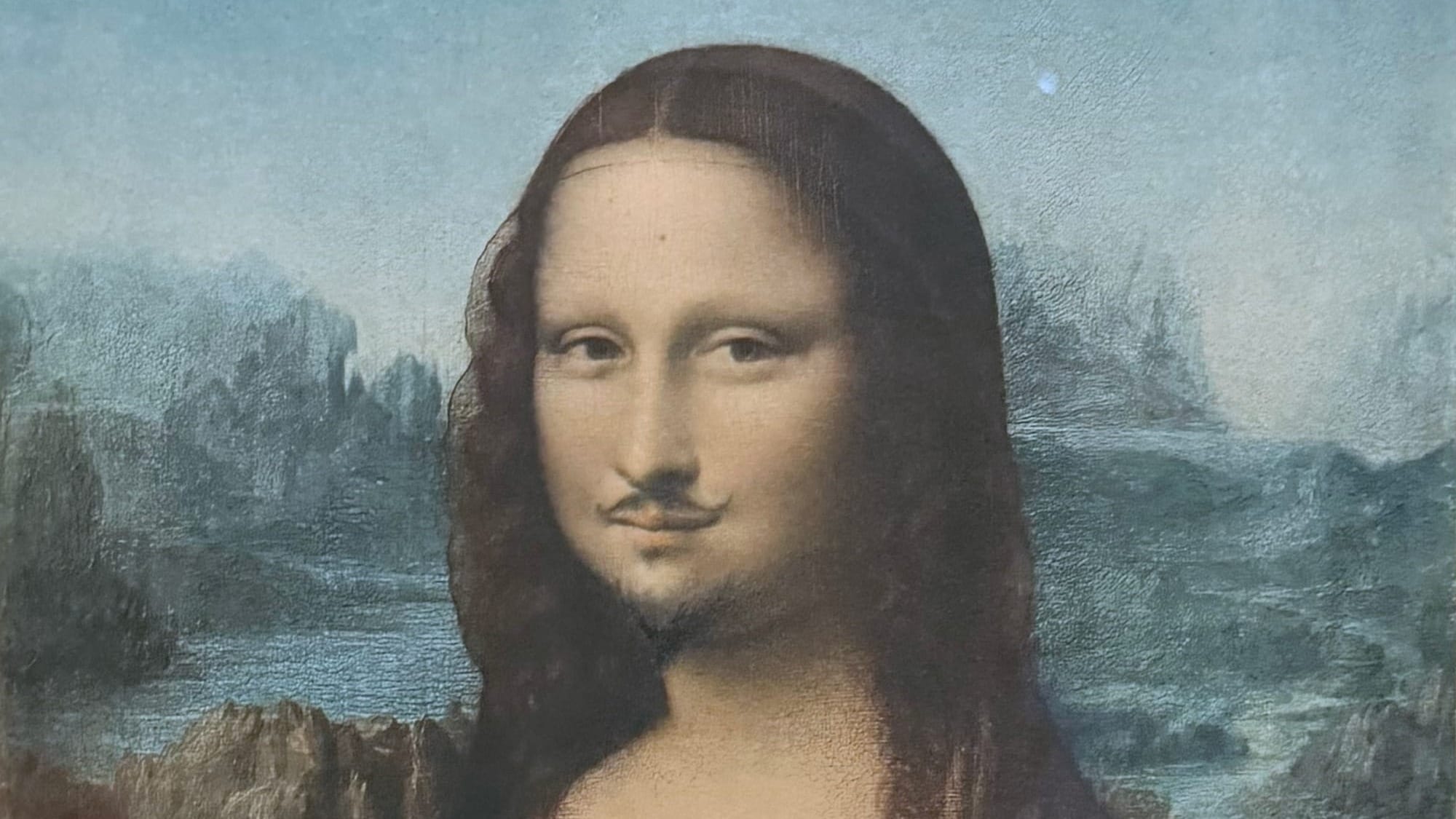
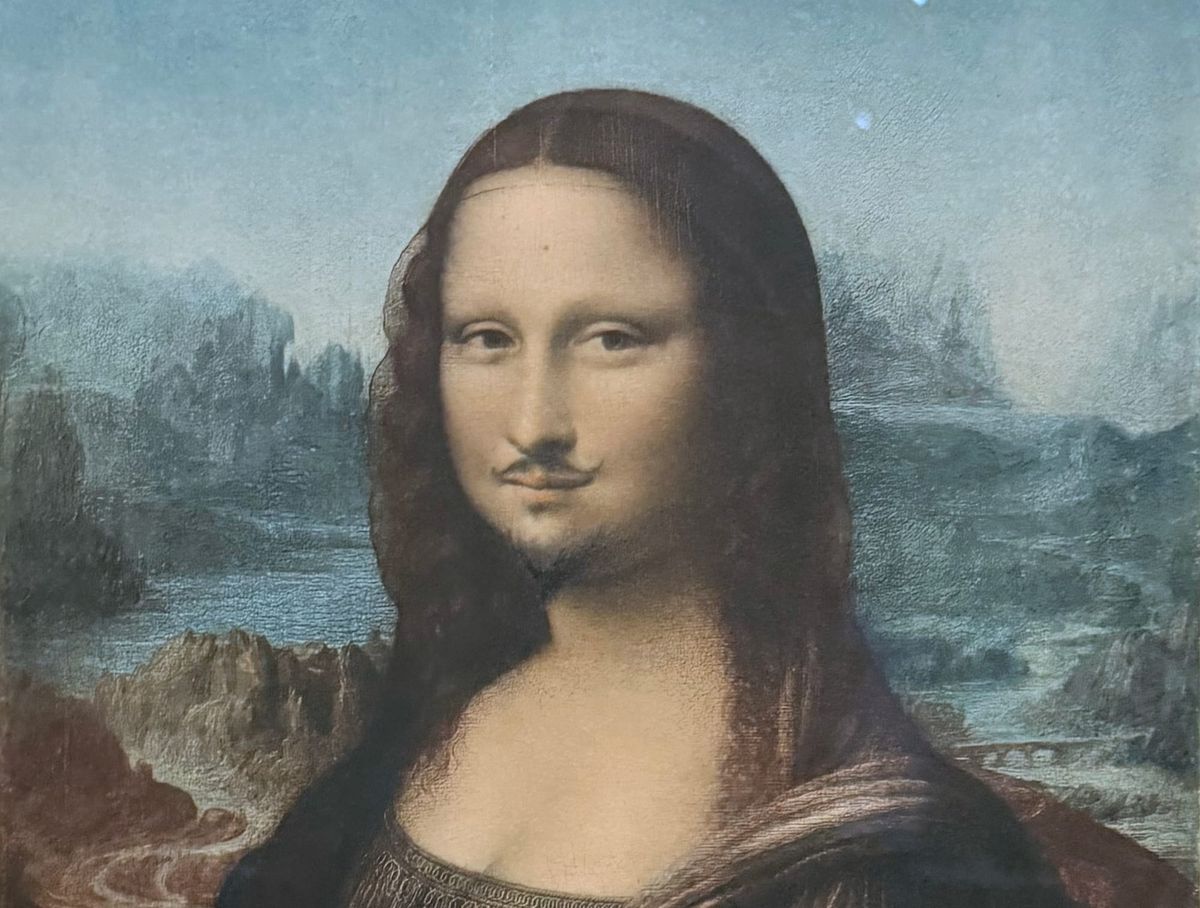
4 days agowhat the readymade still asks: marcel duchamp returns to new york at MoMA and gagosian
Marcel Duchamp's readymades challenge traditional notions of art, emphasizing the role of displacement and designation in transforming ordinary objects into conceptual events.
Arts
fromdesignboom | architecture & design magazine
4 days agowhat the readymade still asks: marcel duchamp returns to new york at MoMA and gagosian
Marcel Duchamp's readymades challenge traditional notions of art, emphasizing the role of displacement and designation in transforming ordinary objects into conceptual events.
fromArtnet News
6 days agoPainting Has Entered Its Performance Era | Artnet News
Much of Instagram's video content is organized around transformation-the virtual magic of the before-and-after and clips that show cause and effect. A person makes pasta from scratch in 20 seconds via edits that compress time-intensive labor.
Arts
fromKqed
1 month ago'Inside The Go-Go's' Is a Gritty Time Machine Back to the '80s
Imagine getting access to your favorite bands' most personal possessions: private photos, posters, notebooks, tour laminates, equipment, clothing, booking schedules. There are even bus tickets, a hospital birth certificate and snaps of pet dogs. Imagine a dizzying array of their entire career, covered indelibly with their own mucky fingerprints, as well as their greatest glories and messiest misbehavior.
NYC music
fromArtnet News
2 weeks agoThe Business of KAWS: What Data and a Museum Show Reveal About His Market | Artnet News
KAWS has shown an uncanny ability to connect with a wide variety of people. Younger buyers clamor for his $50 Uniqlo T-shirts, while trophy-hunting collectors shell out millions for paintings.
Arts
Writing
fromwww.theguardian.com
1 month agoLove Magic Power Danger Bliss by Paul Morley review reappraising Yoko Ono
Yoko Ono was a pioneering avant-garde artist in 1960s downtown New York, creating experimental music and conceptual art before meeting John Lennon, challenging conventional definitions of artistic merit.
Television
fromenglish.elpais.com
1 month agoIt's a trompe-l'il, it can't even turn you on': Have on-screen bodies become too unrealistic?
Despite increased sexual content in film and television, critics argue these portrayals lack genuine eroticism due to idealized bodies and choreographed encounters, potentially causing audience fatigue.
fromHyperallergic
2 weeks agoThe Art World Is a Joke
Kamrooz Aram is everywhere this year, from Mumbai Art Week to the Whitney Biennial, and critic Aruna D'Souza is grateful. She pens a beautiful meditation on his work, reading his abstract paintings as not simply a denunciation of Western modernism nor a reassertion of Islamic visual motifs, but something else entirely - something gestural, exuberant, riotous, and incomparably his own.
Arts
fromArtforum
2 months agoCommercial Break
AT FIRST GLANCE, the phrase "avant-garde advertising" might seem like a contradiction in terms: The avant-garde is assumed to be inherently anti-capitalist and the realm of advertising crassly commercial. But the involvement of avant-garde artists with advertising is in fact rich, complex, and long-standing, encompassing a full century of collaborations, critiques, and reworkings of all sorts. That entanglement-in all its diversity-is the topic
Film
fromBored Panda
2 months ago80 Vintage Ads That Show Which Values Changed And Which Stayed The Same Over Time
We might be exposed to more ads and commercials today than ever before in human history, but the idea of advertising itself is certainly not a new concept. According to Instapage, the first signs of advertisements actually appeared in ancient Egyptian steel carvings from 2000 BC. Meanwhile, the first printed ad was published in 1472, when William Caxton decided to advertise a book by posting flyers on church doors in England.
Marketing
fromWWD
1 month agoMAC Cosmetics Taps Rob Rausch for Campaign in Times Square
When two icons like MAC and Sephora come together, it calls for a moment that is playful, current and deeply rooted in culture. Rob Rausch, fresh off his win on 'The Traitors' and at the center of online conversation, was our perfect collaborator. This contrast of raw virality and elevated visuals cut through the noise, reinforcing that MAC is for all expressions and everyone, and always on the pulse of culture.
Marketing
Arts
fromwww.theguardian.com
1 month agoAbsolutely transformative': Willem de Kooning exhibition uncovers raw intensity of early work
Willem de Kooning's 1948 solo exhibition at Charles Egan Gallery launched his international career, establishing him as a pre-eminent painter by the 1950s through his innovative exploration of figuration and abstraction.
fromHyperallergic
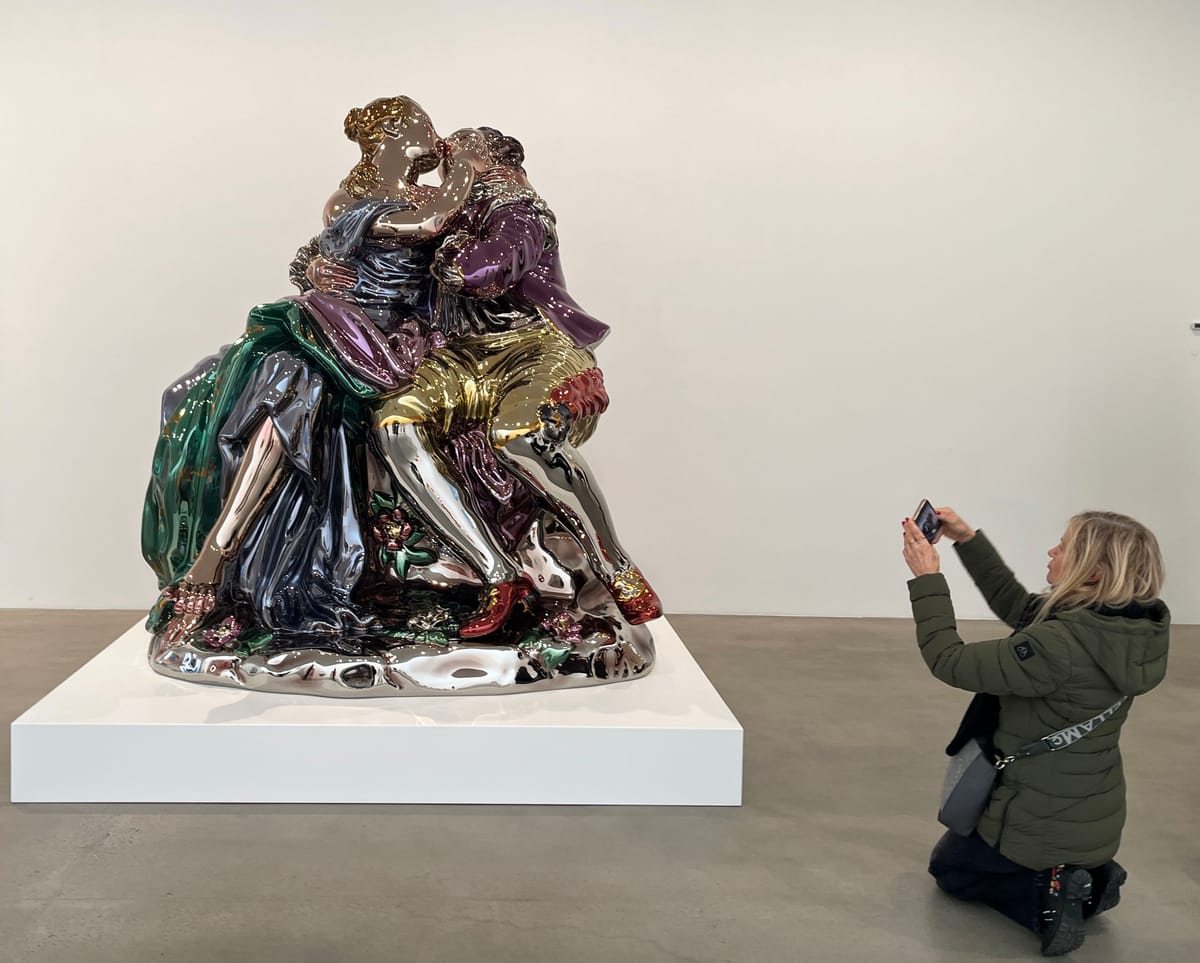
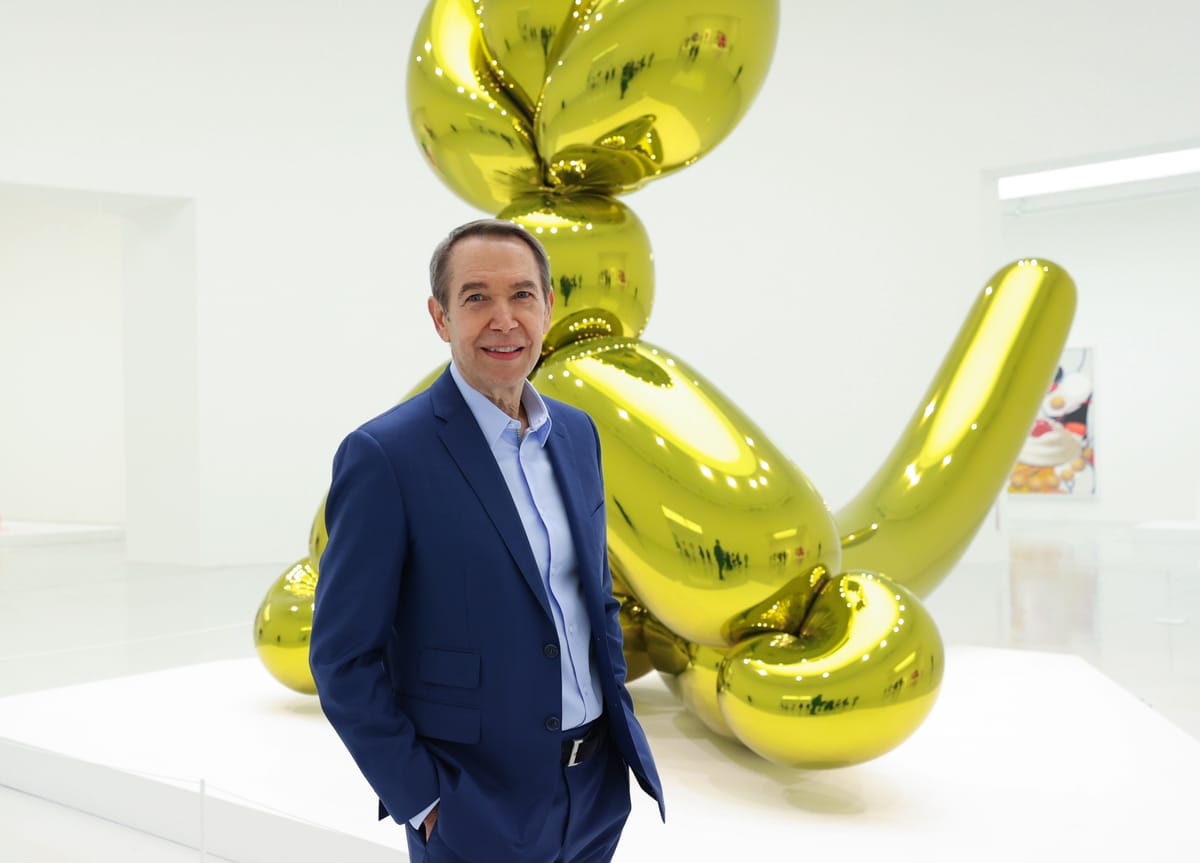
2 months agoJeff Koons's Trumpian Reflections
"As I stood and looked at it on a drizzly gray day," John Yau writes of looking at a radiant painting by Edward Zutrau, "I forgot that it was raining." That's what art can do - stop you in your tracks, make you forget absolutely everything save for that essential encounter between you and the work.
Arts

fromHyperallergic
2 months agoThe Unruly Politics of Glitter
Presented with improbable dignity in a golden box is a hanging ornament in the shape of the Trevi Fountain that comes with a "complimentary papal blessing." Its roughly shaped details would be dull if the whole thing weren't drowned in glitter. Under the shop lights, this perfect miniature of late Baroque architecture explodes in shine: a beacon promising a brighter future and a better life.
Arts
Arts
fromThe Art Newspaper - International art news and events
1 month agoIs it finally time for the Guerrilla Girls to remove their masks?
The Guerrilla Girls maintained anonymity for 40 years to protect members from professional retaliation and to emphasize systemic art world discrimination over individual grievances.
fromHyperallergic
2 months agoThe Art World After Epstein
We knew everything we needed to know about the art world before the Epstein Files dropped. Before heinous allegations against Museum of Modern Art trustee Leon Black emerged, or School of Visual Arts chair David A. Ross's sympathetic endorsement of Epstein came out, we knew about the intimate connections between institutional heads and donors and trustees. The exchanges of money, donations, or favors that bind them.
Arts
Arts
fromwww.amny.com
2 months agoCashing out: Houben RT follows the money with his art and paints what it reveals | amNewYork
Houben RT's paintings expose money as modern society's defining force, replacing virtue with valuation and transforming currency into cultural theology that shapes identity and power.
fromHyperallergic
2 months agoTrump Targets New Deal-Era Art
As the administration continues its attacks on culture, the president is targeting a building near the National Mall with several remarkable New Deal-era murals about social security, which remain as relevant as the day they were painted. Reporter Aaron Short brings us inside the fight to save this gem of a building, which a new petition describes as a "Sistine Chapel" of artworks centering working-class communities that the government abandoned during the Great Depression (and continues to neglect today).
Arts
[ Load more ]