"We've signed up to fight discrimination in the art world. Call us Guerrilla Girls. This poster is now on display in the gutsy and engaging Getty exhibition How to Be a Guerrilla Girl (until 12 April), the institution's first show drawn from its 2008 acquisition of 96 boxes, plus portfolios and flat files, of art and archival material."
"Early on, some of our members were afraid that if their involvement with Guerrilla Girls got out, their galleries or critics would use it against them. What's more, both say, anonymity was a way to maintain focus on widespread social conditions instead of personal situations, so nobody could dismiss their concerns as the whining."
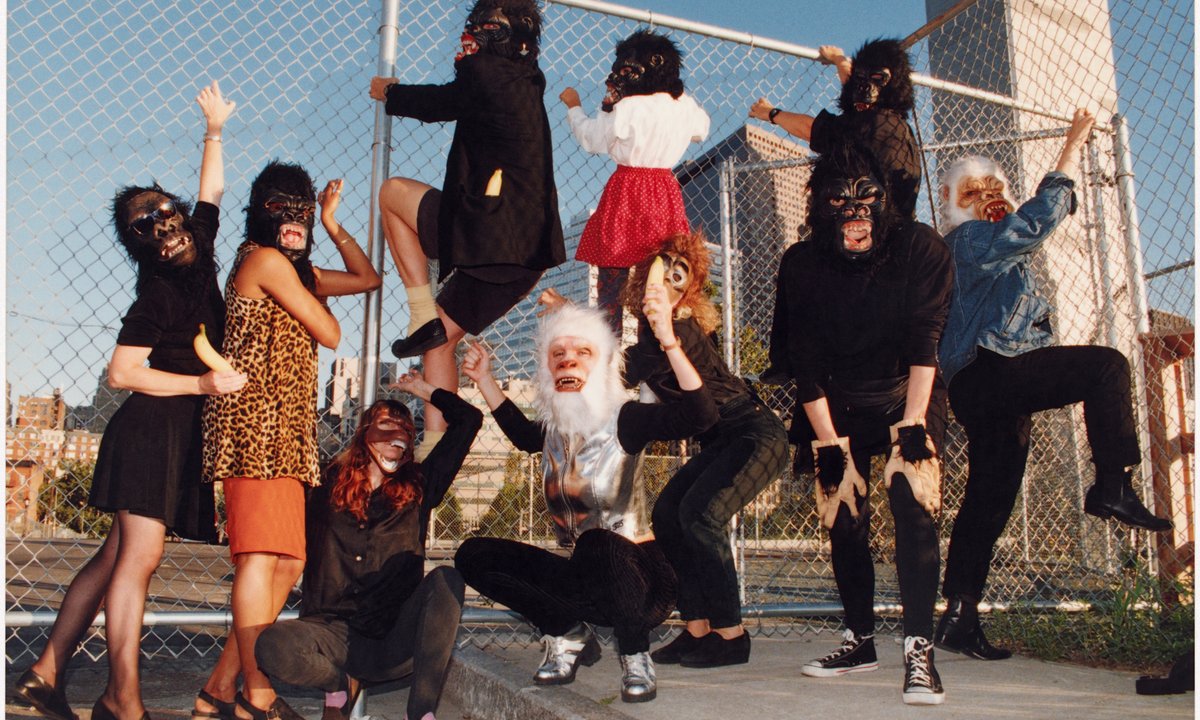
"After 40 years of fighting misogyny with facts, humour and fake fur, the identity of the Guerrilla Girls ranks as one of the art world's best-kept secrets, with remarkably few public or published leaks."
The Guerrilla Girls, an activist art collective founded in the 1980s, adopted deceased female artists' names and gorilla masks to fight discrimination in the art world. Five years after their formation, they created a strategic poster listing nearly 500 artists' names, claiming these were their identities while actually obscuring their true membership. The Getty Museum's 2008 acquisition of their archival materials forms the basis of the exhibition "How to Be a Guerrilla Girl." Despite four decades of activism using facts, humor, and fake fur, the collective's actual membership remains one of art's best-kept secrets. Founding members cite anonymity as protective strategy, preventing galleries and critics from targeting members professionally while keeping focus on systemic issues rather than individual complaints.
#guerrilla-girls-activism #art-world-discrimination #anonymity-and-strategy #feminist-art-collective #getty-museum-exhibition
Read at The Art Newspaper - International art news and events
Unable to calculate read time
Collection
[
|
...
]