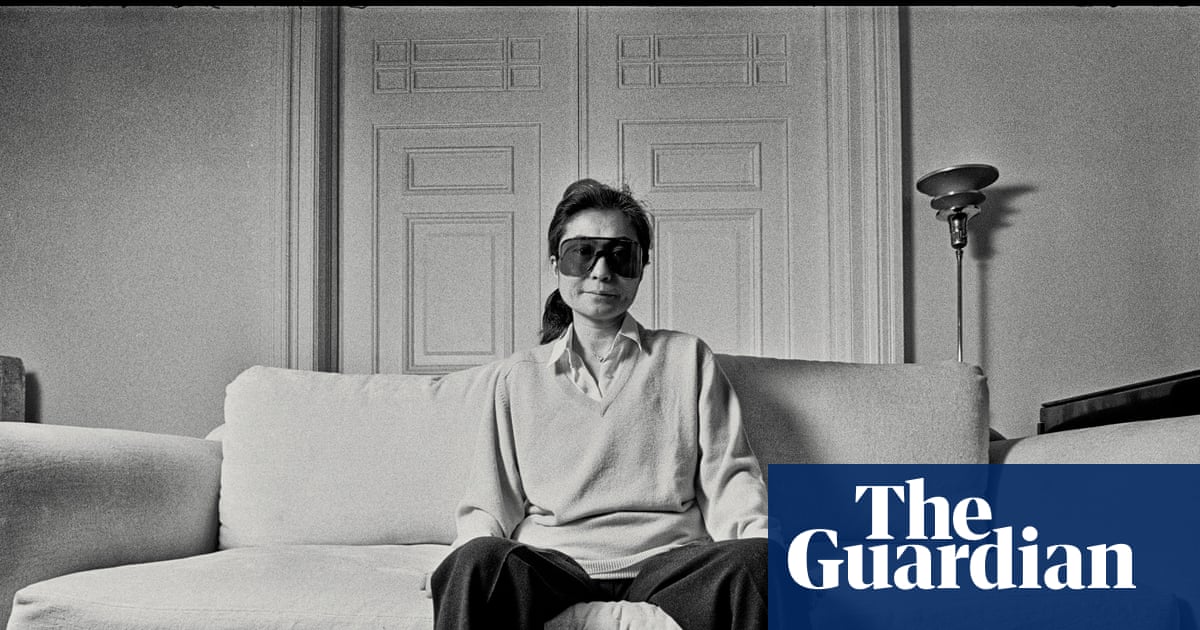
"Born in 1933, into a wealthy banking family (her schoolmates included the sons of Emperor Hirohito), she survived the firebombing of Tokyo and took refuge in the country where she and her mother, now virtual beggars, were mocked by locals. Later, she would become the first woman to be accepted into the prestigious Gakushuin University philosophy department."
"Ono found her way to downtown New York where a ragtag flotilla of dancers, musicians and artists were starting to occupy abandoned industrial buildings to make work that was scoffed at by blue-chip galleries. Droning music; event scores in which everyday tasks (preparing salad, massaging hands with Nivea cream) were reframed as art; antic physicality."
"Morley points out that quite a few of the artists who moved in these circles were, like Ono, expats and exiles. Paik was Korean, George Maciunas founder of the Fluxus art movement was Lithuanian, Joseph Beuys was German."
Yoko Ono has been widely misunderstood and criticized, often dismissed as talentless or blamed for the Beatles' dissolution. However, her artistic contributions preceded her relationship with John Lennon. Born into a wealthy Japanese banking family in 1933, Ono survived Tokyo's firebombing and later became the first woman admitted to Gakushuin University's philosophy department. She eventually settled in downtown New York, where she participated in experimental avant-garde circles alongside international artists like Nam June Paik and George Maciunas. Her work included droning music, conceptual event scores transforming mundane tasks into art, and unconventional performances. Many artists in these circles were expatriates and exiles, creating work initially dismissed by mainstream galleries but later recognized as innovative.
Read at www.theguardian.com
Unable to calculate read time
Collection
[
|
...
]