Media industry
fromDigiday
2 days agoAs upfront negotiations near, buyers chart path through complex sports market
Fragmentation of sports broadcasting complicates viewing for fans and advertising strategies for brands.
I think it probably goes more to the larger cap puzzle that we're trying to build and remain competitive within the marketplace. In the end, there's only so many dollars to go around.
Sportfive's gaming department, which started with just three dedicated employees in 2016, has now expanded to a robust team of 80, highlighting the agency's commitment to the gaming sector.
"YouTube has become a primary destination for audio-first content, where fans engage with their favorite podcasts, music, and creators. By partnering with SiriusXM Media, we are making it easier than ever for advertisers to tap into these high-attention moments."
Subscribers to TNT Sports can now access the service through HBO Max, which has replaced Discovery+ for online streaming. Existing Discovery+ users can log in using their current credentials.
ESPN's purchase of NFL Network and other league digital assets has been finalized after government regulators approved the transaction. The league and ESPN officially announced the closing of the deal Saturday night after the Justice Department and other non-US antitrust authorities completed their reviews. ESPN acquired NFL Network, NFL Fantasy and the rights to distribute the RedZone channel to cable and satellite operators and the league will get a 10% equity stake in ESPN.
In a settlement with McCourt - and to avoid the risk of the judge imposing a deal less favorable to the league - MLB agreed the fair-market value of a Dodgers TV deal would be based on the very Fox deal that Selig had rejected. Why did that matter? That value was $84 million for the first year and would increase thereafter, with the league taking its standard 34% cut and sharing that among all its teams.
Per the reports, at least a few of the involved teams are considering going their own way - the Braves are set to do so, as the Rangers did previously - but it's possible as many as eight teams' broadcast rights will be joining the six that MLB already controls. The new eight would be the Cardinals, Brewers, Reds, Marlins, Rays, Tigers, Royals, and Angels.
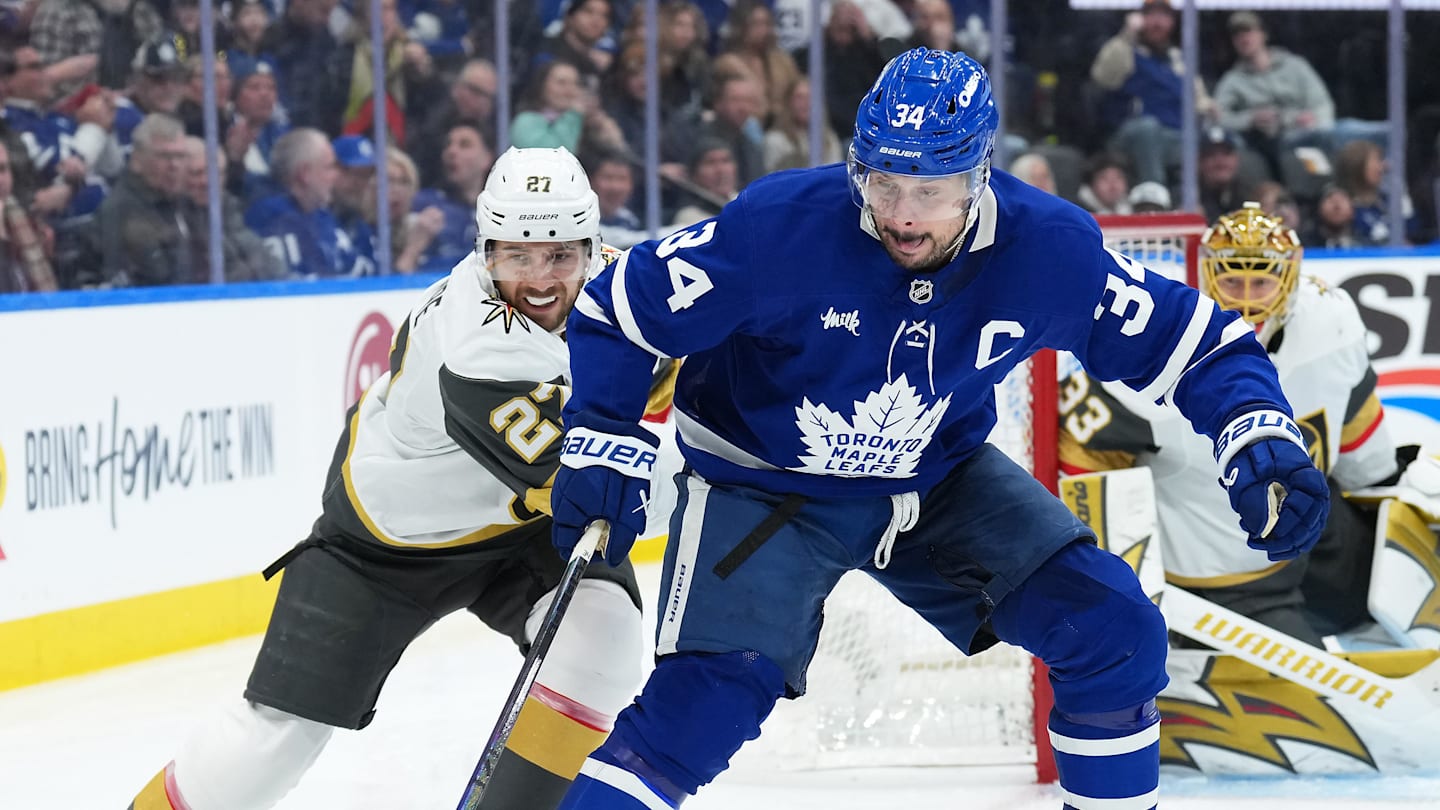
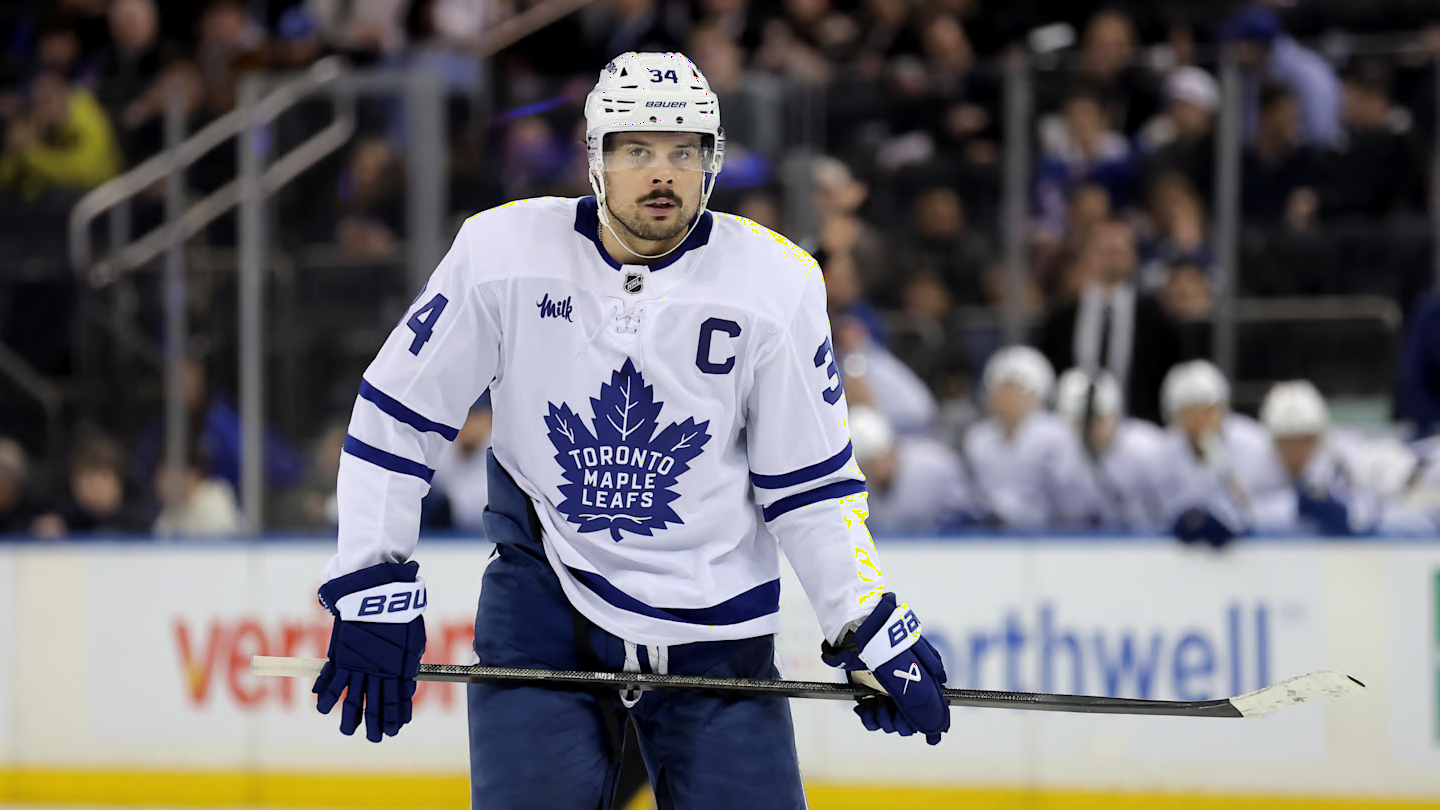
Expansion makes headlines because it's exciting with new logos to rep, new arenas to visit, and new rivalries to cheer for or against. But behind the spectacle is a far more calculated question - what actually makes a hockey market work?