#miniature-woodworking
#miniature-woodworking
[ follow ]
#craftsmanship #digital-detox #sustainability #furniture-design #design #diy #upcycling #analog-hobbies
fromABC7 Los Angeles
3 days agoAt Tiny Doll House, craft the fun-sized world of your dreams
I think the thing that surprises people the most when they come in is the complete variety of items that we have, and the very wide range of things that we offer. Everybody smiles here. There's never anybody that's unhappy or grumpy.
NYC food
fromChrbutler
2 weeks agoCraft is Untouchable - Christopher Butler
Craft is often defined as skill in making things by hand, but this interpretation is being challenged by AI. Craft transcends physical interaction; historical figures like Mozart and Beethoven exemplify mastery without traditional methods.
Intellectual property law




fromArchitectural Digest
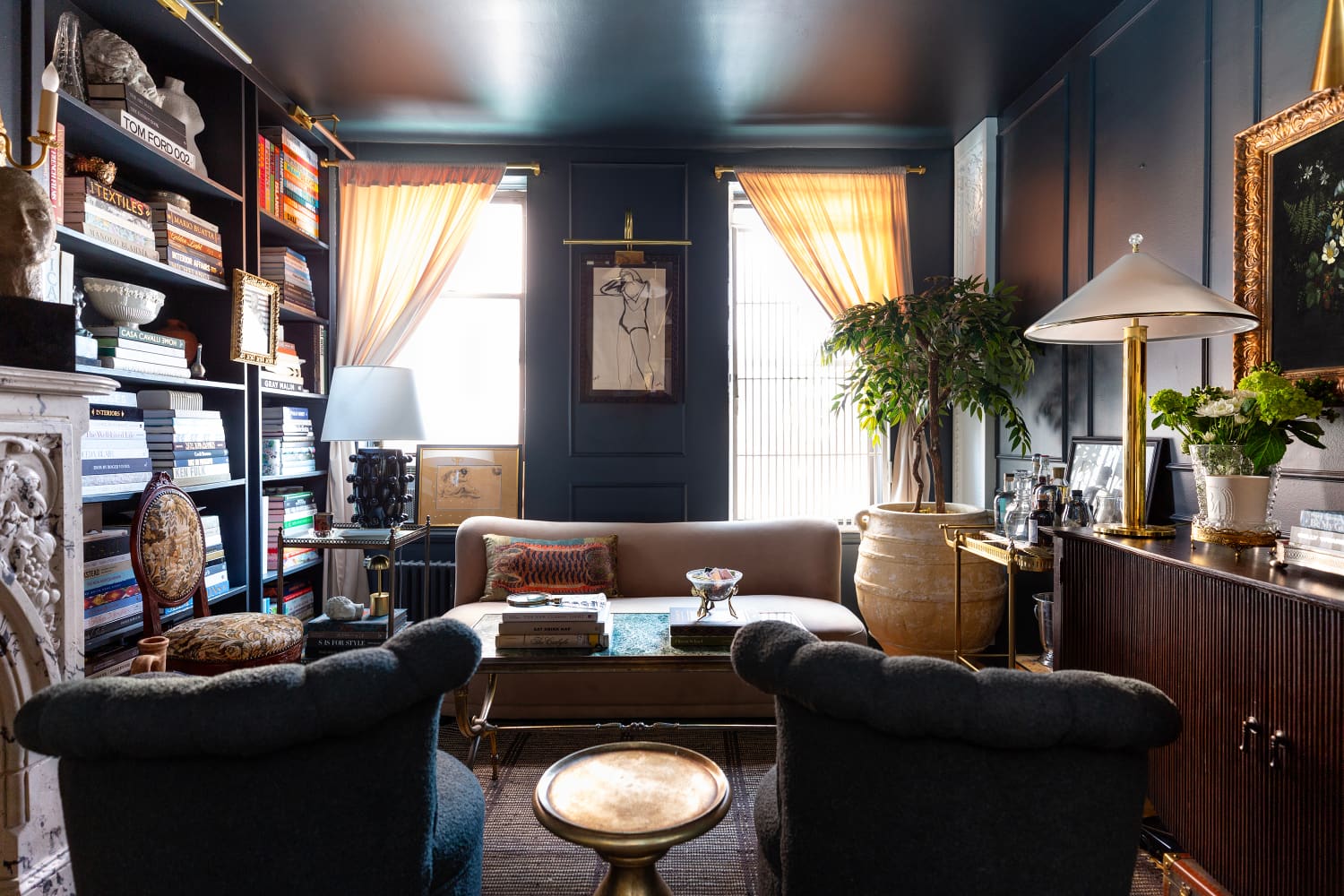
1 month agoHow Alexander Widener Turned His Vintage Obsession Into a Career
In the digital world that we're in, you know, negative videos are what goes viral. People are always knocking people down a peg and it's really easy to fall into that. If something bad happens-which, when you own your business, something bad happens every day- it's easy to circle in despair. But my challenge is to look for the positive and figure out how to pivot, and if something isn't working then figure out a different way to get it done.
Digital life
Arts
fromdesignyoutrust.com
1 month agoStunning LargeScale Matchstick Sculptures By Iowa Artist Patrick Acton, Using Millions Of Tiny Wooden Sticks
Matchstick Marvels in Gladbrook, Iowa showcases intricate matchstick models by artist Patrick Acton, who has created over 75 large-scale sculptures since 1977.
fromColossal
1 month agoHistoric Architecture Emerges from Stone in Matthew Simmonds Ethereal Sculptures
From unassuming hunks of Carrara marble and limestone, Matthew Simmonds carves realistic, miniature gothic cathedral arches, stairwells, and colonnades. Often based on architectural details of real places, such as cities around Tuscany and Germany's Bamberg Cathedral, the sculptures portray intimate details of corners, vaulted ceilings, arcades, and stairwells that can sometimes be peeked through additional apertures.
Berlin music
Gadgets
fromYanko Design - Modern Industrial Design News
2 months agoStop Ruining Your Chisels: This Sharpening Kit Locks Angles Every Time - Yanko Design
EdgeForm mechanically locks the sharpening angle and stabilizes the stroke to deliver repeatable, precise sharpening using modular plates, rollers, and clamps.
Parenting
fromBusiness Insider
1 month agoMy mom has been collecting miniatures for 50 years. They have taken over our 1000-square-foot basement.
Celina Myers' mother has collected miniatures since age 14, filling their entire basement with thousands of organized tiny treasures that continue to bring her joy despite physical disability.
fromFast Company
2 months agoMaking things that make things
The advertising industry has always been in the business of making things, such as the OOH billboard, the 30-second spot, the snappy social post, the standard website: final, finite assets polished and pushed into the world. Agencies were paid, often by the hour, for producing final versions of these things and then moved on to the next project. Even with generative AI entering the picture, much of the conversation remains focused on making those same things faster or cheaper.
Marketing
fromLondon Business News | Londonlovesbusiness.com
1 month agoThe best solid wood furniture brands in the UK (2026): Expert reviews and buying guide - London Business News | Londonlovesbusiness.com
Off the Grain works out of Halifax in West Yorkshire, handcrafting every piece to order. Forget flat-pack or particleboard - here, it's all about real materials and genuine expertise. Skilled craftspeople cut, join, and finish each item by hand. You can pick your dimensions, wood, and finish, so the final piece fits your space instead of the other way around.
Real estate
Education
fromIndependent
1 month agoMeet the 13-year-old Wicklow boy who is turning local wood into pocket money
A 13-year-old Irish student spends his free time woodworking in his father's workshop, creating functional homeware from locally-sourced timber instead of pursuing typical teenage activities.
Environment
fromYanko Design - Modern Industrial Design News
2 months agoThis Leaf-Like Tool Turns Everyday Walks Into Small Acts of Care for Hidden Lives - Yanko Design
LIVIO provides gentle, non-contact tools that enable people to protect small creatures in everyday outdoor spaces, making micro-conservation approachable and intuitive.
fromSilicon Canals
2 months agoTreasures worth thousands: homeowners discover vintage items hidden in walls during renovation - Silicon Canals
Picture this: you're knee-deep in renovation dust, crowbar in hand, when something unexpected tumbles from behind century-old plaster. A yellowed envelope? A strange metal box? That moment when your heart skips because you realize you might have just found something extraordinary. For some lucky homeowners, these discoveries turn out to be worth thousands of dollars, transforming a simple home improvement project into an unexpected treasure hunt.
Renovation
fromdesignboom | architecture & design magazine
1 month agovernacular bridge craftsmanship informs micro-museum set within bamboo grove in china
Baqiao bridges, including the nearby Shisanba Bridge, typically appear in areas where the difference between river level and embankment is relatively small. Their upstream piers are shaped like tapered spindles with slightly raised tips, creating a distinctive structural profile. Stone slabs span between the piers, forming a bridge deck assembled through interlocking construction methods.
Design
fromInfoWorld
1 month agoAn ode to craftsmanship in software development
Your coding apprentice can build, at your direction, pretty much anything now. The task becomes more like conducting an orchestra than playing in it. Not all members of the orchestra want to conduct, but given that is where things are headed, I think we all need to consider it at least.
Software development
Arts
fromColossal
1 month agoYou'll Need a Magnifying Glass to Read Some of the World's Smallest Books at the V&A
Queen Mary's Dolls' House at Windsor Castle contains nearly 600 miniature books designed by leading craftspeople, representing a remarkable collection of scaled literary works from the early 20th century.
fromApartment Therapy
1 month agoThis Trendy Aesthetic Will Define DIY Projects in 2026, According to Michaels' Experts
After years of hyper-polished feeds and showroom-perfect homes, people are embracing the beauty of imperfection. Wabi-sabi spaces celebrate texture, visible brushstrokes, uneven stitching, and layered finishes.
Design
Arts
fromHyperallergic
1 month agoMerging Craft Practices and New Media at the Museum of Craft and Design
Video Craft exhibition explores how video, film, and early moving image technologies share formal and technical properties with traditional craft media like ceramics, textiles, and glass through encoding, looping, and sampling.
fromYanko Design - Modern Industrial Design News
2 months agoThe Case for Heirloom Furniture in an Era Obsessed With Biodegradable Everything - Yanko Design
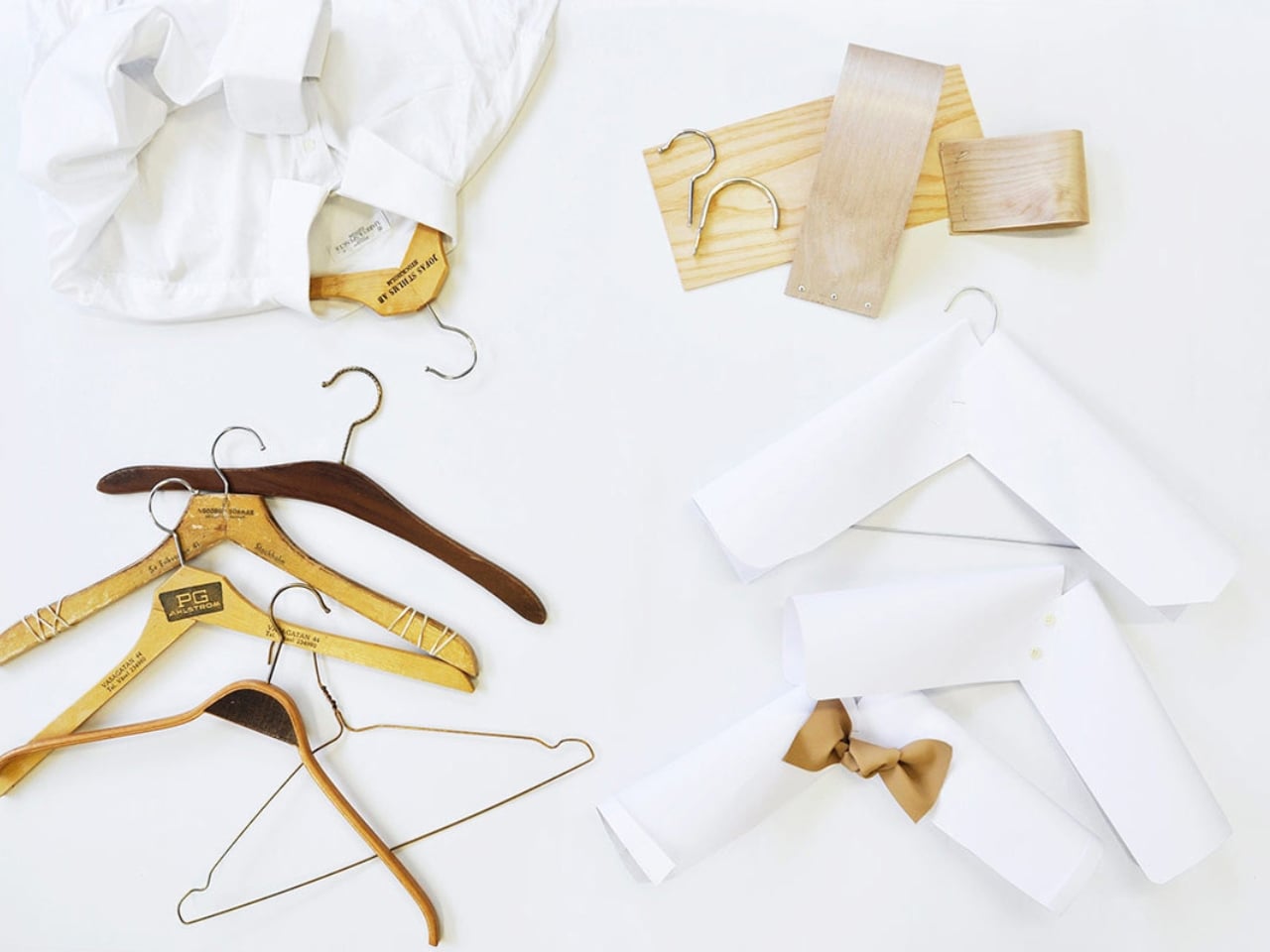
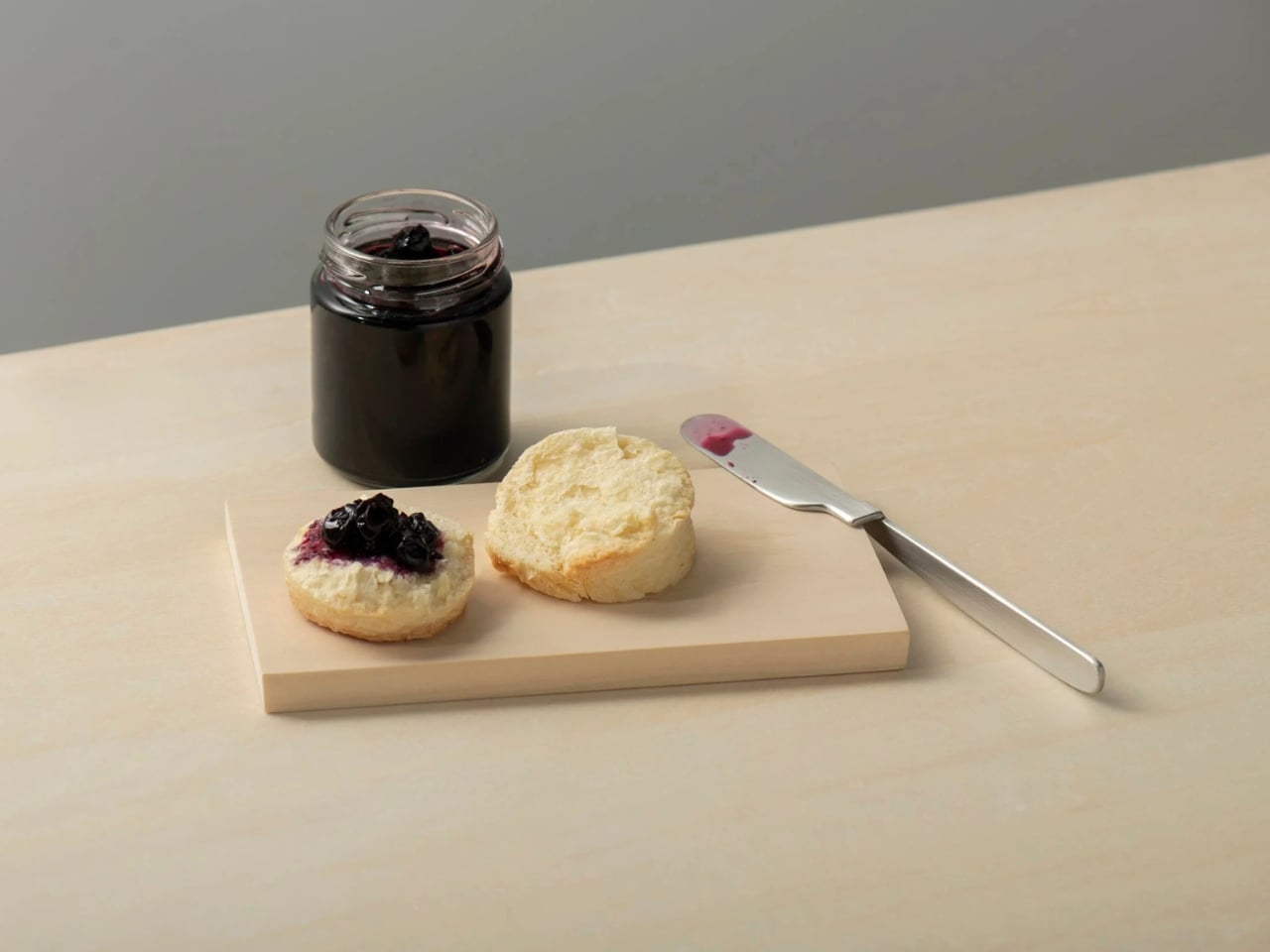
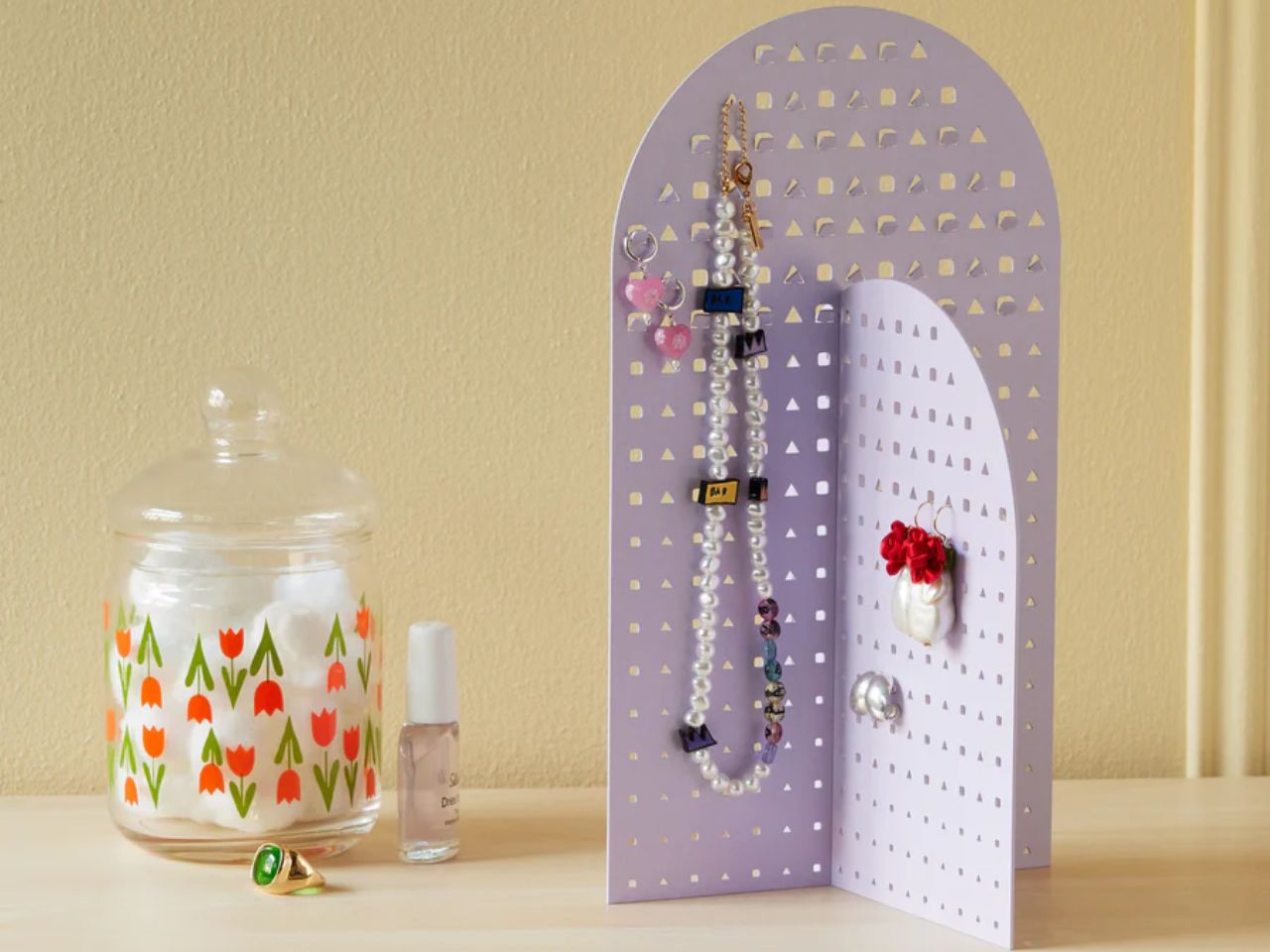
Furniture made from mycelium or algae can decompose in five years, sure, but a well-made antique armoire outlives empires because no one throws it away. Columns takes that logic seriously. Handcrafted in solid oak, natural leather, and horsehair, the pieces are built to last a thousand years, which sounds like marketing hyperbole until you look at the joinery, the hand stitching, and the material choices. This is furniture designed to be inherited, repaired, and remembered.
Design
Design
fromdesignboom | architecture & design magazine
1 month agoferreol babin renders french countryside on hand-carved furniture for friedman benda show
Ferréol Babin creates carved wood furniture inspired by his French countryside environment, incorporating natural imperfections and local timber to reveal the material's inherent stories and textures.
[ Load more ]