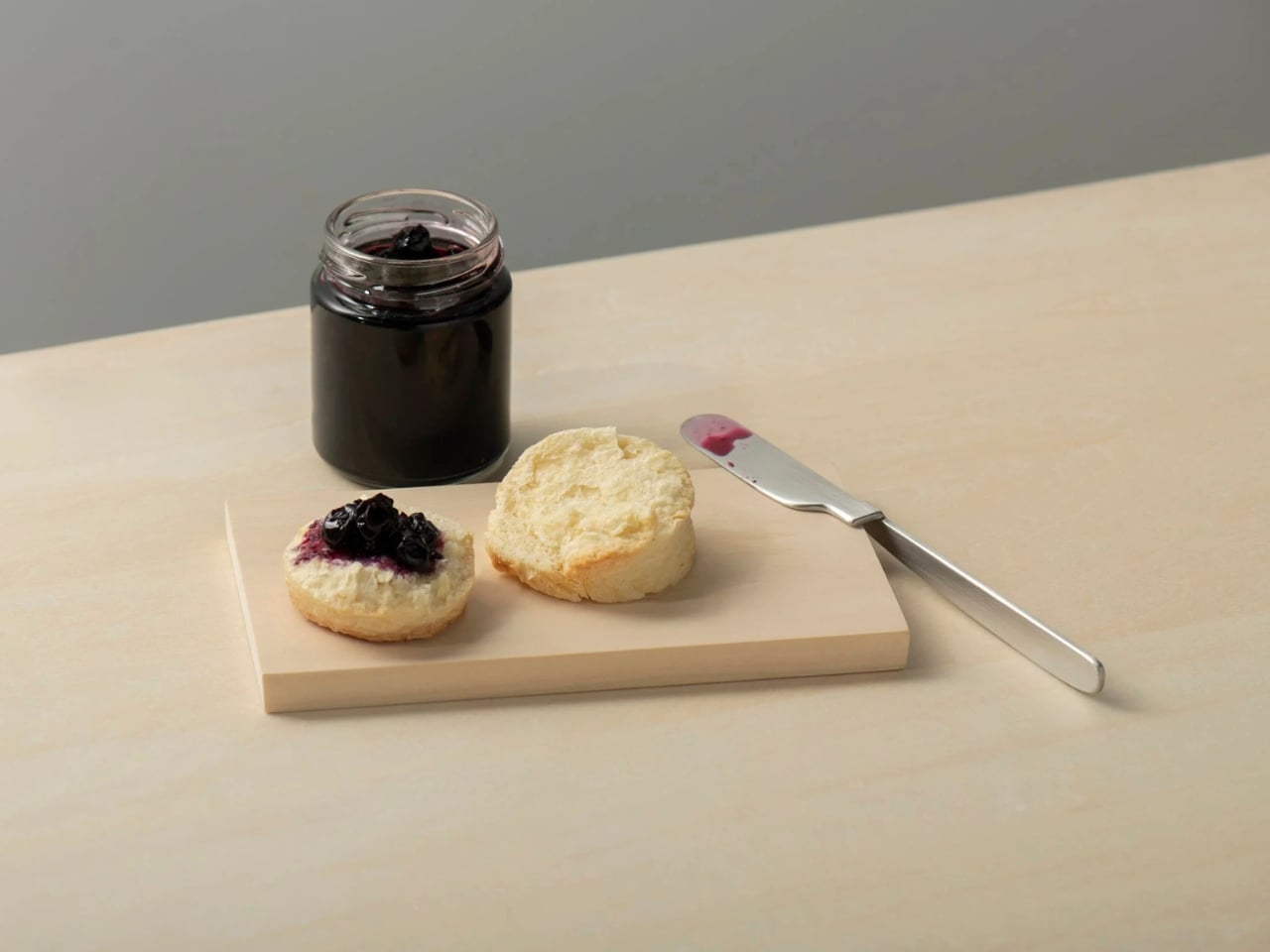
"Sometimes the best designs come from asking a simple question nobody bothered to ask before. For designer Kathleen Reilly, that question was: why does a knife always have to lie flat on the table? The answer came in the form of Oku, a table knife that literally hangs around the edges of your plates and boards thanks to a unique folded handle that defies centuries of Western tableware convention."
"When Reilly first arrived in Tsubame-Sanjo, a region in Japan's Niigata Prefecture known for over 400 years of metalworking tradition, she wasn't planning to revolutionize the humble dinner knife. The Scottish metalworker had been awarded a Daiwa Scholarship in 2019 and was eager to immerse herself in the legendary craftsmanship of Japanese artisans. What emerged from this cultural exchange was something that bridges East and West in a way that feels both natural and unexpected."
"The genius of Oku lies in that distinctive bent handle. Instead of resting horizontally like every other knife you own, it hooks over the edge of a plate or wooden board, elevating the blade and creating this almost sculptural presence on your table. It's a design choice inspired by traditional Japanese place settings and arrangement principles, where every object has intention and purpose."
Oku rethinks the dinner knife by using a folded bent handle that hooks over the edge of plates and boards. The hooked handle elevates the blade so it does not touch the table, improving cleanliness and creating a sculptural presence. Design draws on traditional Japanese place-settings and arrangement principles emphasizing intentionality. Production used metalworking expertise from Tsubame-Sanjo and wooden boards from Karimoku Furniture. Wood is sustainably sourced from managed Japanese forests and metalwork employs generations-old techniques. The design bridges Eastern craftsmanship and Western tableware conventions through functional aesthetics. The result is a cleaner, interactive utensil that challenges centuries-old conventions while honoring craft and sustainability.
Read at Yanko Design - Modern Industrial Design News
Unable to calculate read time
Collection
[
|
...
]