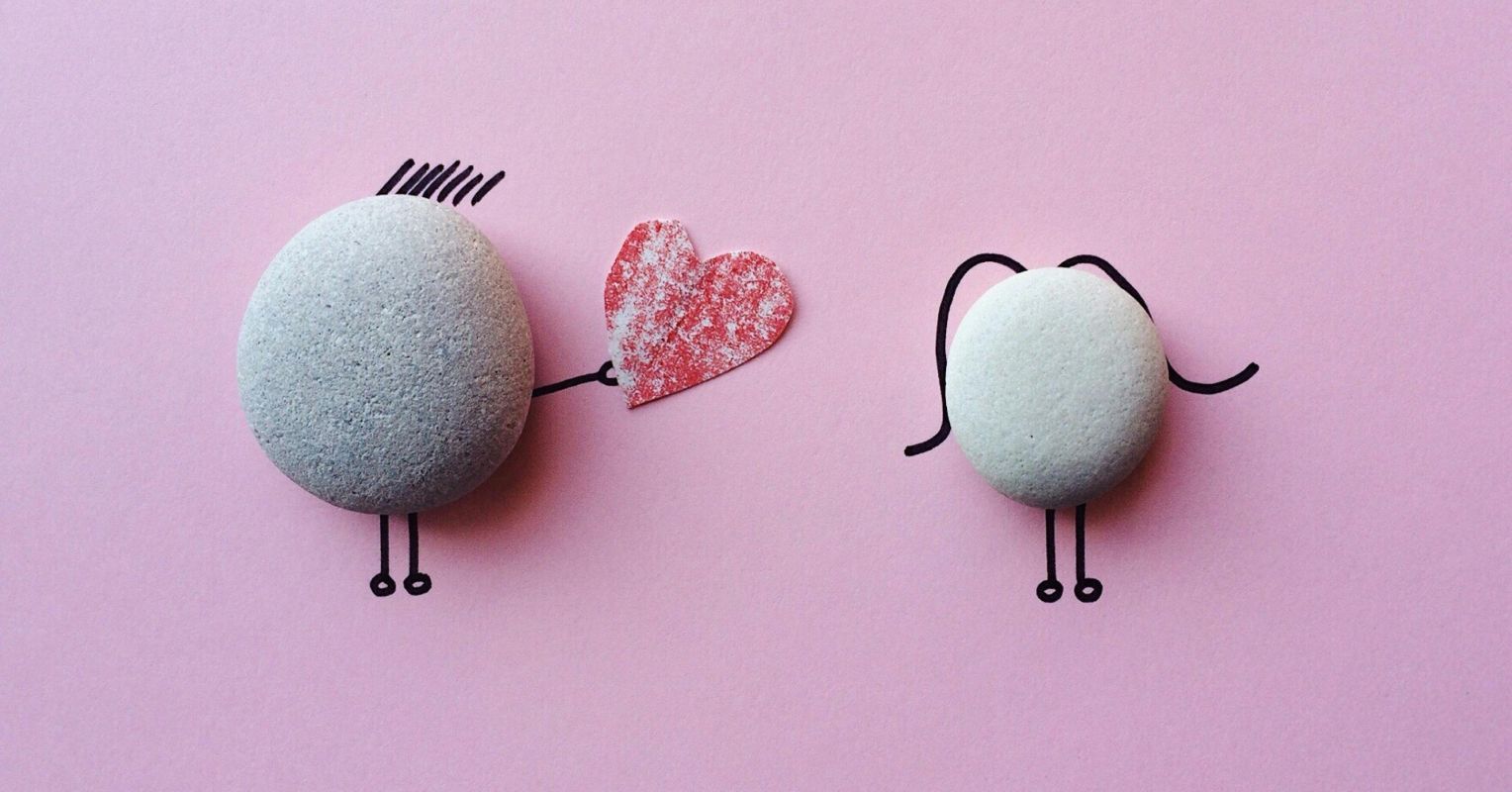
Just ask: 'what makes you feel most loved?' She says the answer can reveal emotional needs even long-term couples may not fully understand. 'It helps couples understand each other's love languages, what each person needs to feel special and cared for,' Nadkarni told Reader's Digest. Even highly compatible couples can differ in attachment styles and love languages, which can affect how they give and receive affection.
You say it's cozy; I say it's messy. You like it faster; I say it's already fast. You call it colorful self-expression; I call it tastelessly garish. And you want lavish gifts, while I want to give you... not-so-lavish gifts. I prefer celebrating you with loving words. Thoughtful, intimate gestures. Fun little surprises. Keeping my agreements. Reminding you to take your medicine. Holding my hand when we're with other people.
Do you know your preferred love language(s)? In my experience, this question seems to be asked more and more often when couples are first getting to know each other-or when they've landed in couples therapy. Gary Chapman's book The 5 Love Languages is a longstanding bestseller for a reason-it simply and intuitively organizes the ways romantic partners demonstrate care for each other. Words of affirmation, physical touch, quality time, gifts, and acts of service: we have all noticed what these different behaviors mean to us when our partners do them, and vice versa.