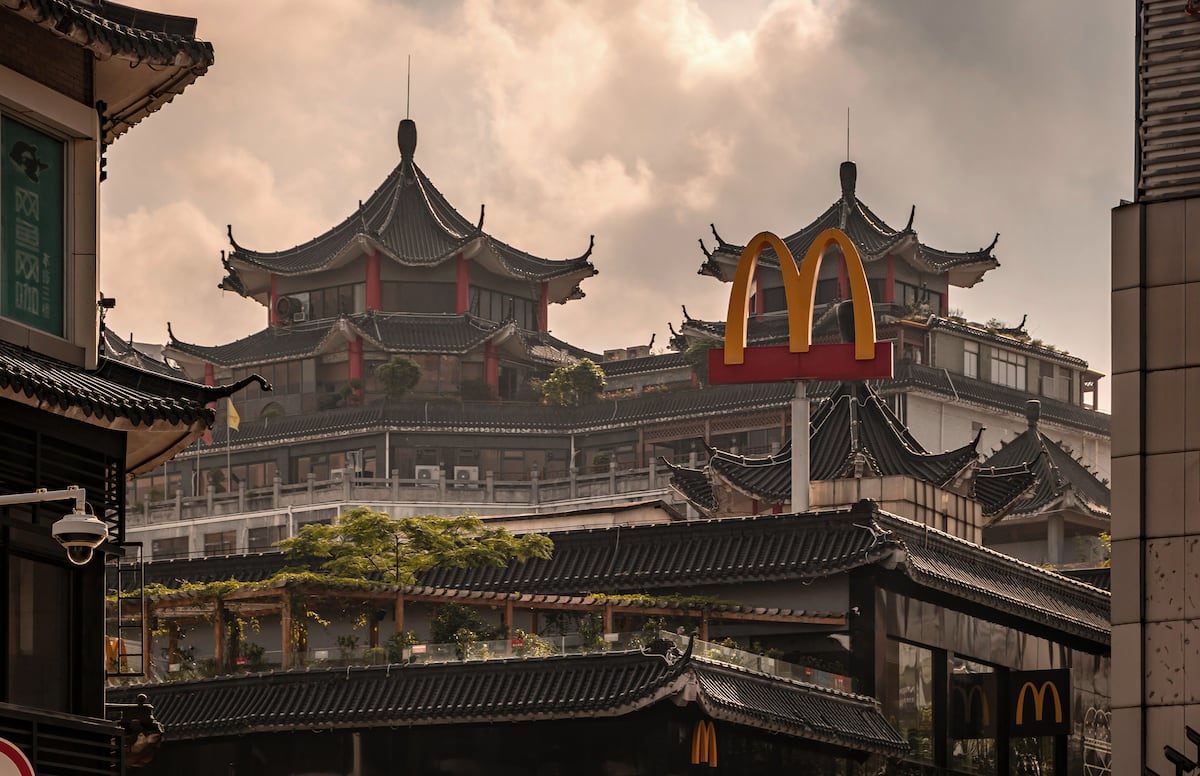
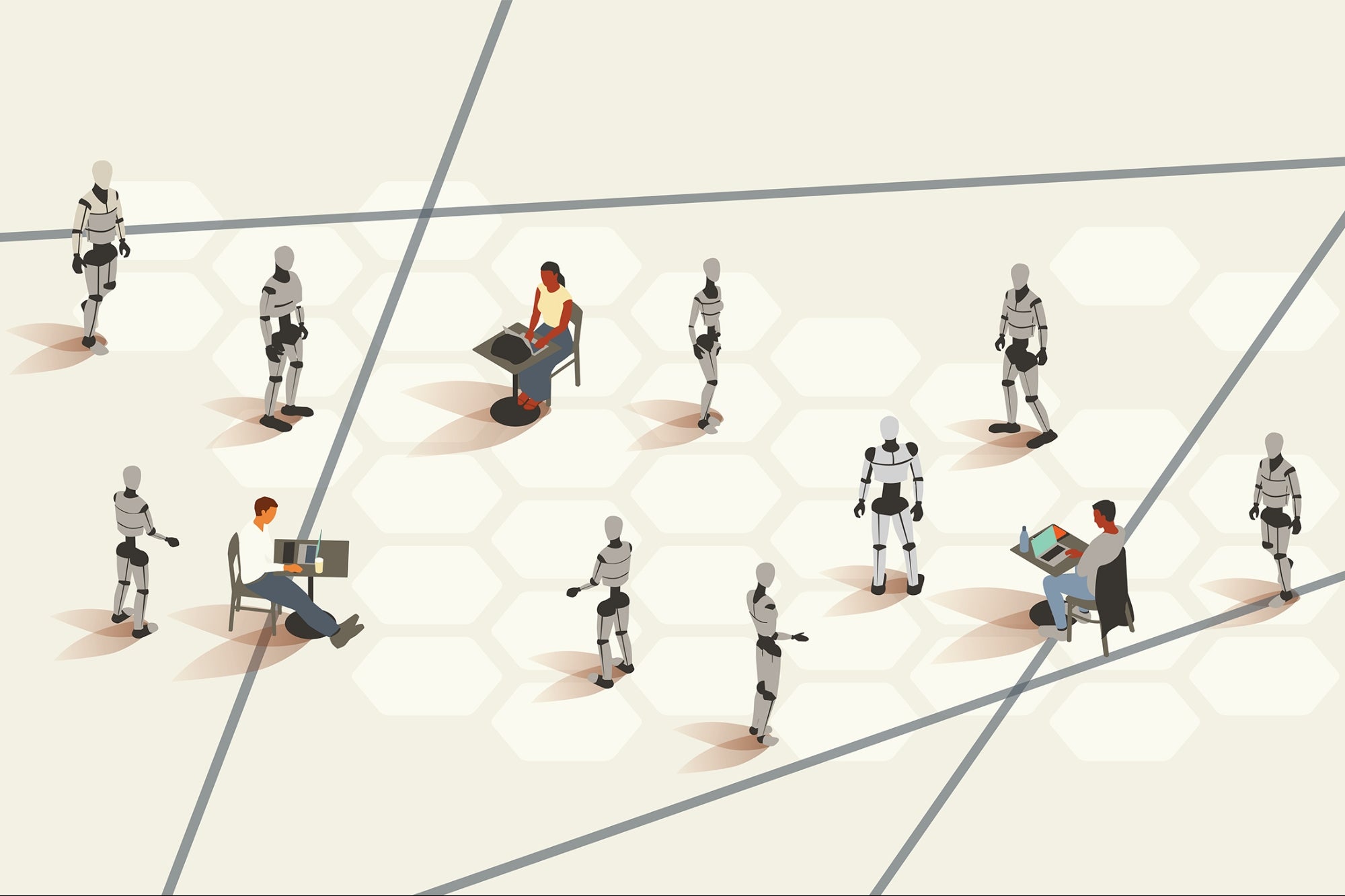
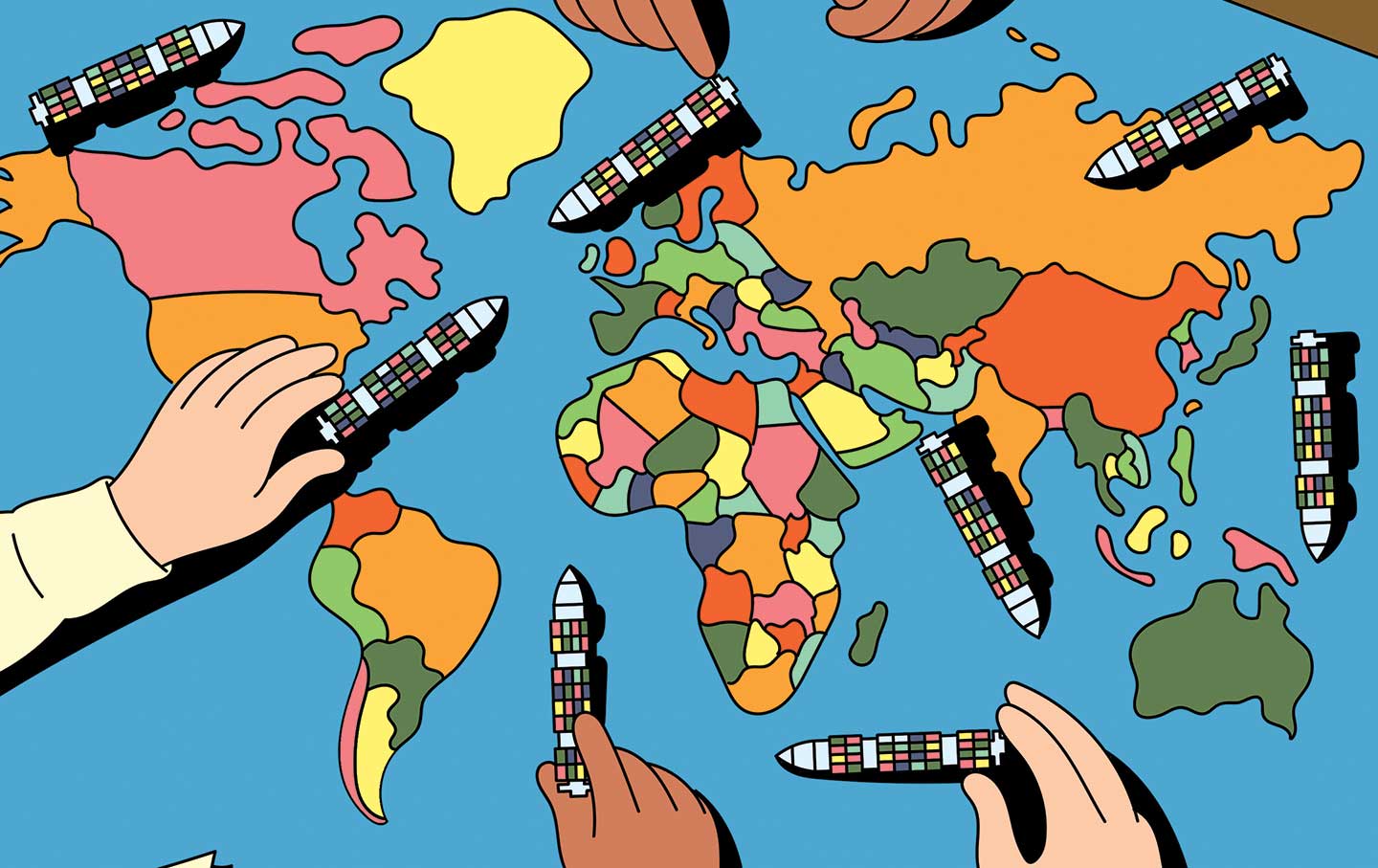
The weather is sunny and (relatively) warm in Davos, but there's a definite chill in the air. Maybe it's the heightened security. Maybe it's the long lines already forming. Maybe it's that there are reportedly a lot more people here than there have been in a long time. Whatever the case, everyone seems to be on edge. Multiple attendees told me they were already feeling exhausted, as if we were halfway through the week, even though we're just getting started.
Collating data from the World Bank and other sources in innovative ways, he argues that globalization in the late twentieth and early twenty-first century was accompanied by then-unprecedented growth of income in both previously poor populations (notably in China) and people at the top of the world's income distribution (especially those in the West). By contrast, relative shares of world income stagnated or were thought to have declined for wealthy nations' middle and working classes, including in the United States.
Higher education has a duty to "train the leaders of tomorrow," says the head of one of Europe's leading business schools, as geopolitics threatens to decouple economies, reverse globalization, and shake up the traditional pathways for talent and migration. "[Globally,] there is this sense of fragmentation," Vincenzo Vinzi, the dean of ESSEC Business School, tells Fortune. Essec was founded in 1907 in Paris, France, originally as the Economic Institute within the École Sainte-Geneviève.
Fifteen years ago, when I started studying the international dating industry, few people took the subject seriously. The term "mail-order bride" was treated as a punch line - something outdated, associated with lonely men and poor women who migrated from Eastern Europe, Asia or other places to meet their new husbands in the United States. But I've seen firsthand how ideas about gender, intimacy and global mobility have shifted.
Framed between two decisive historical thresholds-the death of Emperor Hirohito in 1989 and the 2011 Tohoku earthquake, tsunami and Fukushima nuclear disaster- Prism of the Real: Making Art in Japan 1989-2010 re-examines two transformative decades in Japanese art. The exhibition challenges the idea of "Japan" as a fixed national entity, instead situating artistic practice within the fluid global exchanges of late capitalism.

A new type of fandom has emerged in the modern era. Today, people join massive fan clubs with members from all over the world. Thanks to digital technology, news spreads fast and memes go viral. Photos, videos, and cultural products instantly reach audiences through the internet, social media, and streaming platforms. As a result, New Zealand has become an iconic destination, attracting visitors from every corner of the globe.
Global capitalism begins with apparel. Slaves were brought to the American South from West Africa to do farm labor, and by the 19th century that largely meant cotton, a ubiquitous puffball that is easy to grow and aggravating to harvest. Seeds would be removed with a cotton gin, and the bulk of the puff would be sent to England, where it was turned into thread by gigantic steam-powered looms, woven together, and sewed into mass-produced coats, shirts, and pants.
For decades after the end of World War II, the phrase "liberal international order" was often associated with a few things: globalization, multilateralism, and a rules-based global system anchored by U.S. leadership.
Before the Roman world, Europe was not joined up. Now the Roman Empire joined up Europe and the Middle East and North Africa into a system that was linked. Big roads went across continents, linking one place with another in a way that was inconceivable before.
The Democrats' estrangement from the working class was decades in the making due to their embrace of trade and globalization, which led to factory closures and job losses.
Born in China, Zhou has long explored the emotional, psychological, and geographic distance between her chosen home in the Midwest and the country of her birth. Themes of separation, loyalty, and cultural contrasts undergird much of her multidisciplinary work.
The Kings and Queens of Africa exhibition showcases Sub-Saharan African art's diverse representation through over 300 objects and acknowledges the complex histories of these artifacts.