France politics
fromwww.dw.com
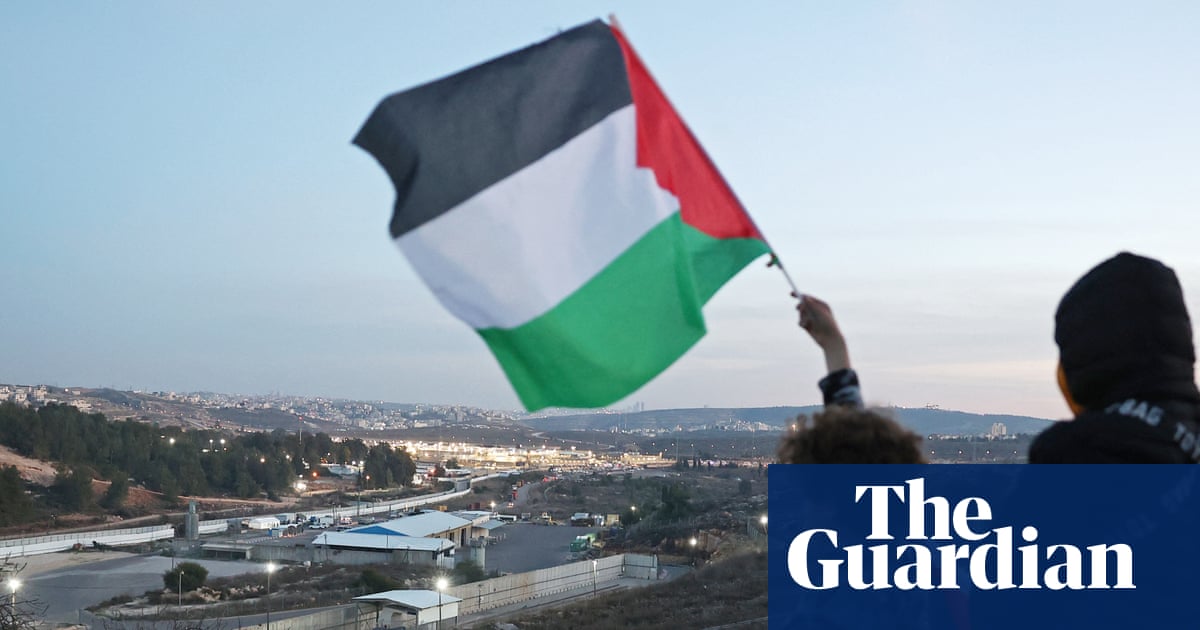
1 day agoMiddle East: Palestinians mark Nakba anniversary
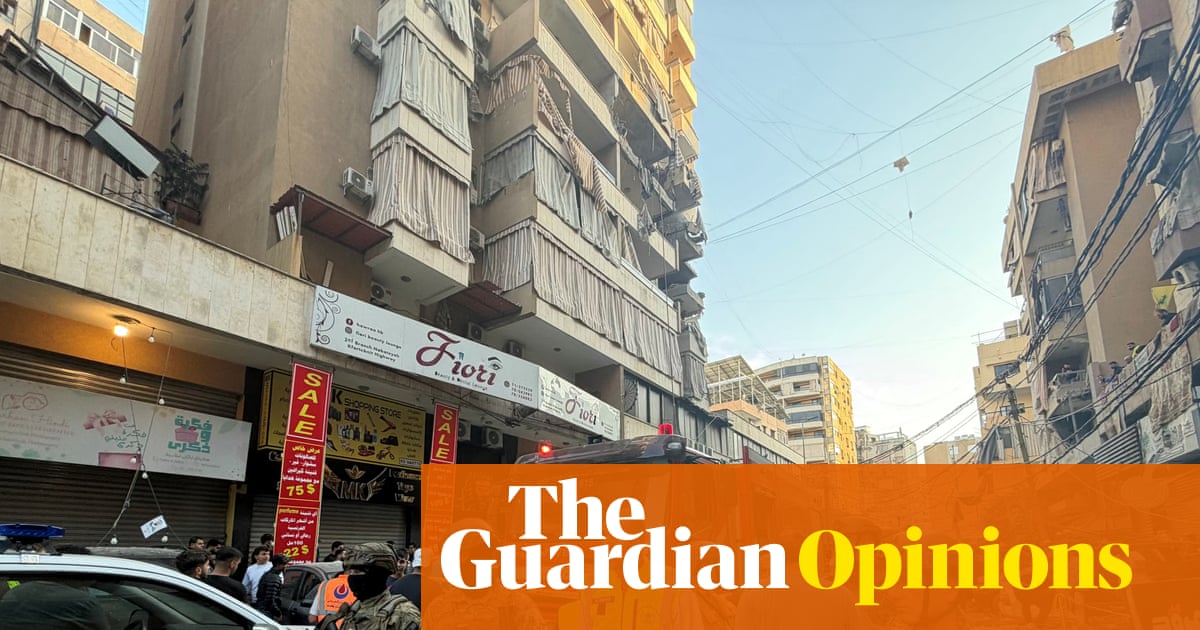
Palestinians marked the Nakba anniversary as Gaza ceasefire conditions and new evacuations in Lebanon deepen displacement parallels.
It was a pathetic tactic in an E.U.-U.S. trade war that Trump singlehandedly started and would have immediately tripled the price of imported treasures like Merlot and Champagne.
The US has announced the start of the second phase of the Gaza ceasefire, including the creation of a committee of Palestinian technocrats who are supposed to take over the day-to-day running of the territory for a transition period. The announcement was made on social media by Donald Trump's special envoy, Steve Witkoff, but it lacked any detail or names of potential members of the proposed national committee for the administration of Gaza.
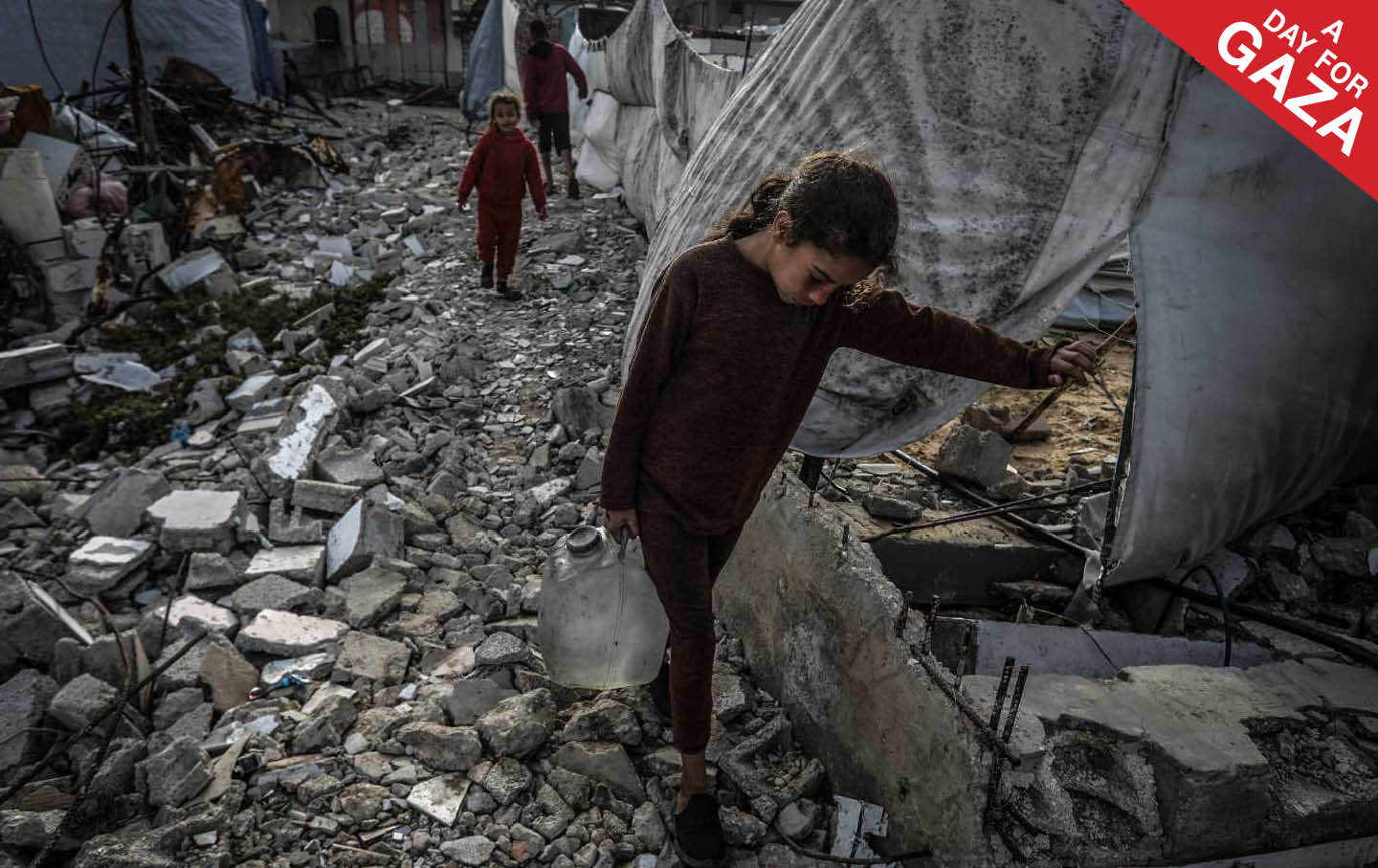
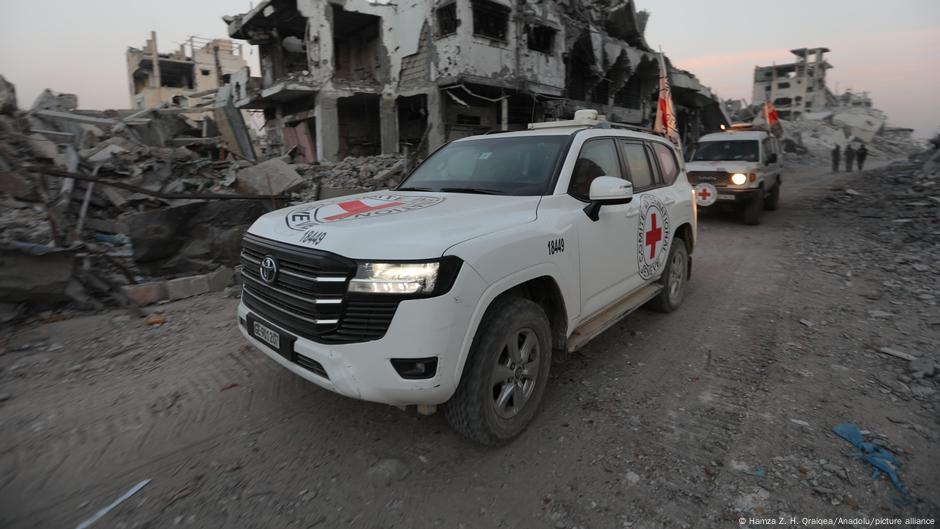
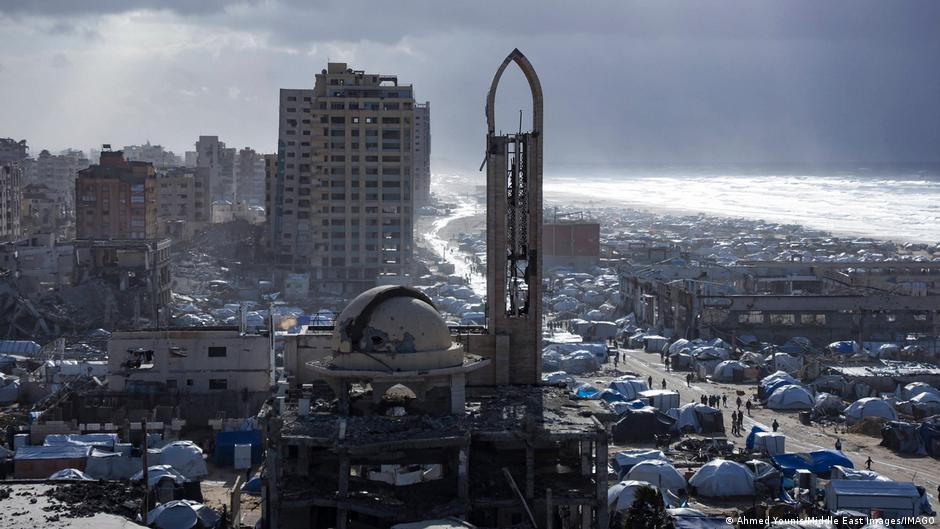
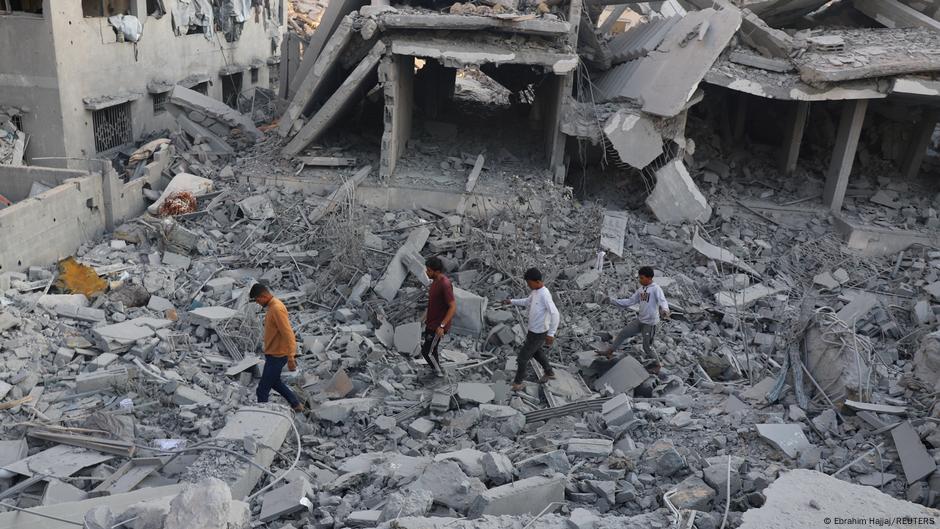
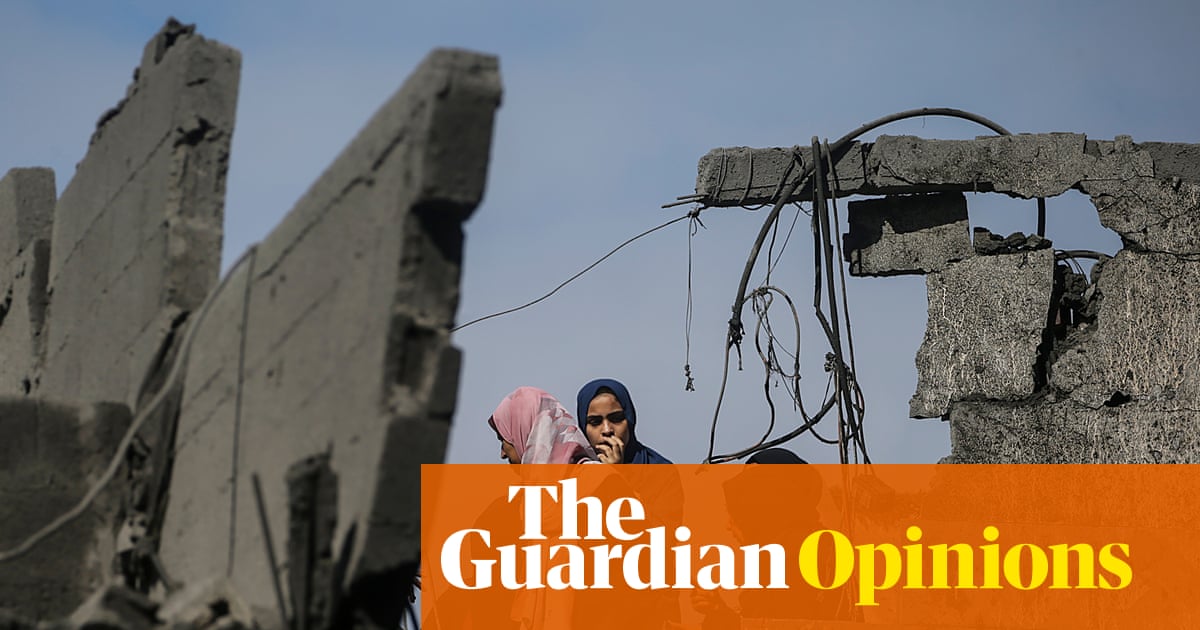
It has been three months since the ceasefire took hold in Gaza. In this time, Israel has predictably refused to comply with its obligations under the deal. It continues to block the negotiated amounts of aid into the Strip. Adequate food, medicine and temporary shelters are not reaching us. The Rafah crossing remains closed and those needing urgent medical evacuations still cannot leave. Israel also continues to bomb us, killing more than 400 people since October 10.
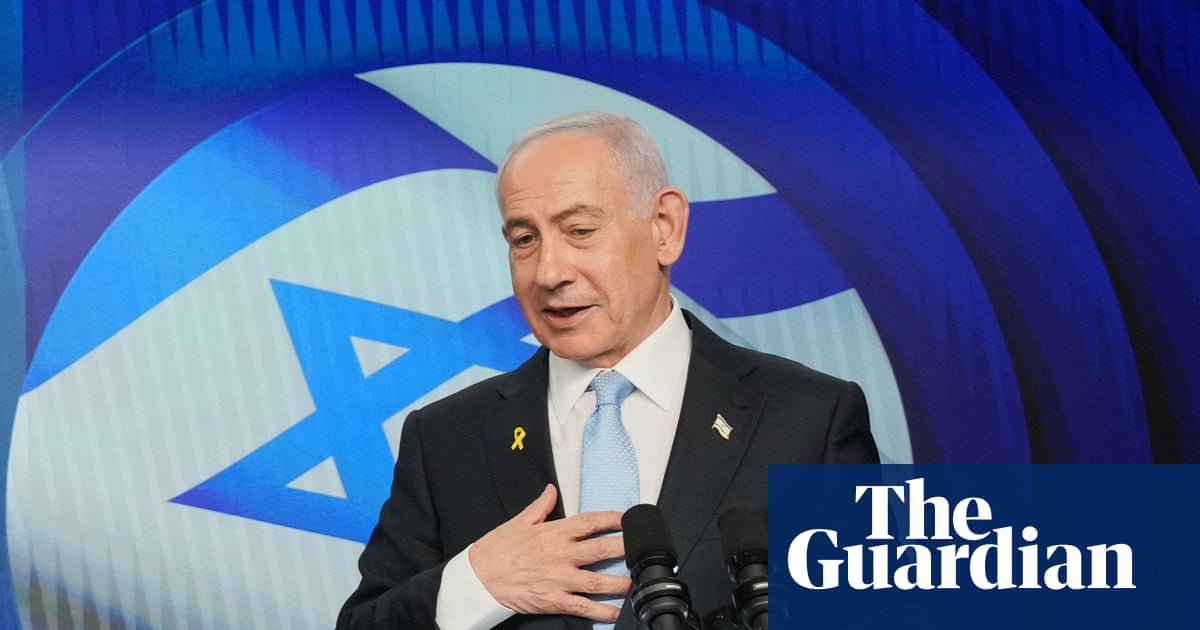
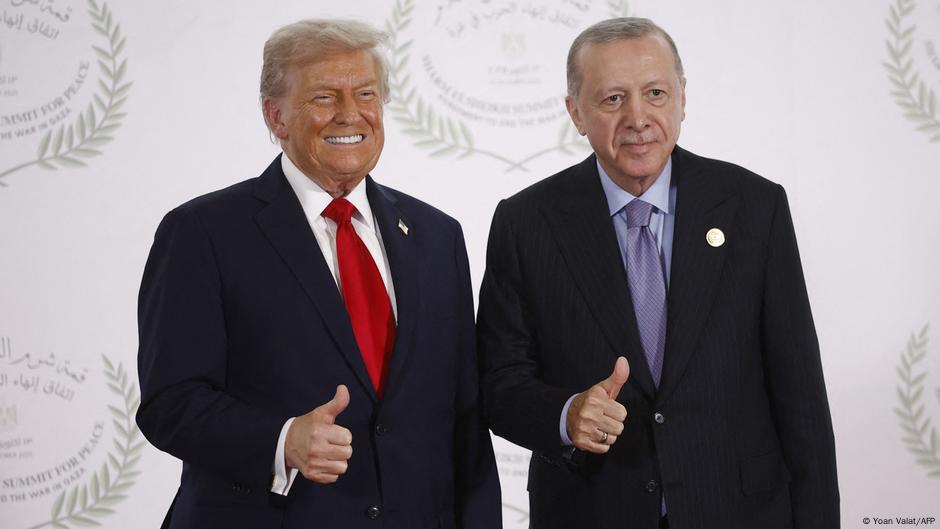
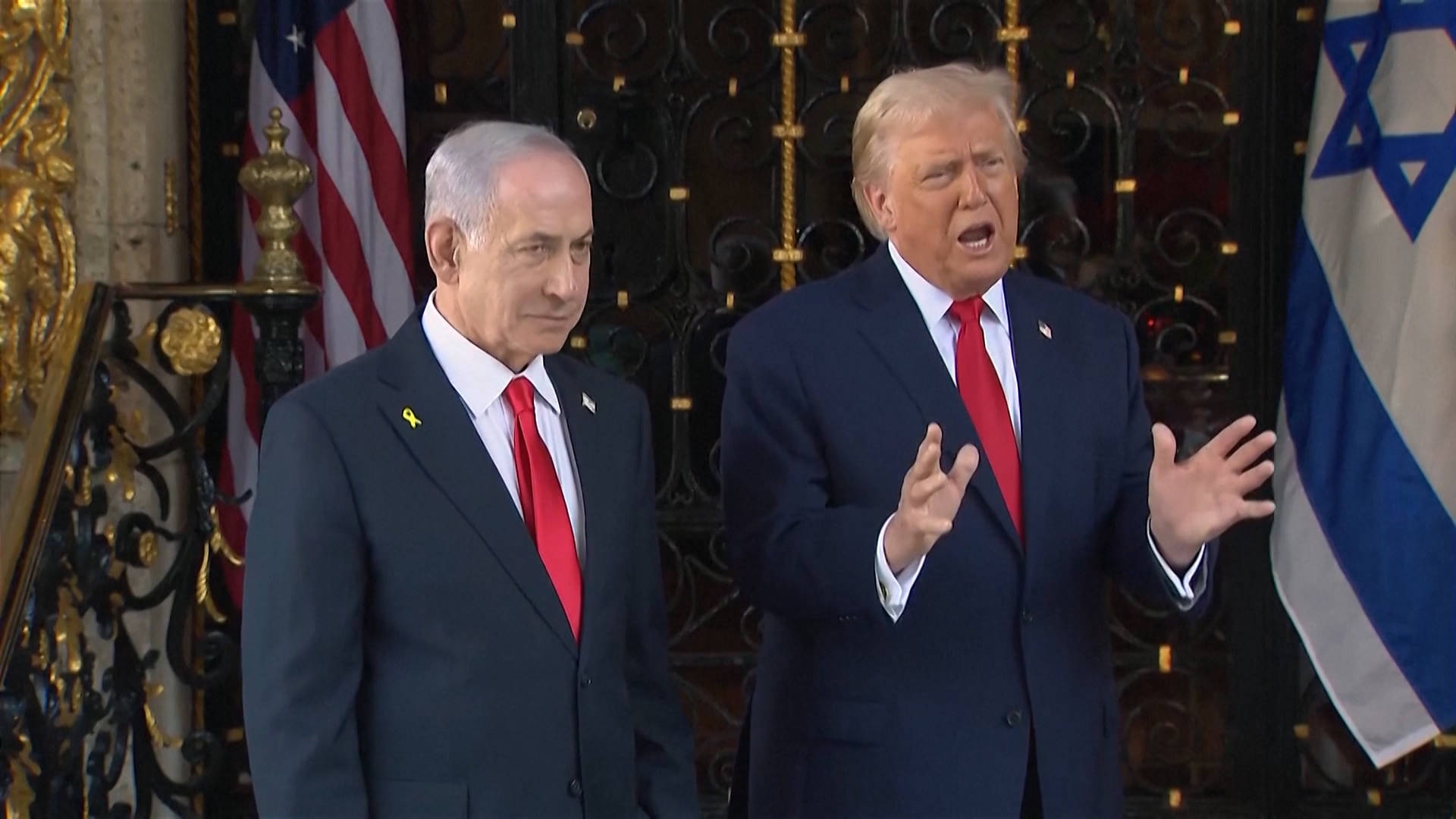
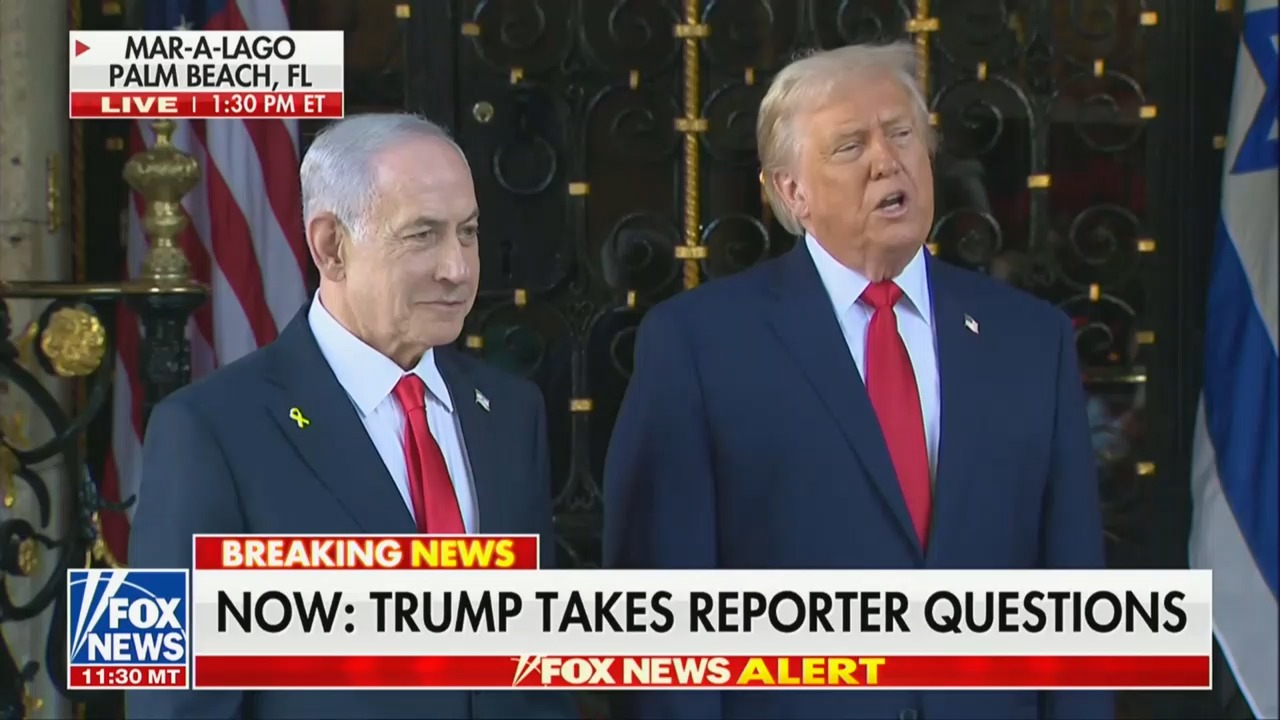
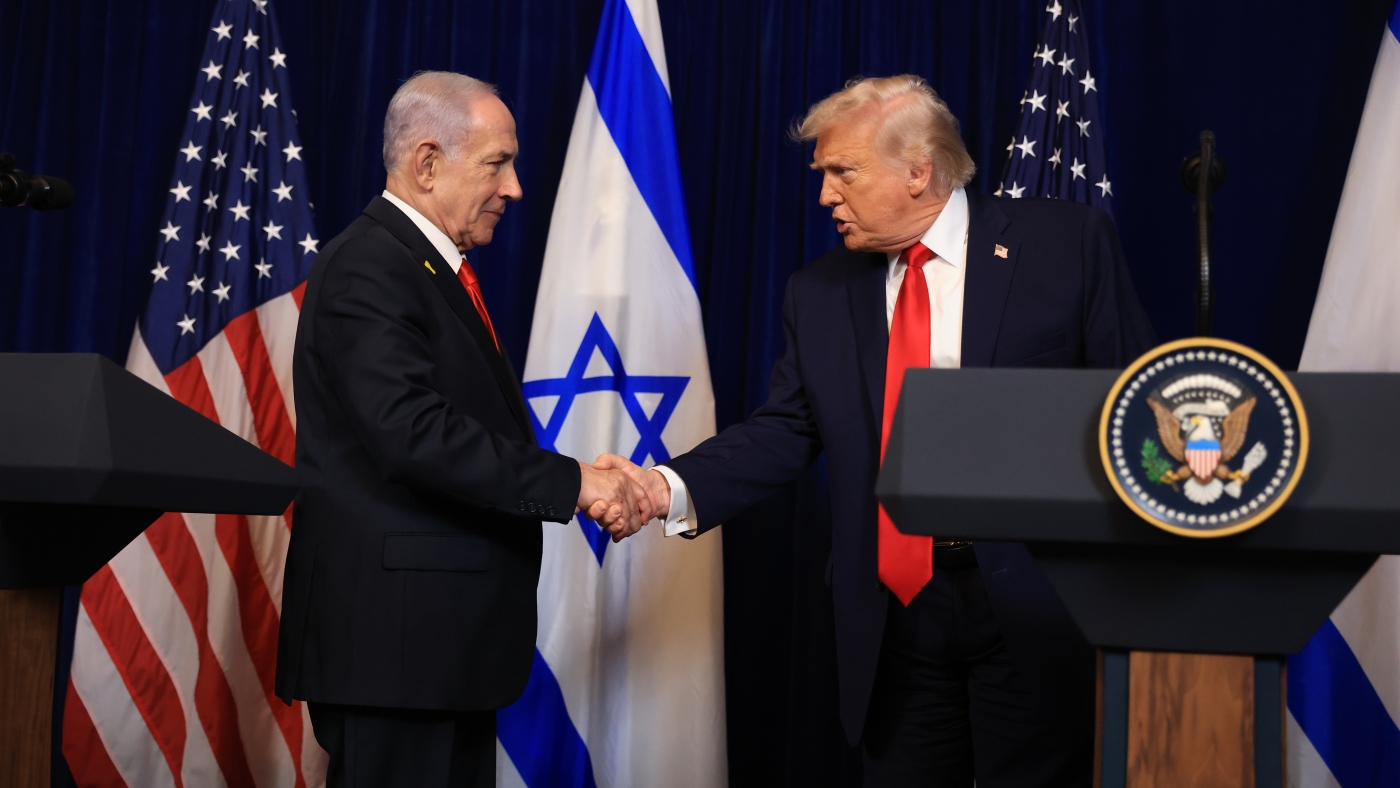
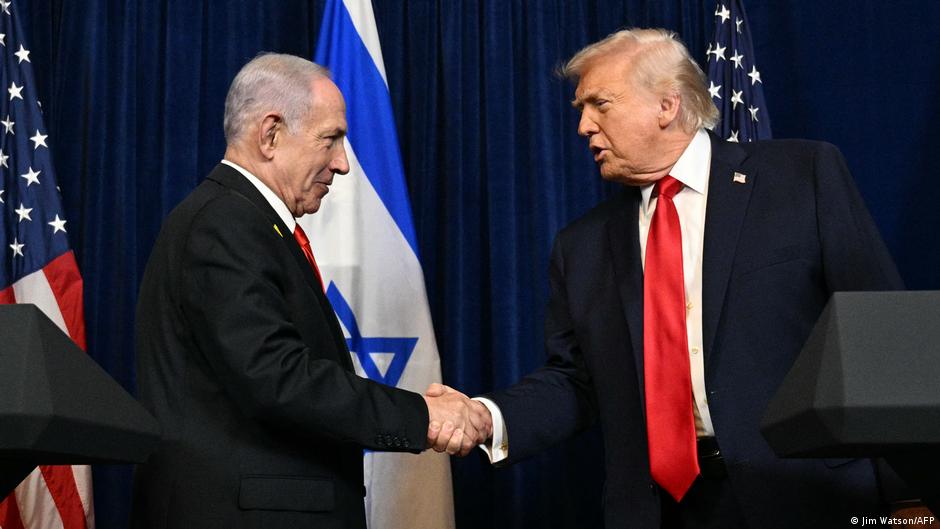
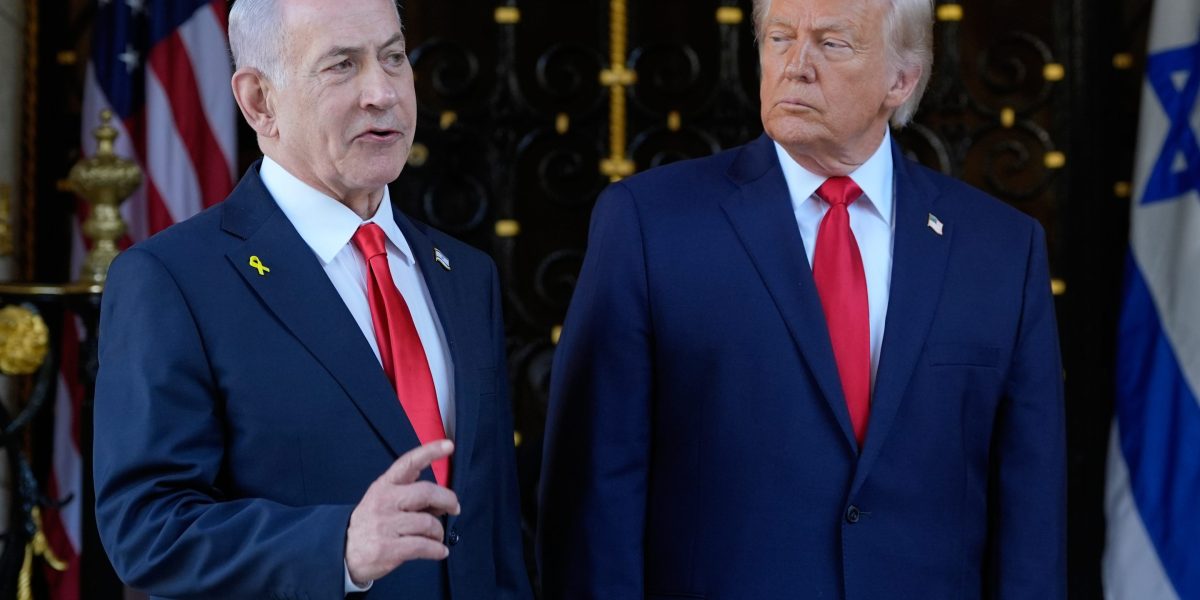
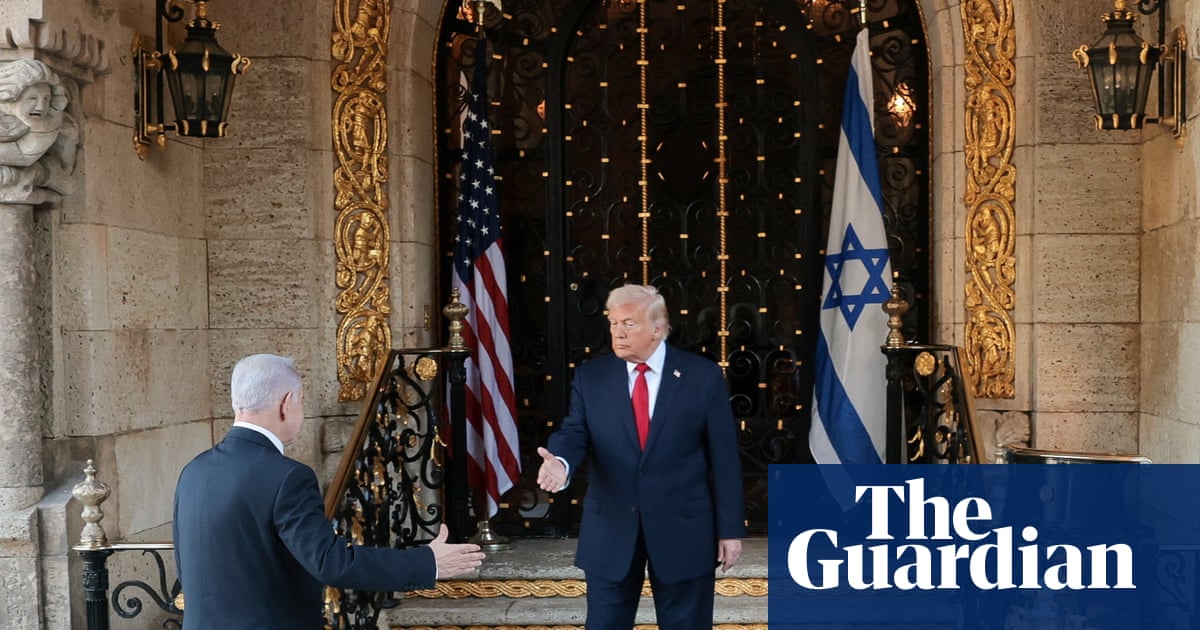
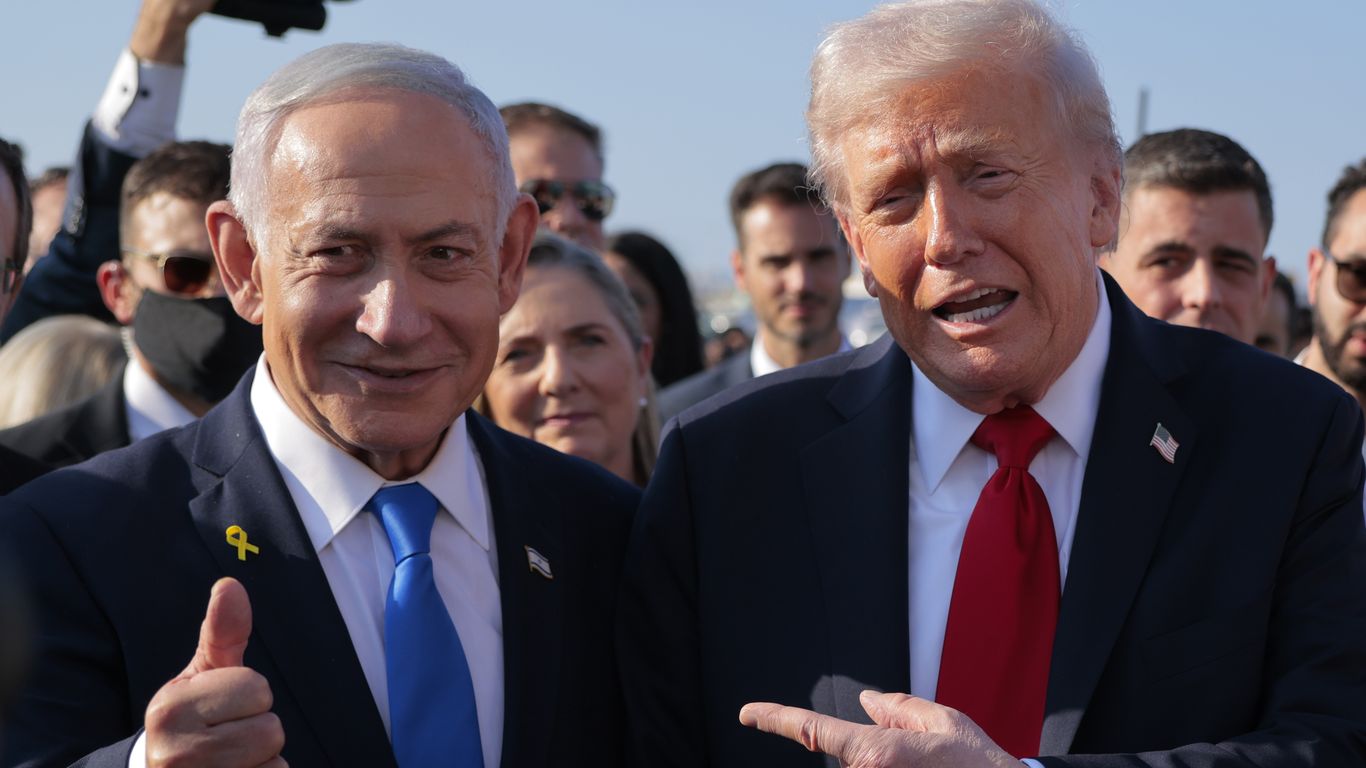
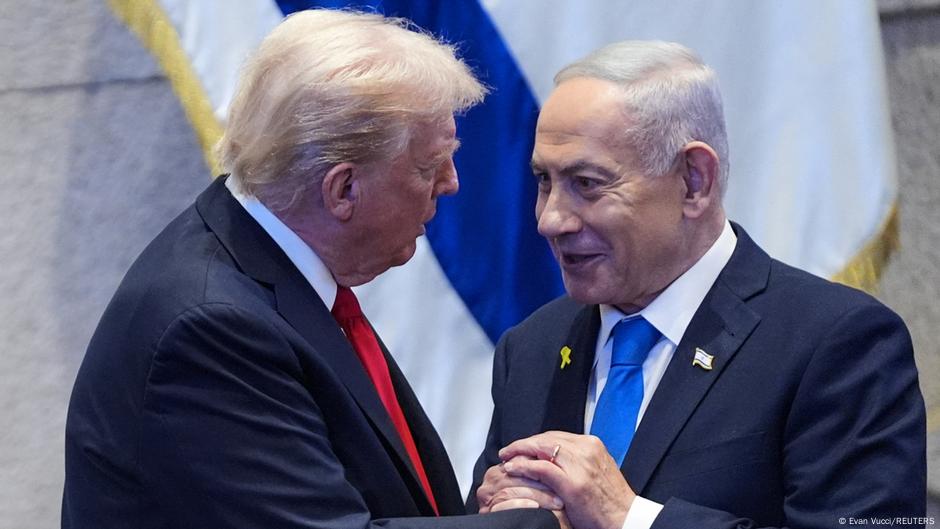
MICHEL MARTIN, HOST: There is a lot left to do on President Trump's 20-point plan to end the war in Gaza. LEILA FADEL, HOST: Yeah. He still needs to appoint what he's calling a Board of Peace and get an international force up and running. And there are still pretty regular and fatal attacks in Gaza. But Israel's Prime Minister Benjamin Netanyahu is visiting Trump in Florida today and trying to get him focused on some other things, like Iran and its proxies.
High on the agenda will be the ceasefire in Gaza, which in October halted the devastating two-year-long war. Though the terms agreed for an initial phase have been largely completed, with Israel's forces pulling back to new positions and Hamas releasing all living and all but one of the dead hostages, immense challenges face the implementation of the second phase of the president's 20-point plan.
The United Nations Security Council last month mandated international troops to operate in Gaza through the end of 2027, but the exact role of these forces remains unclear. The U.S. convened representatives of dozens of countries in the Qatari capital this week to discuss plans for the International Stabilization Force, or ISF. It was only a planning meeting, with no countries yet formally committing troops, according to a U.S. official who spoke anonymously in order to discuss the closed-door meeting.
Israel has violated the United States-brokered Gaza ceasefire at least 497 times in 44 days, killing hundreds of Palestinians since the ceasefire came into effect on October 10, according to the Gaza Government Media Office. Some 342 civilians have been killed in the attacks, with children, women and the elderly accounting for the majority of the victims. list of 3 itemsend of list We condemn in the strongest terms the continued serious and systematic violations of the ceasefire agreement by the Israeli occupation authorities, the office said in a statement on Saturday.
Gaza risks sliding towards a deadly limbo where a ceasefire is nominally in place but killing continues, a top Qatari diplomat has warned, calling for rapid progress in setting up the international security force and administration to pave the way for full Israeli withdrawal. We don't want to reach a situation of no war, no peace, said Majed al-Ansari, adviser to Qatar's prime minister and spokesperson for the foreign ministry. On Tuesday, Israeli airstrikes killed more than 100 Palestinians, at least 66 of them women and children, in the deadliest day since Donald Trump declared the war was over.
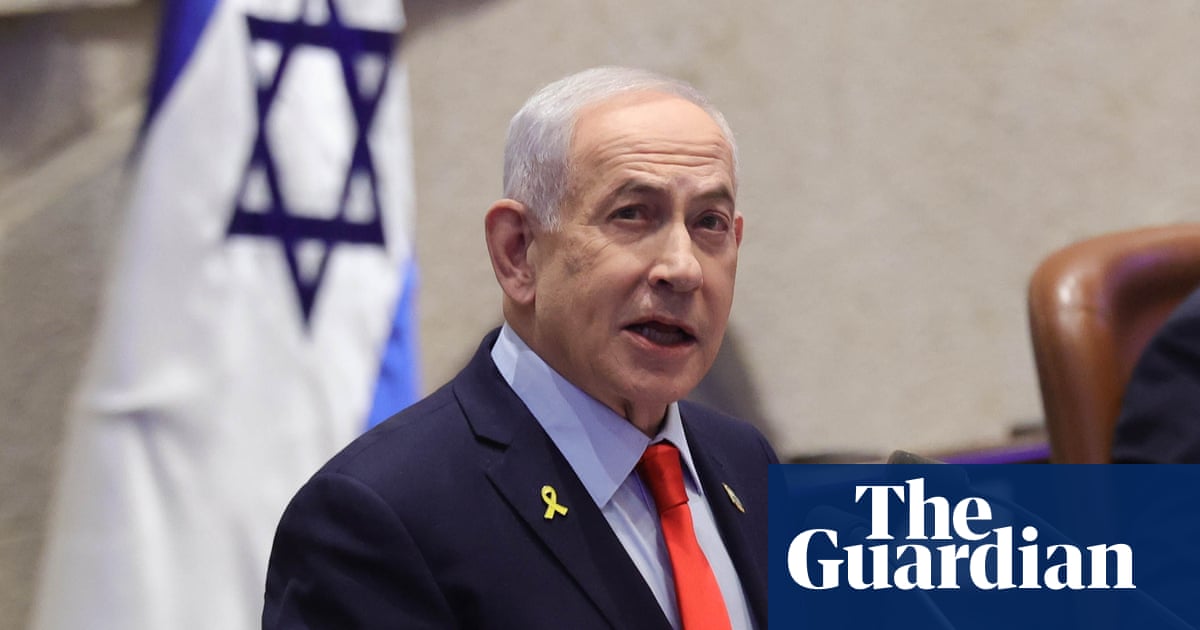
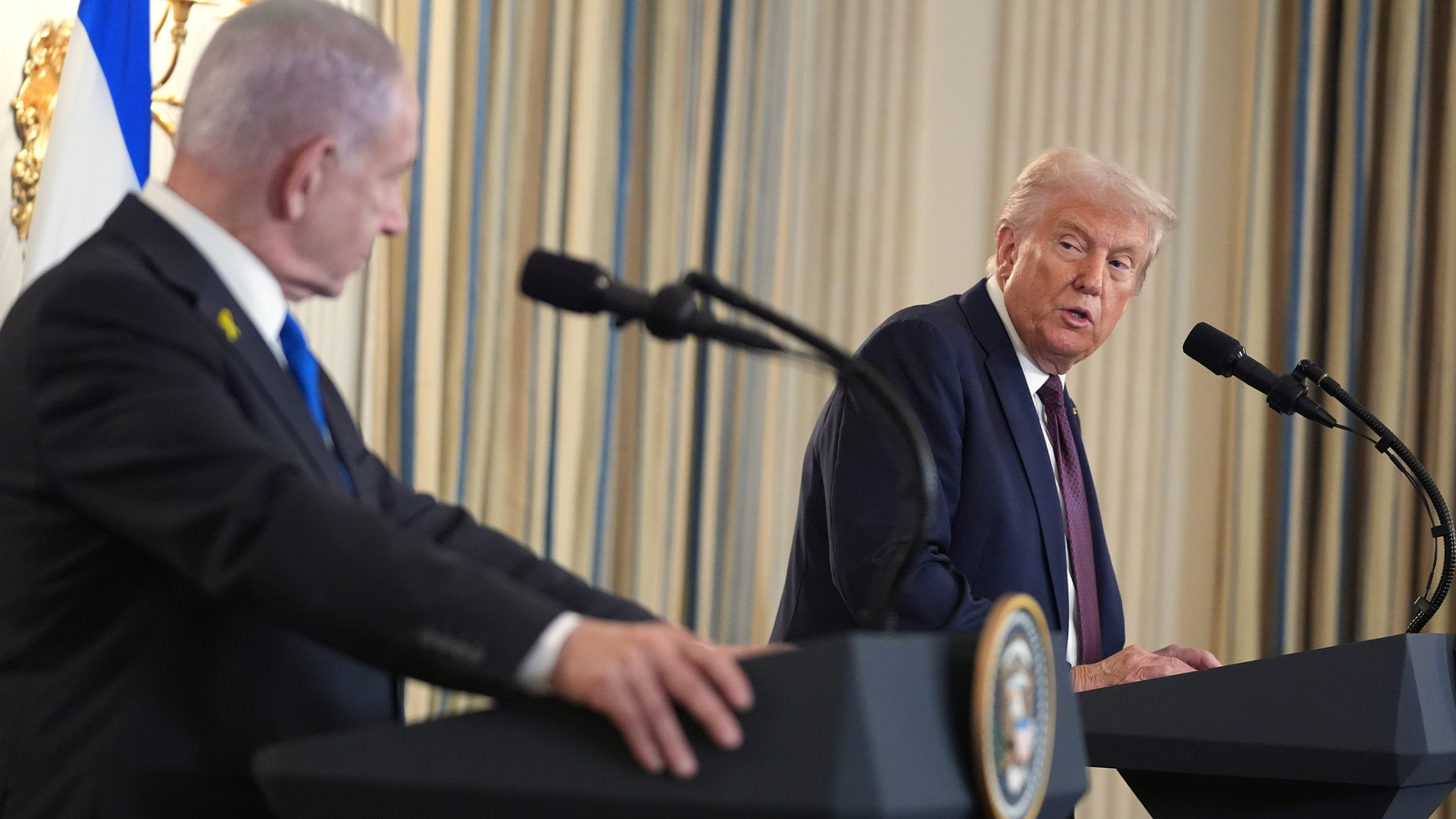
"We are not a protectorate of the United States. Israel is the one that will decide on its security," Netanyahu said in a statement issued by his office as he headed into the meeting.
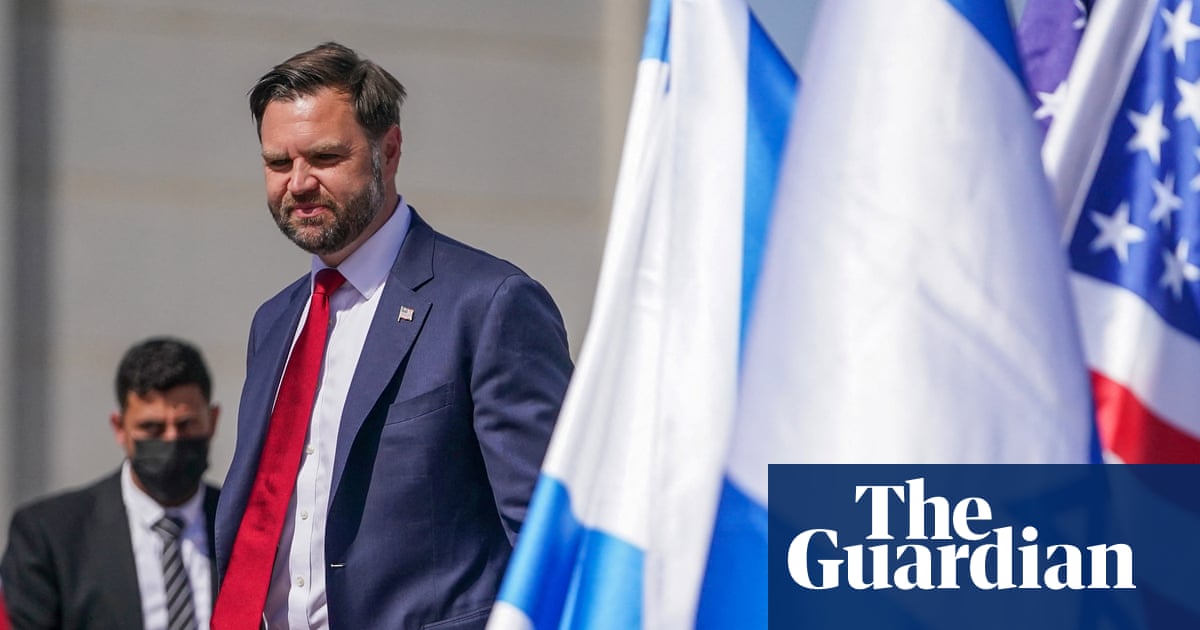
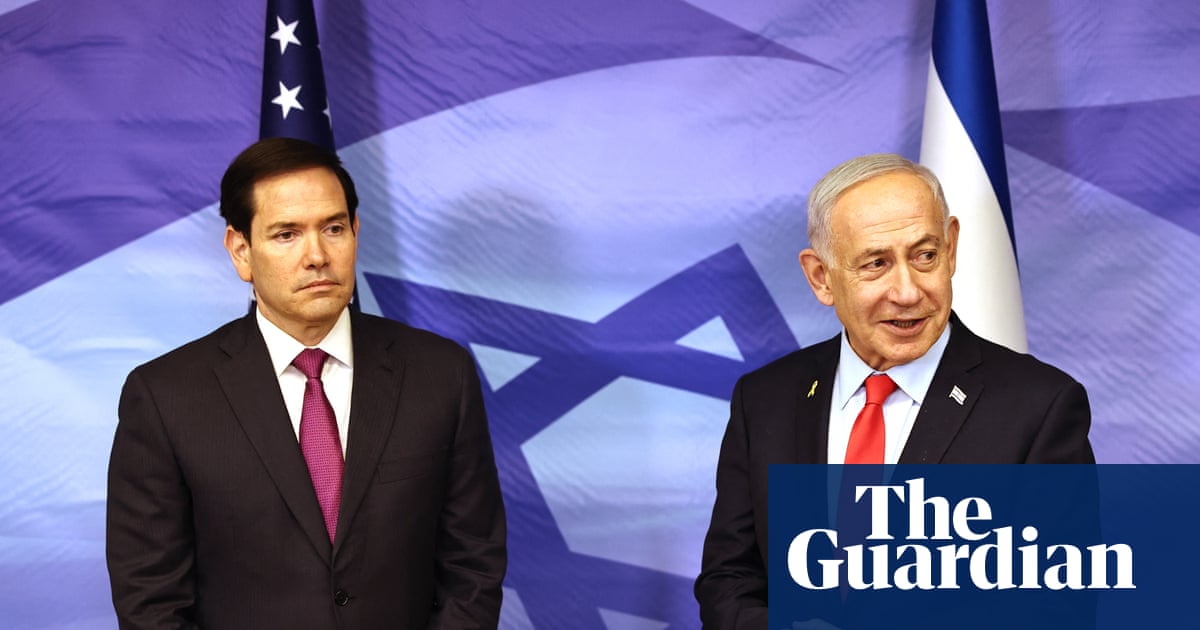
Vice President JD Vance is in Israel, where he is set to meet with Prime Minister Benjamin Netanyahu. The Gaza ceasefire has been in place for almost two weeks. Vance says the deal is continuing to progress despite the fighting between Israel and Hamas over the weekend. The vice president, along with several other U.S. officials in Israel, is working to get the two sides to take the next steps under the deal.