Europe politics
fromwww.aljazeera.com
1 day agoEU agrees sanctions on Israeli West Bank settlers, Hamas leaders
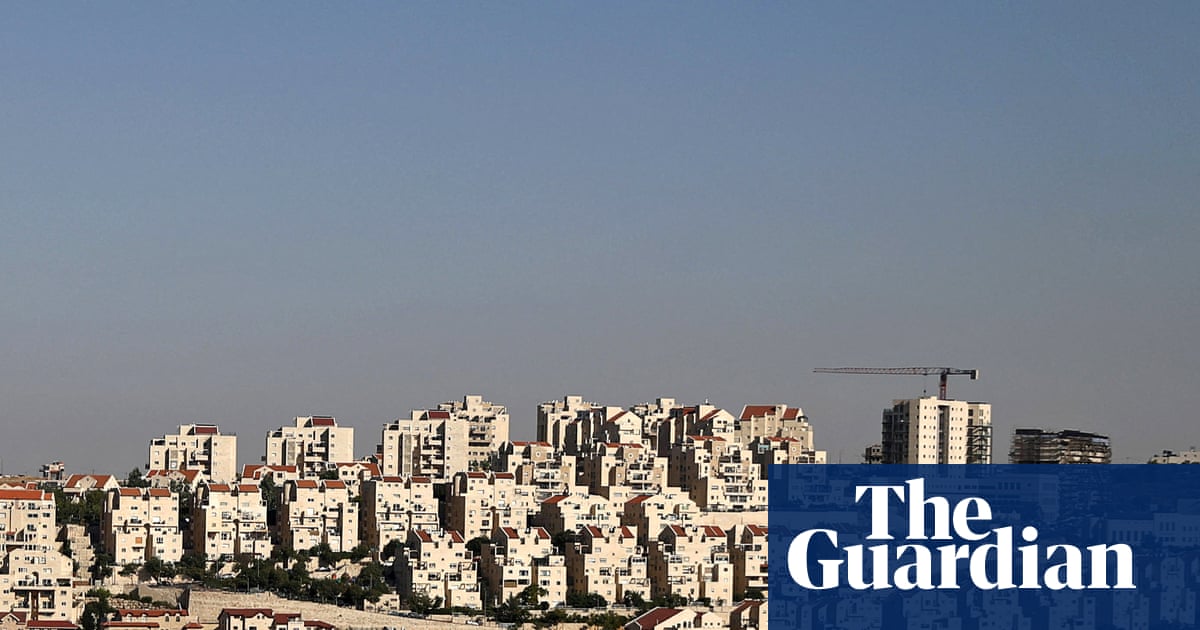
The EU lifted Hungary’s veto and agreed to sanction Israeli settlers and Hamas figures over violence and extremism in the West Bank.
Surveillance footage from the scene shows a man rushing towards the nun, who was dressed in a white habit and black veil, and violently pushing her to the ground where she comes close to hitting her head on a stone block. The man leaves the scene only to return and kick the nun before a passerby intervenes.
According to the UN, more than 1,800 Israeli settler attacks against Palestinians about five per day were documented in 2025. Israel's National Security Minister Itamar Ben-Gvir has approved the issuance of gun licences to Israelis in 18 additional illegal settlements in the occupied West Bank, as the right-wing government headed by Prime Minister Benjamin Netanyahu pushes to expand illegal outposts that undermine prospects for a two-state solution.
The United Nations has released a report, revealing that more than 150 companies, including Airbnb, Booking.com, Expedia and TripAdvisor, are profiting from Israel's illegal settlement enterprise in the occupied West Bank. The UN human rights office on Friday updated its database, listing 158 firms operating inside settlements deemed unlawful by the International Court of Justice (ICJ). list of 3 itemsend of list While most of the companies are Israeli, the list also includes multinationals registered in the United States, Canada, China, France, and Germany.
British officials fear Donald Trump could recognise Israeli control over illegal settlements on the West Bank in retaliation for the UK, France and others deciding to recognise Palestine. Government insiders believe the US president is considering granting official recognition to the Israeli communities there, which would be a serious blow to achieving a two-state solution. Some believe Trump could raise the prospect as soon as his speech at the UN on Tuesday despite Arab and western leaders having engaged in intense diplomacy to try to ensure this does not happen.
Sir Keir Starmer is expected to confirm the move after concluding the situation has deteriorated since he urged Israel to change course over the summer. Portugal, Canada, Australia and France are also due to recognise Palestine today, joining around three quarters of the 193 UN member states who do so. Ireland made the move last year alongside Norway and Spain.
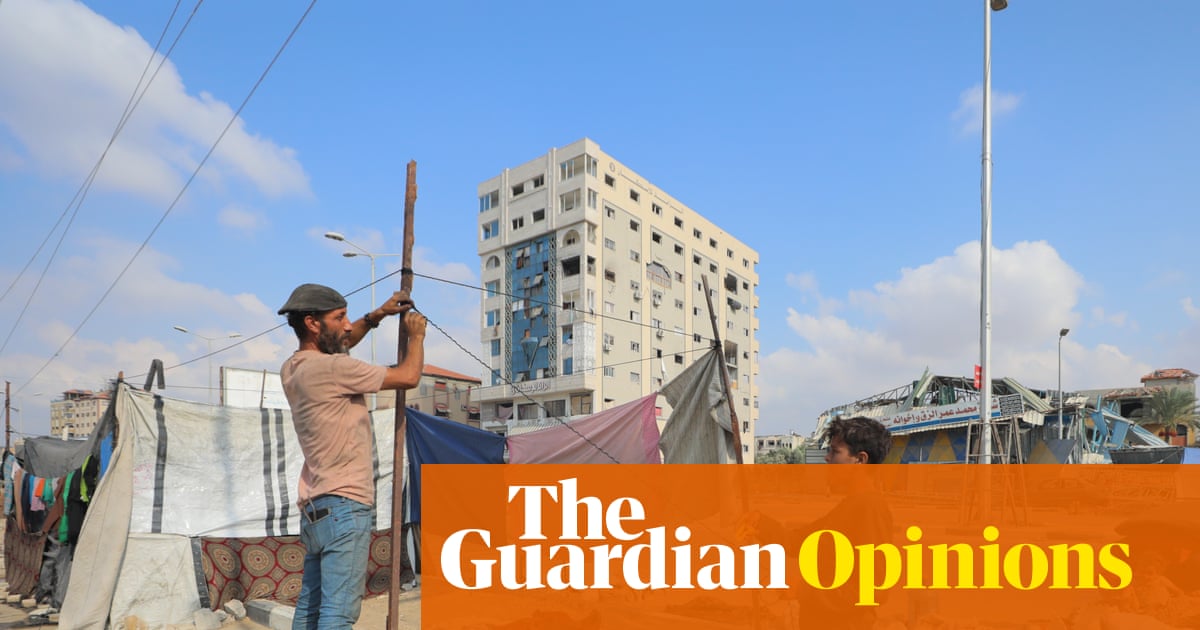
Israel is killing all prospects for peace in the Middle East, Jordan's foreign minister has said amid escalating international outrage over Israel's plans for a new large-scale offensive in Gaza City and its intention to massively expand Jewish settlements in the West Bank. Ayman Safadi made his remarks during a visit to Moscow on the same day that the Israeli defence minister, Israel Katz, approved a plan to conquer Gaza City, an urban area that is home to hundreds of thousands of people in the north of the Palestinian territory.