#gaggle
#gaggle
[ follow ]
#birdwatching #wildlife #bald-eagles #wildlife-conservation #animal-behavior #conservation #big-bear-valley


fromNonprofit Quarterly | Civic News. Empowering Nonprofits. Advancing Justice.
21 hours agoIn a Warming World, Border Walls Increasingly Harm Wildlife | Nonprofit Quarterly | Civic News. Empowering Nonprofits. Advancing Justice.
Border walls are located along imaginary geopolitical boundaries. They slice arbitrarily through critical ecosystems that know only natural boundaries, cutting wild animals off from the resources they need to live—food, water, a diverse selection of mates—and the ability to migrate for survival.
Environment
fromwww.independent.co.uk
1 day agoRecord-breaking number of puffins counted on remote UK island
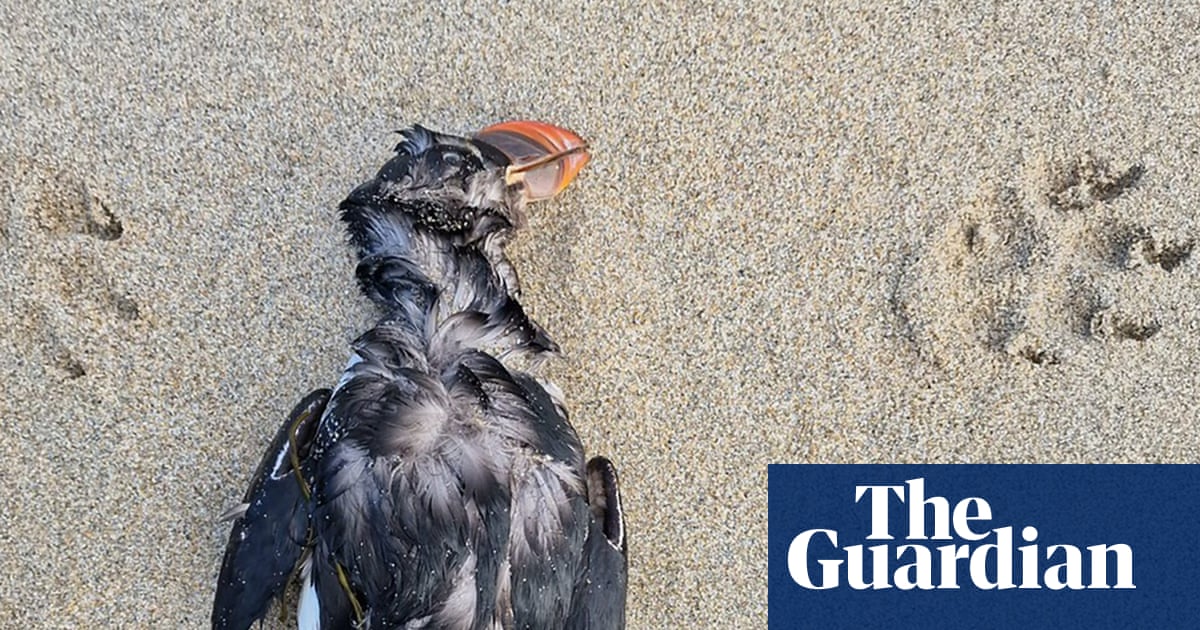
Skomer Island has recorded an unprecedented number of puffins this year, offering a significant boost for the vulnerable species. The Wildlife Trust of South and West Wales confirmed 52,019 puffins during their annual count off the Pembrokeshire coast, eclipsing last year's record of 43,626.
Media industry
fromConde Nast Traveler
1 day agoWhy Planes Flying Like Geese Could Cut Back on Aviation Emissions
The unmistakable V-formation geese adopt in flight is more than a cool aerial trick. The entire flock benefits from upward air flowing off the lead bird's wings, whose fellow fliers then get to save energy, especially on long journeys.
Alternative transportation


fromwww.scientificamerican.com
5 days agoSongbirds reveal the dark side of making new brain cells as adults
Aging and damaged brain cells, or neurons, can cause memory problems and limit the brain's ability to recover from illnesses. Some scientists have posited that if we could just turn on the ability to make new neurons in the brain—a process called neurogenesis—some of these deleterious changes might be reversed.
OMG science
fromGothamist
2 weeks agoRock it like a woodcock: This Bryant Park bogsucker is NYC's latest 'it bird'
"It's the way they walk. That's what the main attraction is," said self-described amateur birder Sheeba Garg, who traveled to Bryant Park specifically to see the American woodcock during its migration.
NYC music
Miscellaneous
fromwww.npr.org
1 month agoCome along with some geese as they migrate back from their southern winter havens
Geese migrate northward from late February to May following the 'green wave' of vegetation growth and warming temperatures, traveling along four major North American flyways to reach summer breeding grounds with less resource competition.
fromFlowingData
1 month agoBird search patterns
A comprehensive analysis of Google search patterns related to birds explores what species people seek information about most frequently. The investigation spans six interconnected analyses examining bird variety, taxonomic classifications, information sharing behaviors, birder sighting correlations with search trends, regional popularity differences across states, and temporal patterns in search interest.
Data science
#rare-bird-sighting
Brooklyn
fromAol
1 month agoRare, majestic trumpeter swan spotted in NYC for first time -hangs out with fellow fowl
A rare Trumpeter Swan, never before recorded in New York City, has been spotted in Brooklyn's East River and Prospect Park, attracting significant attention from bird watchers and the public.
Brooklyn
fromNew York Post
1 month agoRare, majestic trumpeter swan spotted in NYC for first time -hangs out with fellow fowl
A rare Trumpeter Swan, never before recorded in New York City, has been spotted in Brooklyn's East River and Prospect Park, attracting significant attention from bird watchers and the public.
fromwww.theguardian.com
1 month agoAerial athletes and unsung hunters by night, tawny frogmouths are more than just their Muppet looks | Debbie Lustig
Frogmouths have another life that few people see: like vampires, they wake at sunset and night-hunt until dawn. These stolid creatures turn into zephyrs that silently swoop, catching prey on the ground and in the air.
Miscellaneous
fromwww.mercurynews.com
1 month agoAccessible walks bring the joys of birding to people with mobility and other limitations
It's an opportunity for people to get out and see birds without pressure, no matter how long it takes or how many birds we see, said OBara, a retired nurse who has been leading the accessible outings for three years. She said disabled people often cannot keep up on traditional outings, especially when competitive birders are focused on checking off a list of the greatest possible number of species.
Skiing
fromwww.theguardian.com
1 month agoSmall changes in how we garden can make a big difference to birds | Letter
Around a third of UK gardeners use pesticides, and our studies found that house sparrow numbers, for example, were nearly 40% lower in gardens where the pesticide metaldehyde was used. By reducing pesticide use, you can actively encourage birds back into your outdoor spaces, as they rely on invertebrates such as slugs and snails as natural prey.
Pets


fromwww.theguardian.com
2 months agoWe feel kinda bad when a solo bird shows up': Canada sees its first European robin but how did it get there?
On a quiet Montreal street of low-rise brick apartment buildings on one side and cement barrier wall on the other, a crowd has gathered, binoculars around their necks and cameras at the ready. A European robin has taken up residence in the neighbourhood, which is sandwiched between two industrial areas with warehouses and railway lines and, a few blocks away, port facilities on the St Lawrence River.
Miscellaneous
fromFOX Weather
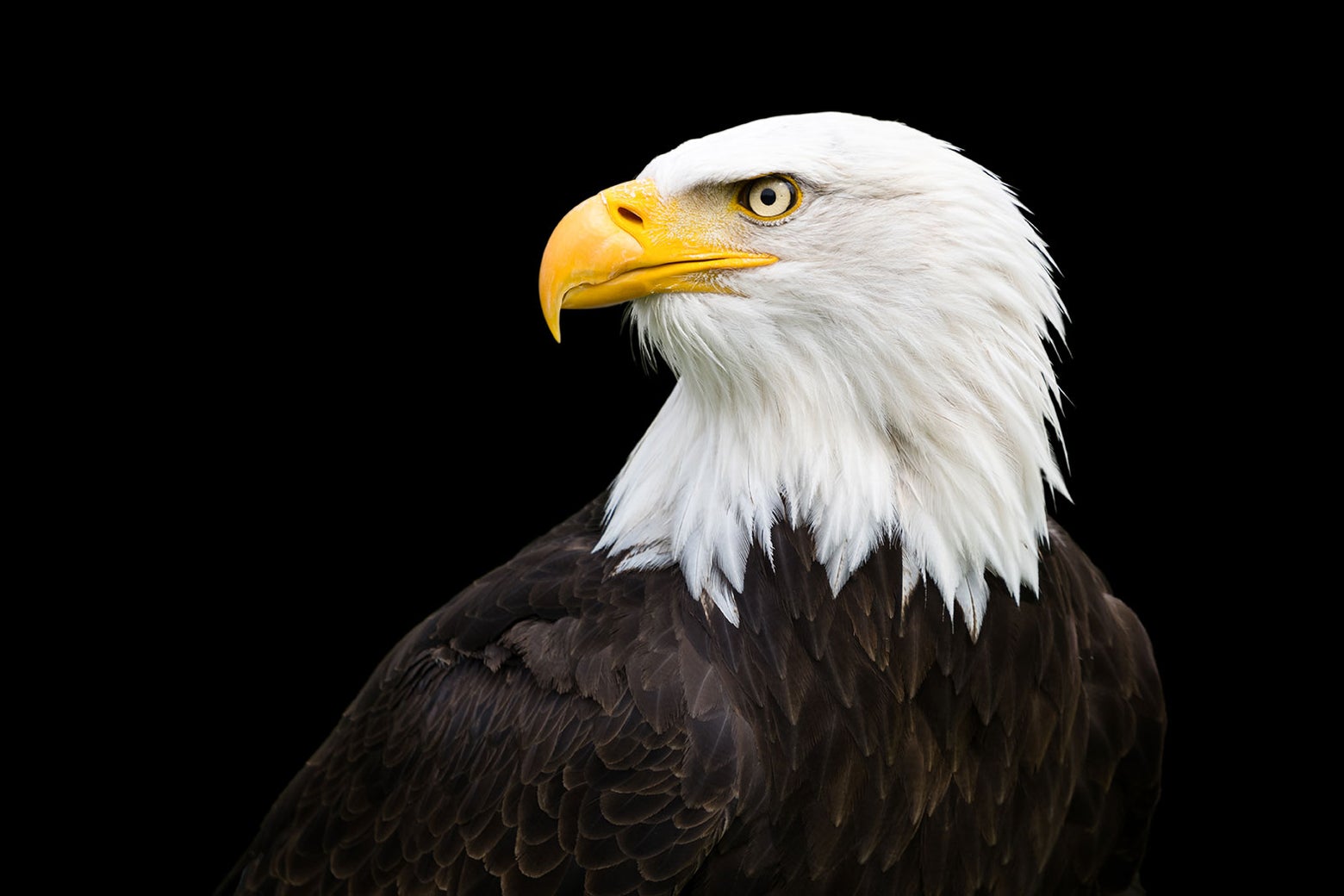
2 months agoSee it: Injured bald eagle floating on ice in Hudson River rescued by NYPD
Video showed officers Michael Russo and Patrick Memi along with Sargeant Michael Amello and Detective Nicholas Martin in their boat pulling up to the eagle on the river. The bird was screeching in distress as the officers used a pole to keep the ice chunk near their boat and worked to catch the animal. "His claw's bleeding, too," one of the officers said as they grabbed a catch pole and carefully put it over the bird's body.
New York City
fromwww.ocregister.com
1 month agoShrinking North American bird population is getting worse faster. Experts blame agriculture, warming
Nearly half of the 261 species studied showed big enough losses in numbers to be statistically significant and more than half of those declining are seeing their losses accelerate since 1987, according to Thursday's journal Science. The study is the first to look at more than the total bird population by examining the trends in their decrease, where they are shrinking the most and what the declines are connected to.
Environment
Miscellaneous
fromwww.theguardian.com
2 months agoCountry diary: Persistence and confusion this is how magpies build their nest | Nic Wilson
Magpies start nesting in winter, build bowl-shaped platforms with heavy sticks using persistence over finesse, while other birds build protective covered or domed nests.
fromwww.scientificamerican.com
1 month agoThe surprising science behind why daylight saving time is good for wildlife
Animals' risk of becoming roadkill depends on several factors, including how many vehicles are on the road, how many animals are on the road, and how animals and human drivers behave, explains Tom Langen, a professor of biology at Clarkson University, who studies animal-vehicle collisions. DST can minimize these collisions, however.
Pets
[ Load more ]