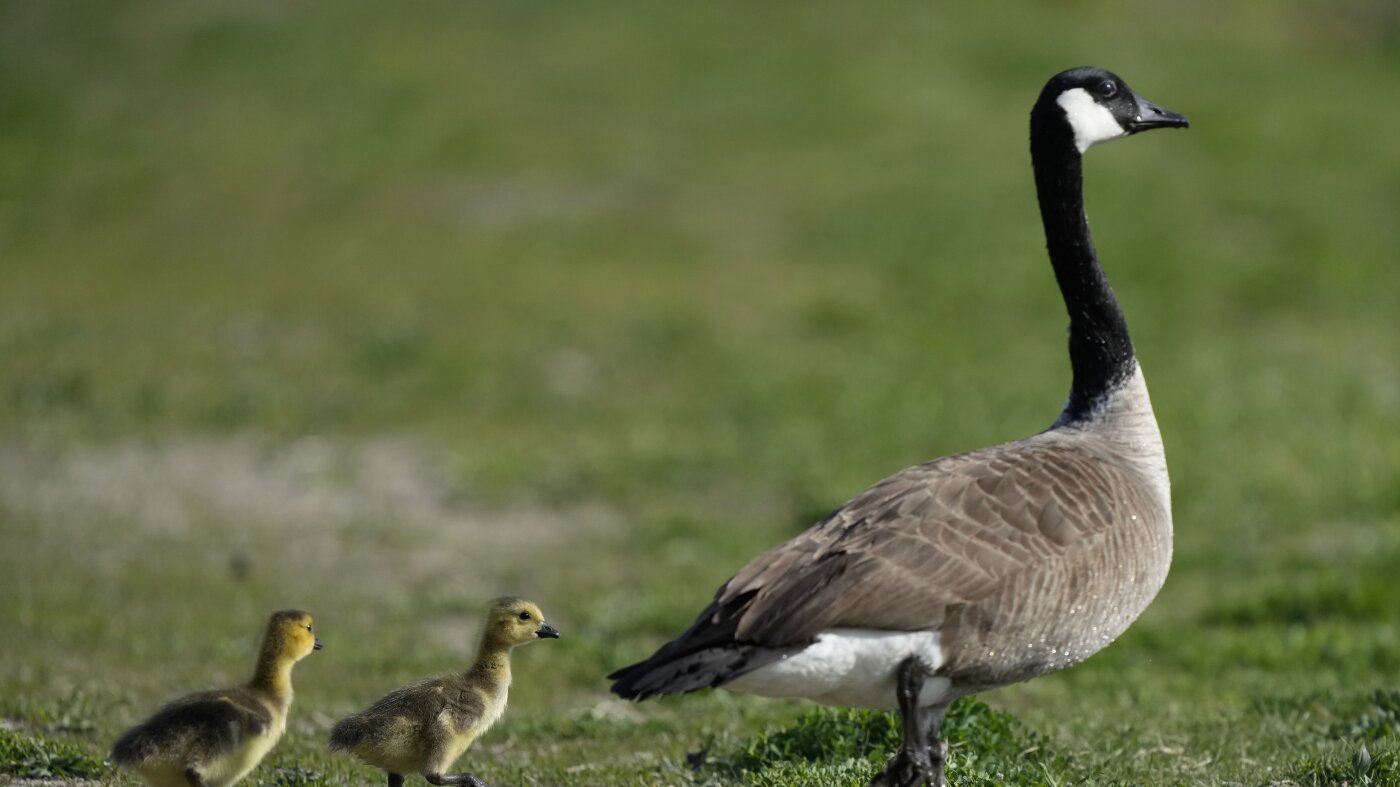
"Because it's cold, sometimes ice prevents the access to drinking water for these birds, and snow is preventing access to food. So they're getting kicked out of these places. Any one environment can only support so many different species."
"They know it's time to return when the days get warmer and longer, the snow has started melting and vegetation has started growing again. They are following the green wave, as we call it. This typically happens from late February to May, and there are four major routes, or flyways, that migrating geese in North America take."
"Before take off, the birds have to bulk up, through a hefty diet of corn, beans and wheat. During this time, they're upping their intake to build energy reserves for the migration journey ahead."
Geese migrate northward annually following food sources and environmental cues. Cold temperatures, ice, and snow in southern wintering areas limit access to water and food, prompting departure. Birds remain in winter habitats longer only if resources permit, but competition with year-round residents makes this unsustainable. Migration timing corresponds with warming days, longer daylight, melting snow, and vegetation regrowth—a phenomenon called the 'green wave.' North American geese follow four established flyways: the Pacific, Central, Mississippi, and Atlantic routes. Before migration, geese consume substantial quantities of corn, beans, and wheat to build energy reserves necessary for the long journey northward.
Read at www.npr.org
Unable to calculate read time
Collection
[
|
...
]