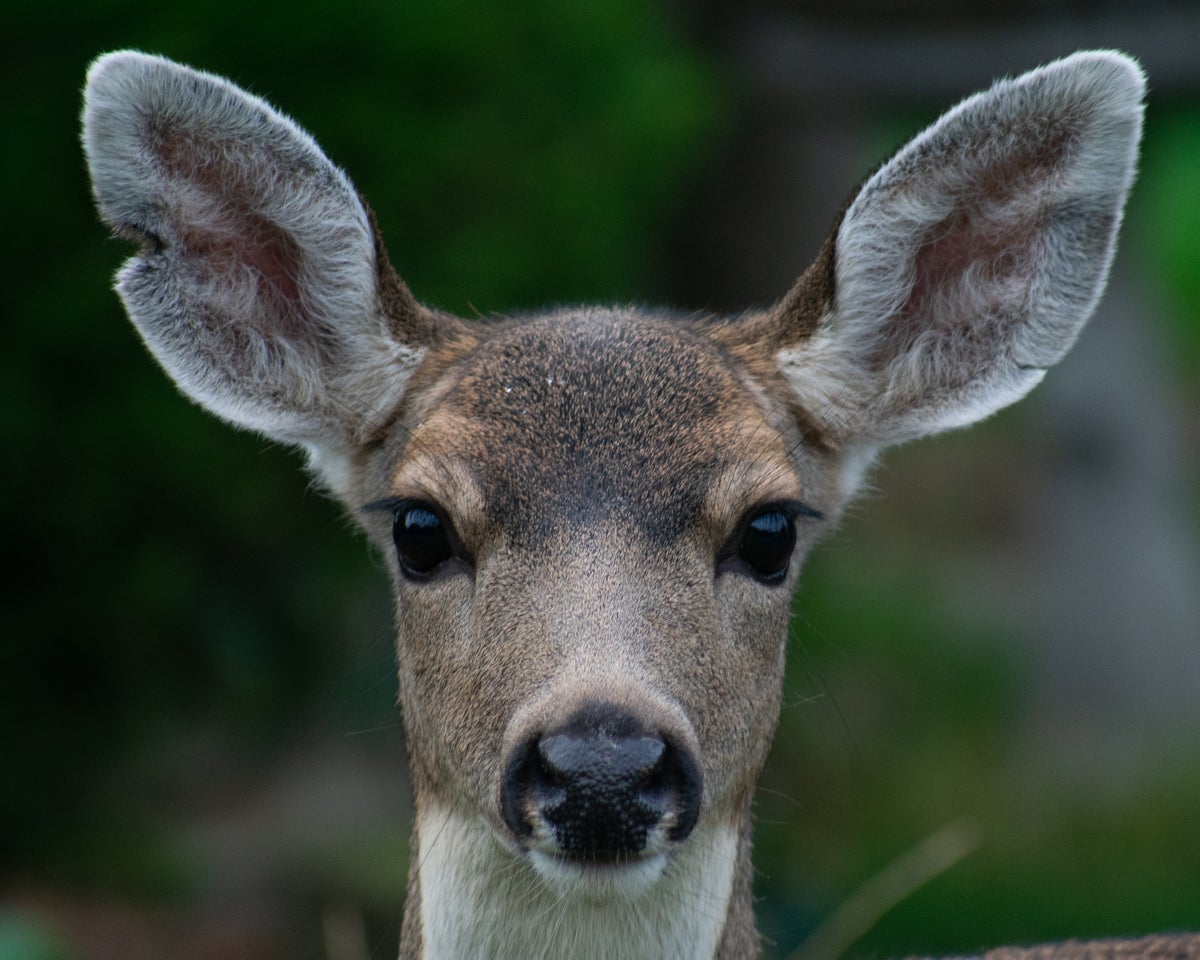
"Animals' risk of becoming roadkill depends on several factors, including how many vehicles are on the road, how many animals are on the road, and how animals and human drivers behave, explains Tom Langen, a professor of biology at Clarkson University, who studies animal-vehicle collisions. DST can minimize these collisions, however."
"The animals get active right after dusk and start moving around, including crossing roads or browsing and grazing along roads, and that's when they they're hit by vehicles, Langen says. Setting the clocks back in the fall—pushing peak evening commuting hours closer to dusk or after the sun goes down—can reduce collisions."
"Human-animal crashes typically occur on Fridays because people are leaving town for the weekend; under full moons because deer are more likely to be on the move; during the fall deer mating season in North America; and at dusk."
Daylight saving time presents a significant benefit for wildlife beyond human convenience. While DST disrupts human sleep and circadian rhythms, it substantially reduces collisions between vehicles and large animals like deer, moose, and elk. In the U.S., drivers collide with deer over a million times annually, causing animal deaths and hundreds of human fatalities. Animal-vehicle crashes depend on vehicle volume, animal presence, and behavioral patterns. Most collisions occur at dusk during fall mating season and under full moons when animals are most active. By shifting evening commute times through DST, peak human traffic moves away from dusk hours when animals are most likely to cross roads, thereby reducing dangerous encounters.
Read at www.scientificamerican.com
Unable to calculate read time
Collection
[
|
...
]