#financial-system-vulnerability
#financial-system-vulnerability
[ follow ]
#federal-reserve #kevin-warsh #inflation #interest-rates #monetary-policy #jerome-powell #senate-confirmation
#federal-reserve


US Elections
fromFortune
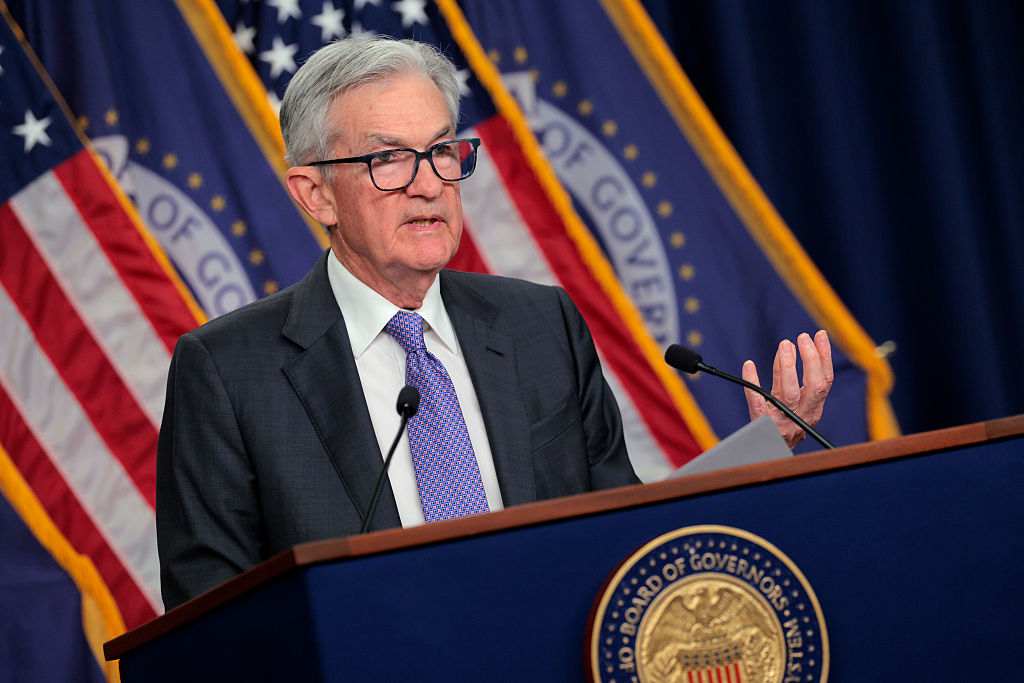
1 day agoKevin Warsh is poised to take over the Fed with none of the gravitas Greenspan had but plenty of baggage from Trump, former Powell adviser says | Fortune
Kevin Warsh's potential chairmanship may not lead to immediate interest rate cuts due to rising inflation and other challenges.

Real estate
fromFortune
2 days agoGood news: Rumors of a K-shaped economy have been overblown so far, says Goldman Sachs. Bad news: 2026 is when it will really bite | Fortune
Goldman Sachs believes consumer resilience is underestimated despite K-shaped economic concerns, with inflation impacts being similar across income levels.
fromLondon Business News | Londonlovesbusiness.com
3 days agoDollar holds firm amid geopolitical uncertainty - London Business News | Londonlovesbusiness.com
Markets could remain sensitive to the developments in the Middle East. Tensions remain elevated in the region amid continued incidents in the Strait of Hormuz and a failed attempt for a second round of talks this week, undermining prospects for a near-term resolution.
World news
fromThe Verge
3 days agoAI failure could trigger the next financial crisis, warns Elizabeth Warren
"If AI companies are unable to increase revenues with lightning speed, they won't be able to service their massive debt loads. And because of shady accounting strategies, the first big stumble will have everyone running for the exits, potentially triggering destabilizing losses in the financial sector and another 2008-style financial crisis."
Venture
fromTearsheet
3 days agoHow Thread Bank is turning a century-old charter into a modern distribution engine - Tearsheet
Thread Bank operates primarily through a partnership-driven embedded banking approach to expand its distribution and reach new clients, reflecting the evolving competitive landscape of community banks.
Online Community Development

Europe news
fromLondon Business News | Londonlovesbusiness.com
6 days agoEuro holds steady as oil shock clouds outlook and tests ECB nerve - London Business News | Londonlovesbusiness.com
The euro's stability is challenged by geopolitical tensions, inflation concerns, and structural weaknesses in the euro area.
#uk-economy

UK politics
fromLondon Business News | Londonlovesbusiness.com
2 days agoWeak growth and rising costs push public finances to breaking point - London Business News | Londonlovesbusiness.com
The UK faces a £12.6bn deficit, with tax revenues failing to keep pace with public spending amid weak economic growth and rising costs.
#uk-inflation
UK news
fromLondon Business News | Londonlovesbusiness.com
4 days agoThe UK is only in the early stages of the inflation shock - London Business News | Londonlovesbusiness.com
UK inflation rose to 3.3% in March, driven by transport costs, but core inflation decreased, indicating potential stabilization.
fromwww.theguardian.com
1 week agoCentral bank bosses enlist for war game to gauge threat of Lehman-style bust
The most senior officials from the US Federal Reserve, the European Central Bank, and the Bank of England are expected to take part in a desktop stress test to respond to another Lehman Brothers-style collapse.
World news
#kevin-warsh

US politics
fromFortune
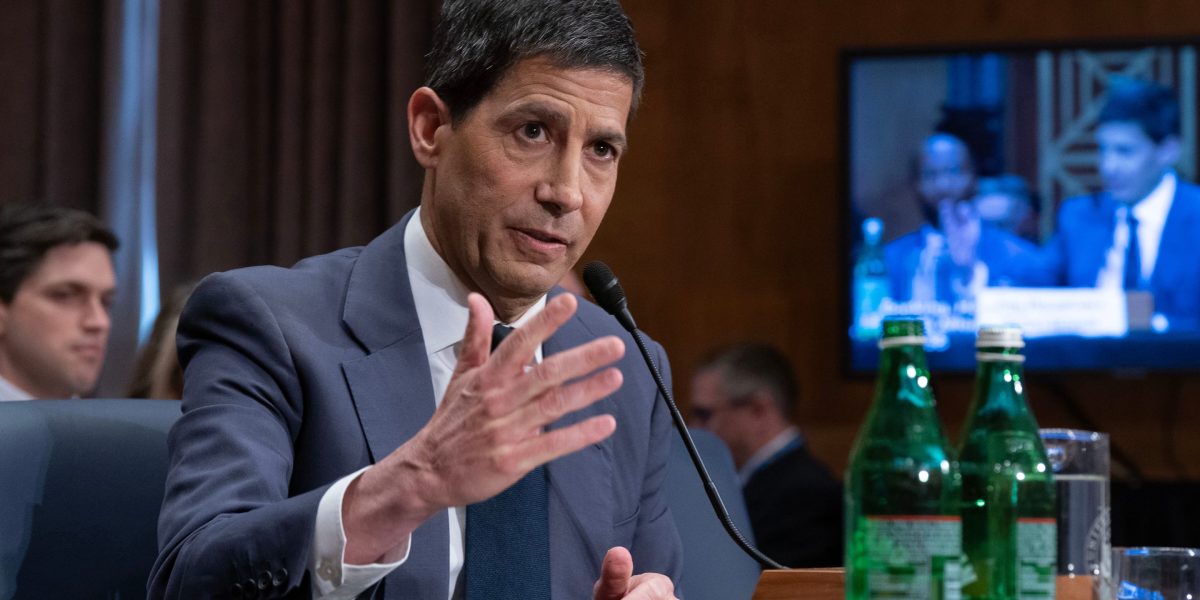
4 days agoKevin Warsh would be one of the wealthiest Fed chairs ever and says he 'lived the American Dream.' Here's what he wants for the central bank | Fortune
Kevin Warsh emphasizes the importance of Federal Reserve independence and his commitment to it during his Senate Banking Committee hearing.
US politics
fromFortune
4 days agoKevin Warsh would be one of the wealthiest Fed chairs ever and says he 'lived the American Dream.' Here's what he wants for the central bank | Fortune
Kevin Warsh emphasizes the importance of Federal Reserve independence and his commitment to it during his Senate Banking Committee hearing.
#dollar-index
US Elections
fromLondon Business News | Londonlovesbusiness.com
5 days agoDollar edged higher amid geopolitical uncertainty and Fed outlook - London Business News | Londonlovesbusiness.com
The dollar index rose slightly amid US-Iran negotiations, with markets anticipating volatility and a prolonged pause in interest rates.
World news
fromLondon Business News | Londonlovesbusiness.com
1 week agoBailey says UK has a 'resilient banking system' as Middle East crisis ongoing - London Business News | Londonlovesbusiness.com
The ongoing Middle East war has caused a major supply shock, impacting global economies and UK inflation.
fromLondon Business News | Londonlovesbusiness.com
3 weeks agoUS dollar stable near recent highs - London Business News | Londonlovesbusiness.com
Escalating geopolitical risk continued to dominate global markets' concerns, with safe-haven demand keeping the dollar index anchored near a multi-week high.
World politics
World news
fromLondon Business News | Londonlovesbusiness.com
2 weeks agoDollar holds firm amid ongoing geopolitical uncertainty - London Business News | Londonlovesbusiness.com
The dollar remains stable amid geopolitical tensions, with demand as a safe-haven asset and rising Treasury yields supporting its value.
Miscellaneous
fromLondon Business News | Londonlovesbusiness.com
2 months agoUncertainty creeps in about the Fed's future - London Business News | Londonlovesbusiness.com
Markets steady as FTSE ends flat, gold and oil retreat from highs while US stocks face Fed chair uncertainty and AI spending concerns.
fromenglish.elpais.com
1 month agoFederal Reserve expected to keep interest rates steady over Iran war uncertainty
The war with Iran was expected to last four or five weeks, but Tehran's reaction—a blockade of the Strait of Hormuz, the waterway through which a fifth of the world's oil passes—has triggered a surge in energy markets. U.S. President Donald Trump insists the attacks will soon cease, but he is asking allies for help in securing this strategic Middle Eastern passage, while analysts speculate about how long the oil blockade will last.
World news
fromFortune
1 month agoJamie Dimon has a feeling inflation will be the 'skunk at the party'-and the Iran conflict may already be enough to scare off the Fed for good | Fortune
We look at risk, at the broad range of outcomes, and there are negative outcomes. One of them would be inflation, I call it the skunk at the party. It's been coming down, but it seems to maybe have levelled off around 3%. If things make it go up-and this is only one thing, you can look at medical prices, construction prices, insurance prices, wages-inflation is a big thing.
US politics
[ Load more ]