#election-law
#election-law
[ follow ]
#supreme-court #voting-rights #mail-in-voting #mail-in-ballots #gerrymandering #trump-administration
#voting-rights



NYC politics
fromwww.amny.com
4 days agoAdvocates, City Council push for polling place, more ballot curing on Rikers as elections board says hands are tied by state law | amNewYork
Prison rights advocates seek to improve voting access for incarcerated individuals in New York City, facing legal limitations from state law.

fromwww.mediaite.com
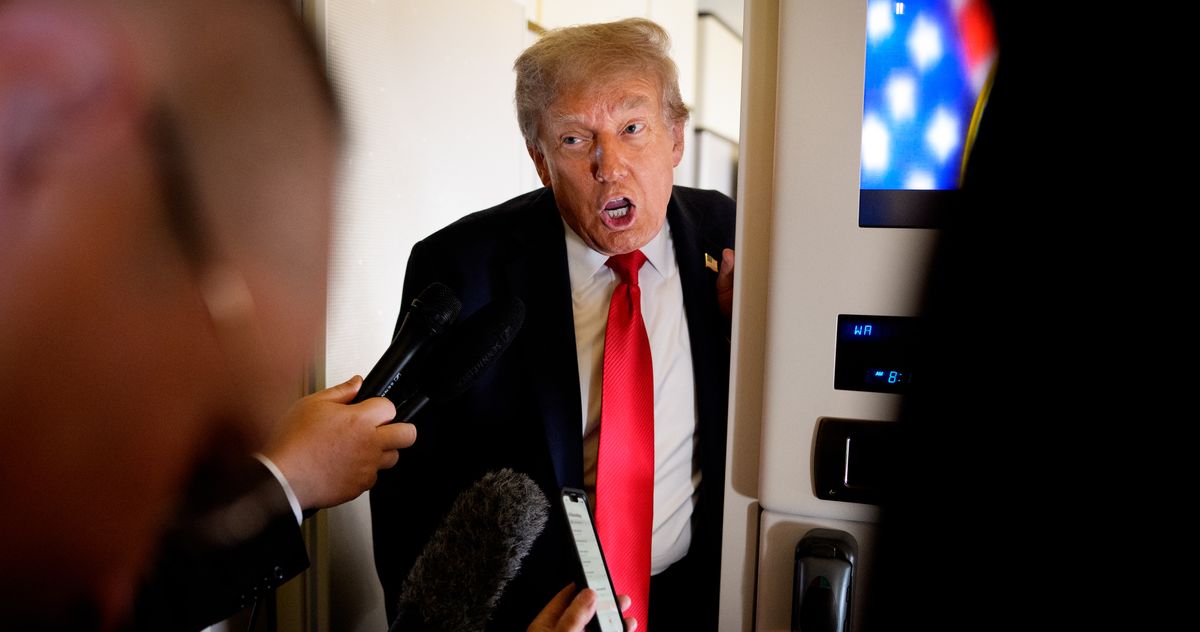
2 weeks agoElection Law Expert Tells Dan Abrams Trump's Mail-in Voting Executive Order Is Dead on Arrival
The Article I Section 4 was drafted by the Framers specifically to grant primary authority to regulate elections to the states, to the state legislatures. It also gave the authority to Congress to act directly, but one entity it didn't give any authority whatsoever to was the President of the United States.
US Elections

#mail-voting


US Elections
fromSlate Magazine
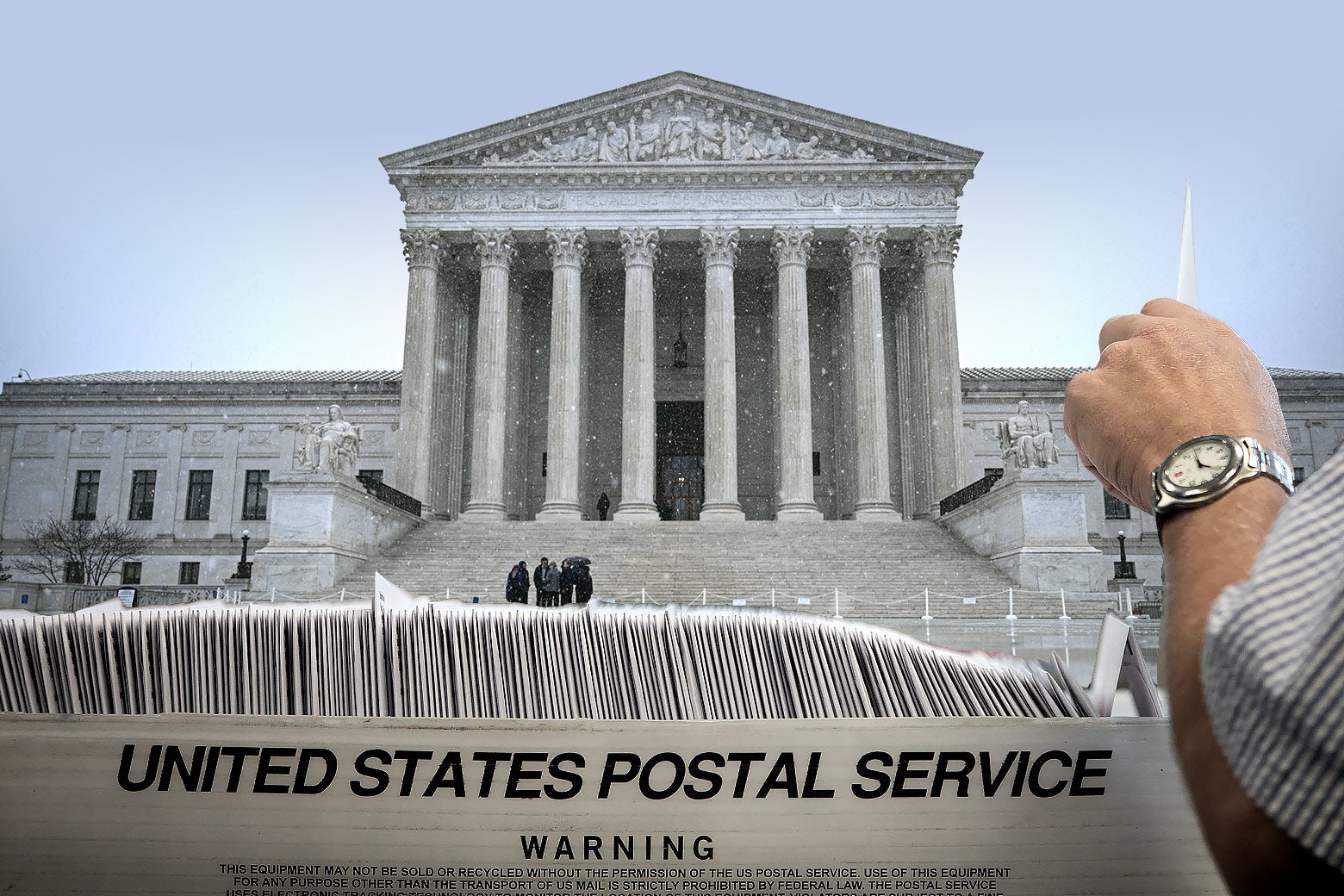
1 month agoTrump's Voting Nemesis Is at the Supreme Court. We Can't Afford for SCOTUS to Get It Wrong.
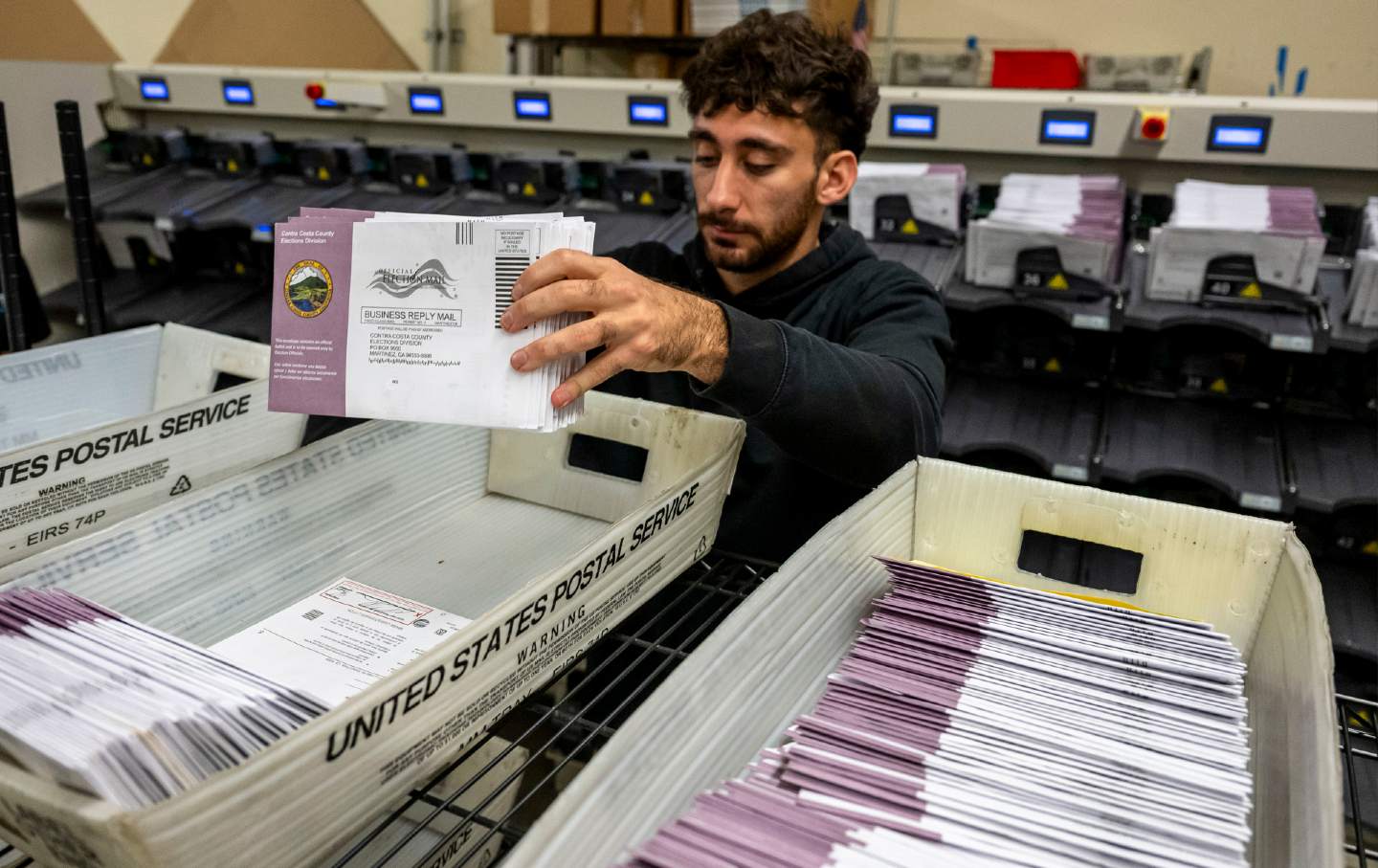
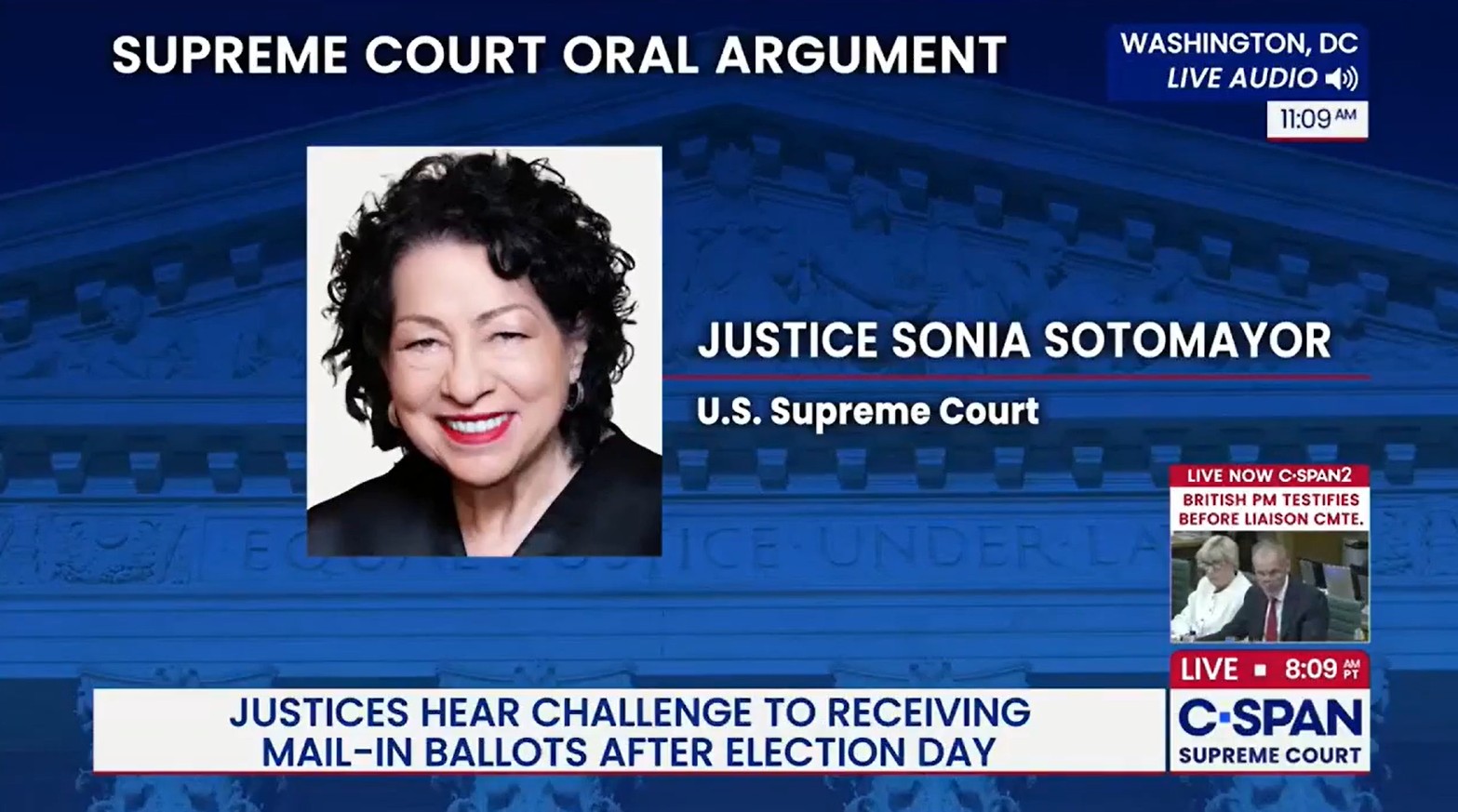
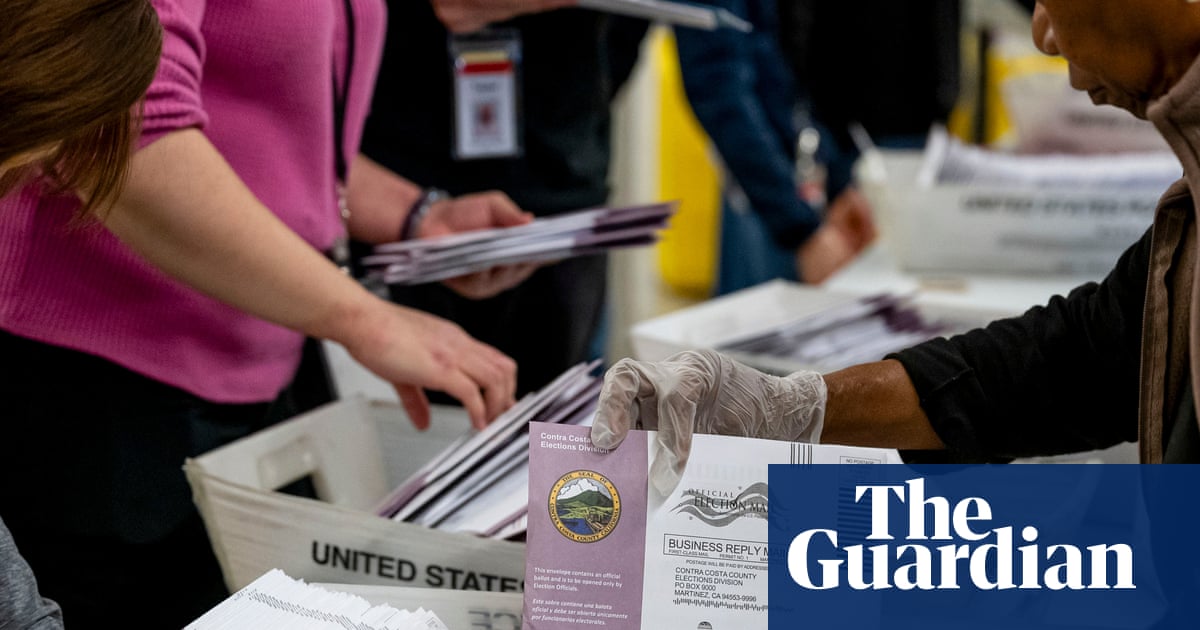
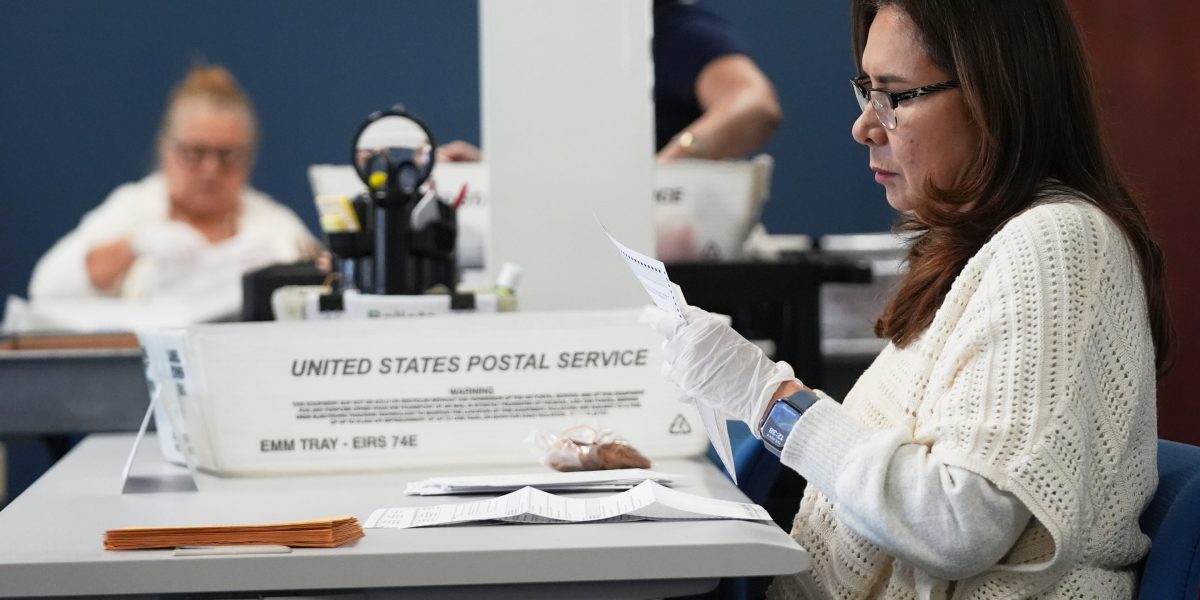
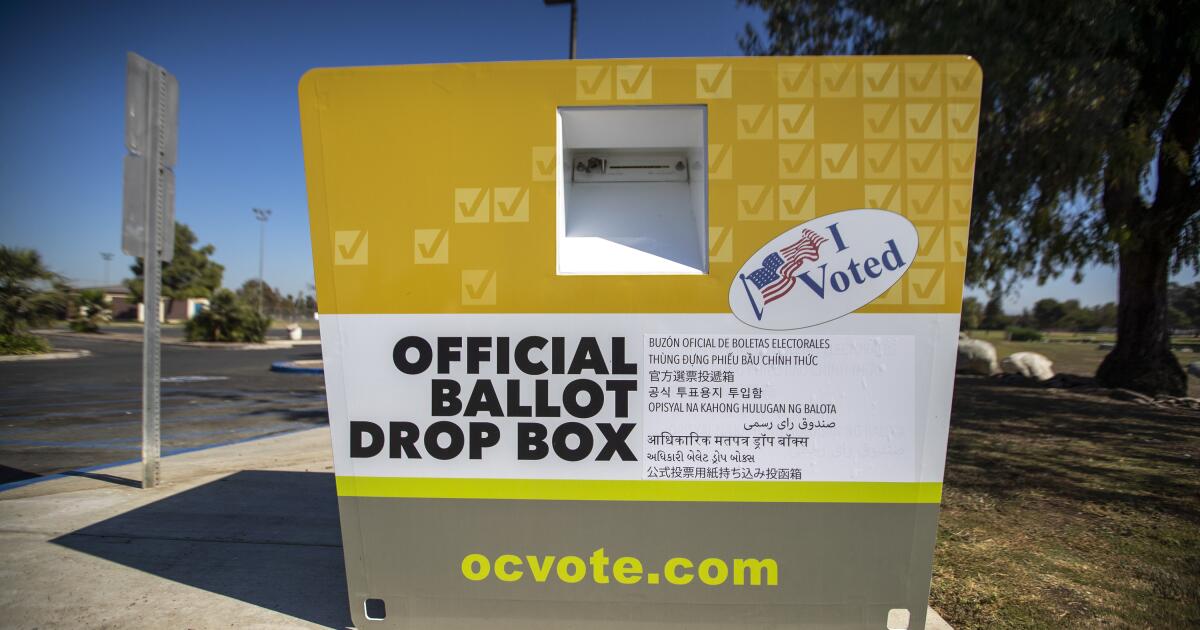
Mail voting, used by one-third of Americans in 2024, faces legal and political attacks including Trump's executive order and a Supreme Court case challenging post-Election Day ballot receipt in 29 states.

US politics
fromLGBTQ Nation
1 month agoRepublican governor signs bill urging citizens to rat on "suspect" voters - LGBTQ Nation
South Dakota's new law allows voters to challenge other residents' voting rights based on suspected non-citizenship, requiring signed sworn statements with documented evidence filed 90 days before elections.
#congressional-redistricting


NYC politics
fromNewsday
1 month agoControl-of-the-House suspense shifts from NYC to LI
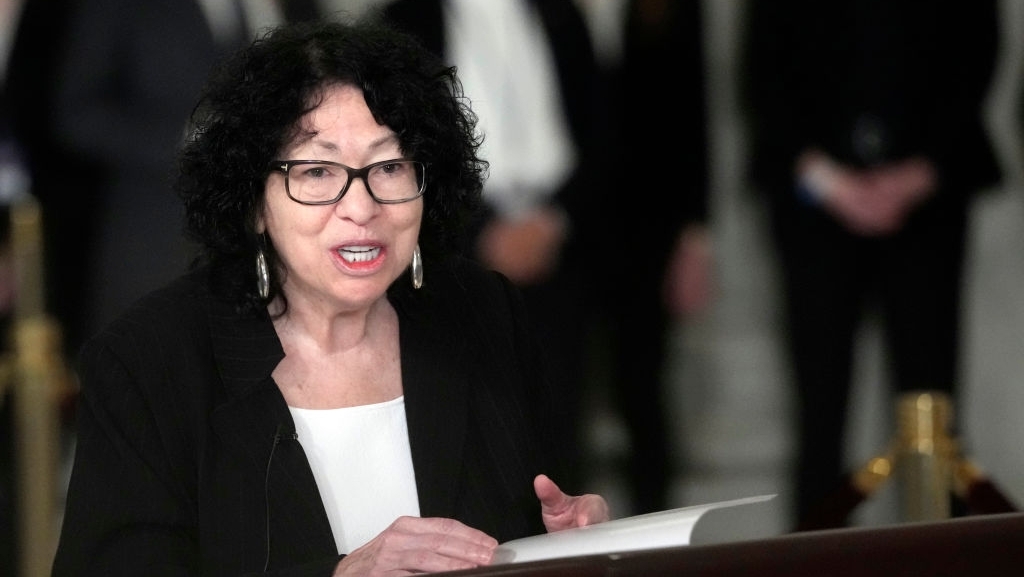
The Supreme Court blocked New York Democrats' congressional redistricting effort, preserving Rep. Malliotakis's district and leaving uncertainty about whether former Rep. D'Esposito will abandon his Labor Department inspector general position to run for Congress again.
NYC politics
fromIntelligencer
1 month agoSupreme Court Jumps In to Save Nicole Malliotakis's Job
The U.S. Supreme Court halted New York's congressional redistricting, protecting Republican Nicole Malliotakis's seat by blocking a lower court order to redraw the 11th District based on racial discrimination claims.
NYC politics
fromUSA TODAY
1 month agoIn win for GOP, Supreme Court blocks NY map change before midterms
The Supreme Court blocked a New York state court ruling that would have redrawn a congressional district to increase Democratic voting power, allowing Republicans to maintain control of the only GOP-held seat in New York City.
UK politics
fromwww.bbc.com
1 month agoNo sanctions over Reform's by-election rule breach
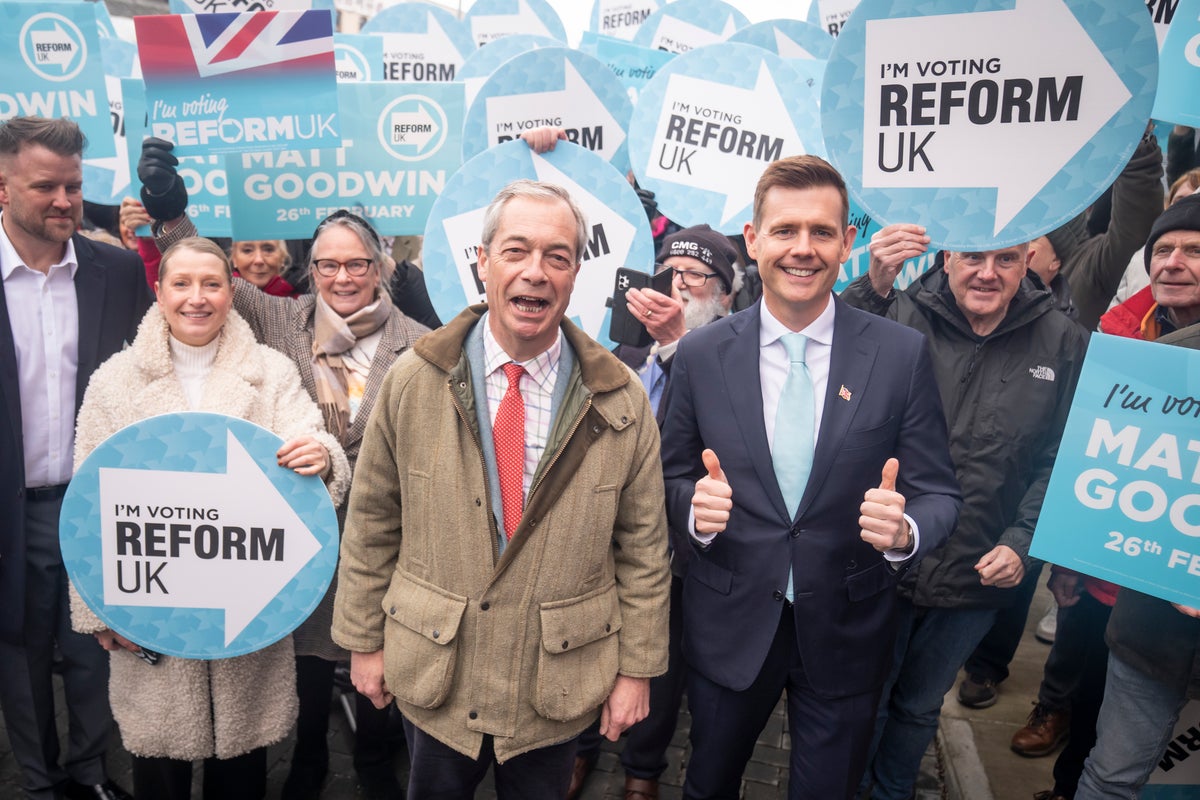
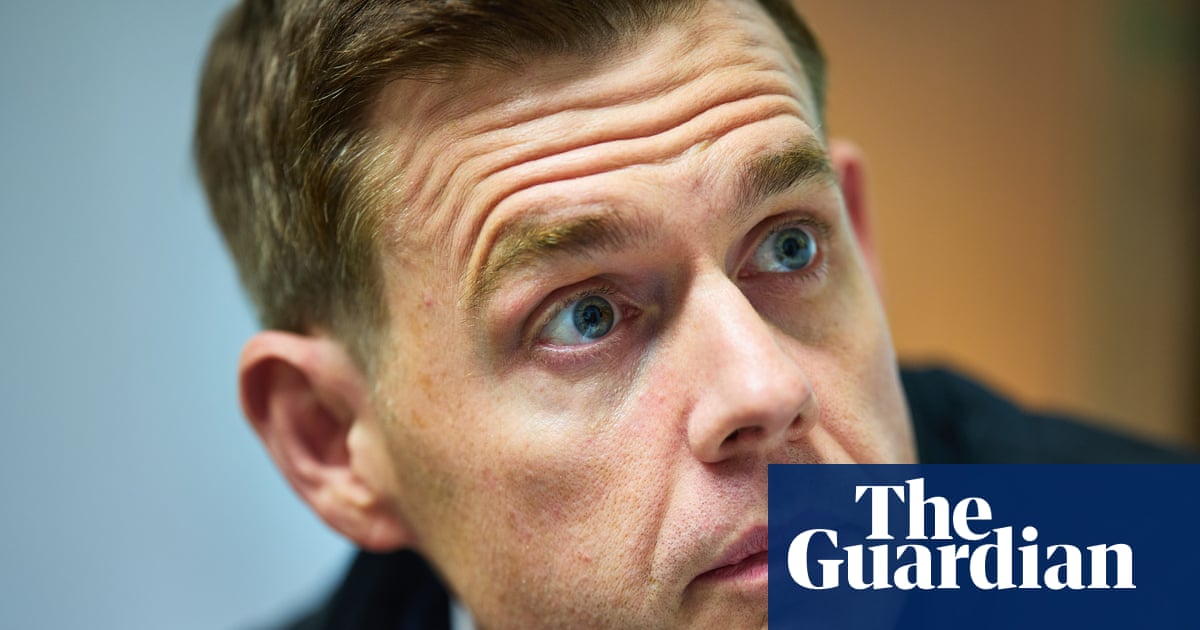
A judge ruled that Media Reform UK's election candidate Matt Goodwin and his agent will not face sanctions for election leaflets missing statutory imprints, deeming the omission an honest administrative error by the printing firm.
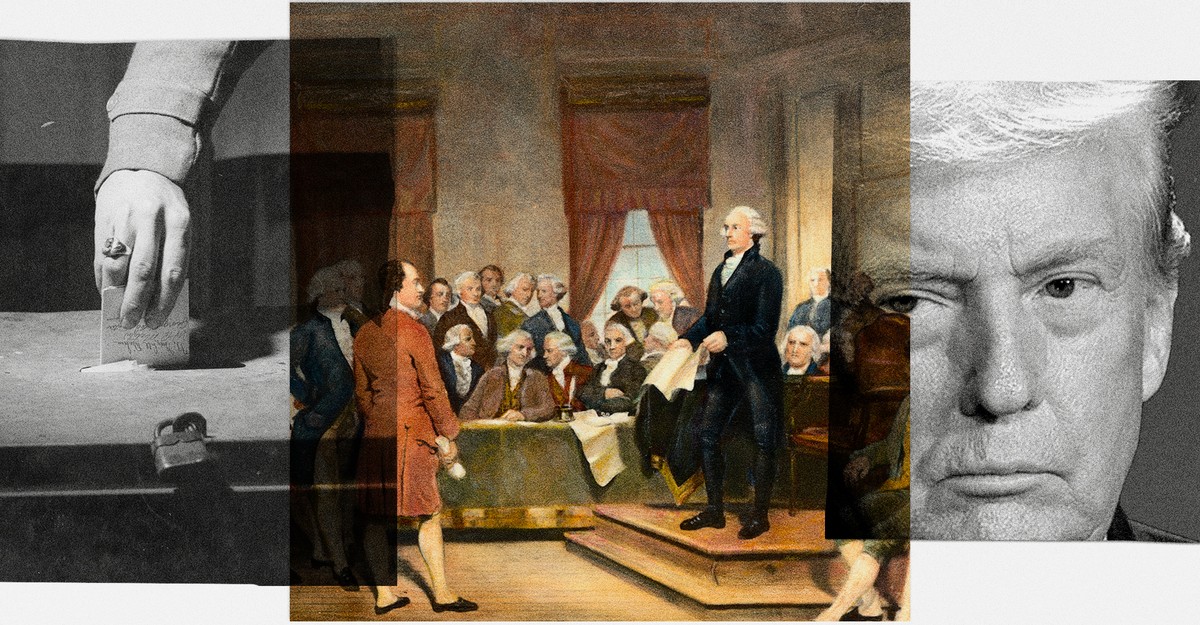
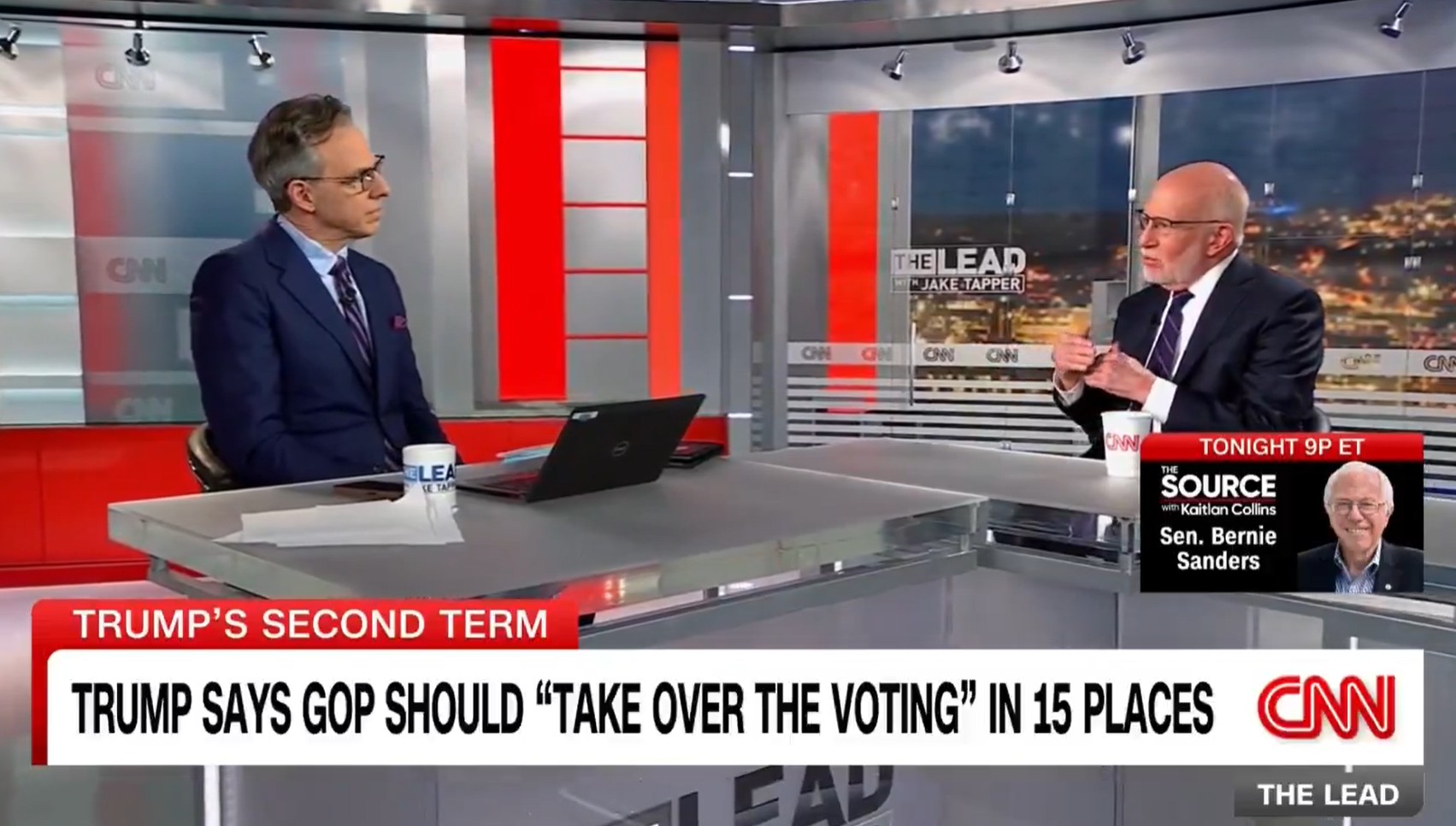


fromSlate Magazine
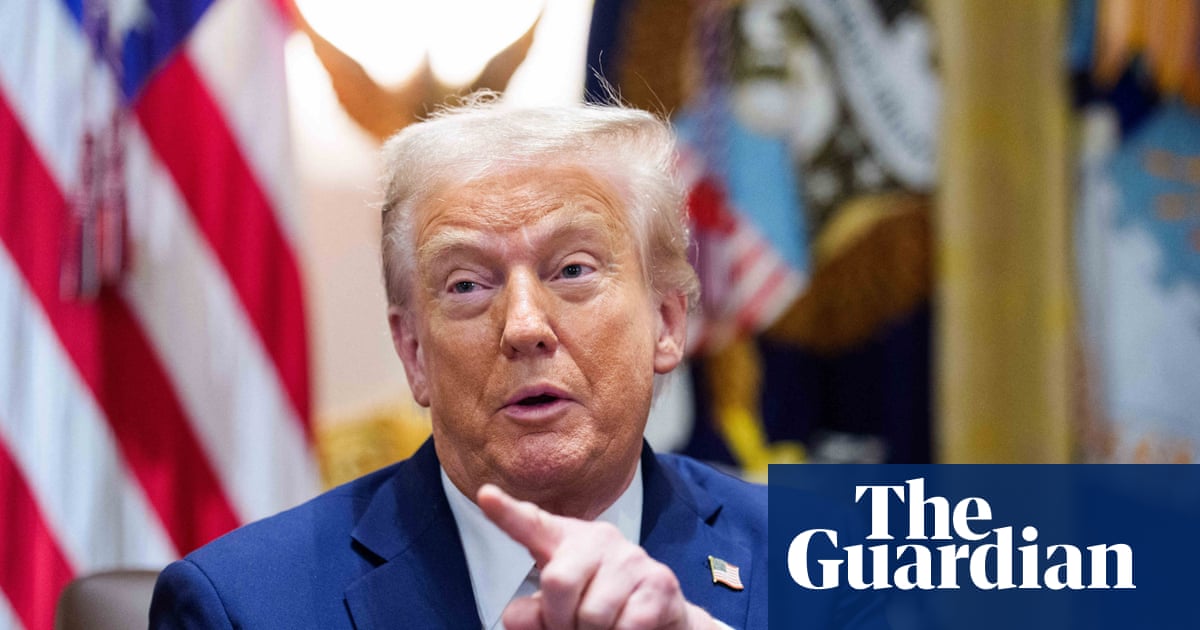
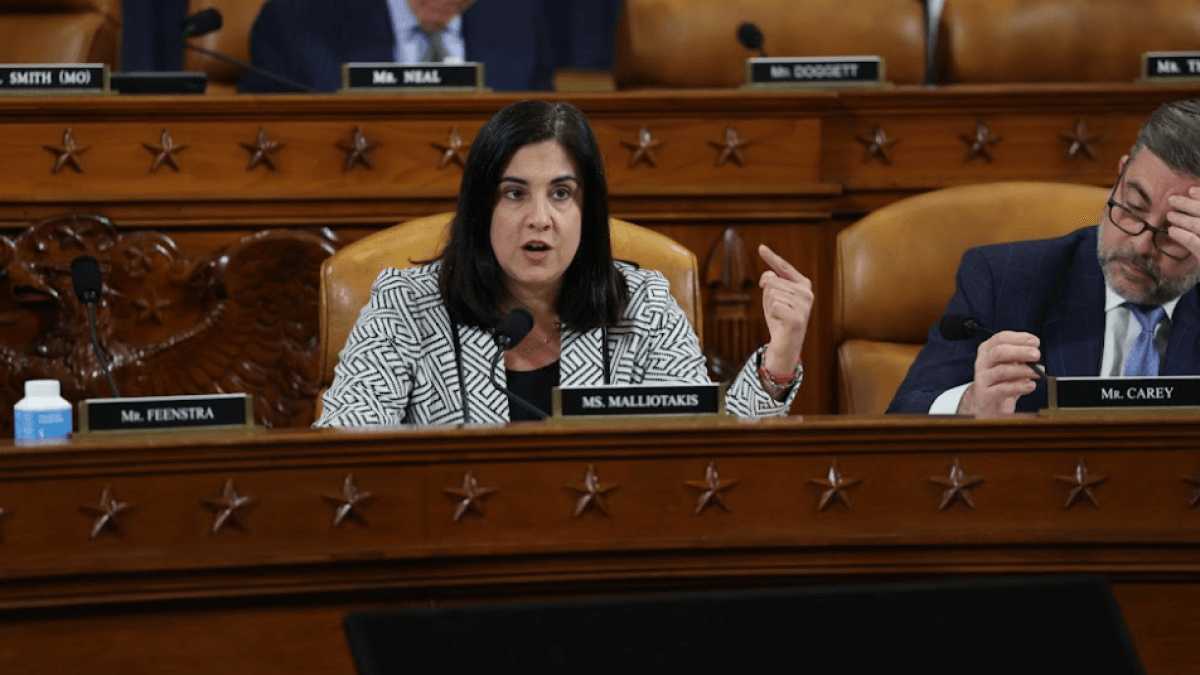
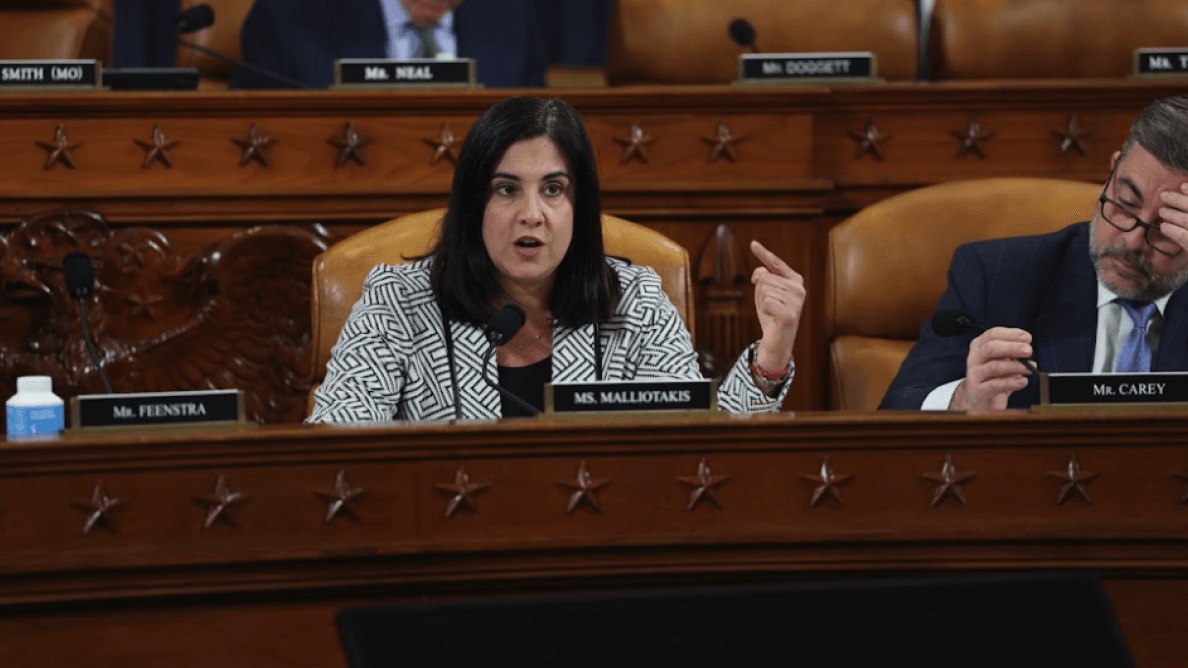
2 months agoWhy the Tulsi Gabbard Election Raid Is Scarier Than Initially Thought
The past month has seen a barrage of election subversion stories that, taken individually, were alarming, but viewed together reveal a deeply disturbing new playbook emanating from the Trump administration ahead of the midterms. On this week's Amicus podcast, Dahlia Lithwick talked with election law gladiator Marc Elias, chair of Elias Law Group and founder of Democracy Docket. Their discussion, edited and condensed for clarity here, highlights a very clear pattern when it comes to Trump and voting: a project that seeks to normalize violence and to test drive the shattering of how elections are typically run. The work of the coming nine months? Keep a close eye on the encroaching lawlessness, don't normalize election subversion, and organize now to protect your friends and neighbors.
US politics
US politics
fromThe Mercury News
2 months agoA right wing conspiracist challenges Rep. Swalwell's eligibility for governor in legal filing
Eric Swalwell faces a legal challenge alleging failure to meet California residency requirements for governor amid related federal scrutiny over his Washington, D.C. residence.

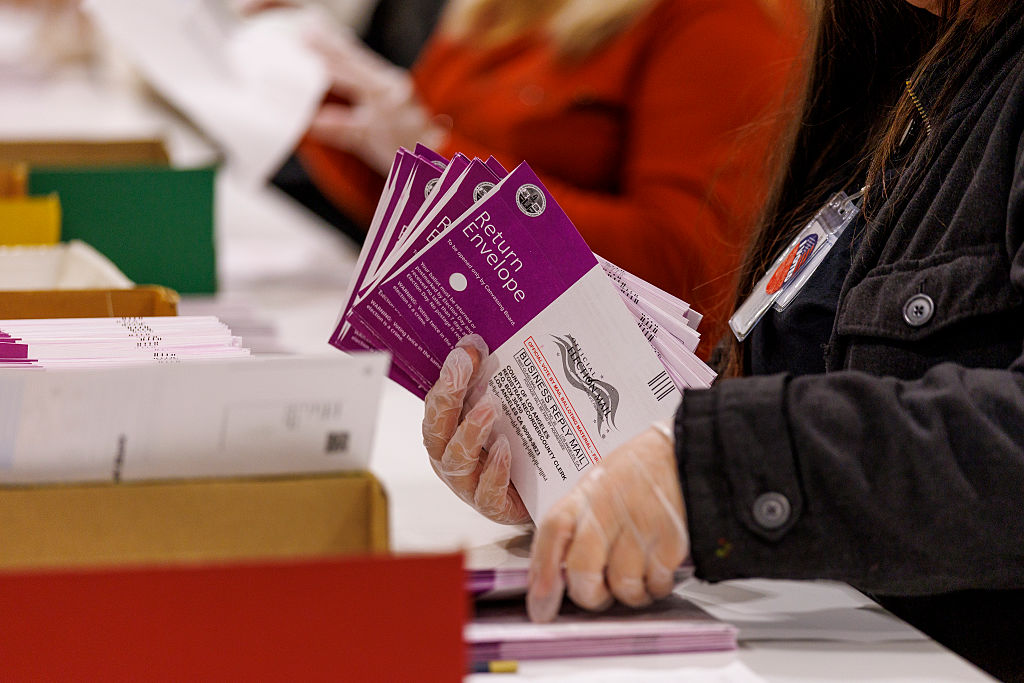

fromwww.amny.com
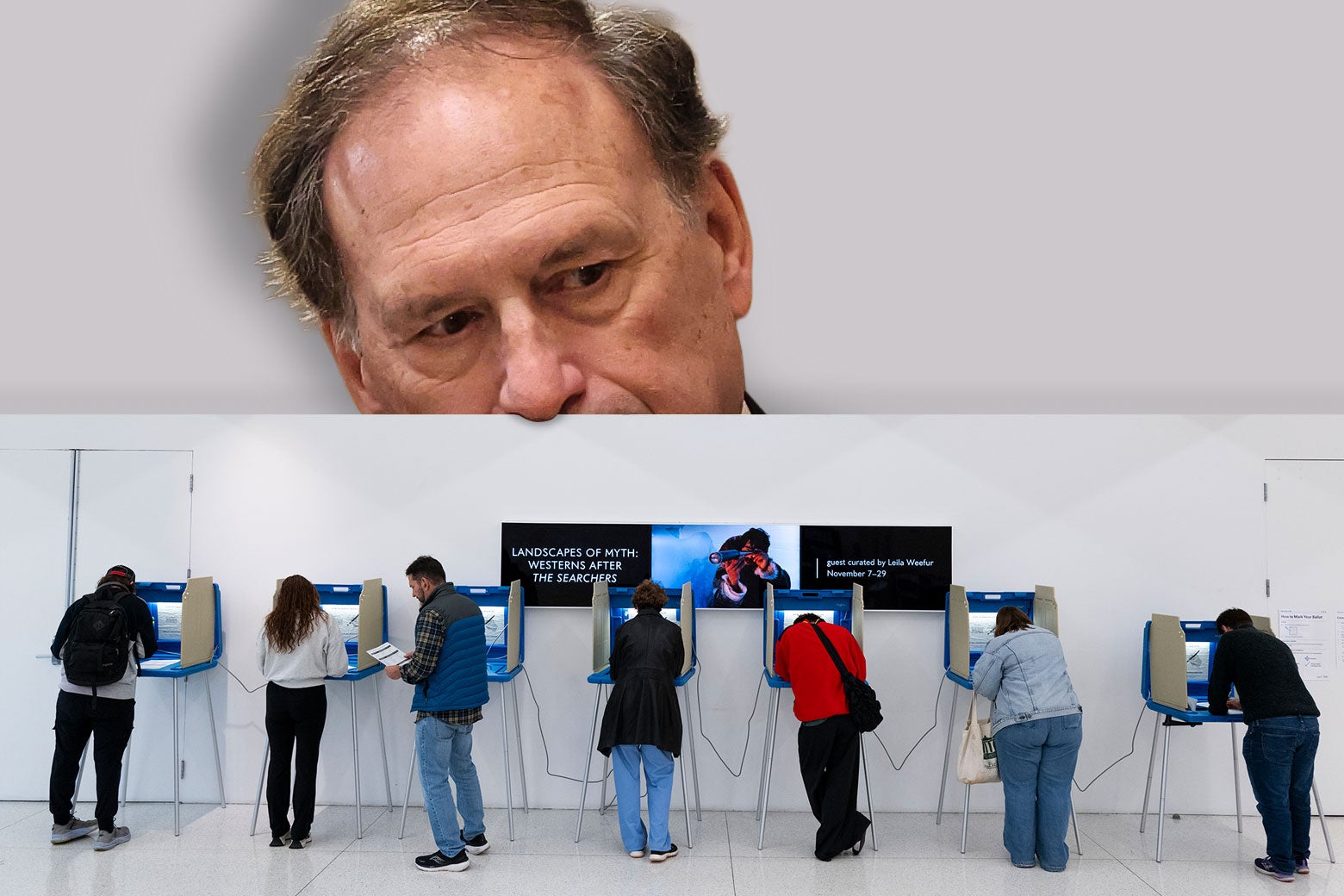
4 months agoPresidential election: New York lawmakers move to make state a player on Super Tuesday | amNewYork
For the past several cycles, despite our population's size, economic and cultural importance, and deep diversity, New York's role in picking our nation's presidential nominees has been relegated to the sidelines by a primary date that arrives too late to matter, said Skoufis, whose district is based in Orange County in the northern suburbs. With this bill, our votes will count.
New York Mets
fromIntelligencer
4 months agoTrump's Legacy Is in the Supreme Court's Shaky Hands
As the tumultuous first year of Donald Trump's second term as president approaches its end, it's difficult to assess his successes and his failures. For one thing, his governing strategy has been all but unprecedented. Most presidents who have just won an election are forced to choose whether they want to cash in their political chips to get big things done or build up political capital for future elections.
US politics

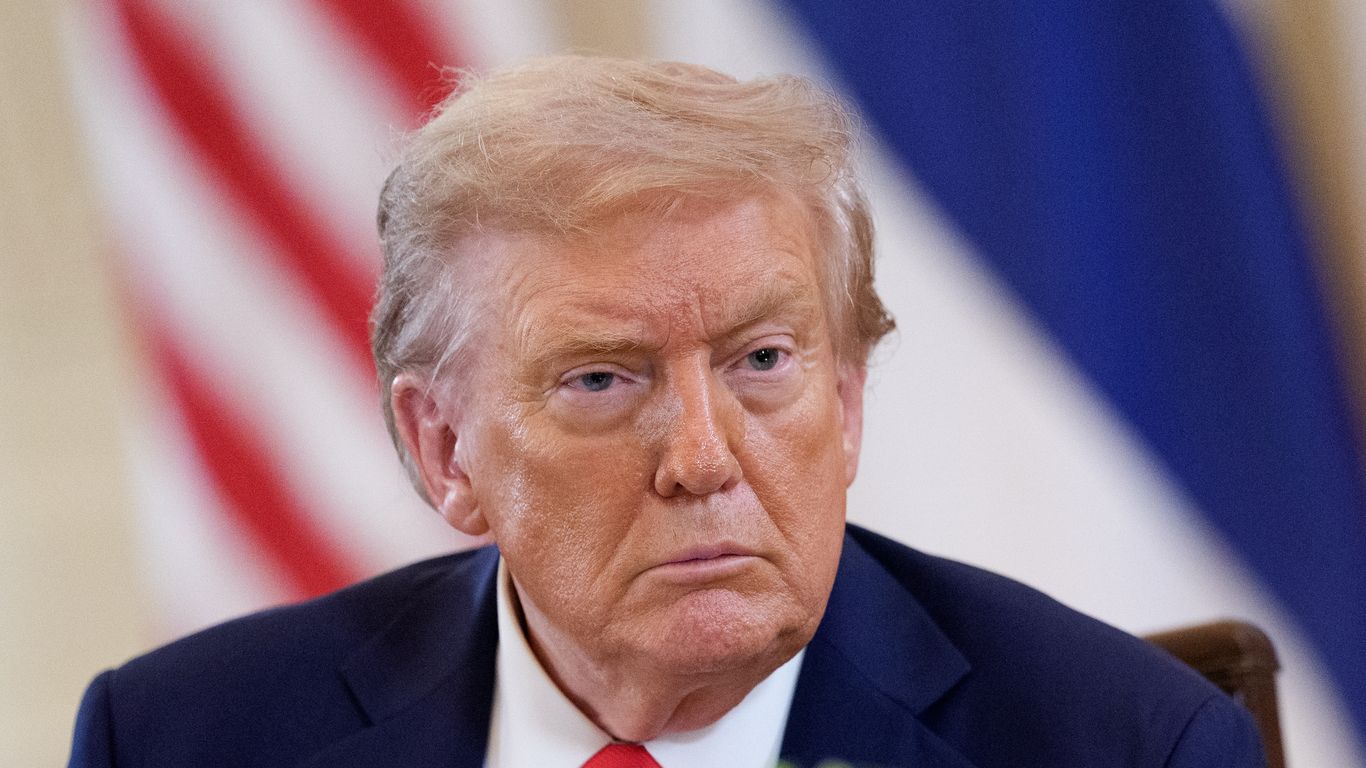
fromTheregister
5 months agoColorado sues Trump admin over Space base relocation
Colorado had been selected by the previous Biden administration, which US Senator Tommy Tuberville of Alabama decried as "political cronyism." Tuberville later told Trump that the headquarters in Huntsville, Alabama, would be named the "Donald J. Trump Space Command Center." According to Trump, a "big factor" in the decision was Colorado's support for mail-in voting. "So they have automatically crooked elections," he said, "and we can't have that..."
US politics
US politics
fromwww.theguardian.com
5 months agoTrump news at a glance: Friday rulings hamper administration on food stamps, voting access
Federal judges ordered continued SNAP food-stamp funding during the shutdown and struck down the president's proof-of-citizenship voter-registration directive as unconstitutional.

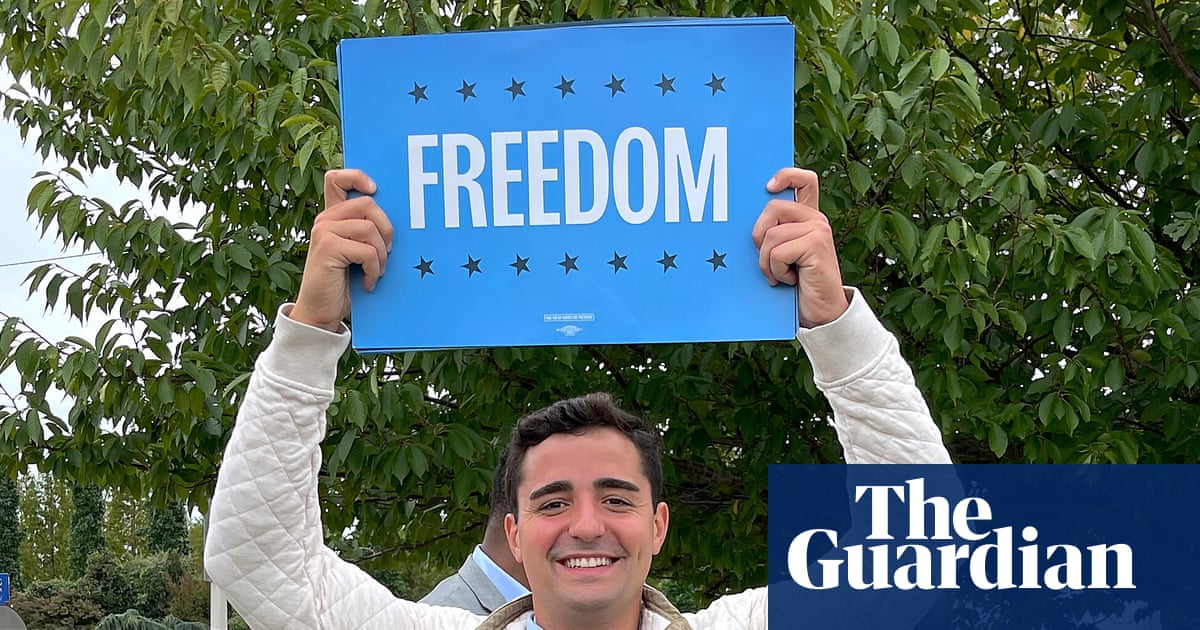


fromwww.theguardian.com
6 months agoThe democratic superlawyer Trump can't silence: We are in the break-glass moment of American history'
He's one of scores of lawyers the Trump administration has named in executive actions, joining a list that includes big law firms and attorneys who worked for people Trump considers his opponents. There's no shortage of reasons why Donald Trump would hate Elias and want to shut him down: Elias has for decades represented high-profile Democrats, including the presidential campaigns of Hillary Clinton and Kamala Harris, and prominent liberal groups, including the Democratic National Committee.
US politics
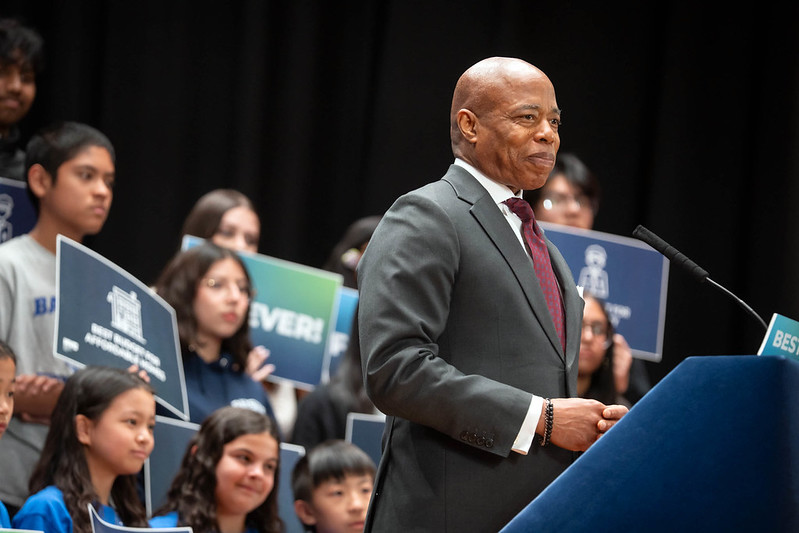
fromwww.amny.com
7 months agoCuomo's veteran election lawyer, Martin Connor, brings five decades of experience to the campaign | amNewYork
There are not many political insiders like former Governor Andrew Cuomo's long-time friend and election lawyer Martin Connor who are still active in the tumult of New York City politics. At 80, Connor, the former state senate minority leader, has been battling over ballot access for at least 54 years. The breadth of his experience makes him a specialized resource within the city's small bar of election lawyers.
New York Giants


fromMiami Herald
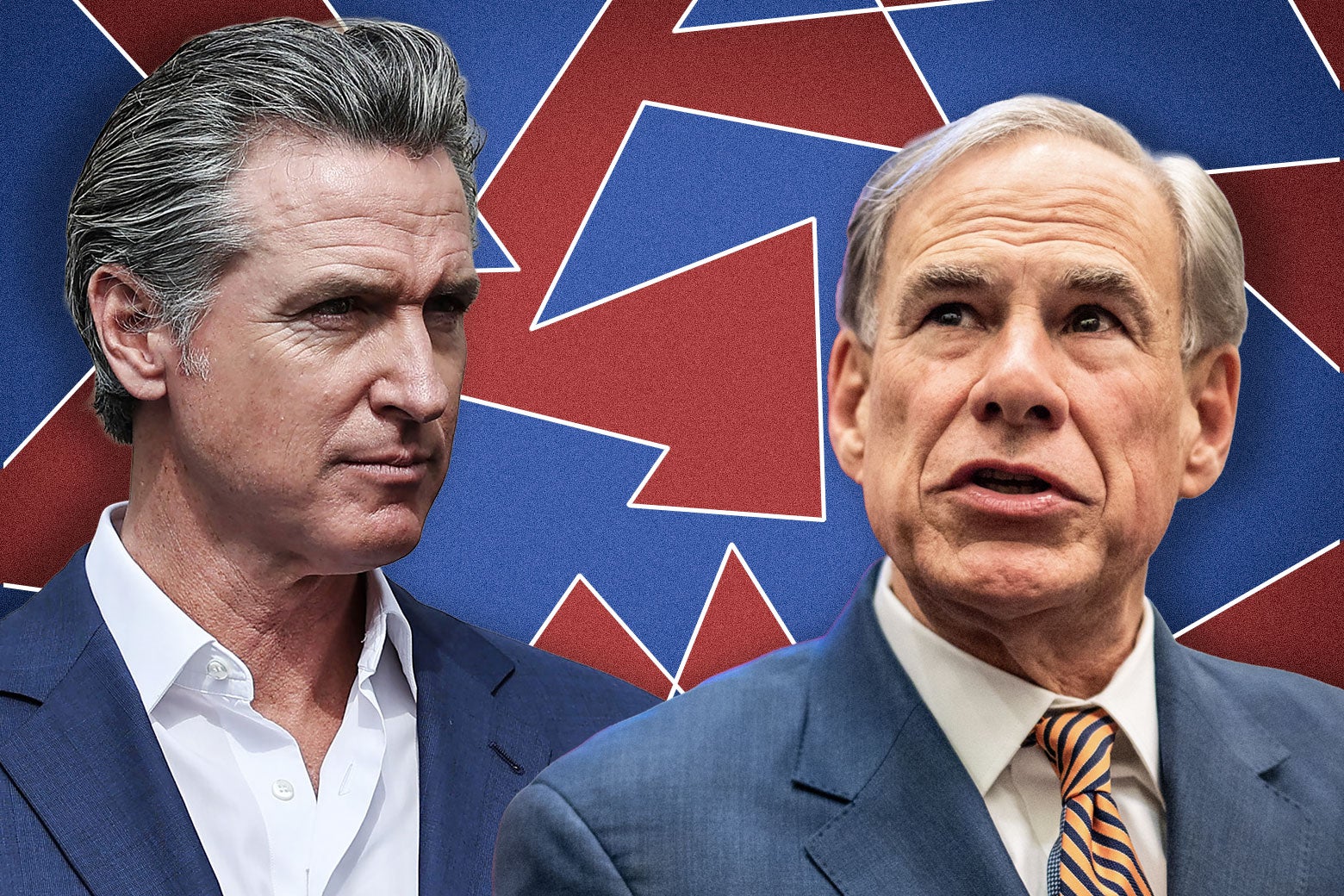
9 months agoIt's official: Miami cancels November election, postpones it to 2026
Commissioner Damian Pardo argued that changing to even-year elections is a much-needed reform that will significantly increase voter participation while saving the city hundreds of thousands of dollars.
Miami food

fromNew York Post
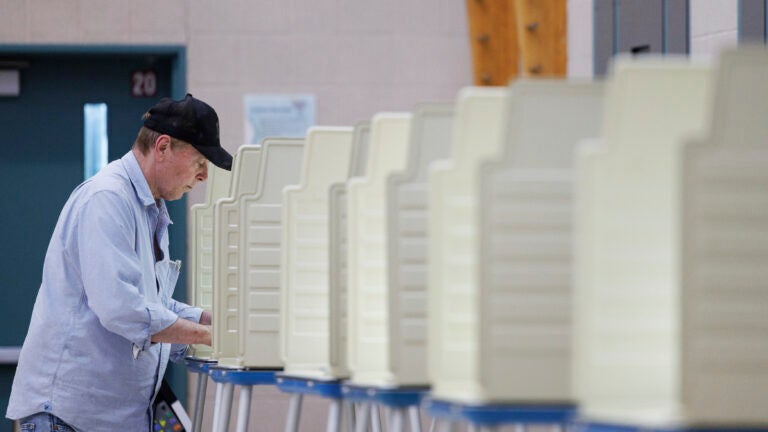
11 months agoLong Island pols blast New York's new election law that could boost Democrats in local races
For over 100 years, our local elections were held on odd years. What is this all about? It's about state control - the state trying to run our counties, towns, villages, and cities from Albany with one party rule.
NYC politics

[ Load more ]