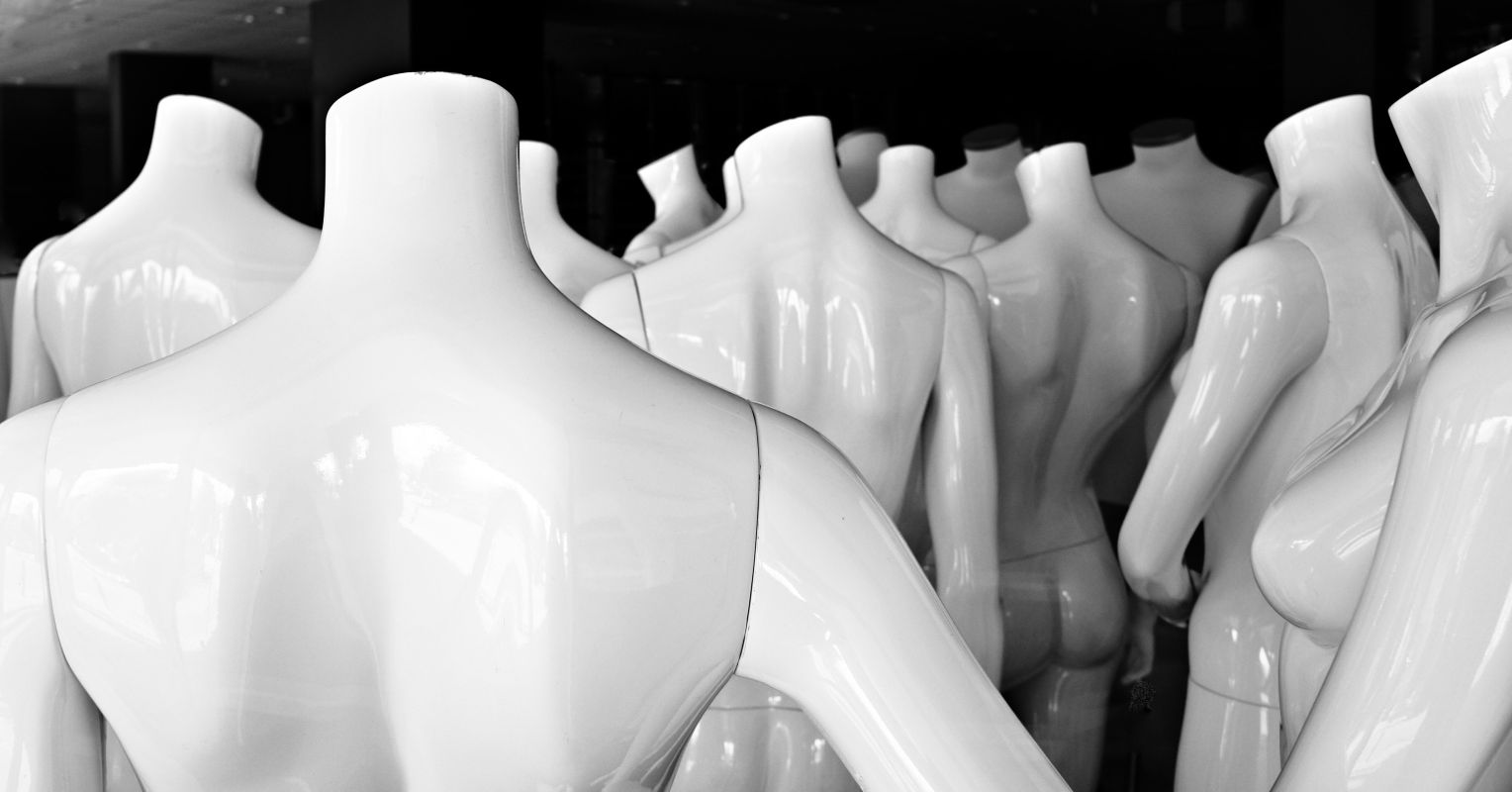
These ads avoid the explicit "weight loss" pitches of the past, like the days of Jenny Craig. Many ads never even say the word "weight," it is simply implied. Instead, these brands frame GLP-1s as a route to better healthcare and medical well-being, positioning them as an easy step to "take charge of your health." While the message is polished, the subtext is the same: losing weight leads to confidence, health, and self-worth.
A lot of the roles I played earlier on in my career - I had a topless scene in one of my first movies, but it wasn't in the script and I got told a week before they were going to have my top off,
Eugene Teo, 34, began lifting weights at the age of 13, looking for validation. I was short, skinny and I thought it would give me confidence, he says. Bodybuilding for me was the ultimate expression of that. Now living on the Gold Coast in Australia, with his partner and daughter, the fitness coach spent from age 16 to 24 training and competing. At times, he lifted weights for up to four hours a day, aiming to get as muscular and lean as possible.
In fact, last January, I decided to finally look at my macros - how much protein, fiber, carbs, and other nutrients I was actually eating. I've always tried to eat "healthy," but I was nervous about tracking anything too closely. I came of age during the clean-eating era, of salads, raw vegetables, and the demonization of carbs. In college, that slid into disordered eating: severe under-eating as a way to avoid "danger" foods.
Defined by dietitian Christy Harrison, author of and The Wellness Trap, diet culture refers to the harmful belief that our health and value is defined by our body size and shape. This system insists that worth is tied to weight, leading to deep food shame and the marginalization of anyone who doesn't fit a narrow "ideal." It functions by labeling food as "good" or "bad," eventually tricking us into believing we are "good" or "bad" based on what we eat.
Every few months, she tries out a different diet or fad to try to Emma never parades her new diets around or tries to shame anyone about what they're eating, but she'll usually explain why she's not partaking in team lunches, office snacks, and so on. It's never meant as anything but idle small talk, but it tends to spark long conversations
In the last few years, I've seen an increasing number of wellness and fitness influencers yap about fixing their metabolisms. For some, that means hawking supplements like Foodology's Coleology Cutting Jelly, NAD+ pills for improving insulin sensitivity, or powders that claim to "balance your hormones." Right now, my TikTok FYP is full of girls talking about the viral Korean Switch-On diet - a seemingly brutal regimen of intermittent fasting, protein shakes, and tofu. An obesity researcher purportedly designed the diet, which will "reset your metabolism."
Consume Me is a life sim about the worst parts of its protagonist's life. Like any life sim, it asks you to spend your time wisely to manage stats that measure your character's achievements. Only here, instead of running a farm and making friends, you're maintaining a diet, studying for exams, and trying to keep your boyfriend from breaking up with you.