#cim-group
#cim-group
[ follow ]
#real-estate #housing-market #affordable-housing #commercial-real-estate #mixed-use-development #california
fromThe Walrus
3 days agoI Bought a House and Became Part of the Problem | The Walrus
I never expected to own a home. I wasn't born into generational wealth. I grew up poor. There was-and is-no big family inheritance coming my way. Not property. Not cash. Not stocks or bonds or whatever financial instrument one might trade or sell or leverage to join the landed class.
Canada news
fromThe Jerusalem Post | JPost.com
3 days agoBank Hapoalim's US arm funds $203m Manhattan housing conversion | The Jerusalem Post
BHI provided a $167 million construction loan to Yellowstone Real Estate Investments for the conversion of the Candler Building into a 176-unit residential tower with retail space, totaling $203 million in financing.
NYC real estate
Online Community Development
fromwww.housingwire.com
6 days agoCDFIs could draw institutional capital for climate projects
There is a strong desire for collaboration between institutional investors and community development financial institutions, but barriers exist due to perceived risks and lack of standardization.
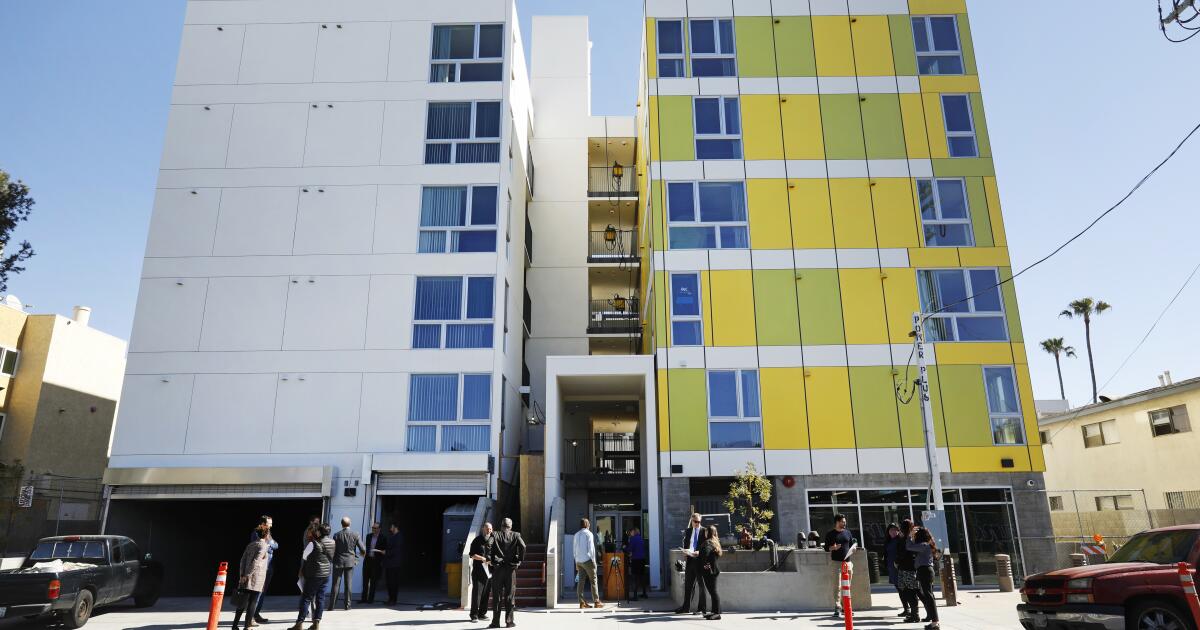

California
fromStreetsblog California
1 day agoLegislation Moving to Make It Easier to Build High-Rises Near Transit in CA's Seven Largest Cities - Streetsblog California
Assembly Bill 2074 aims to facilitate high-rise housing near transit hubs in California's largest cities by streamlining approval processes.





NYC real estate
fromThe Daily Upside
1 month agoHow Advisors Are Finding Opportunities in Private Real Estate Right Now
Commercial real estate values remain 17% below 2022 peaks due to pandemic office vacancies and interest rate increases, presenting potential buying opportunities despite sector skepticism and illiquidity concerns.
#housing-development

Boston real estate
fromwww.amny.com
4 weeks agoExpert Analysis
Cities can unlock 100,000+ housing units by leveraging 50+ million square feet of unused development rights on municipal properties and transit facilities through strategic air-rights deployment and alternative ownership models beyond traditional ground leases.
East Bay real estate
fromLos Angeles Times
27 years agoHousing Permits Urged for 3 Projects
Ventura Planning Commission unanimously approved three east Ventura developments totaling 245 housing units: a 100-unit apartment complex and two single-family home projects, allocating the city's limited annual housing permits.
Business
from24/7 Wall St.
1 month agoCrossAmerica's CEO Sold 107 Properties to Earn the Right to Say 'We Enter 2026 With a Strong Balance Sheet'
CrossAmerica Partners improved its financial position through $100 million in divestitures, reduced debt leverage from 4.36x to 3.51x, and expanded margins through strategic retail conversions, positioning the company for 2026 growth.
fromsfist.com
1 month agoLocal Developers Snap Up Vacant Westfield Mall With Plans That Include Housing
The partnership of Goldman Sachs and JPMorgan Chase, who purchased the mall property out of receivership in November and foreclosed on a $560 million outstanding loan tied to it, have selected Presidio Bay and Prado Group to take over the property for an undisclosed sum. The Chronicle reported that the estimated winning bid amount was around $130 million.
SF real estate
Real estate
fromInc
4 weeks agoWhy Connectivity Is the New 'Location' in Commercial Real Estate
Digital infrastructure and connectivity now rival or surpass traditional location as the primary factor determining real estate value for business properties, with 96% of U.S. business leaders willing to pay premium prices for reliable connectivity.
fromwww.housingwire.com
1 month agoHow Public Financing Wins Projects Before You Build
Through Community Facilities Districts (CFD), Municipal Utility Districts (MUD), Public Improvement Districts (PID), Community Development Districts (CDD) and reimbursement districts (RD), builders can potentially shift infrastructure costs off their balance sheets and onto special districts that homebuyers ultimately absorb through property taxes without potentially adding debt to the builder's books.
LA real estate
New York City
fromInc
1 month ago140 Cities in Maine, L.A.'s Olympic Committee, and NYC: The Urban Tool That's About to Change Everything
MIT researchers created the first complete pedestrian activity model for New York City, revealing movement patterns and crash vulnerabilities, applicable to any U.S. city and enabling better infrastructure funding allocation.
Real estate
fromFortune
1 month agoThe 'average rent' mirage: why we need better numbers to understand urban economics | Fortune
Traditional office rent statistics mask true market conditions by failing to account for tenant concessions and lease variations, creating a distorted picture of market health that misleads business leaders and policymakers.
Real estate
from24/7 Wall St.
1 month agoCramer: Realty Income's Strategy Looks Great
Realty Income has evolved from a strip-mall REIT into a diversified global real estate capital provider with industrial, gaming, data center, and international operations, trading below historical valuation multiples.
NYC real estate
fromLos Angeles Times
7 years agoHow real estate brothers closed some of the priciest deals around
Brothers Tal and Oren Alexander closed three ultra-high-end real estate deals worth nearly half a billion dollars in early 2024, including record-breaking sales in London, New York, and Miami.
LA real estate
fromLos Angeles Times
10 years agoCBRE now one of the world's largest property managers after acquiring competitor
CBRE completed a $1.5 billion acquisition of Global Workplace Solutions to expand property management services and diversify revenue beyond real estate brokerage commissions.
Real estate
fromwww.housingwire.com
1 month agoGreen Brick Partners stands out with high margins, land-heavy approach
Green Brick Partners maintains the highest gross profit margin among public homebuilders at 29.4% despite Sun Belt market challenges, driven by land ownership and strategic debt discipline.
fromLos Angeles Times
41 years agoLoan Arranged for Rehab Development
First Interstate Mortgage Co.'s income property division has arranged a $2.3-million construction loan and $2.6-million permanent loan for the rehabilitation of an existing three-story building in Pasadena, located at 95 N. Marengo St.
Real estate
fromLos Angeles Times
11 years agoWork gets underway on stalled Fig Central complex near L.A. Live
Since purchasing the land last year, Oceanwide has reworked the design for the Fig Central development, adding a third tower in the process. The $1-billion project now consists of two 40-story high-rises and another high-rise at 49 stories. In all, 504 condos, 183 hotel rooms and nearly 450,000 square feet of retail space are planned.
LA real estate

Real estate
fromwww.cbc.ca
2 months agoAfter years of uncertainty, Toronto's commercial real estate market looks ready to grow | CBC News
Toronto's commercial real estate market is stabilizing with leasing outpacing vacancies, availability falling, and investment rising as banks and public-sector workers return to offices.
fromtherealdeal.com
2 months agoBuilders get their remedy, and some cities tweak their defenses
Cedar Street just came out victorious in a multi-year saga with the city of La Canada Flintridge, winning the first successful builder's remedy case in California Superior Court for its 80-unit mixed-use project at 600 Foothill Boulevard and setting a path for other developers to build. But the fight may have left its scars, in time, stress and now soured relationships with some officials.
Real estate
fromBusiness Matters
1 month agoAndres Aiza: Building Trust in Houston's Industrial Real Estate
Working inside an operating business changed how I look at buildings. You stop seeing square footage and start seeing workflow. That perspective still guides his work today. It helps him understand tenants and advise property owners with more clarity.
Real estate
fromLos Angeles Times
2 months agoNotorious dead mall in Westminster is on track for redevelopment
In recent weeks, videos have circulated on social media showing rampant paint tagging and destruction inside the structure that was a cultural touchstone in the Orange County city of Westminster for decades after it opened in 1974. In its heyday, the mall was a gathering spot when there were few other places to hang out. It was where kids found the latest fashions and where "mall rats" roamed in packs after school.
Real estate
fromStoreys
2 months agoAfter Years Of Remote Work, Toronto's Office Market Is Heating Up
In early January, the Ford government's return-to-office (RTO) mandate took effect, ordering 60,000 public servants back to the office. The move culminates more than a year of RTO mandates from big names in tech and finance, reaching a fever pitch in late 2025, and has put a significant amount of pressure on Toronto's office market. The trend is reversing years of near-stagnant activity in the downtown commercial real estate scene, which took a big hit from COVID-era work-from-home policies.
Real estate
fromBusiness Facilities Magazine
1 month agoWhy Corporate Real Estate Leaders Are Choosing Secondary Cities - Business Facilities Magazine
C orporate real estate strategy has entered a new phase. Expansion decisions are no longer driven by brand prestige or default gateway markets. Today's environment demands cost discipline, workforce stability, operational resilience, and long-term flexibility. For companies considering expansion or relocation, smaller metros - often called secondary cities - are increasingly landing on the shortlist. Not as compromises. As competitive, strategic options.
Real estate
[ Load more ]