#bowel-cancer-diagnosis
#bowel-cancer-diagnosis
[ follow ]
#colorectal-cancer #young-adults #breast-cancer #early-detection #colon-cancer #screening #cancer-prevention
#colorectal-cancer

Cancer
fromwww.amny.com
3 weeks agoColorectal cancer rates are rising but early screening and lifestyle changes can save lives | amNewYork
Colorectal cancer is preventable, and early screening significantly increases survival rates.
Medicine
fromBusiness Insider
2 months agoDoctors told a woman she was too young for colon cancer and dismissed her symptoms for years. At 22, she was diagnosed with stage 3 colon cancer.
Young, healthy individuals can develop colorectal cancer; persistent rectal bleeding and other symptoms require prompt, thorough medical evaluation.

#colon-cancer
Cancer
fromwww.businessinsider.com
4 days agoA doctor, who treated a 22-year-old with colon cancer, shares what everyone should know about cancer symptoms
Colon cancer is increasingly diagnosed in patients under 45, with symptoms often being subtle and easily dismissed.
fromBusiness Insider
2 months agoPublic health
Colon cancer is officially the deadliest cancer for people under 50. Experts are shocked at how quickly this happened.
Colon cancer has become the leading cause of cancer death in U.S. adults under 50, with rising rates and a shifting birth-cohort risk since 1950.
#prostate-cancer
London politics
fromwww.theguardian.com
1 month agoI've been living under a shadow for 13 years': life with prostate cancer
A man diagnosed with hereditary prostate cancer at 52 has endured 13 years of intensive treatments and severe physical and psychological side effects that profoundly impact his quality of life and family.

London politics
fromwww.theguardian.com
1 month agoI've been living under a shadow for 13 years': life with prostate cancer
A man diagnosed with hereditary prostate cancer at 52 has endured 13 years of intensive treatments and severe physical and psychological side effects that profoundly impact his quality of life and family.




fromBrooklyn Paper
1 month agoBay Ridge community walks to raise awareness for colorectal cancer * Brooklyn Paper
This walk works to raise awareness for people out there regarding screening for colon cancer. It's truly a preventable disease and at 45 years old, everybody should be screened. We are excited to have our community members join us, and I'm excited to say we've raised almost $20,000 for the Colorectal Cancer Alliance.
Brooklyn
Cancer
fromNonprofit Quarterly | Civic News. Empowering Nonprofits. Advancing Justice.
2 weeks agoThe Birth Control Pill and Cancer: What Are the Risks? | Nonprofit Quarterly | Civic News. Empowering Nonprofits. Advancing Justice.
Hormonal birth control pills can increase cancer risk but also decrease it; the WHO's classification as a carcinogen is nuanced and not new.

Medicine
fromSlate Magazine
1 month agoAt 42, With Three Young Kids, I Got a Diagnosis That Would Have Me Dead in a Year. That Was Somehow Just the Beginning.
A 42-year-old man was diagnosed with cholangiocarcinoma, a rare and aggressive bile duct cancer with a 10% five-year survival rate, after initially presenting with jaundice symptoms.
fromwww.bbc.com
2 months agoMum with cervical cancer begged for scan after years of being 'fobbed off'
Jessica Mason went back and forth to her GP and hospital with swelling, bleeding and pain in her vagina but says she was "fobbed off" before "begging" for a scan which revealed cancer requiring urgent treatment. The 44-year-old believes she was only referred for an MRI because she "broke down in tears" to a doctor, adding: "I knew there was something wrong."
UK news
#lung-cancer
Cancer
fromwww.theguardian.com
1 month agoI have stage four cancer there will be no cure, but death isn't necessarily imminent: this is how it feels to live in the long middle
Stage four lung cancer transforms breath into a finite currency, dictating daily life and relationships amidst medical advancements that extend survival.
Cancer
fromBusiness Insider
1 month agoStop ignoring subtle signs of cancer. A doctor explains when to get medical help.
Early cancer symptoms are often subtle and easily missed, including unexplained fatigue, persistent pain, and digestive changes; persistent symptoms lasting over a week warrant medical evaluation.

fromBuzzFeed
2 months agoColorectal Cancer Is Becoming More Common In Young People. Here Are The Signs You Should Know.
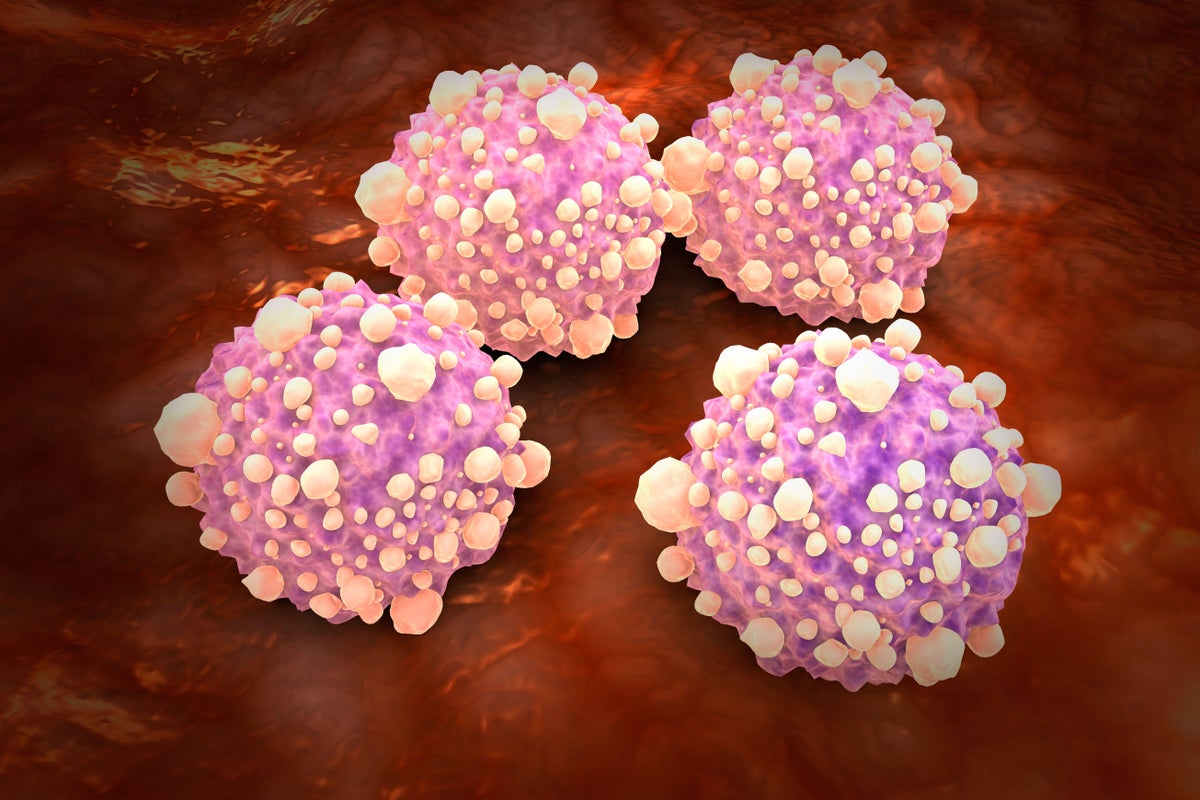
The 48-year-old's diagnosis, which he revealed in 2024, is part of a concerning rise in colorectal cancer rates ― which groups together colon and rectal cancer because of their similarities ― in younger people throughout the world. A report by the American Cancer Society found that colorectal cancer diagnoses nearly doubled in people younger than 55 in recent years; it increased from 11% in 1995 to 20% in 2019.
Public health
fromwww.bbc.com
1 month agoPolice probe breast cancer treatment allegations
A report last year found unnecessary surgeries were carried out, cancers were missed and poor standards of care were delivered at the University Hospital of North Durham and Darlington Memorial Hospital. CDDTF said it wanted to support the patients it had let down, including by offering access to psychological support, and to ensure they knew how to make a claim or raise concerns with police.
Cancer
fromBrooklyn Eagle
2 months agoDr. Anirban Maitra brings extensive GI oncology leadership as new director of Perlmutter Cancer Center
CITYWIDE - NYU LANGONE HEALTH HAS APPOINTED DR. ANIRBAN MAITRA, a leader in gastrointestinal oncology, as the new director of its Laura and Isaac Perlmutter Cancer Center, an NCI-designated Comprehensive Cancer Center. Dr. Maitra is a preeminent physician-scientist whose work has widely influenced the field of pancreatic cancer research. As the inaugural scientific director of the Pancreatic Cancer Research Center at the University of Texas MD Anderson Cancer Center in Houston, Dr. Maitra focused his work on early detection and biomarker development, considered two key avenues for effective cancer treatments.
Medicine



fromHarvard Gazette
2 months agoAmericans living longer after cancer diagnosis - Harvard Gazette
New findings on cancer survival rates offer hope for the more than 2 million Americans diagnosed each year. Seven out of 10 Americans diagnosed with cancer now survive five years or more, according to the American Cancer Society, a 7 percent increase since the mid-1990s, when the rate stood at 63 percent. The survival rate data - from patients diagnosed with cancer between 2015 and 2021 - showed, significantly, that those with high-mortality cancers and advanced diagnoses had the largest gains.
Public health
Cancer
fromwww.independent.co.uk
1 month agoI'm 34 and thought I just had stomach cramps but it was stage 4 cancer'
A 34-year-old woman diagnosed with stage four bowel cancer initially dismissed stomach cramps as menstrual pain, highlighting how early symptoms can be overlooked and the importance of recognizing unusual bodily changes.
Cancer
fromwww.theguardian.com
1 month agoThe Guardian view on cancer survival rates: there is good news about healthcare amid the gloom | Editorial
Cancer mortality in the UK has dropped 29% over 40 years, though recent progress has slowed with rising deaths from certain cancers and persistent treatment delays.
Cancer
fromBusiness Insider
1 month agoI almost brushed off sharp stomach pain - it turned out to be stage 3 colon cancer
Mark Seguin was diagnosed with colon cancer at age 35 after experiencing recurring severe stomach pain caused by a tumor blocking his colon, though no obvious warning signs preceded the diagnosis.
Cancer
fromBusiness Insider
1 month agoA new report reveals that a third of colon cancer cases now occur in the rectum. Take these steps to protect yourself at any age.
Rectal cancer cases are rising dramatically in people under 50, doubling from 1998 to 2022, suggesting an environmental or behavioral trigger rather than lifestyle factors alone.
Cancer
fromBusiness Insider
1 month agoA 20-year-old woman had waves of stomach pain for months. She was eventually diagnosed with stage 2 colon cancer.
Katie Davis was diagnosed with stage 2 colon cancer at age 20 after initial misdiagnosis of an ovarian cyst, discovered through colonoscopy when symptoms worsened.
Cancer
fromenglish.elpais.com
1 month agoThree sisters and a dilemma: what to do when you inherit a genetic mutation that can cause cancer
Three sisters discovered they carry the BRCA1 gene mutation, which significantly increases breast and ovarian cancer risk, after their cousin's rapid cancer diagnosis prompted family genetic testing.
fromBuzzFeed
1 month agoI Was 21 When My Doctors Told Me I Had A Year To Live. What Happened Next Left Them Stunned.
The surgery was long and grueling - almost 12 hours - and my recovery was tough. I couldn't lift my baby for weeks. My husband served as a caregiver for both me and our son, while my mom and sisters rotated shifts to help. I hated feeling like a visitor in my own life, but slowly my strength began to return. It took me about a year to fully recover and start to feel like myself again.
Cancer
fromBusiness Insider
1 month agoA new study suggests vegans have a higher risk of colorectal cancer - but meat-eaters aren't in the clear
Overall, vegetarians had a lower risk of five kinds of cancer, including some of the most lethal cancers, like breast cancer and prostate cancer. Pescatarians also had a lower risk of colorectal, breast, and kidney cancer, compared to red meat eaters, and poultry-eaters who avoided red meat suffered fewer cases of prostate cancer.
Cancer
Cancer
fromwww.theguardian.com
1 month agoQuarter of healthy years lost to breast cancer are due to lifestyle factors, research finds
Over 25% of healthy years lost to breast cancer result from lifestyle factors including red meat consumption and smoking, with projections showing global cases rising from 2.3 million to 3.5 million by 2050.
[ Load more ]