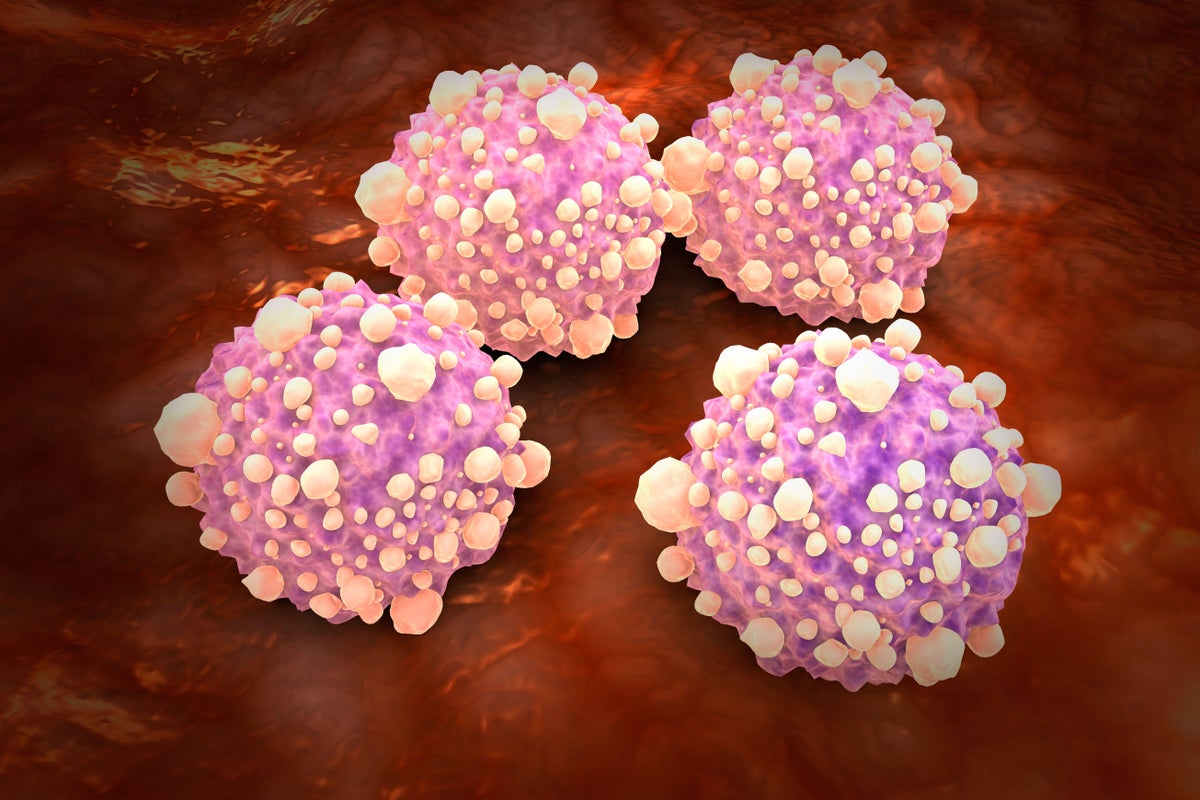
"A new blood test could improve survival rates for pancreatic cancer a disease which often tends to be diagnosed at later stages when treatment is less likely to be effective. Pancreatic cancer is the fifth most common cause of cancer deaths in the UK, according to the NHS, with 10,500 people being diagnosed each year and only 7 per cent living five years or more after diagnosis."
"There were previously two biomarkers, a characteristic used to identify diseases, explored to detect pancreatic cancer: carbohydrate antigen 19-9 (CA19-9) and thrombospondin 2 (THBS2), but neither worked well as a screening tool. Scientists from the University of Pennsylvania analysed blood samples and found two more biomarkers present in the blood of early-stage pancreatic cancer patients: the aminopeptidase N (ANPEP) and polymeric immunoglobulin receptor (PIGR)."
Early detection of pancreatic cancer greatly increases treatment options and survival, but current screening methods are ineffective. Pancreatic cancer causes significant mortality in the UK, with about 10,500 diagnoses annually and only 7 percent of patients surviving five years or more. More than half of patients die within three months of diagnosis. Two previously explored biomarkers, carbohydrate antigen 19-9 (CA19-9) and thrombospondin 2 (THBS2), performed poorly as screening tools. Scientists at the University of Pennsylvania analysed blood samples and identified two additional biomarkers present in early-stage pancreatic cancer patients: aminopeptidase N (ANPEP) and polymeric immunoglobulin receptor (PIGR).
Read at www.independent.co.uk
Unable to calculate read time
Collection
[
|
...
]