#beef-prices
#beef-prices
[ follow ]
#cattle-herd #agriculture #tariffs #inflation #drought #supply-chain #grocery-costs #consumer-trends

Berlin food
fromTasting Table
2 months agoThe Country Where Beef Is Most Expensive (It's Not The US) - Tasting Table
Switzerland has the world's highest beef prices at $69.88 per kilogram due to strict animal welfare laws and protectionist agricultural policies that isolate the country from global markets.
Silicon Valley food
fromFortune
2 months agoGen Z men are eating 'boy kibble', the human equivalent to dog food, to load up on protein cheaply | Fortune
Gen Z men are adopting 'boy kibble'—ground beef and rice—as a cheap, protein-rich muscle-building meal eaten multiple times weekly, reflecting broader protein consumption trends amplified by influencers and government nutritional guidelines.
fromTasting Table
3 months agoIt's Not Just Meat And Eggs: This Sweet Grocery Staple Is Costing You Way More Now - Tasting Table
A sharp increase in grocery bills arrived soon after the COVID-19 pandemic hit in 2020. As supply chains all around the world were suddenly disrupted, the cost of pantry and fridge staples noticeably increased. But once the pandemic was over, prices kept climbing, resulting in a sharp and rapid inflation, the likes of which we haven't seen in half a century.
Food & drink
fromTasting Table
3 months agoWhy Some Restaurants Only Offer Prime Rib On Certain Days - Tasting Table
Two reasons for this are that prime rib can be expensive, and it takes a long time to cook properly. As the cost of beef has gone up and consumption habits have changed (i.e. people are eating less red meat due to health and environmental concerns), prime rib has become, well, even more of a "prime" product. In Milwaukee Mag, Ward's House of Prime owner Brian Ward described what goes into preparing prime rib for restaurant service, and it's no easy feat.
Food & drink
fromTasting Table
5 months ago7 Grocery Store Chains With The Best Steaks, According To Shoppers - Tasting Table
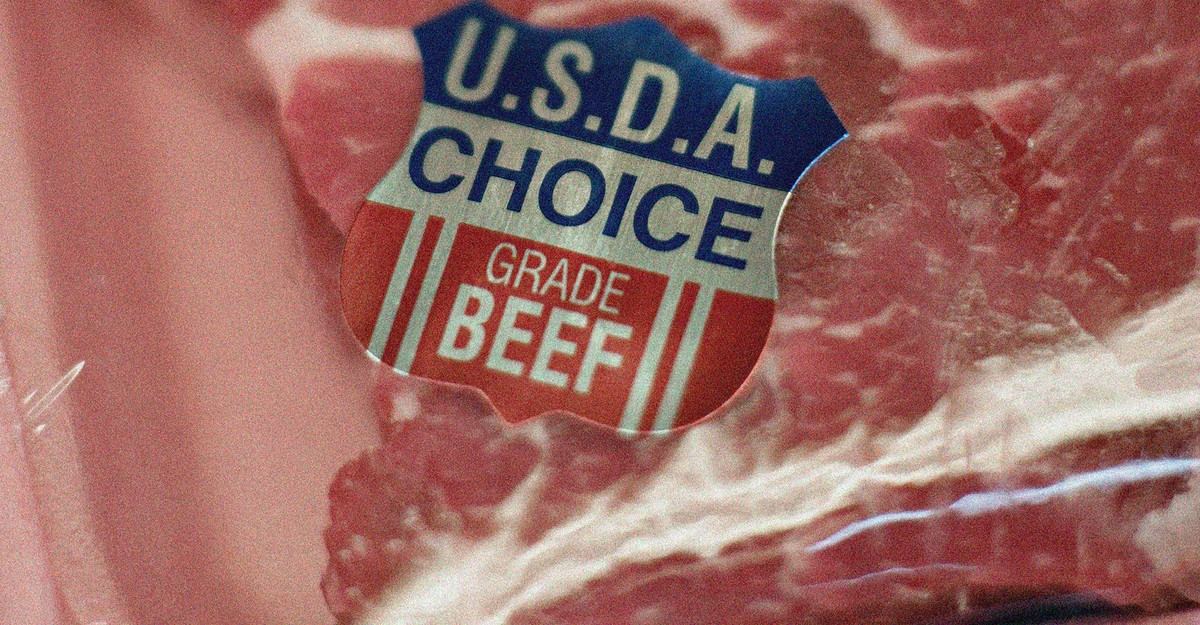
Beef prices are going up. Per recent reporting from Fox Business, industry leaders anticipate a top cost of $10 per pound by 2026. Yet, people's craving and appreciation for steak isn't going anywhere. Rather than heading out to a steakhouse (where business is, admittedly, also booming), many consumers are looking to their local grocery stores for steaks to prepare at home.
Food & drink
US politics
fromwww.mediaite.com
6 months agoCan't Be Serious': Trump Official Roasted for Bizarre Take That Migrants Bringing Cattle With Them Are to Blame for Higher Beef Prices
Treasury Secretary Scott Bessent claimed migrants brought diseased cattle (screw worm), prompting Mexican beef bans and contributing to higher U.S. beef prices.
US politics
fromLos Angeles Times
6 months agoTrump accuses foreign-owned meat-packers of inflating U.S. beef prices and calls for investigation
President Trump instructed the Justice Department to investigate foreign-owned meatpackers for alleged collusion and price-fixing driving up U.S. beef prices.

fromwww.npr.org
8 months agoWhy beef prices are higher than ever (and shoppers are finally resisting)
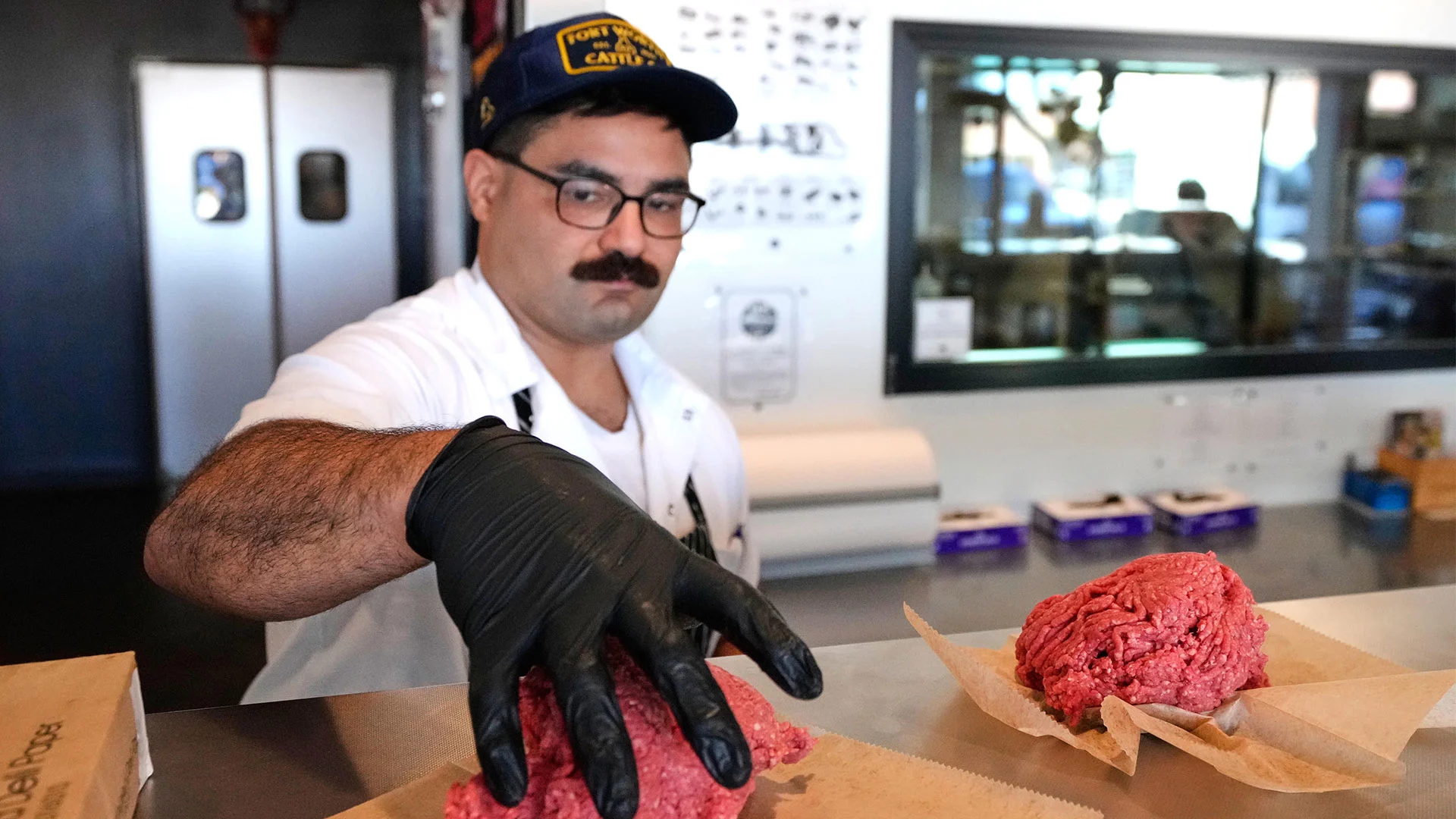
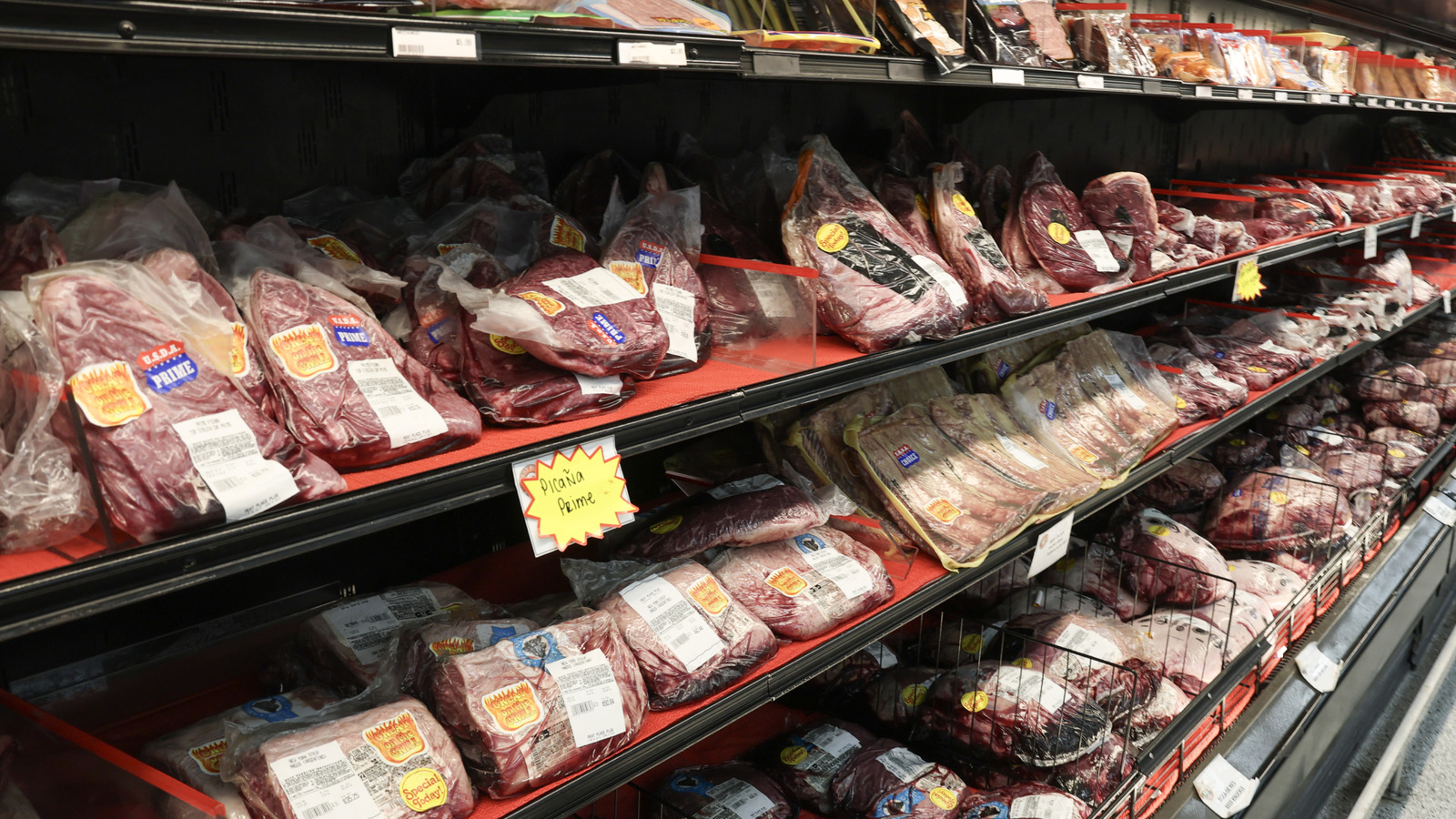
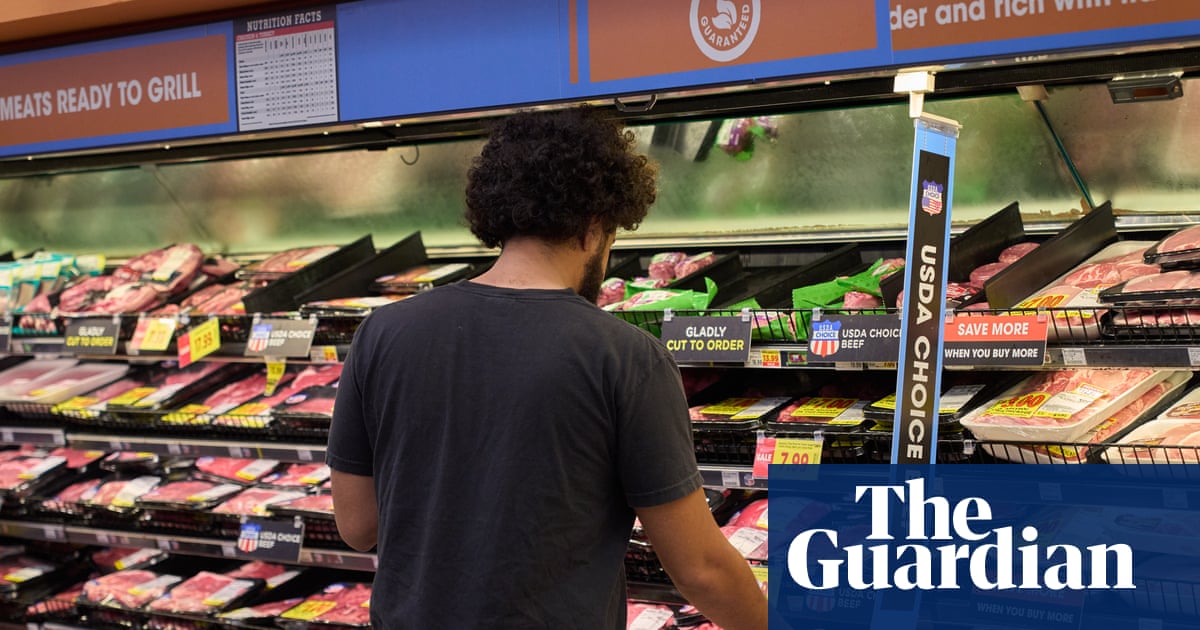
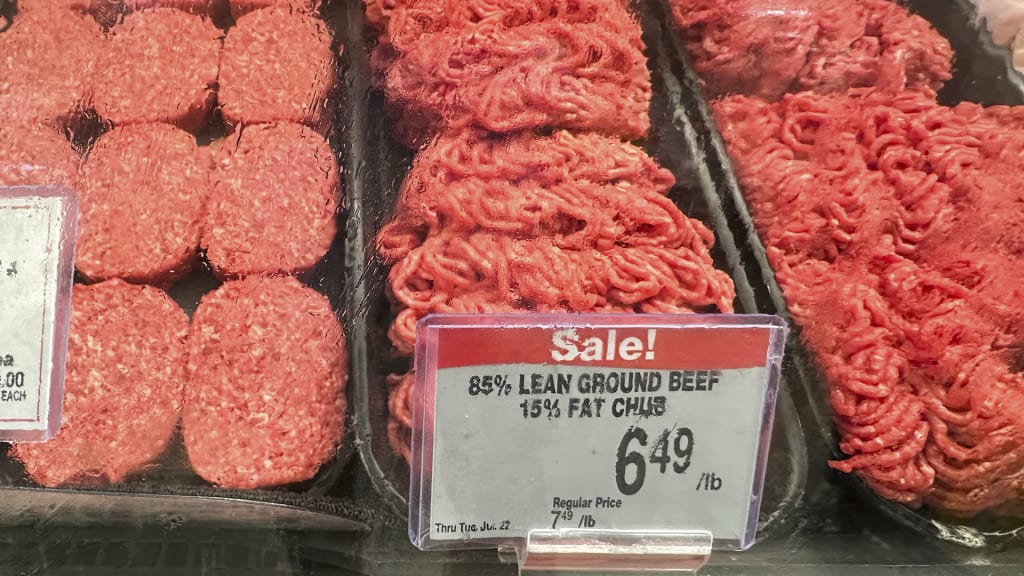
Why has the price gone up? It's the law of supply and demand. America's beef cattle herd is the smallest in 75 years, in part because of drought. But Americans' love of hamburgers and steaks has kept demand strong until recently. In July, the U.S. Department of Agriculture continued to record a shrinking number of U.S. cattle and calves, forecasting that beef production would decline 4% over this year and another 2% in 2026.
US news
fromFast Company
9 months agoBeef costs, burrito blues, and boarding groups: The business stories everyone's talking about this week
Trader Joe's is in growth mode, adding 30 new locations that will push it past 600 stores nationally. The expansion-spanning California, Texas, New York, Oklahoma, and more-is a striking contrast to the wave of retail closures hitting other chains.
E-Commerce
fromFortune
10 months agoWhere's the beef? Hamburger inflation is running at 12% as America's herds literally shrink
The average price of a pound of ground beef rose to $6.12 in June, up nearly 12% from a year ago. The average price of all uncooked beef steaks rose to $11.49 per pound, an 8% increase.
Agriculture
[ Load more ]