#arts-ecosystem
#arts-ecosystem
[ follow ]
#contemporary-art #architecture #community-engagement #art #design #san-francisco #lacma #creativity

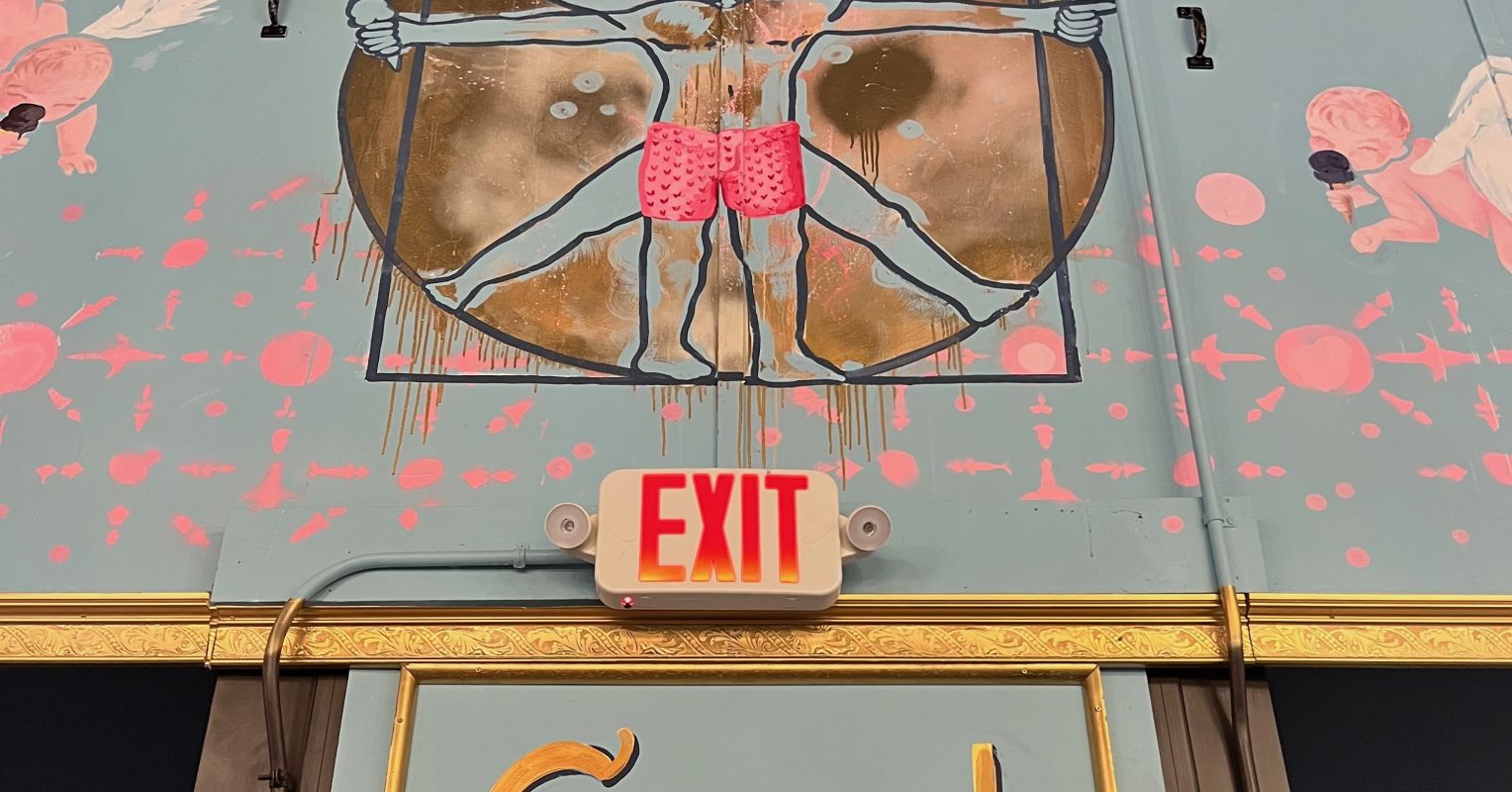
Philosophy
fromThe Village Voice
20 hours agoHistoric Preservation as Cultural Self-Reflection: Reclaiming Stories, Identity, and Meaning in a Changing Urban Landscape - The Village Voice
Historic preservation is a cultural practice that shapes community identity and values, rather than merely a technical effort to protect old buildings.
Design
fromArchDaily
15 hours agoSharjah Architecture Triennial Presents "A Journey into Architecture Archives" Focused on Baghdad, Damascus, and Tunis
The Sharjah Architecture Triennial showcases architectural archives from Baghdad, Damascus, and Tunis, emphasizing their importance in preserving collective memory and knowledge.
fromArtforum
1 day agoEpic Fury: The Dark Art of Defense Tech
Today's prominent founders and investors communicate in a visual grammar that shares a great deal with the aesthetic languages of Italian Futurism, primarily, but also of 'return to order' neoclassicism, World War II-era propaganda, and modernist museum branding.
Right-wing politics
#milan-design-week
Renovation
fromdesignboom | architecture & design magazine
1 day agolina ghotmeh floods milan's palazzo litta with pink labyrinthine landscape
Palazzo Litta is transformed into a dynamic, inhabitable landscape with Lina Ghotmeh's installation, creating a dreamlike experience during Milan Design Week 2026.
Berlin music
fromdesignboom | architecture & design magazine
15 hours agogeberit choreographs immersive dance of water and light at milan design week 2026
Geberit's RŌS installation at Milan Design Week 2026 merges technical engineering with artistic innovation, showcasing water as a central element in design.

fromdesignboom | architecture & design magazine
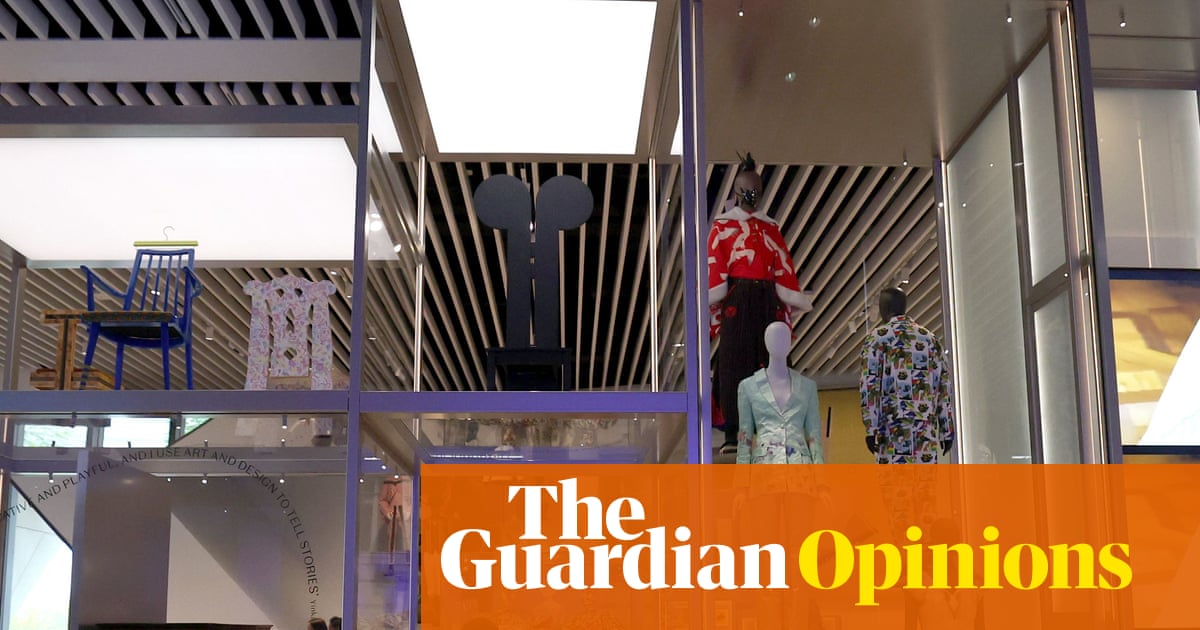
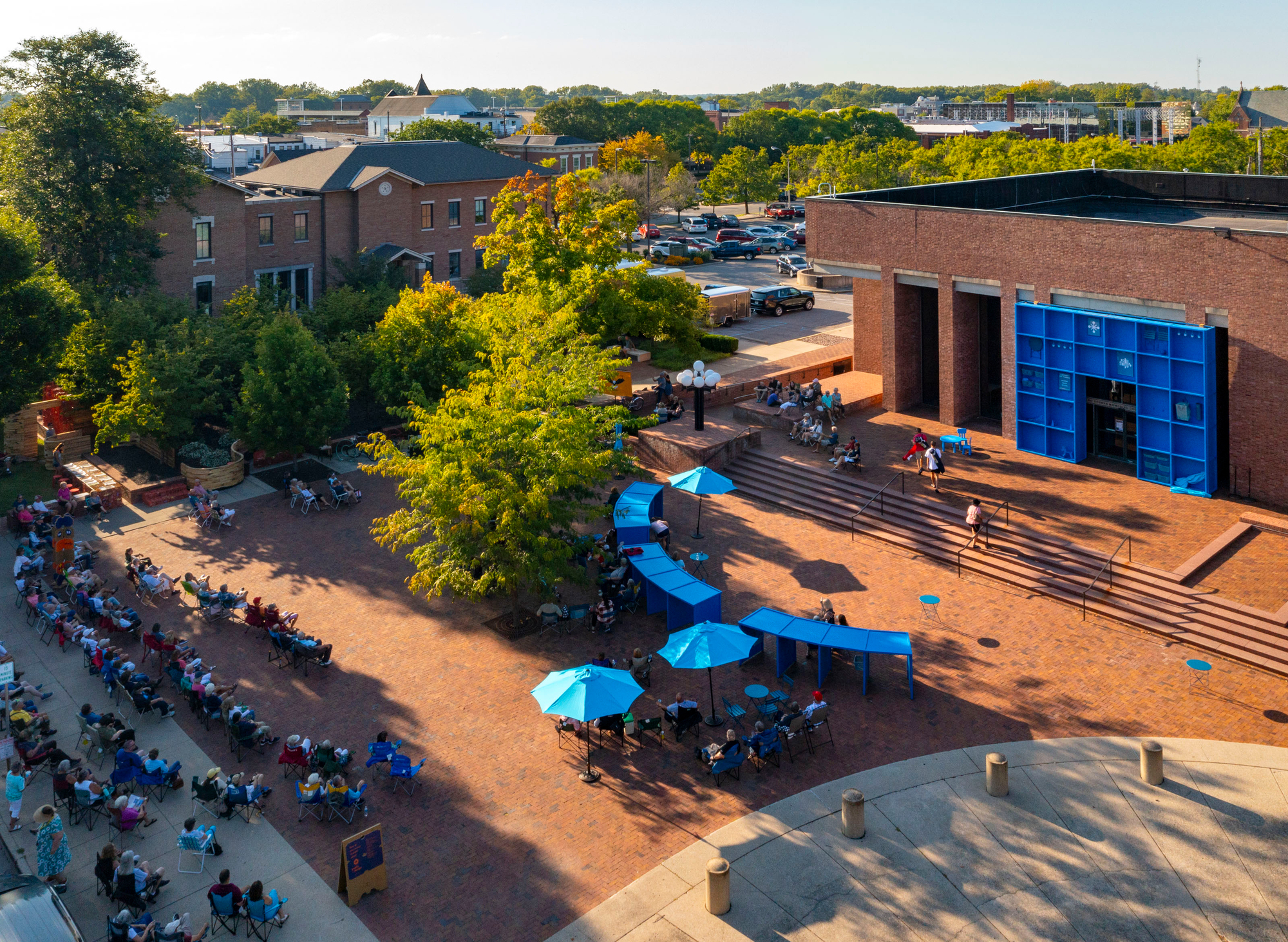
6 days agolook back on olympus perspective playground: a traveling series of room-sized dreamworlds
The Olympus Perspective Playground operates as a fully built system, where walls, lighting rigs, circulation paths, and signage are developed together with each installation, creating a continuous spatial script.
Berlin

fromArchDaily
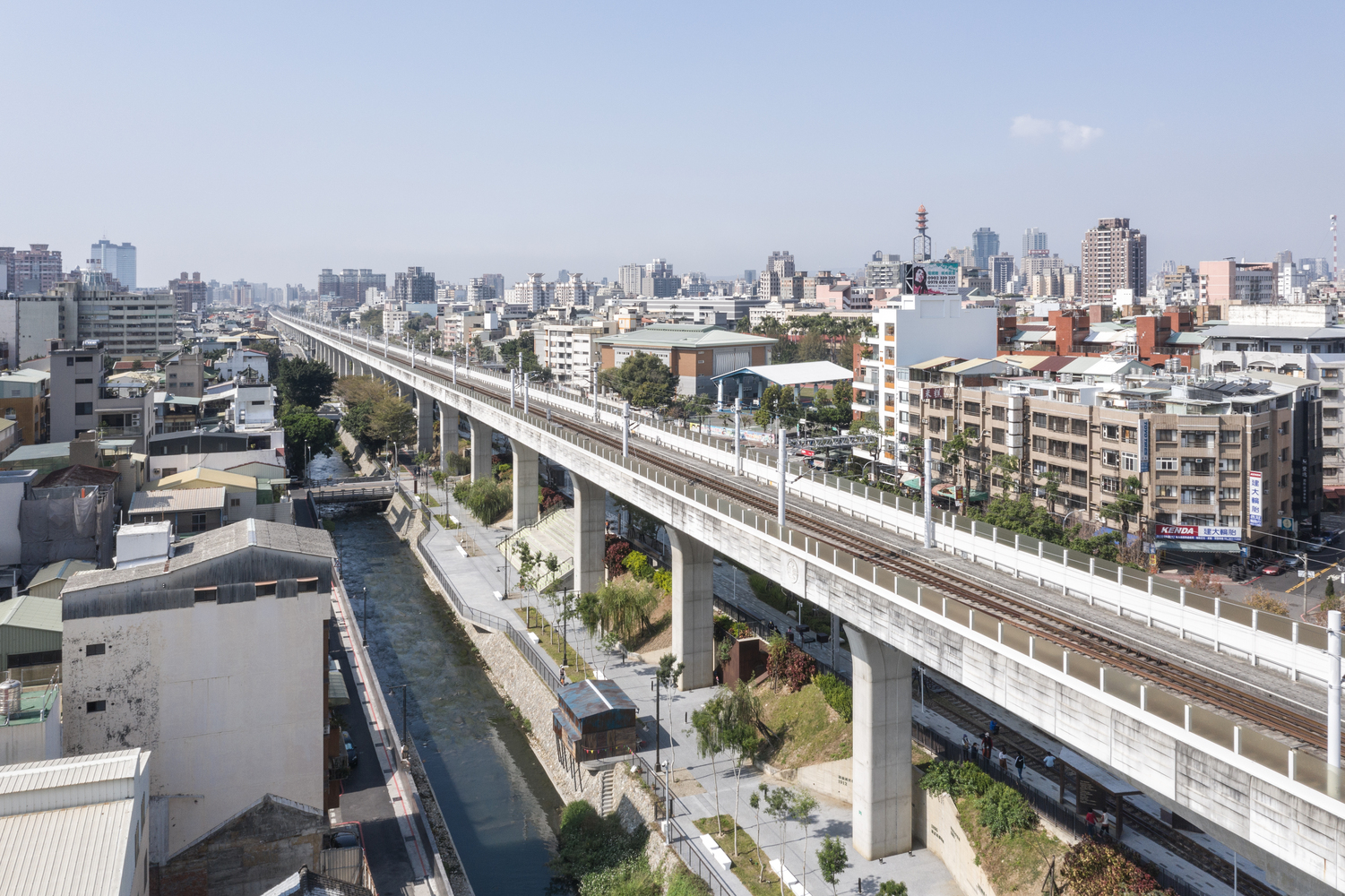
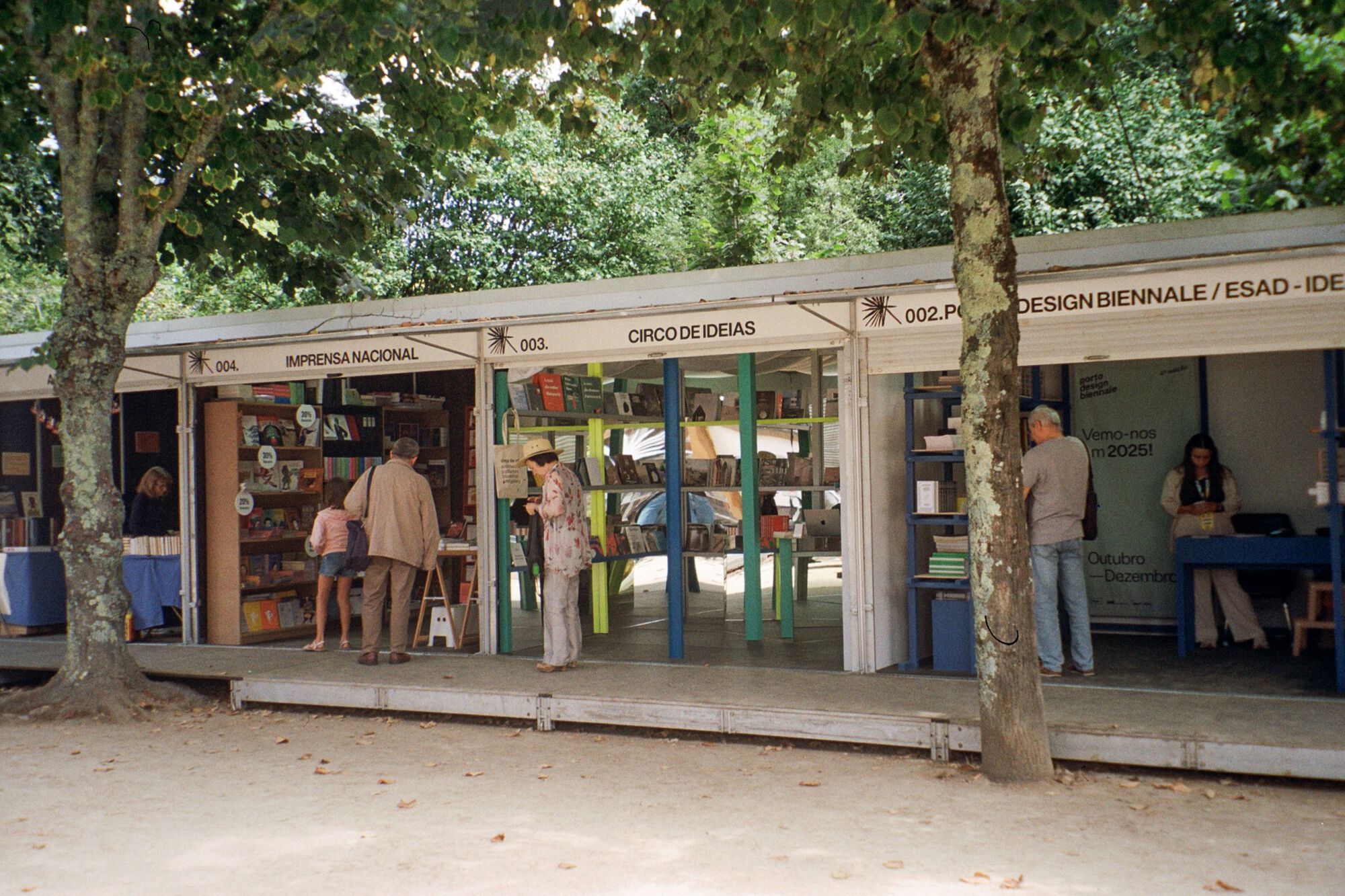
17 hours agoWhy Do We Want to Float? The Psychology of Lightness in Architecture
In 1962, the architect Buckminster Fuller envisioned a floating city that would free humanity from its dependence on the Earth. The speculative project consisted of enormous geodesic spheres that would naturally levitate in air warmed by the sun and be anchored to mountaintops.
Design
fromDesign Milk
4 days agoSabah House NYC Pays Homage To Set + Setting
Sabahs are made entirely by hand from 100% leather in either Texas or Turkey—two regions with distinct yet deeply rooted relationships to the material. The result is a shoe that varies subtly from pair to pair, even within the same size.
Brooklyn

fromOregon ArtsWatch * Arts & Culture News
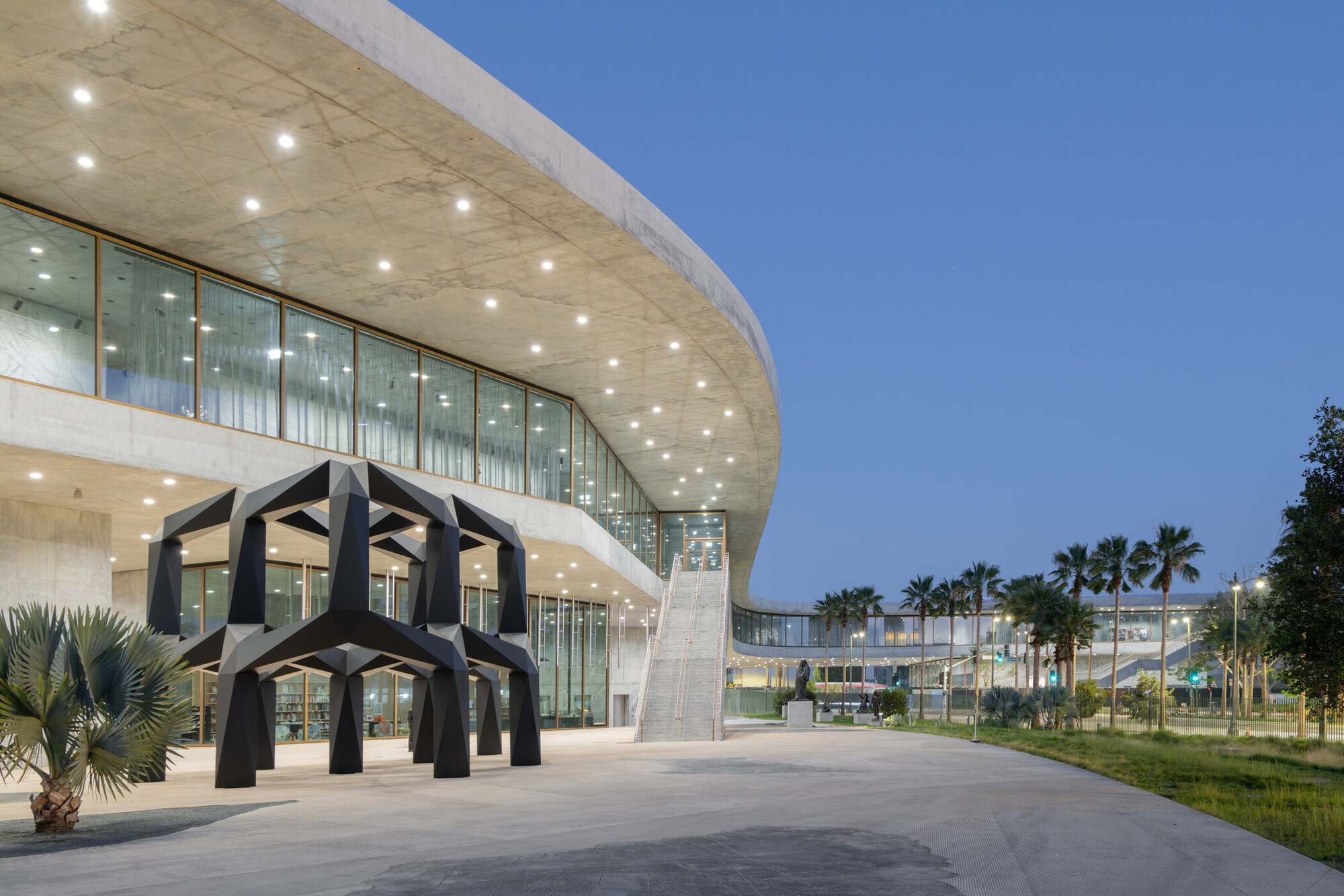
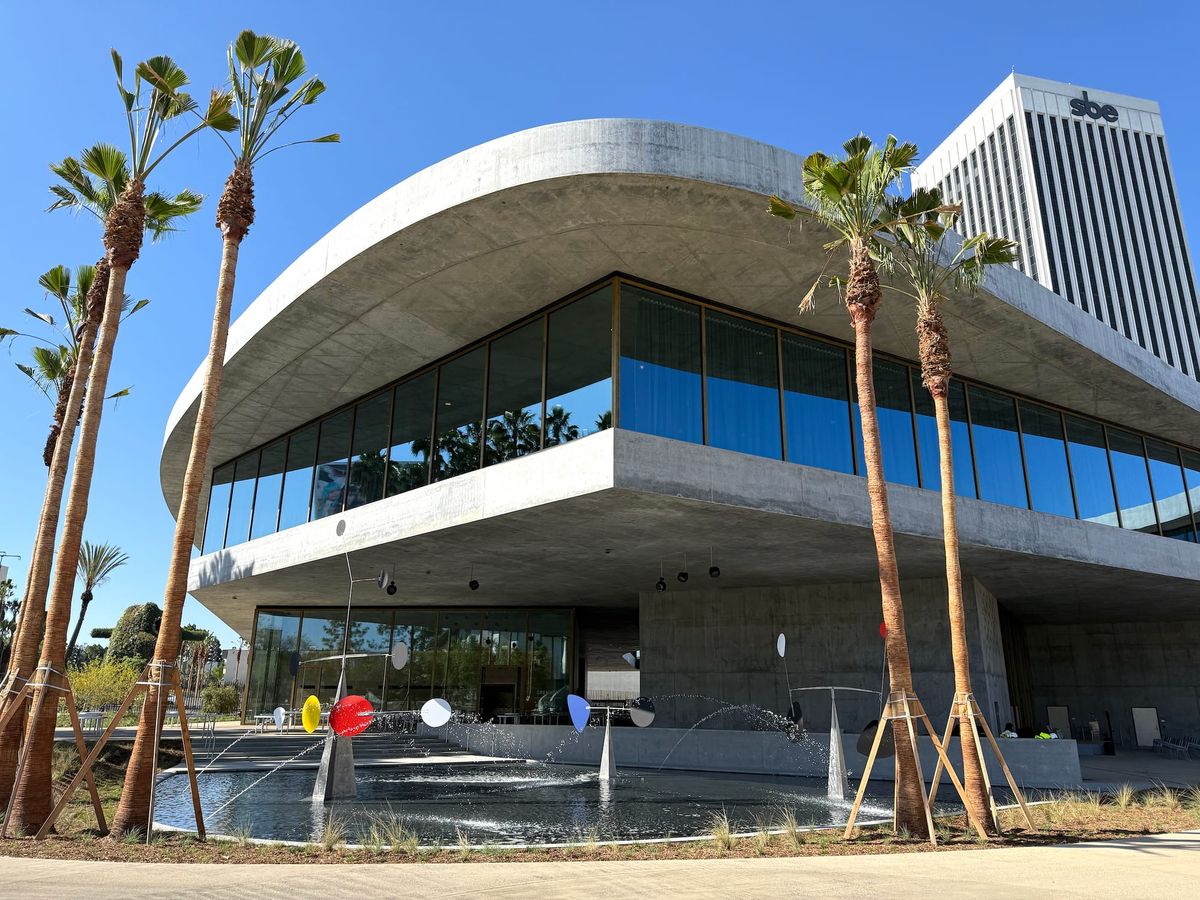
5 days agoIntroducing ArtsLink, a hub for posting and finding essential information * Oregon ArtsWatch
ArtsLink is envisioned as an essential community resource that aims to increase visibility, spur audience engagement, and strengthen the local arts and culture ecosystem.
Portland
Arts
fromThe Art Newspaper - International art news and events
1 day agoBritish Art Show-exhibiting UK's 'most exciting' art in past five years-announces line up for tenth edition
The British Art Show 10 will showcase contemporary art in five UK cities, focusing on empathy and shared imagination during turbulent political times.
fromOregon ArtsWatch * Arts & Culture News
3 days agoTom Prochaska: Through the Open Door * Oregon ArtsWatch
Tom Prochaska distinguished himself in many mediums: He was a masterful printmaker, an intuitive painter, a builder of papier-mâché figures, a creator of fused glass panels, and graphite-on-paper drawings.
Arts
Arts
fromwww.theguardian.com
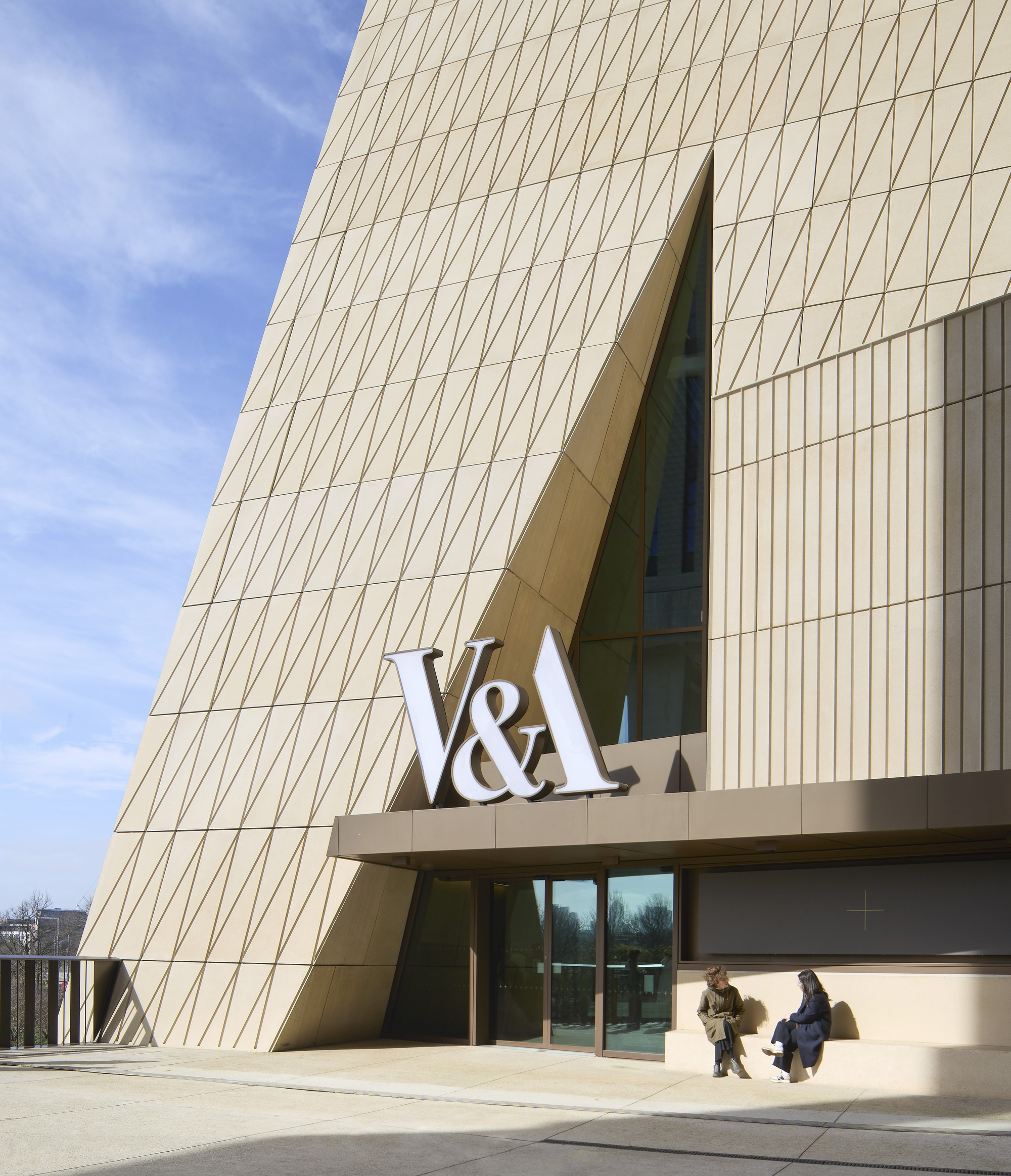
3 days agoMuseums have a duty to inspire the creatives of the future. At V&A East, I've made that my mission | Gus Casely-Hayford
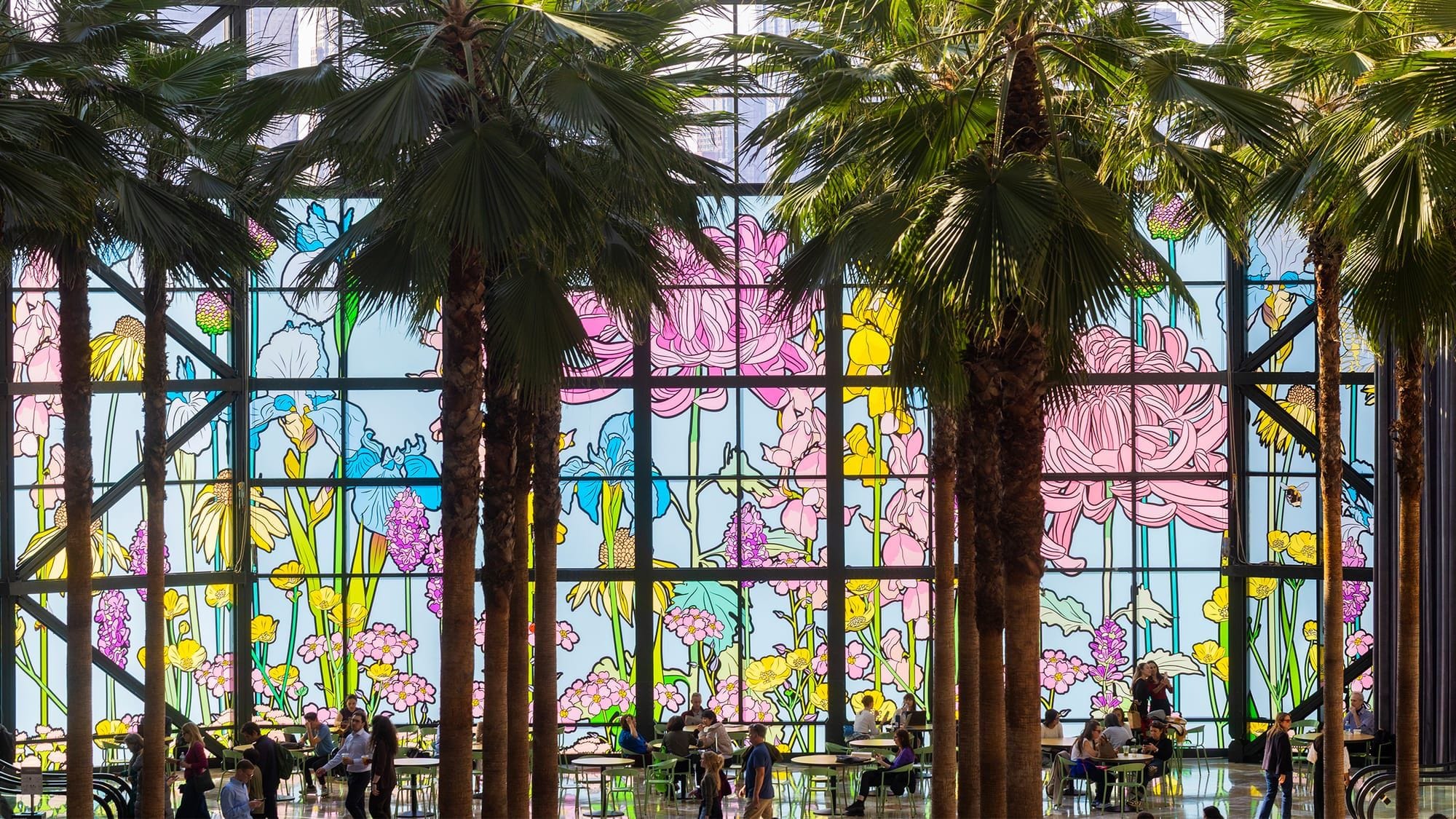
A stained-glass window by Tania Bruguera embodies community aspirations and reflects the evolving role of museums in engaging with local populations.
fromArchDaily
1 month agoArchiving the Technosphere: How Museum Architecture Mediates Human-Made Systems
The contemporary technology museum has emerged as a performative participant in the systems it seeks to document. The architecture of these institutions has become increasingly fluid and bold, often mirroring the velocity and complexity of the systems it houses. They operate as mediators between the human, the ecological, and the technological realms, transforming from encyclopedic warehouses into active educational engines.
Science


fromArtnet News
6 days agoPainting Has Entered Its Performance Era | Artnet News
Much of Instagram's video content is organized around transformation-the virtual magic of the before-and-after and clips that show cause and effect. A person makes pasta from scratch in 20 seconds via edits that compress time-intensive labor.
Arts
fromThe Art Newspaper - International art news and events
2 months agoClub for working class art professionals expands from London to Manchester
"Working Arts Club was always going to exist outside of London because class issues in the art world are systemic not geographic," founder Meg Molloy, who works in London as a freelance communications consultant for the art world. "The need for what our network can do is widespread and going to Northern England felt like a natural next step in our operations."
Arts
[ Load more ]